Escape to Essaouria

Day 5
Essaouria, Morocco

Essaouria is said to be southern Morocco’s most popular seaside town — and it’s not hard to see why. After a 3-hour bus from Marrakech this morning, we arrived here to sunny skies, a steady breeze and a friendly and welcoming people who are still get acquainted to the recent influx of camera-totting tourists.

This town of about 70,000 (pronounced “eh-sa-why-rah”) is a working port on the Atlantic — the country’s third largest — so, not surprisingly, our first stop was the harbor, where fishermen prepared their rowboats and unloaded their daily catches while the ocean splashed over the city’s walls.

With the seafood no fresher anywhere in Morocco, we headed to the market. After picking out selections (Dorado, calamari and a huge crab), they were flavored simply with salt and thrown on the grill and served with a salad. Before:

And, after:

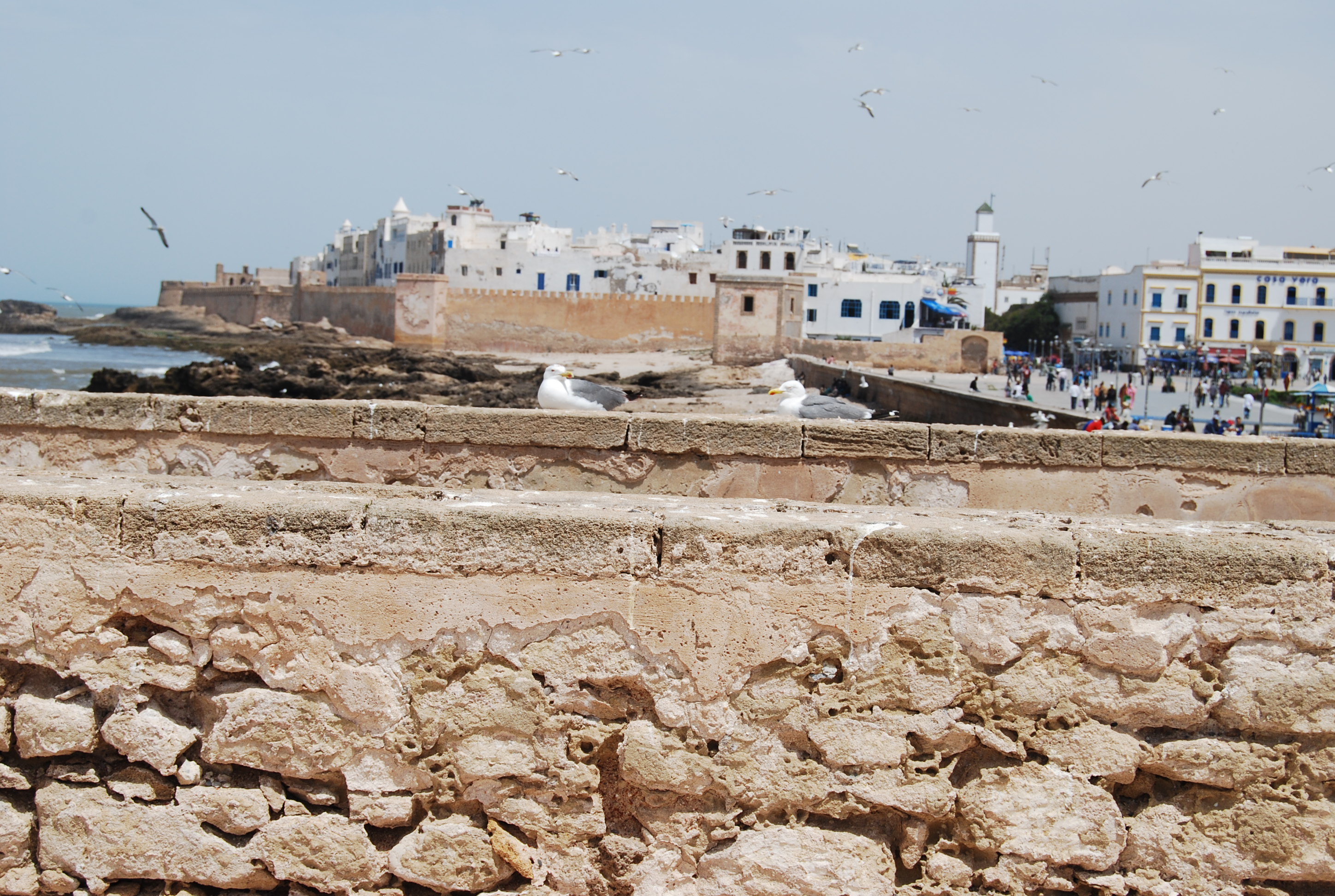
A walk along Essaouria’s ramparts and old city wall provided a panoramic view of the ocean and surrounding fortifications, whitewashed buildings and harbor.

The beach here, south of town, is quite wide. With the high winds (topping out at 46 mph), there are few sunbathers, but many locals playing pick-up game of soccer and offering tourists camel and horse rides to the former house Jimi Hendrix, who purportedly passed through Essaouria on the hippie trail in the late 60s.

Our last stop of the day was the relatively relaxed medina, a marked change from Marrakech’s aggressive vendors. We found a team of craftsmen who hand-carve original pieces from the thuya, a local and quite fragrant wood. Needless to say, after a bit of haggling (a must in Morocco I’ve learned), a beautiful hardwood bowl and tray were in my backpack for just about $30USD.

Escaping the buzz of Marrakech was welcome today. Tomorrow, we’ll be visiting the souqs to do some last minute shopping and then spending the remainder of the afternoon with Morocco’s trendiest sunbathers at the local outpost of Nikki Beach, a tony pool club.
A peaceful coexistence in Morocco

Day 4
Marrakech, Morocco

Luckily, many of the monuments to visit here are located within the medina’s walls. We spent today seeing all the major sights while taking mental notes about where we might want to return to.
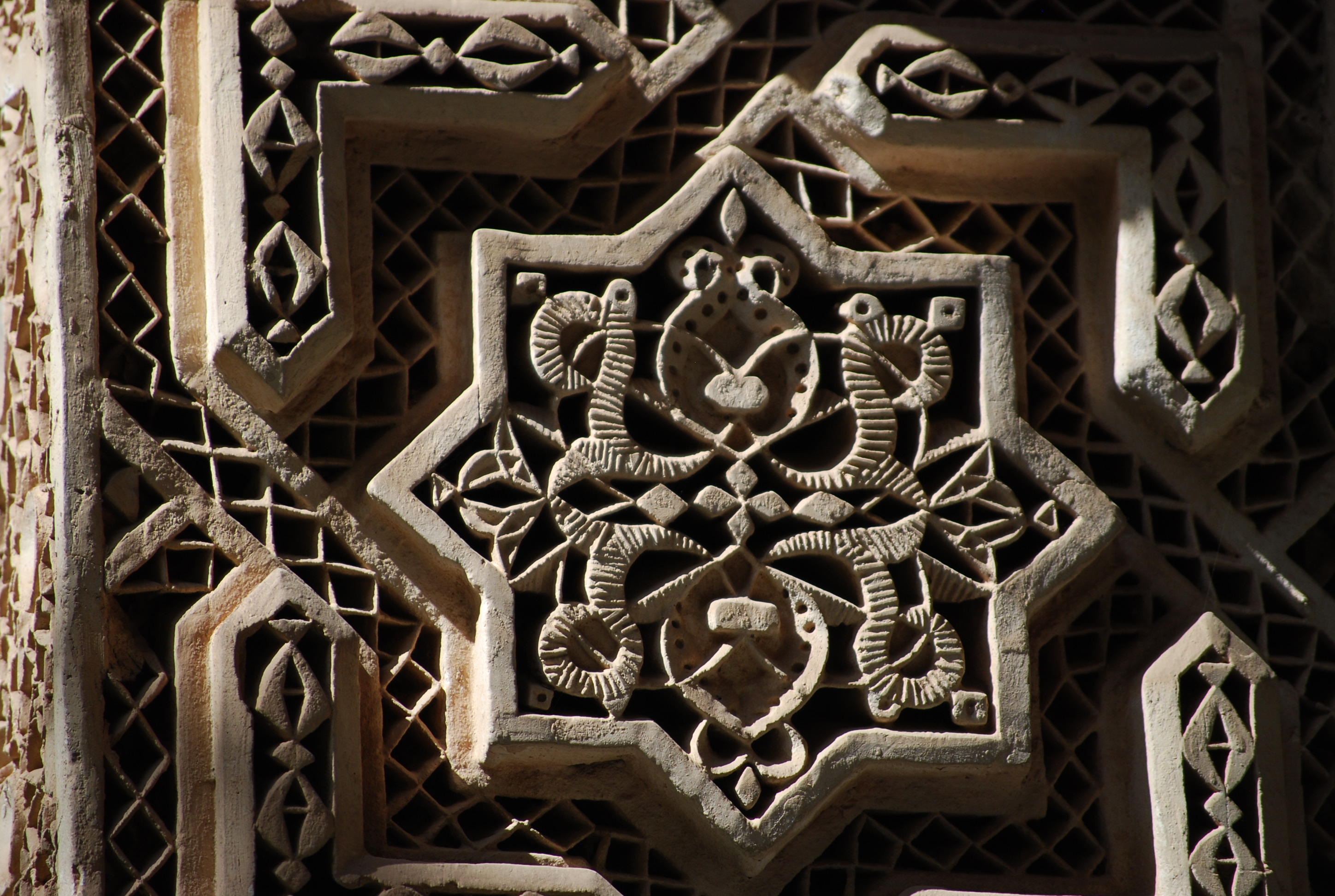
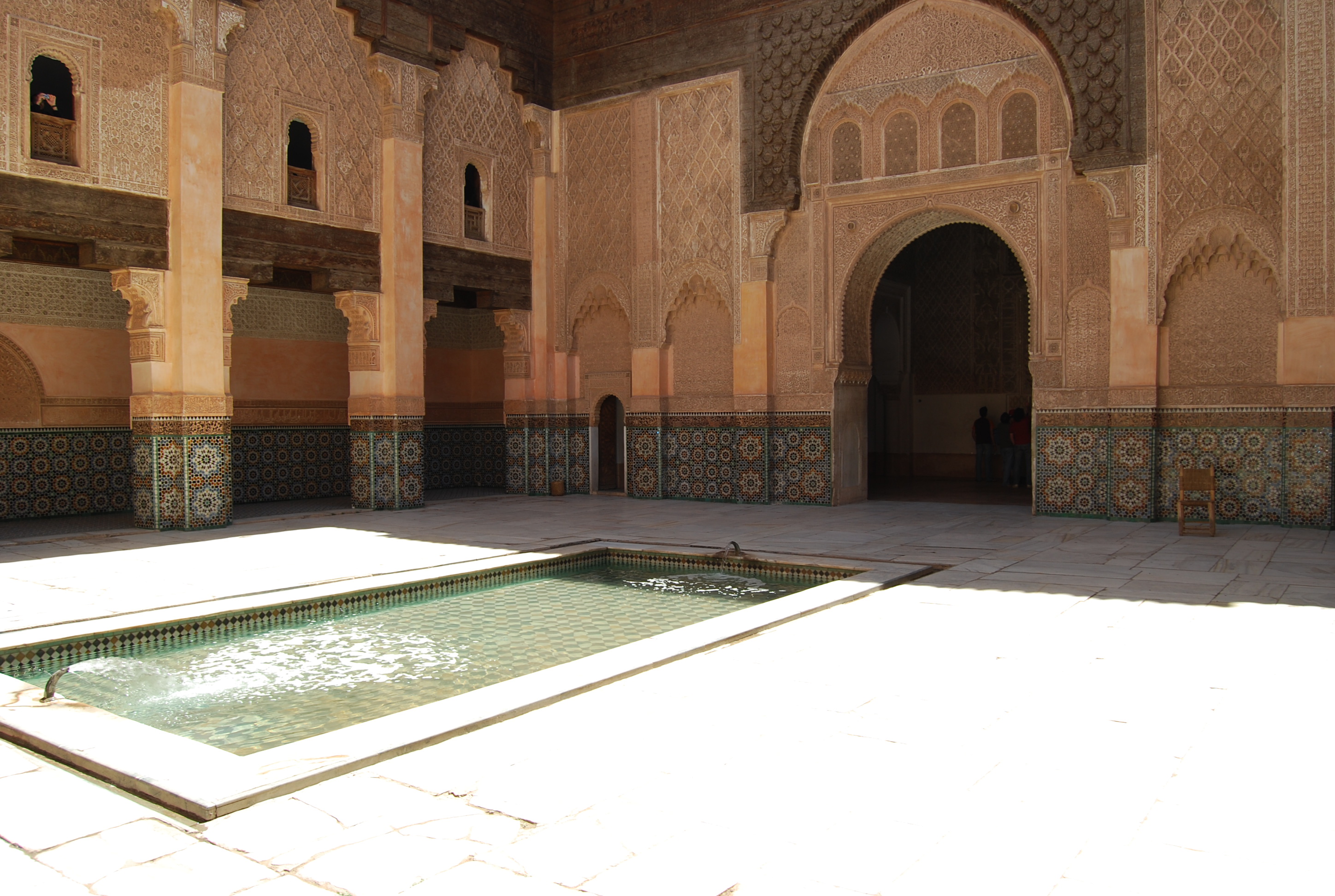
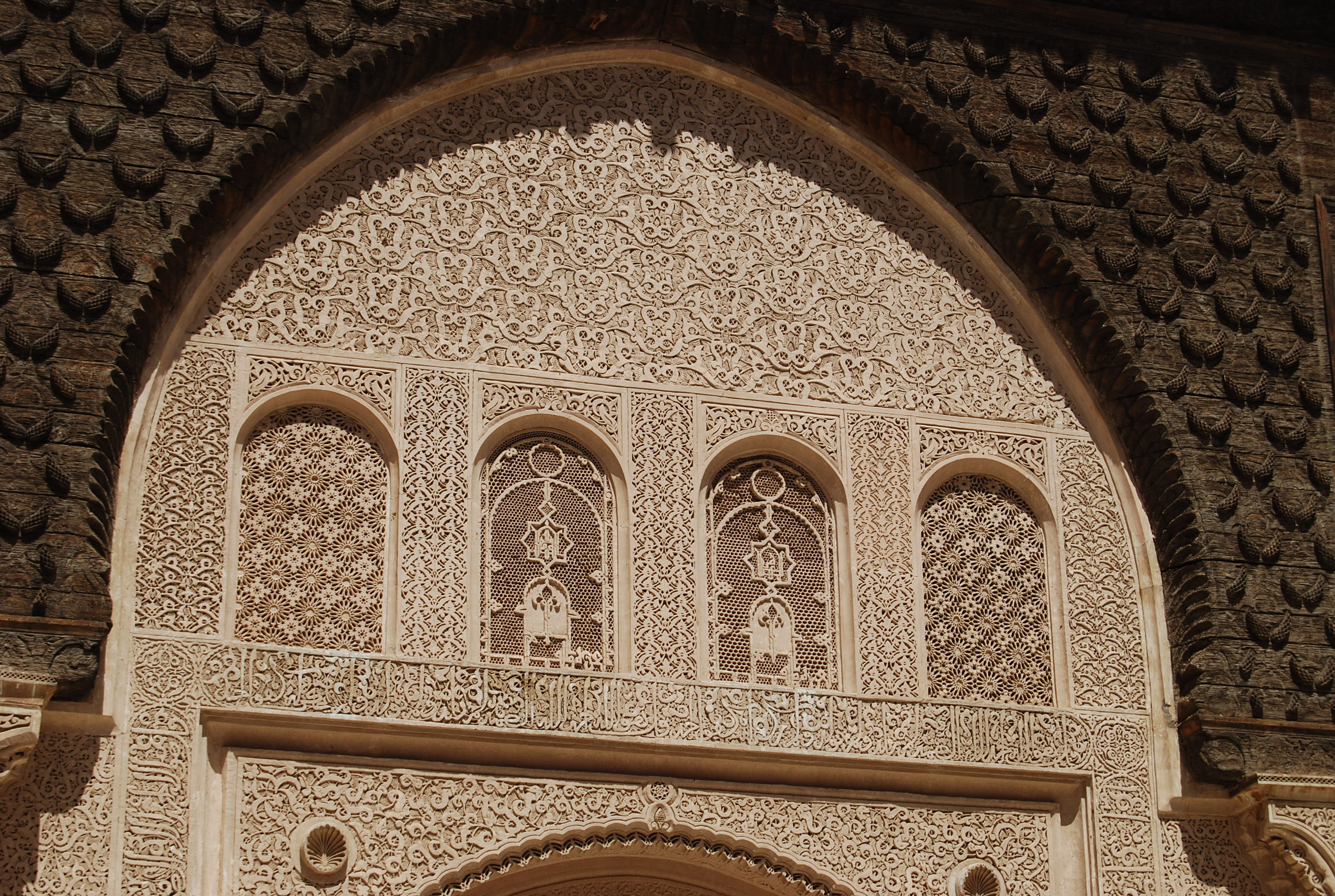
Ali ben Youssef Medersa is only a short walk from Dar Saria, where we are staying. The medersa is the city’s theological college originally founded in the 14th century. It was restored in 1564, and the intricate stucco and carved wood decoration are detailed to the point of mesmerizing.

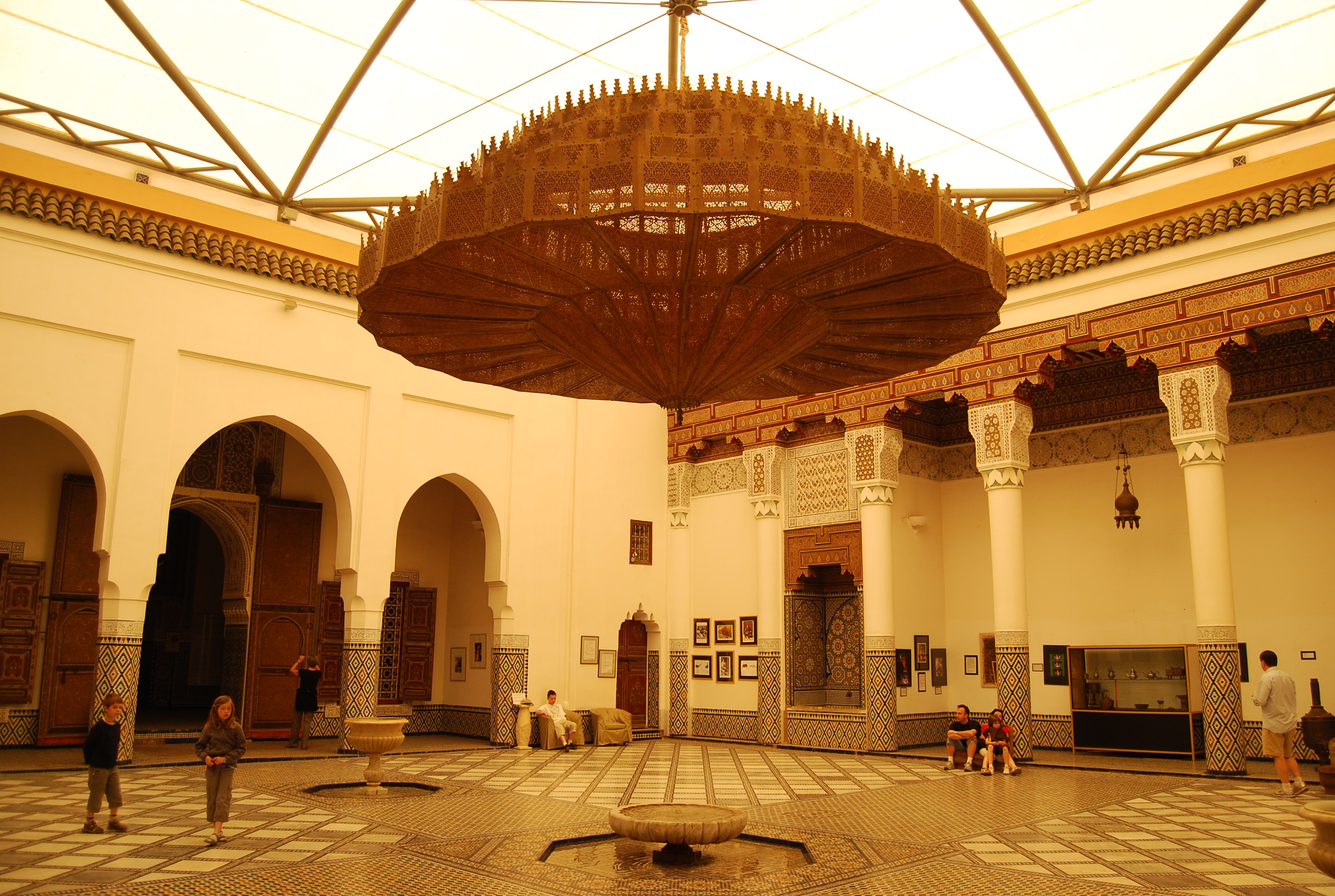
Right next door is the small Marrakech museum, housed in Dar Mnehbi, a restored 19th century palace, with temporary art exhibitions. For us though, the real treat was the building itself, with its excess of zellij and stucco work.

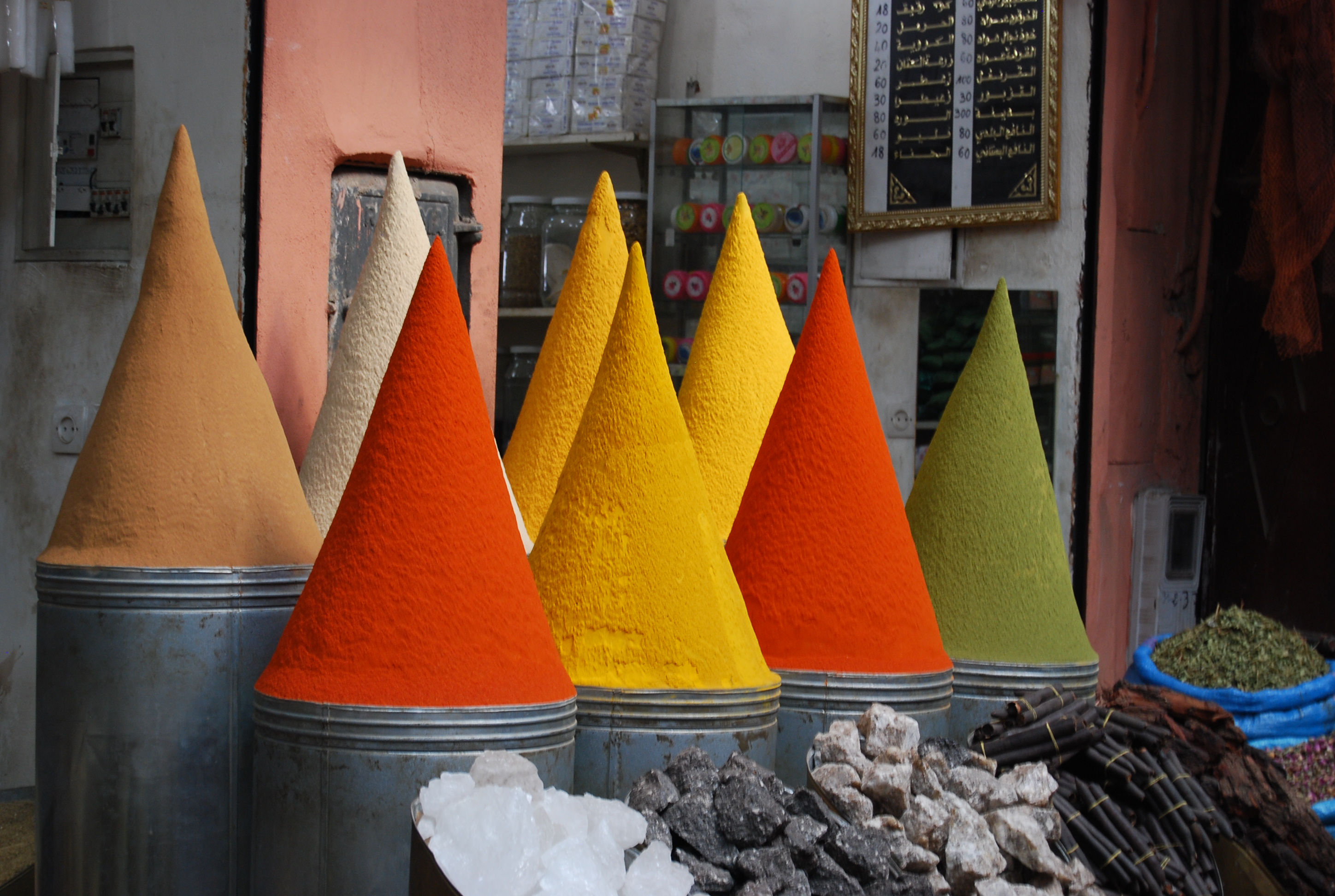
The real test of the day came on our walk back through the medina en route to Djemma el-Fna. Passing cones of spices, wonderful hand-made lanterns and every possible product in between, we somehow found our way — and all without buying anything!

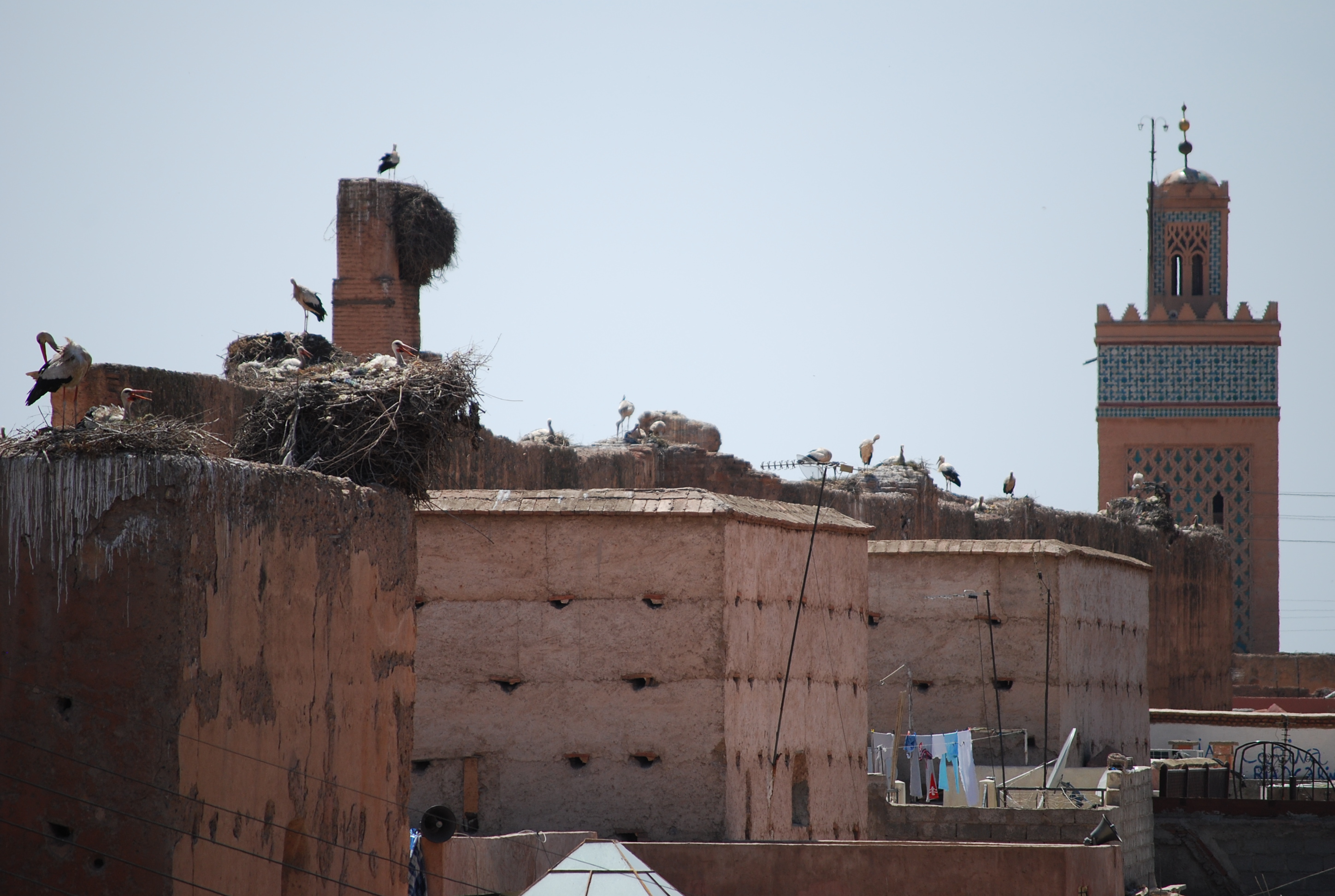
Our destination was Kozybar, a nice outdoor lunch spot whose roof deck offers tremendous views of the many storks that nest on the walls of Dar el-Bacha, an old palace. Right next door is another former palace, Palace de la Bahia, whose many rooms and courtyards hosted P Diddy on a visit to Morocco in 2002. Again, the level of painstaking detail was evident everywhere — in the metal work and stone carvings.

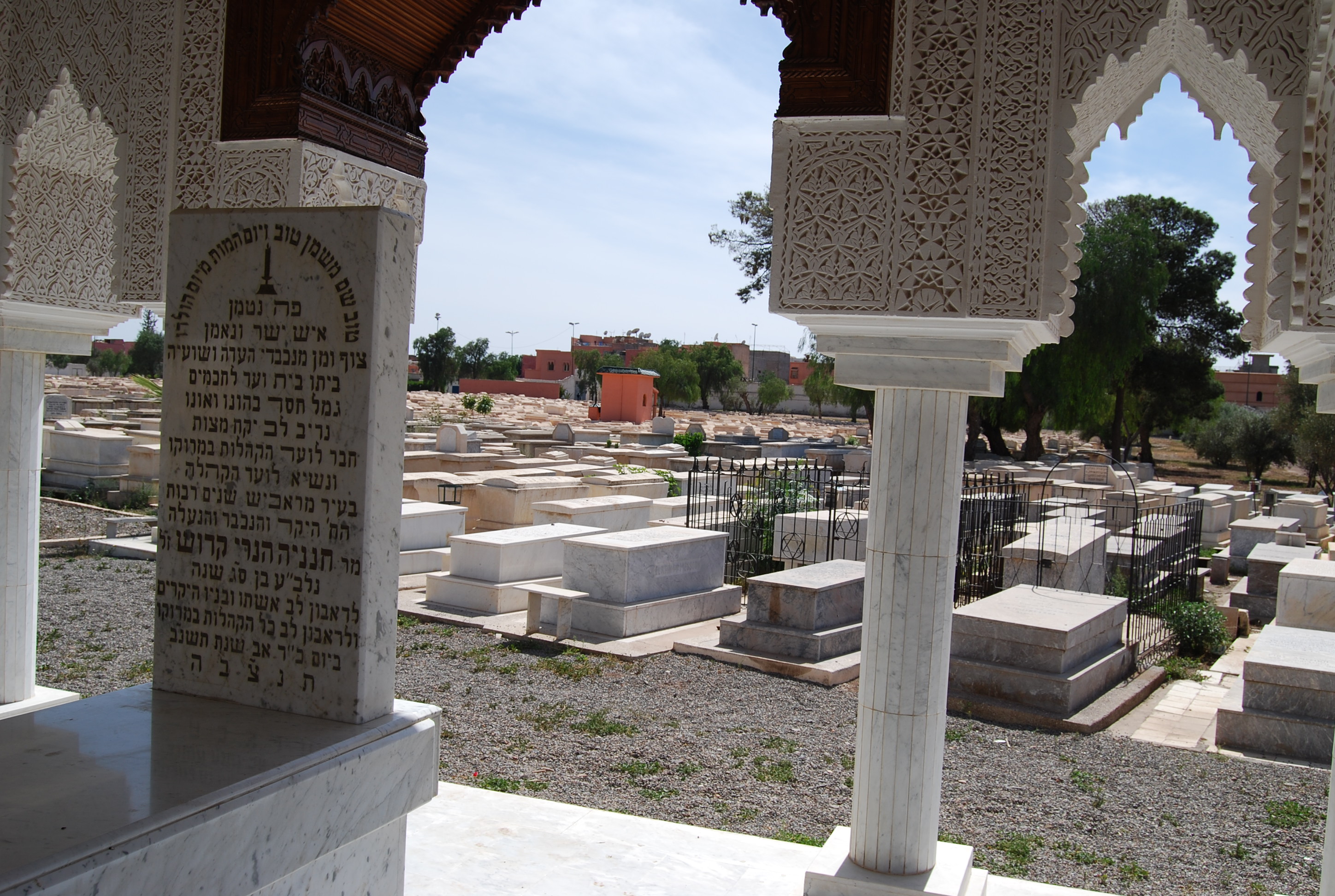
East of the main medina, in an area infrequently visited by tourists, is the mellah. It is here that Morocco’s remaining 300 Jews live among their many Muslim neighbors. Seeing this peaceful coexistence again gave me hope that the same might be possible elsewhere in the world. Perhaps the most interesting part of the mellah was the Jewish cemetery. With the Atlas Mountains as a backdrop, there are hundreds of graves, some dating back over 500 years.

Last on the list was the Jardin Majorelle, an exotic sub-tropical garden owned by the Yves Saint-Laurent Foundation. It was a welcome break from the hectic pace outside – and an opportunity to reflect on all that we saw today.

Tomorrow, we travel to Essaouria, an 18th-century Atlantic port.

The magic of Marrakech

Day 4
Marrakech, Morocco

We arrived in Marrakech yesterday by train at around 4 p.m. Unfortunately, the transfer to our riad (guesthouse) in the heart of the old city was nowhere to be found. After some haggling with a cab driver, we were on our way to Dar el Bacha, one of the entrances to the medina (marketplace). We met Ahmed, a young Moroccan man, who guided us through the labyrinth of streets to Dar Saria.

Behind a set of steel doors off an alleyway, this is a recently converted house of a former ciad, with three guest rooms surrounding a traditional courtyard. There’s a sprawling bougainvillea plant that occasionally drops its red petals to the tiled floor below.

Stepping into the peaceful sanctuary of the riad, it’s easy to forget the chaos just outside. The medina’s narrow streets are a maze — one filled with donkey-drawn carts, speeding mopeds, butchers selling their freshly slaughtered meat in the open and vendors selling everything from artisan crafts to spices to knock-off Tommy Hilfiger jeans.

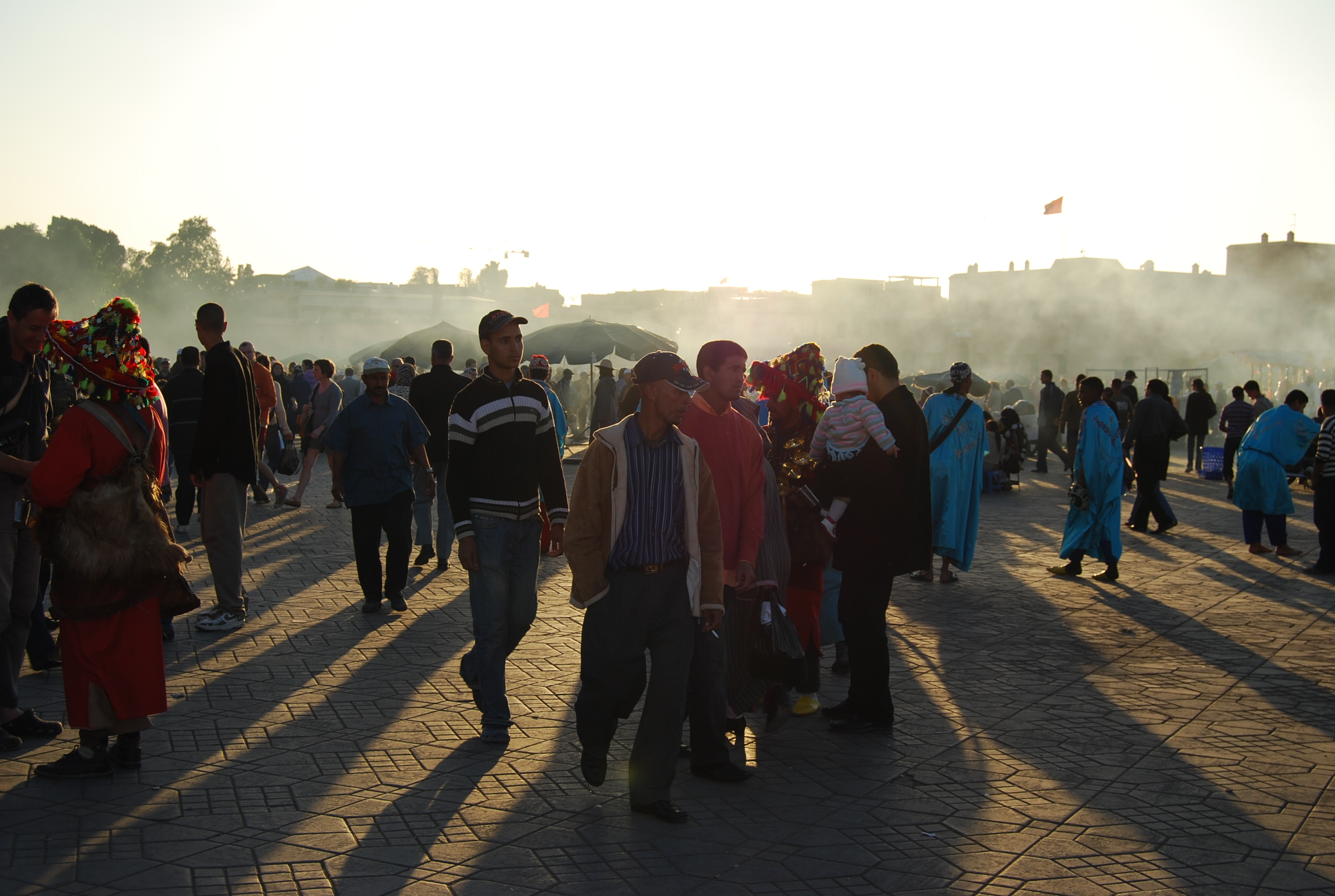
At the center of this all is Djemma el-Fna, a huge and spectacular square that one has to see in order to truly believe. It brims with orange juice vendors, smoky food stands, dancers, musicians, acrobats and storytellers. The smells, sounds and sights overwhelm the senses.

It didn’t take long for us to shell out a couple of dirhams for a glass of freshly squeezed, pulpy orange juice:

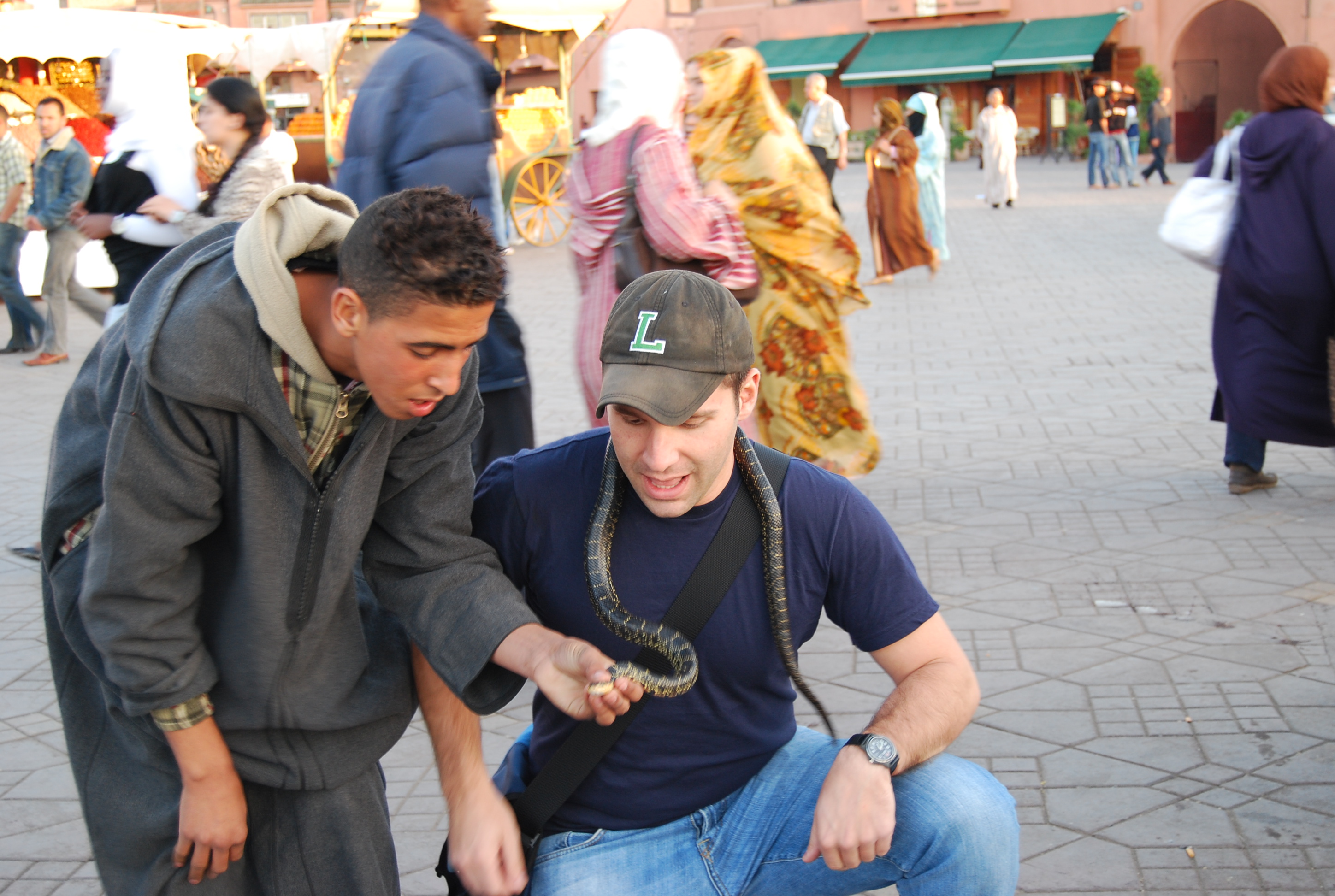
And then, the sounds of a flute drew us to a group of snake charmers, who quickly grabbed me.

Sensing a tourist, and a tip, others wanted to get in on the action. It was, well, interesting.

One vendor we were able to quickly turn down was the square’s “dentist” — a middle-aged man, pliers in hand, standing behind a table that demonstrated his past work.

The foods being hawked ranged from sheep’s head stew (a delicacy) to snails. For me, it was the dried fruits that looked most appealing though.


This morning, we will visit the Ali ben Youssef Mosque and Medersa, a koran teaching school, and then see the ruins of the Palais de la Bahia. After lunch, we’re planning on walking around the mellah, home to this city’s remaining 238 Jews, as well as the Jardin Majorelle, a beautiful park owned by Yves Saint Laurent. And, given our experience yesterday, I’m sure we’ll be returning, at least once, to the square.

Dispatch from the White House

Day 3
En route to Marrakech, Morocco

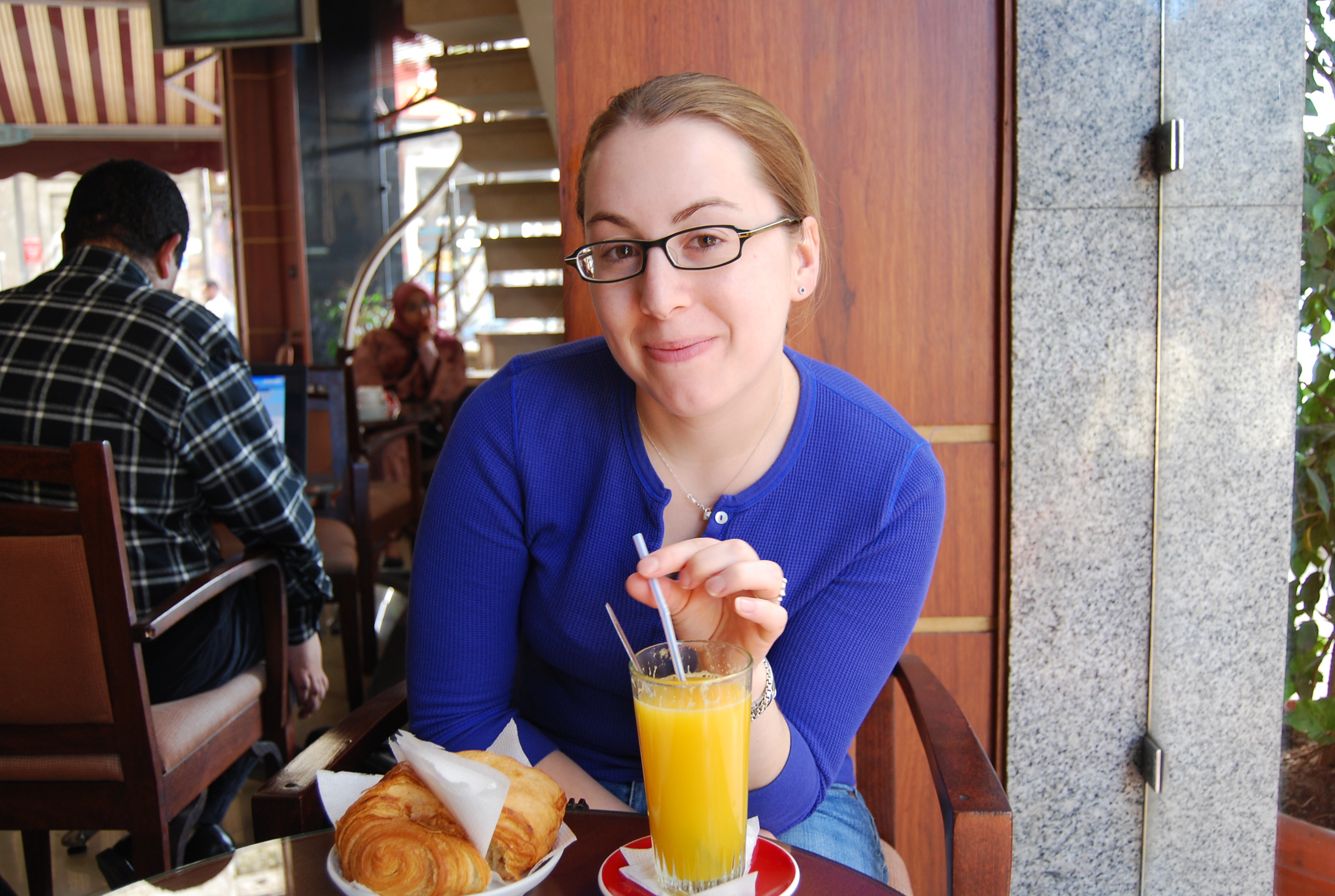
Casablanca (or the “White House”) is a grimy, polluted and congested city. Crossing the street is like playing a game of Frogger and the blasting horns of the petite cabs are constant. Not surprisingly, few travelers visit Morocco’s largest city, and as tourists, we stick out and have tended to draw the stares and touts of those unfamiliar with Americans. We spent yesterday afternoon walking around the dusty and fume-filled downtown, visiting the Ancienne Medina and checking out the Art Deco architecture, remnants of the city’s French colonial past. The highlight, quite possibly, was the delicious glass of orange juice that Charlotte got at a small cafe.

Dinner at La Fibule in Ain Diab, a neighborhood northwest of the city center, was very good. We started with an assortment of traditional Moroccan salads and then shared a steaming chicken tagine, a slow-cooked and tender piece of lamb and a bottle of sauvignon from Meknes, a city east of here that we’ll be visiting once we get to Fes. All of this with spectacular views of the Atlantic Ocean, the El-Hank Lighthouse and the Hassan II Mosque, where we just returned from.

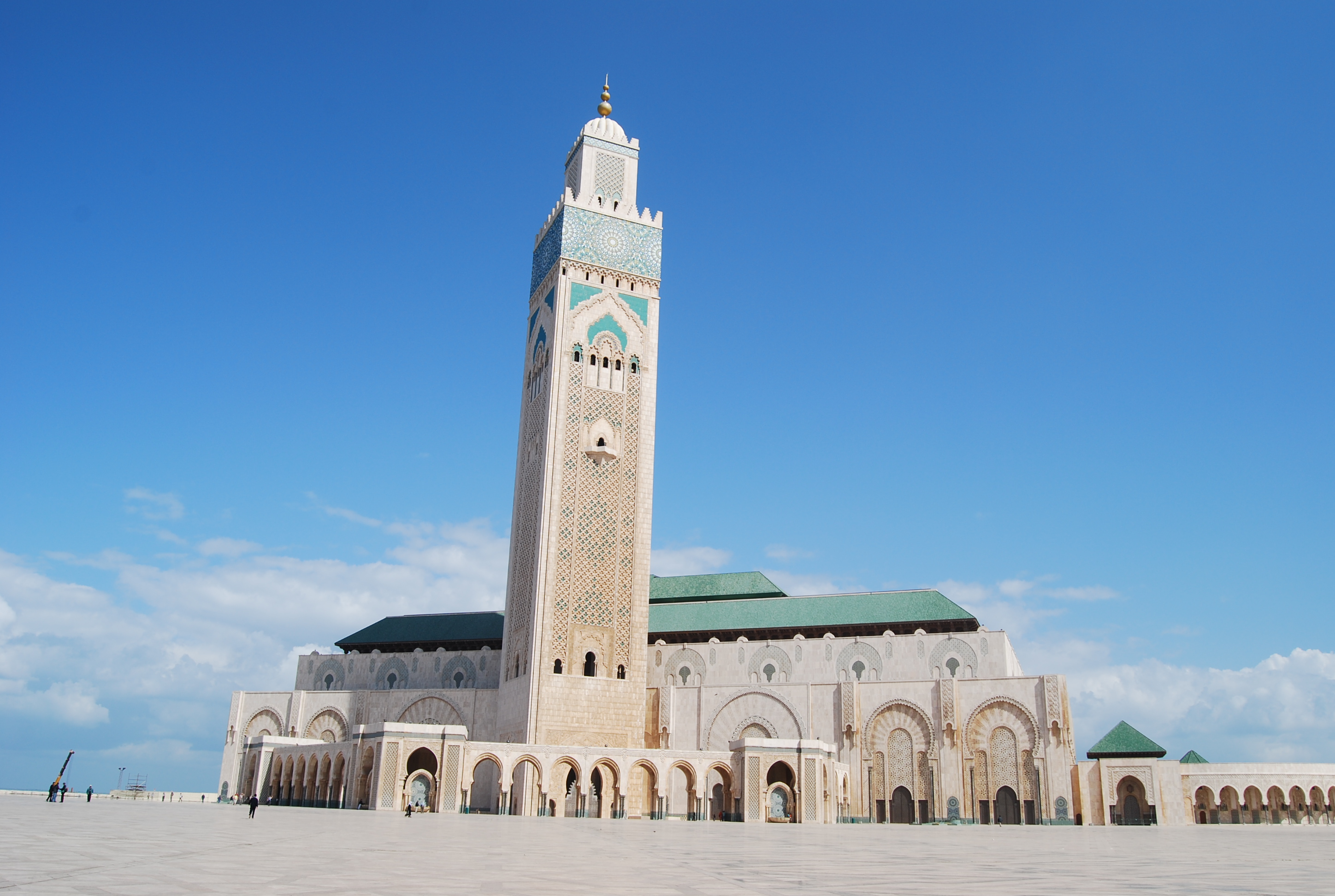
The mosque is Casablanca’s only “tourist” attraction — and it alone might be worth a visit to this city. It is a tremendous religious structure that can accommodate 25,000 worshippers and an additional 80,000 in the surrounding courtyard and squares.

Partly built on backfilled land that juts out into the Atlantic, the mosque’s location was picked by Hassan II in referral to the Koranic verse: “The Throne of God was on water.”


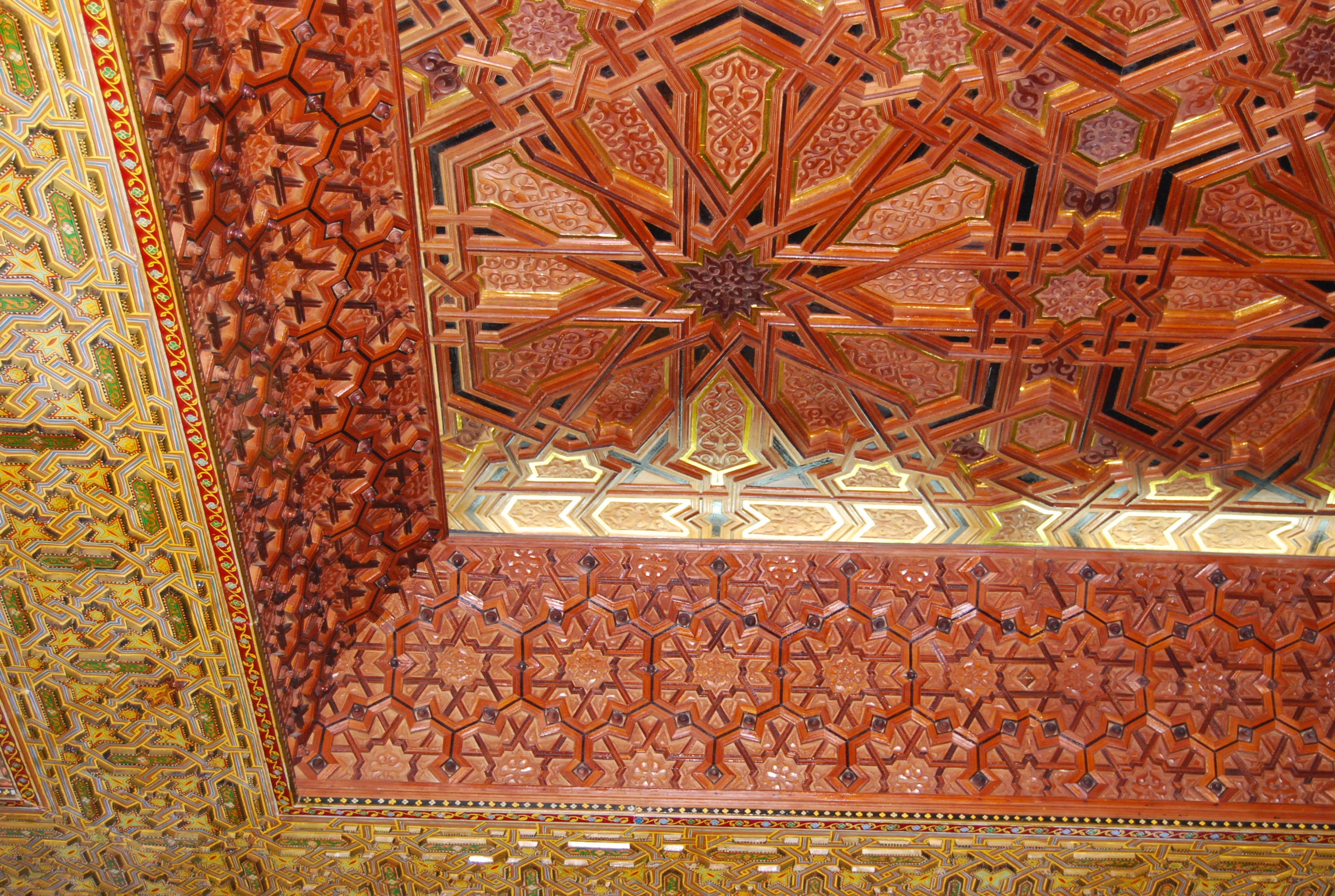
To say that the 20,000 square meter prayer hall is vast might be an understatement. It’s large enough to house Paris’ Notre Dame or Rome’s St. Peter’s. A team of 10,000 craftsmen worked 24 hours a day, 7 days a week for 6 years to complete its many intricate carvings. It is also one of only a handful of Islamic buildings that non-Muslims can enter into.

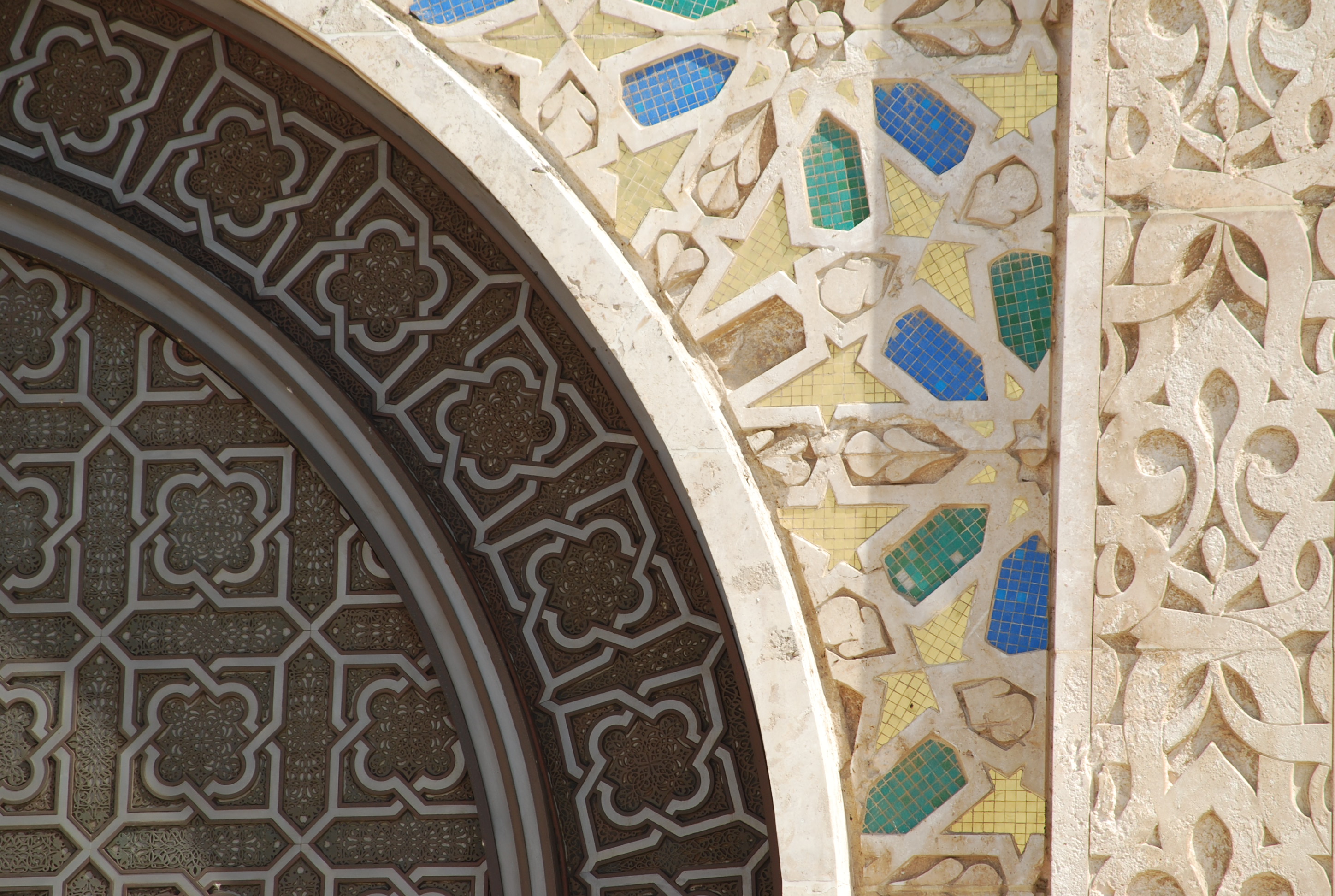
The color, design and attention to detail are just as mesmerizing outside:

Although the structure looks like it could have been built hundreds of years ago, it was actually completed in 1993. So, it also incorporates many modern features, like heated marble floors, a retractable roof and a laser beam that shines towards mecca from its minaret, the tallest in the world at 210 meters.

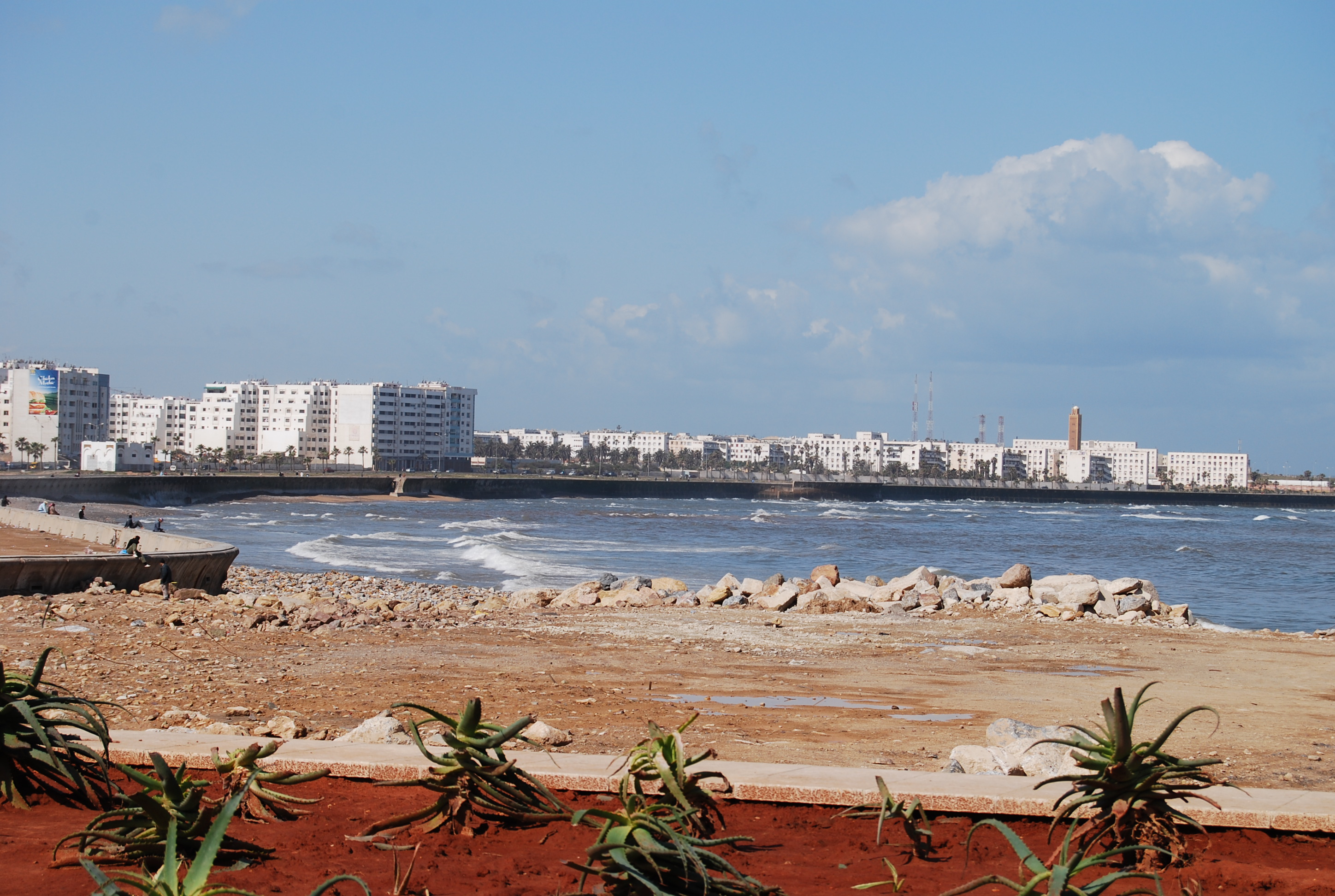
On our way back to the hotel, we stopped at the sqala, a fortification from the 18th century on the north side of the medina. There were panoramic views of the port and surrounding area:

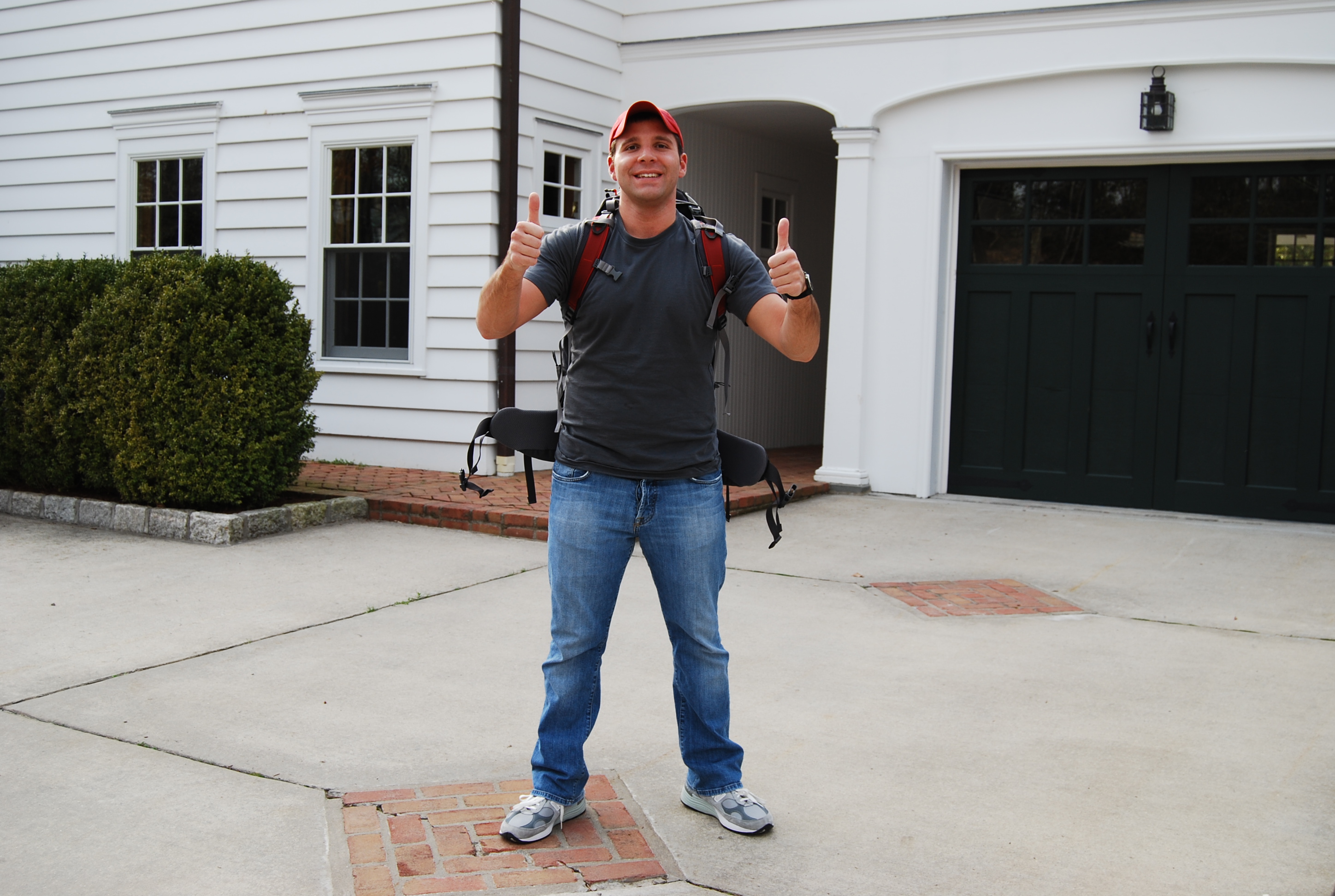
We had our cab driver take our picture before heading back to the hotel. You can see the Hassan II Mosque directly behind me.

Our train bound for Marrakech departs in an hour.

And I’m off!

Day 2
Casablanca, Morocco

It was a relatively uneventful trip from JFK to Morocco aboard Royal Air Maroc flight 7849. The plane wasn’t anywhere near full which allowed me to sprawl out across a couple of seats in the back and get a few hours of sleep. About 6.5 hours and 3,528 miles later we were touching down at Mohammed V Airport. It’s a pretty modern facility — although trying to communicate with the immigration officer made me realize that English is not widely spoken here.

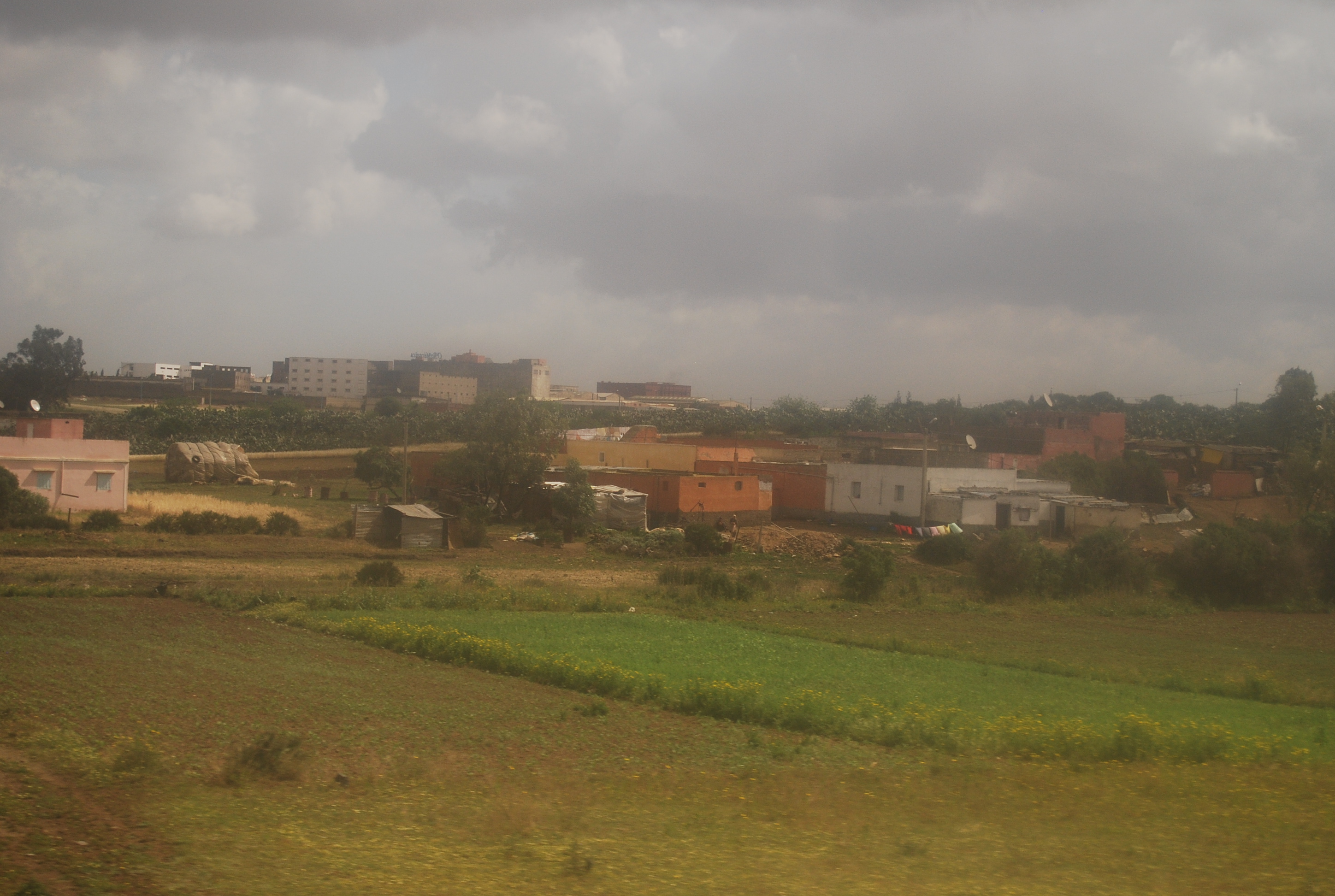
It was aboard the train from the airport that Casablanca’s huge disparity of wealth became apparent. We passed through mile after mile of tin towns with dilapidated buildings, roaming donkeys and garbage strewn everywhere.

Almost a third of Casablanca’s population lives in these types of settlements — many are without running water, power or sewage systems. Those who take up home here are beyond impoverished and largely ignored by the government. With little else, they are prone to be drawn to Islamic fundamentalism. In fact, the culprits in both the 2003 and 2007 Casablanca bombings have been identified as residents of Sidi Moumen, a shanty outside of town.

I’m staying at Hotel Ibis Moussafir Casablanca, which is conveniently located just a block away from Casa Voyaguers, the central train station. Once Charlotte arrives in the next hour or so, we’re going to walk around downtown Casablanca and then get dinner at a cliff-top restaurant overlooking the Atlantic Ocean near Phare d’el-Hank. Then tomorrow, we’re joining a tour of the Hassan II Mosque, the third largest mosque in the world and one of the few that allow access to non-Muslims. We’ll grab lunch in the city’s old medina (marketplace) before boarding our 4.5 hour train to Marrakech.

Packing for a RTW journey

1 day until departure
Rye, New York

It’s the question I’ve most frequently been asked: when going on a trip around the world, what in the world do you bring? Obviously, while carrying your life on your back, space is at a premium — although this isn’t the only challenge of packing for 80 days away from home. Temperatures throughout my trip will potentially fluctuate 50 degrees from one destination to the next, which means the fleece jacket I’ll need at night in Marrakech probably won’t be much good when the thermometer tops 100 in Luxor. My solution? Take only what is absolutely essential and can’t be purchased abroad and plan on having supplemental items brought and taken home by the family and friends meeting me along the way.

So, what made the list? Here’s the breakdown:

  • Clothing: 5 short-sleeve polos, 7 t’s, 2 long-sleeve t’s, 1 hooded sweatshirt, 2 button-down shirts, 2 pairs of jeans, 2 shorts, 2 khaki pants, 2 athletic shorts, 1 bathing suit, 1 sweat pant, 10 boxers, 10 socks, 1 rain jacket, 1 vest, 1 fleece jacket, 1 pair flip flops, 1 pair walking sneakers, 1 pair dress shoes, 2 baseball caps
  • Gadgets: Nikon D-40x camera, Canon Digital Elph SD-300, 2 gigabyte flash cards, electrical converter, Motorola international cell phone, iPod, earbuds, Powerbook G4, noise canceling headphones
  • Toiletries: Shampoo, tooth brush, tooth paste, deoderant, soap, shaving cream, razor, face wash
  • First-Aid kit: Band-aids, Neosporin, Tums, Immodium, Benadryl, Tylenol Cold, Tylenol Cold Multi-Symptom, Advil, Zyrtec, Scopace, Malarone, Ciprofloxacin
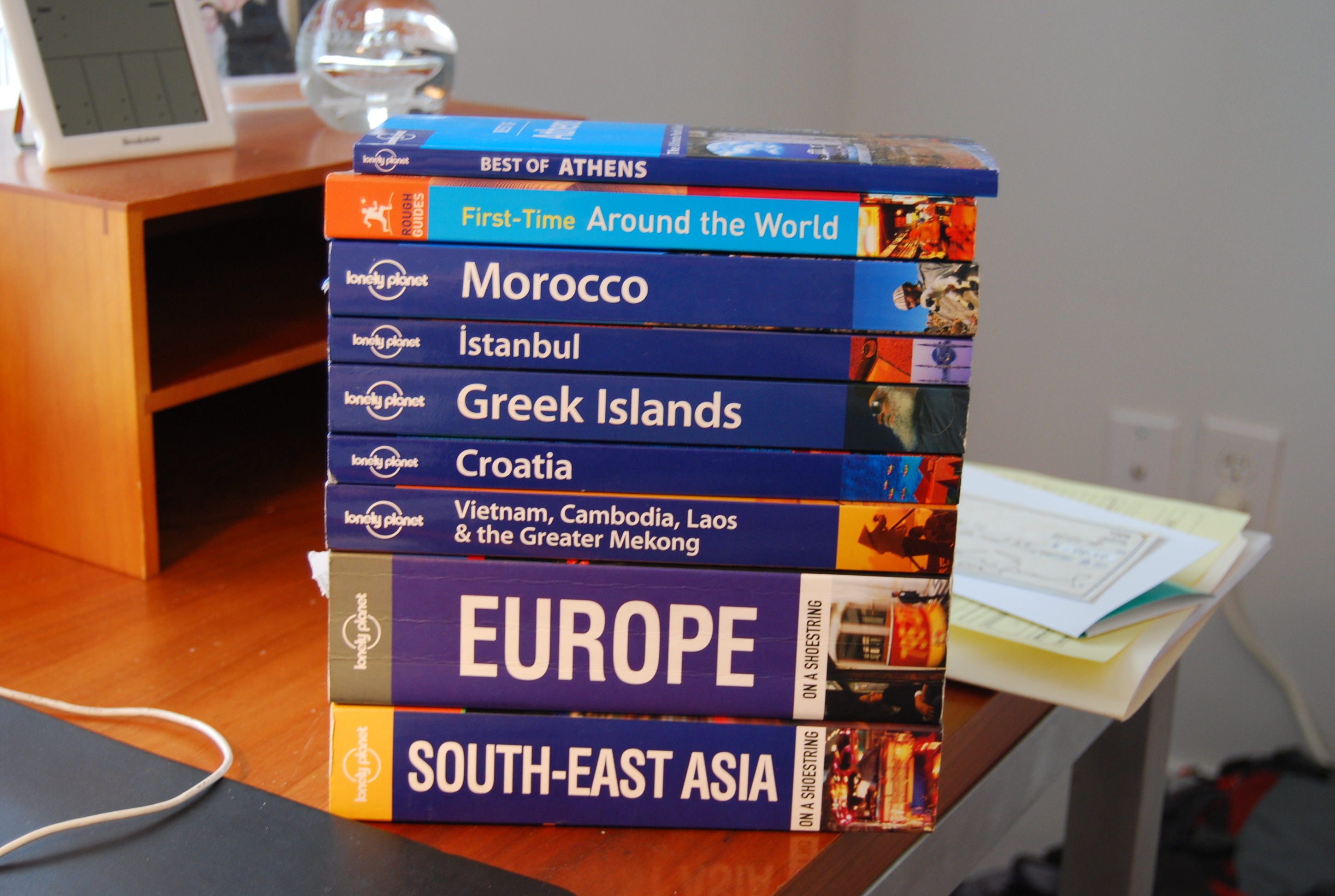
  • Misc.: Watch, journals, pens, guidebooks

Earlier this afternoon, with everything in front of me, I snapped a picture:

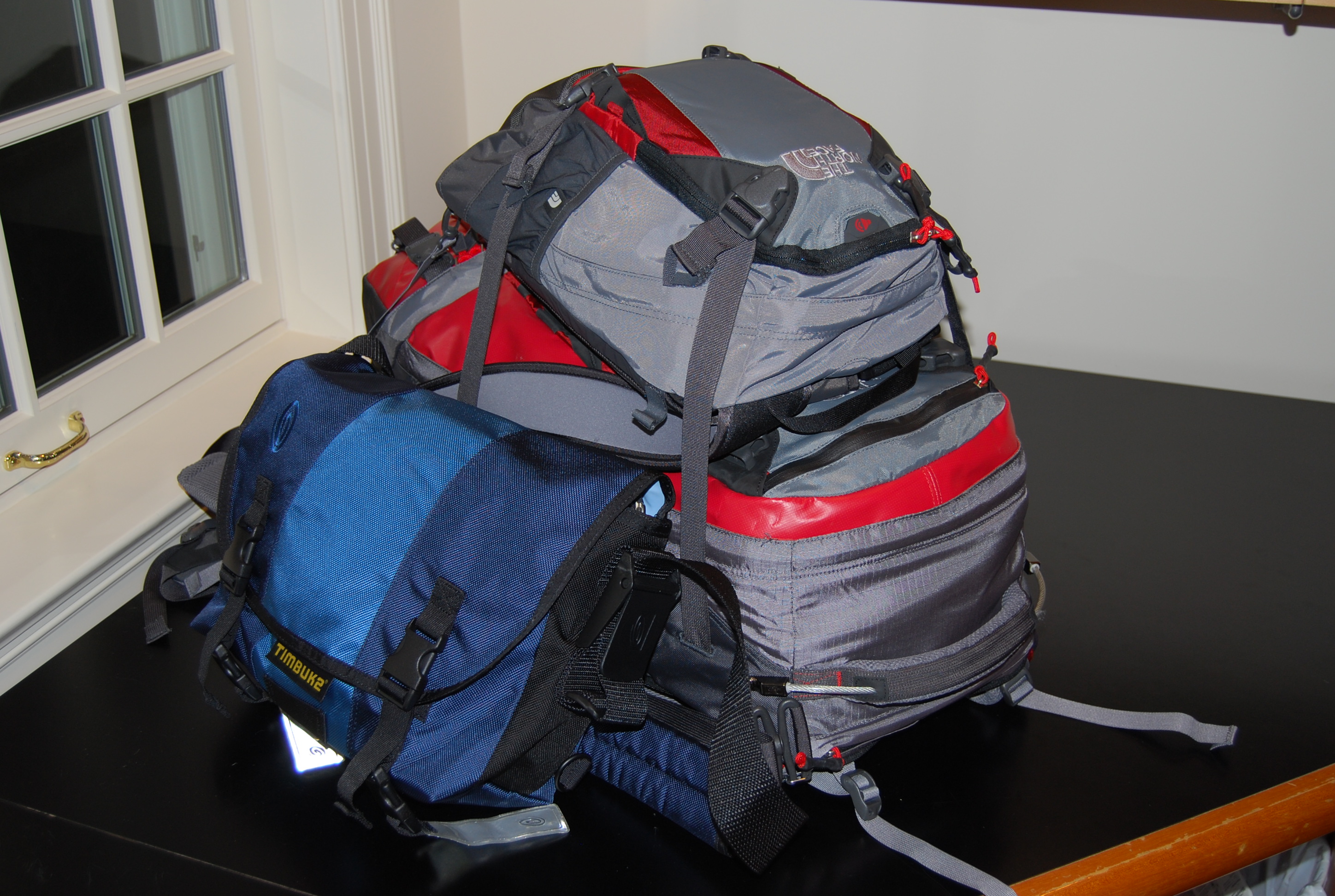
It looks like a lot. Thankfully, Eagle Creek makes some fantastic travel gear — and a few of their stuff sacks and compression bags turned all of that into this:


Then, it all got placed in my North Face Backtrack 70 and Timbuk2 messenger bag:

My whole life for the next 2.5 months is in those bags. Crazy, right?

The destinations

A handful of plane tickets

2 days until departure
Rye, New York

Deciding where to stop on a trip around the world involves a whole lot more than pointing a finger at a spinning globe or chucking a couple of darts at a wall map. In reality, selecting destinations is almost a complex algorithm – although one that doesn’t require a Kaplan GMAT course to solve. (Thankfully.)

I started by drawing up a list of places that I’d long wanted to see but had never had the chance to. There was the exotic (Tahiti), the adventurous (Iceland) and the urban (Tokyo). With almost two notebook pages filled with destinations, it was time to start whittling the list down. Far-flung locales, like South Africa, were knocked off since 80 days of travel didn’t allow for many long-distance flights. Larger countries that would be impossible to give justice to in a couple of days, like India, got scratched off next. Then, those that would present difficult language barriers (South Korea) or demolish my budget (Moscow) hit the cutting room floor.

When all was said and done, I’d narrowed it to fourteen countries. Here’s the run down:

  • Morocco
  • Spain
  • Croatia
  • Greece
  • Turkey
  • Egypt
  • United Arab Emirates (Dubai)
  • China
  • Thailand
  • Malaysia
  • Singapore
  • Cambodia
  • Laos
  • Vietnam

I’ll have around a week in each, which isn’t much time to cut through the t-shirt shops and tourist traps and really dig to the bottom of a place and understand what it is that makes it tick. But it sure won’t be a bad place to start.

I’m going around the world in 80 days

3 days until departure
Washington, D.C.

Marc keeps Lonely Planet in business

As many of you have heard, after nearly three years in D.C., I’ve moved to Chapel Hill, North Carolina to pursue my MBA at UNC Kenan-Flagler Business School. With the start of classes still a couple months away, I’m leaving later this week on something I’ve always dreamt of doing: taking a trip around the world.

Call me a modern-day Phileas Fogg.

With a flight out of New York JFK on Thursday night, I’ll embark on an 80-day journey that will bring me to 14 countries and dozens of cities (from Aswan, Egypt to Xi’an, China) across the globe. I’ll stay at riads, hostels, hotels, guest-houses and resorts and travel by train, car, ferry, bus, taxi, junk boat, felucca, funicular, camel, elephant, hot air balloon, cable car and foot. All told, I’ll take 22 domestic and international flights and have my passport stamped around 30 times. And, along the way, I’ll have the amazing opportunity to explore the cultures, customs, foods and sights (including 25 UNESCO World Heritage Sites) of countries I’ve never stepped foot in before – all with different friends and family members to experience it with.

Preparing for a trip like this in about 30 days has been a crash course in RTW travel. My flights were purchased with the assistance of AirTreks, an agency in San Francisco that specializes in these types of airfares. I’ve got insurance through Travelex and obtained advance visas from the embassies of China, Vietnam and Cambodia (visas for Turkey, Egypt and Laos are purchased upon arrival). Arlington, Virginia-based Capitol Travel Medicine has vaccinated me against hepatitis A, typhoid, tetanus and malaria. To keep in touch, I’ve signed up for an international cell phone through Telestial and am staying at accommodation with Wifi hotspots in order to check Gmail and chronicle my trip on my blog.

In less than 72 hours, I’ll be en route to Casablanca, Morocco.

Here we go.

Hot dogs from a vending machine?

Washington, D.C.

Photo by Marc Zawel for Express

The venerable vending machine has come a long way from its days as a dispenser of caffeinated beverages and sugary snacks to D.C’s office workers. First, there was the arrival of high-tech machines at Dulles International Airport that allowed flight-boarding commuters and travelers to purchase Apple iPods and accessories with the swipe of a credit card.

Now, Alexandria-based LHD Vending Systems has its eyes set on a new and unusual, product: freshly grilled hot dogs.

Love ’em? Hate ’em? My taste test verdict in today’s Express.

Where urban luxury meets suburban blandness

Washington, D.C.

2008-02-06-ritz3-450.jpg

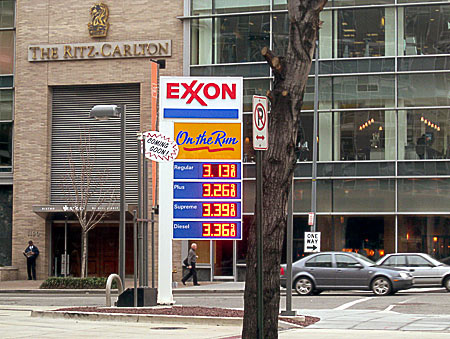
Eric Ripert’s WestEnd Bistro, located inside the Ritz-Carlton hotel at M and 22nd street NW, has had all the makings of a D.C. hot spot since opening last November. There’s a celebrity chef, trendy $13 cocktails, locally sourced dishes — and views of an Exxon gas station?

Check out the latest in today’s Express.