Extreme Kiwi ecosystems

Queenstown, New Zealand

Our hotel balcony revealed Franz Josef Glacier shrouded in low-hanging clouds this morning. We celebrated our good luck with yesterday’s weather before some French toast in the dining room. After bidding farewell to Count Hostess, we packed up the Toyota for our journey south.

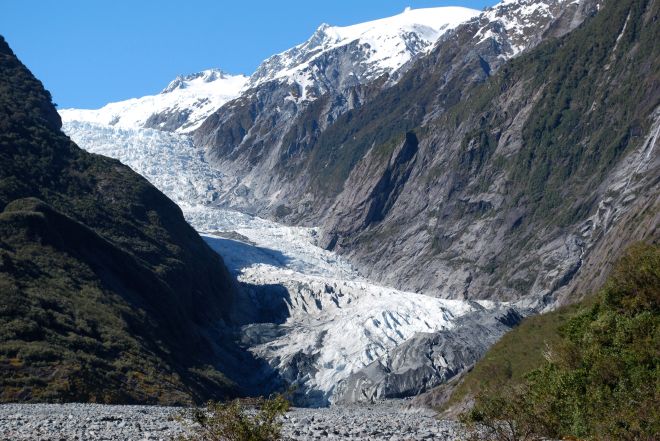
After about 20 minutes, we arrived at Lake Matheson, which didn’t offer the promised spectacular reflective view of Mt. Cook. But nearby, a path of clear blue skies stood over Fox Glacier, the 13-kilometer little sibling to Franz Josef. With our stop at the terminal face, I’ve now visited the only three glaciers — Fox, Franz Josef and Perito Moreno in Argentina — that are located along a coastline, according to New Zealand’s Department of Conservation.

DSC_0035

DSC_0035

DSC_0035

DSC_0035

We were not up for trekking again (still aching from the day before) so we continued onward to Haast, a town hugging the Tasman Sea coastline. Between the water, sky and crashing surf, it felt like we had stumbled upon a tropical paradise.
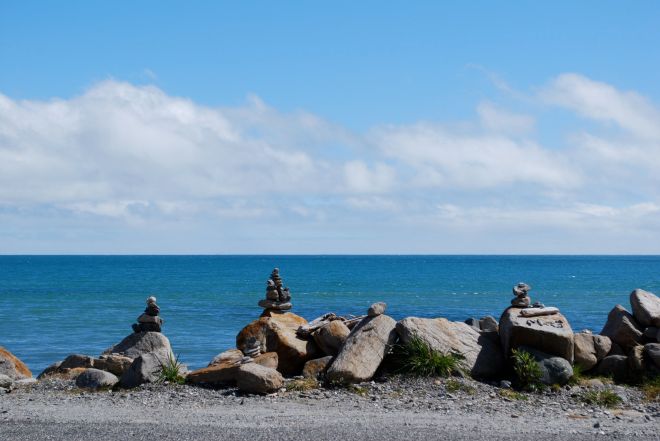
DSC_0035

DSC_0035

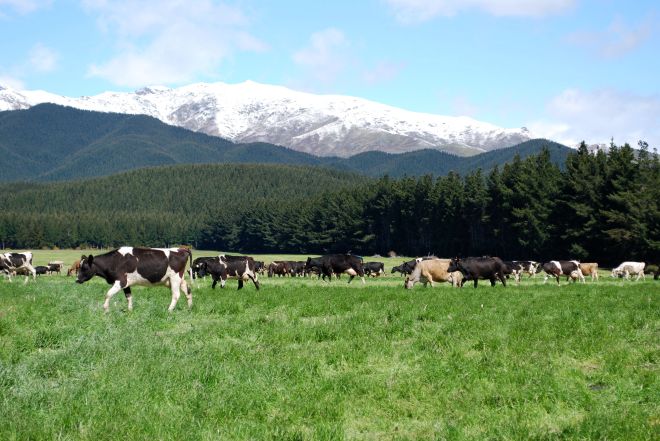
Over the Haast Pass, the terrain rapidly changed as we passed Mount Aspiring National Park, with its snow-capped mountains towering over cattle and sheep grazing on verdant, rolling green hills.

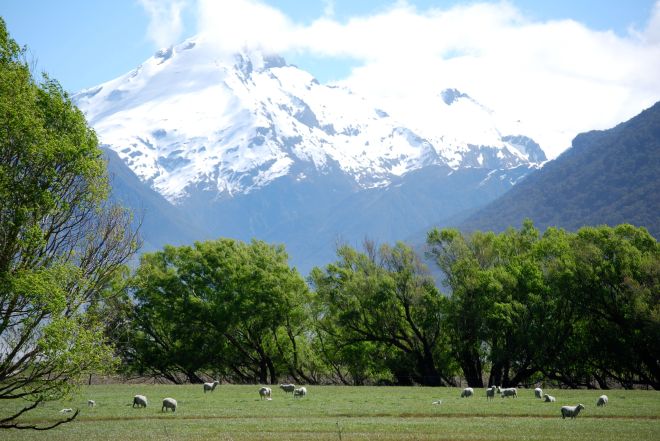
DSC_0035

DSC_0035

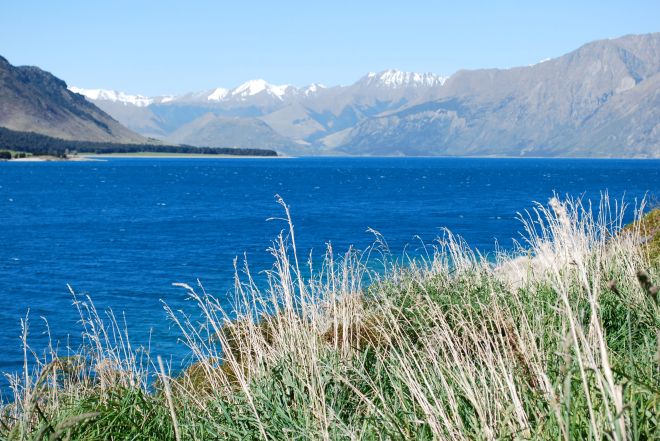
Beyond sat majestic Lake Wanaka, with its shimmering blue waters and undeveloped lands.

DSC_0035

DSC_0035

DSC_0035

Just when we thought the setting could not get any more spectacular, we climbed the Cardrona Pass and entered the arid, brown desert hills.
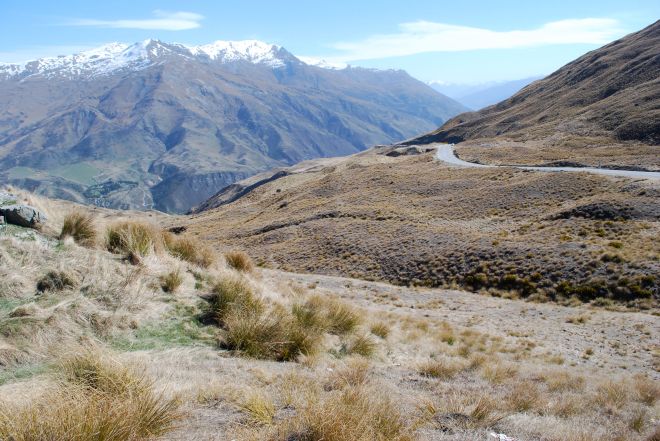
DSC_0035

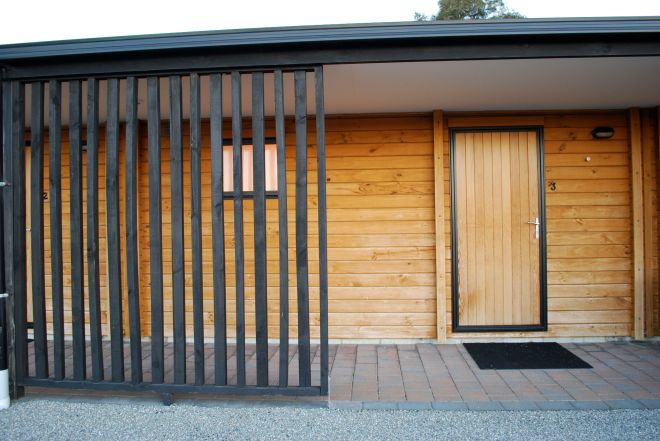
We completed our 400-kilometer journey in Queenstown shortly thereafter, slamming into the curb before turning into the parking lot of our hotel, the Queenstown Park. The modern exterior blended into the hillside while the lobby overlooked a nearby rugby pitch.
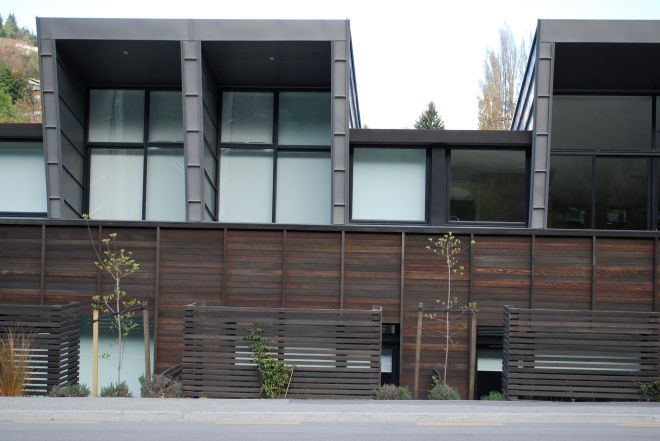
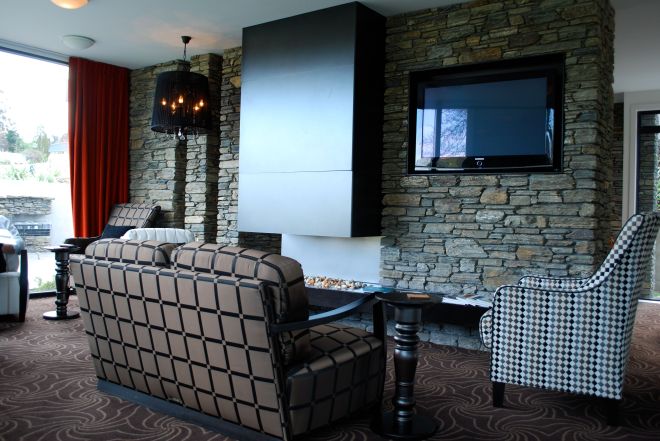
DSC_0035

DSC_0035

DSC_0035

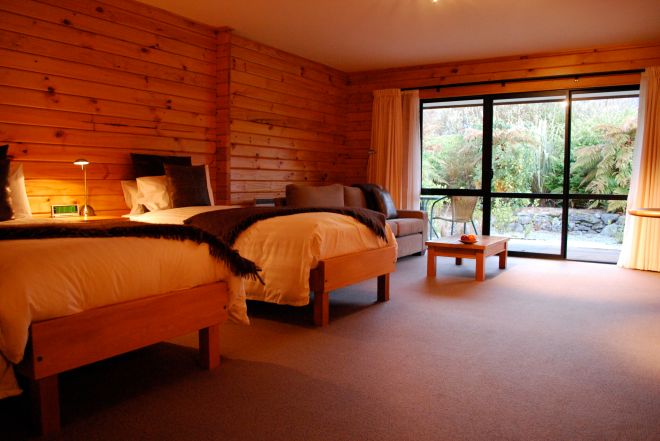
The owner showed us to our spacious twin room, which was simple and warm, with cool bedside control systems for the lights and shades.
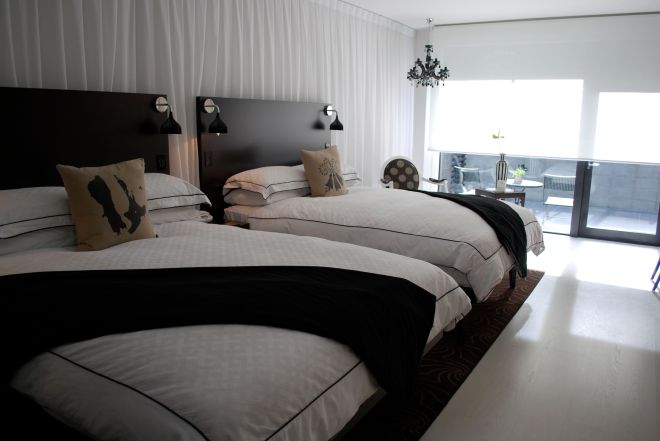
DSC_0035

DSC_0035

DSC_0035

Our room looked out on the Skyline Gondola, so we decided to take the trip as the sun started to set. From the summit were fantastic views of this city of just 9,000 residents — in a location and surrounding that could be tough to top.
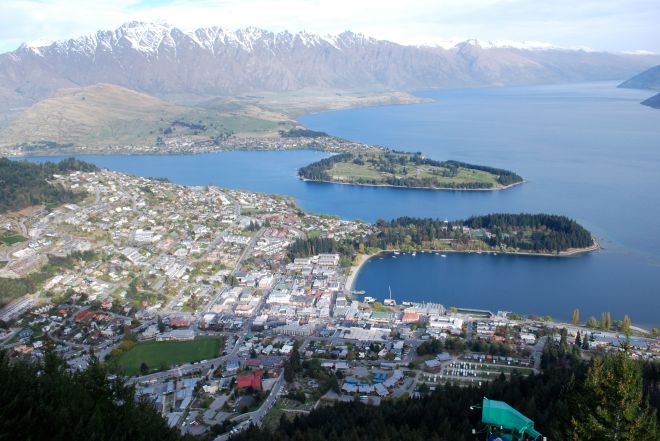
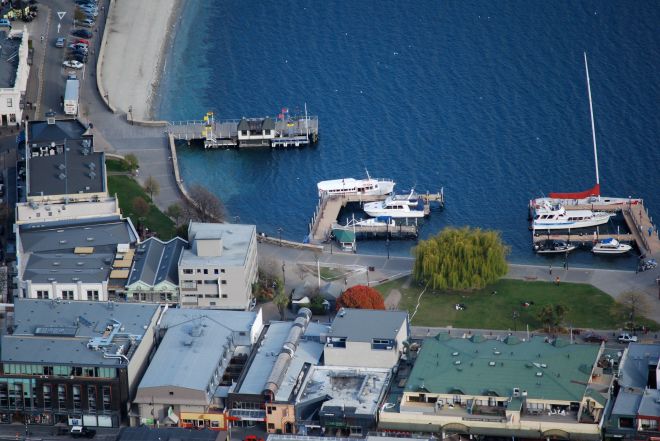
DSC_0035

DSC_0035

DSC_0035

At the hotel’s suggestion, we ate at Fishbone, a casual yet delicious seafood restaurant on the downtown mall. Funny enough, we had visited all of the local sources of our dinner: Havelock (green-lipped mussels), Nelson (scallops), Greymouth (Hoki and prawns).

Sitting back afterward, we reflected on our day that had started at the base of a glacier. Five hours later, we had seen just about every extreme ecosystem New Zealand could throw at us — mountains, lakes, deserts, oceans and forests.

What an amazing country this is.
Tramping Franz Josef Glacier

Franz Josef Village, New Zealand

This area is notorious for having some of the rainiest, most variable, weather in all of New Zealand. The “southerlies” — those winds coming from the Arctic — hit the country and the Southern Alps, trapping precipitation on the West Coast.

Yet, the Maori Gods were looking down on us this morning. Not a cloud was in the sky as Franz Josef Glacier sat majestically in the distance.

After Sarah McLaughlin serenaded our hot eggs breakfasts, we made the quick drive into the village for our full day adventure with Franz Josef Glacier Guides. The trip included boots, jackets, hats and gloves. Having learned my lesson in Argentina earlier this year, however, we came fully prepared — and only needed the crampons.
It was a 10-minute ride to the car park and then a short walk to Franz Josef, which is 23 kilometers long. Flowing from the Southern Alps, it is unique in that it descends to less than 300 meters above sea level. Strangely enough, this has created a green and lush surrounding temperate rain forest that abuts the glacier.

DSC_0035

We walked the 2 kilometers to the glacier’s edge, stepping past the menacing warning signs and strapping the crampons to our boots.

DSC_0035

Earlier this year, in El Calafate, Argentina, I’d gone on a similar glacier trip on Perito Moreno. We had walked along the moraine before climbing onto the largely flat ice and spending the day exploring the surface. This New Zealand experience, we learned, would be much more extreme.

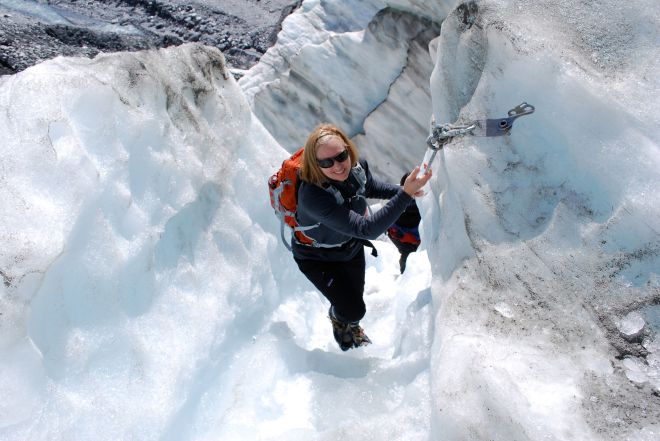
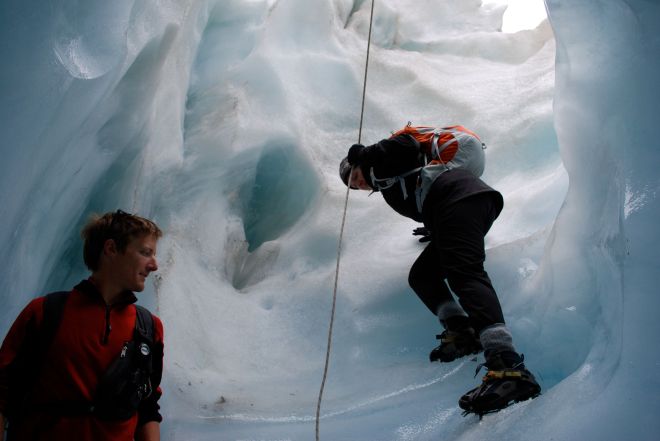
We approached the glacier directly, climbing the steep ice “waves” — literally, walls of ice — as our guide used a pick ax to cut a navigable path. Ice screws and ropes were used for support.

DSC_0035

DSC_0035

DSC_0035

DSC_0035

DSC_0035

We pushed deeper toward Franz Josef’s center, closely following advance groups that scouted ahead for safe routes to take.

DSC_0035

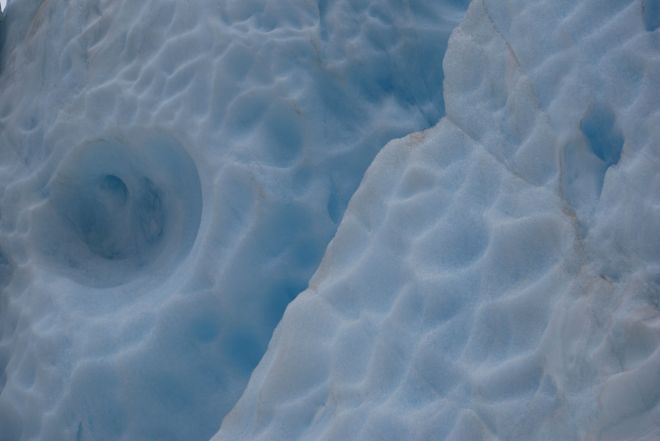
At one point, we followed our guide, Rob, into a steep melting glacial cave. The immense pressure had turned the ice into a dark blue color.

DSC_0035

DSC_0035

DSC_0035

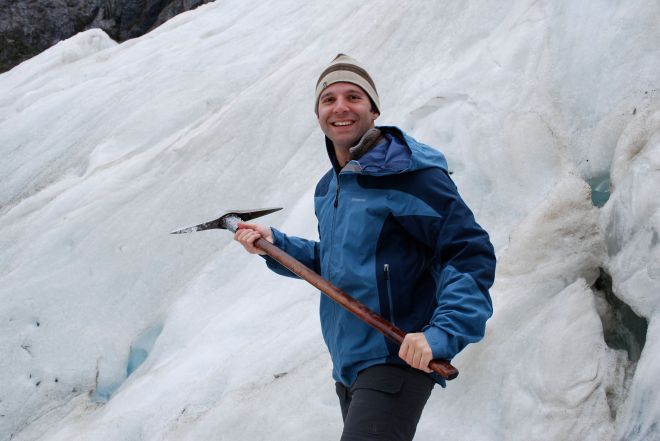
While Rob was off helping another group, he put me in charge of the ax which was aimlessly and pointlessly hacked into the ice several times by yours truly.

DSC_0035

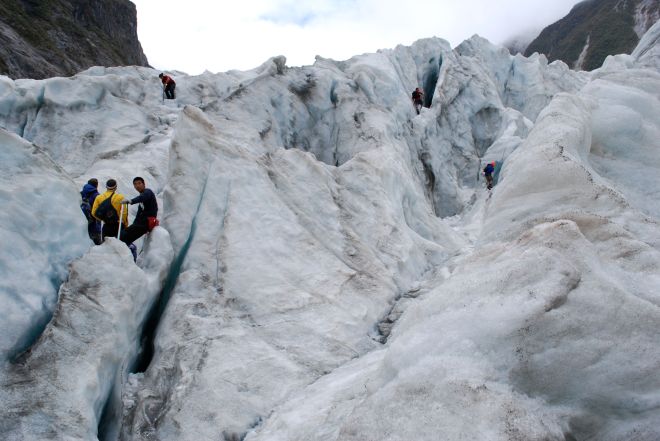
Walking back after 14 kilometers to reach the glacier’s mid section, it was easy to see how easily perspectives could be distorted. Glaciers are just so huge that everything around them starts to look small. But all it takes is a reference point — in this case, people — to get a better sense.

DSC_0035

It was an eerily silent ride back on the bus as we all rubbed our feet and tried to decompress. Two Japanese tourists sitting next to me managed to fall asleep. It was clear that we would all be paying for this day’s excursion at some point.

If not now, then soon.

Onward to the Wild West Coast

Franz Josef Village, New Zealand

The storms had cleared and the sun reemerged as we packed up the red Camry this morning. Breakfast, a toasted bagel and smoked salmon, was accompanied by show tunes blaring from the hotel’s restaurant. I’m now confident to state that I’ve got no interest in seeing Show Boat.

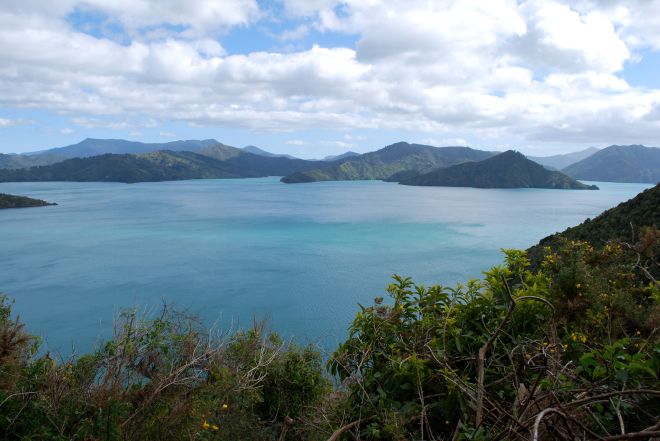
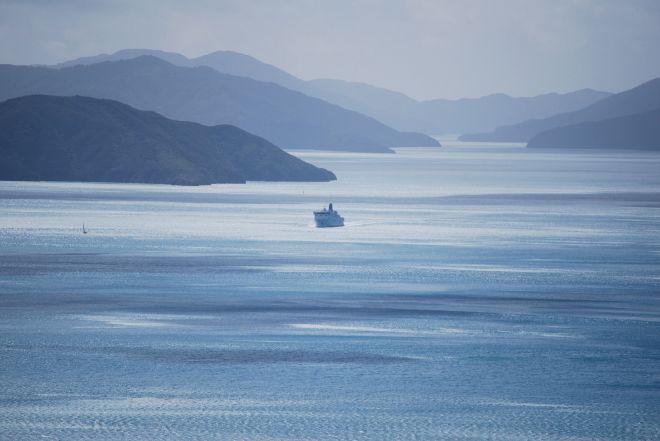
A little before 9 a.m., we set out for Picton, about 30 minutes north of Blenheim. The city is not only the arrival point for the Interislander, the ferry from Wellington, but also home to Queen Charlotte Sound. The sound is the easternmost of the Marlborough Sounds and is a ria, or drowned river valley. The clear turquoise waters, reflecting the blue skies, were nearly stagnant, framed by the steep, lush mountainsides.

DSC_0035

DSC_0035

We hiked along the Snout Track, which offered spectacular lookouts along the way, and terminated at Queen Charlotte View, where it was almost possible to see the Cook Strait in the distance. Occasionally, boats plowed rippled across the Sound. Perched high above it all, they appeared almost miniature.

DSC_0443

DSC_0035

On our way from Picton, we drove along Queen Charlotte Drive, a picturesque back-road that wound its way through the mountainside, offering one tremendous view after the next. It brought us to Havelock, where we were tempted to order more mussels.

DSC_0035

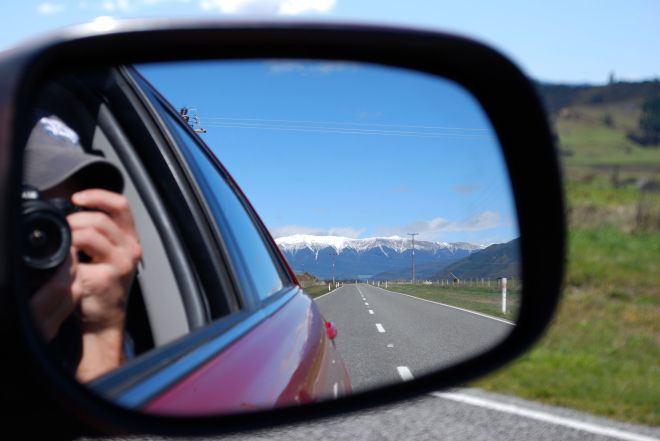
From Havelock, we began our 515-kilometer drive across the South Island to the West Coast. The scenery quickly changed as we left the wineries of Marlborough behind us and tackled the increasingly alpine landscape. Roads were nearly empty and the setting had us shaking our heads. Could the next turn or ridge offer something even more beautiful?

DSC_0035

DSC_0035

DSC_0035

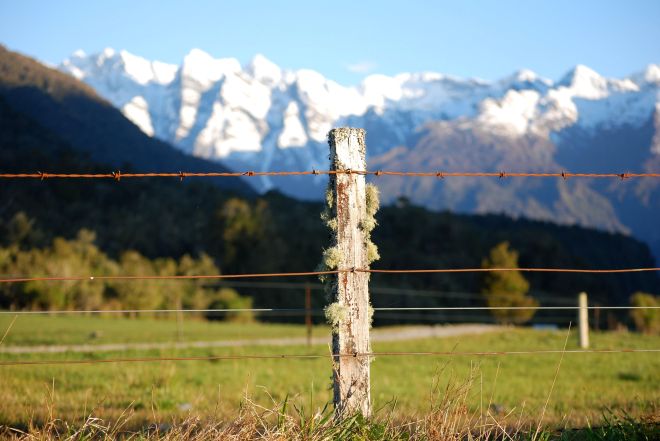
We refueled in Murchison before passing through Greymouth and Hokitka, hugging the coastal highway that ran parallel to the Tasman Sea. As we approached Franz Josef, the iconic Southern Alps came into view, including Mt. Cook, the highest in New Zealand.

DSC_0035

DSC_0484

DSC_0035

The parking lot of our accommodation here, the Westwood Lodge, finally came into view at around 7:30 p.m. We were met by the hostess who didn’t offer the most welcoming of gestures but still, our room was comfortable. It felt like an updated log cabin; from our deck were views of the nearby glacier. A fire warmed the lodge’s main living area.

DSC_0035

DSC_0035

DSC_0035

DSC_0035

DSC_0035

Dinner was at Priya, an Indian restaurant in town. It was surprisingly decent, although given the spice, it probably wouldn’t have made much of a difference. We went to bed early, keeping our fingers crossed for good weather. Tomorrow, we hike the glacier.

Toasting Sauvignon Blanc

Blenheim, New Zealand

They say that Nelson is one of the sunniest cities in all of New Zealand.

Not this morning.

The rain came down in sheets as clouds swirled menacingly over the Tasman Sea. We sat around our space heaters to stay warm while eating our host’s homemade muesli and some scrambled eggs with hearty toast for breakfast.

By 11 a.m., the rain had still not let up. We weren’t going to spend the day waiting for it to clear so we loaded the car for an hour’s drive south to Blenheim, the heart of Marlborough — this country’s wine region.

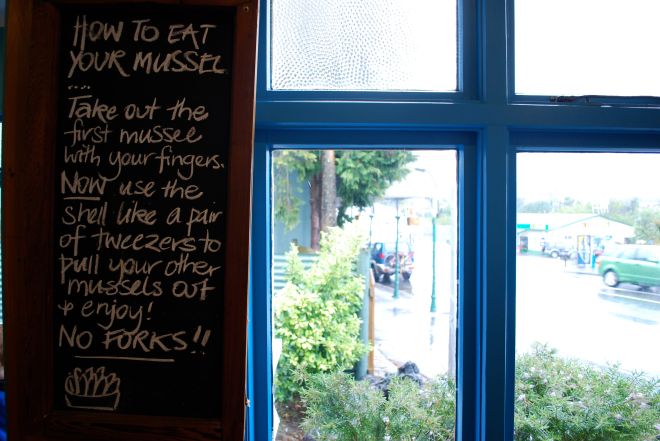
Cutting back and forth over mountain passes, in limited visibility, and from the left lane was quite the adventure. En route, we passed through the tiny village of Havelock (population 470), the self-proclaimed “Greenshell Mussel Capital of the World.” We had to give them a go so we stopped at the Mussel Pot for an order steamed in white wine, garlic and herbs.

DSC_0035

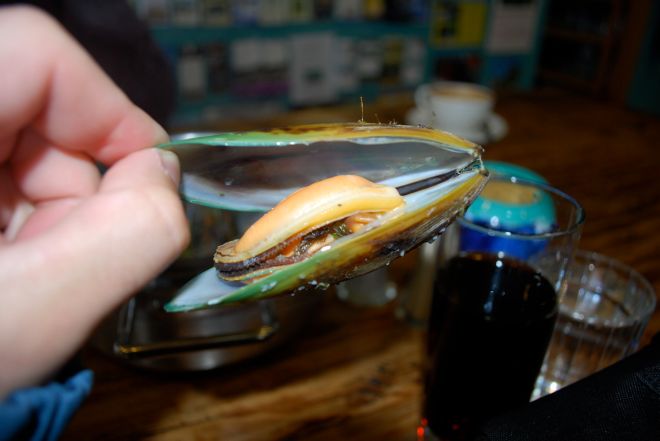
The gigantic mussels lived up to their reputation — we estimated them at three times the size of those typically served in the States.

DSC_0035

DSC_0035

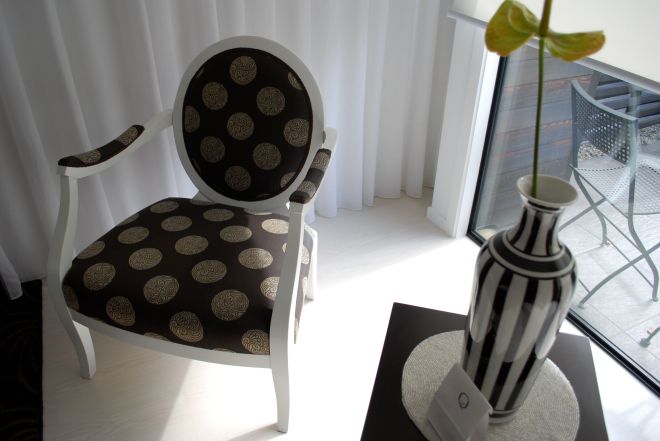
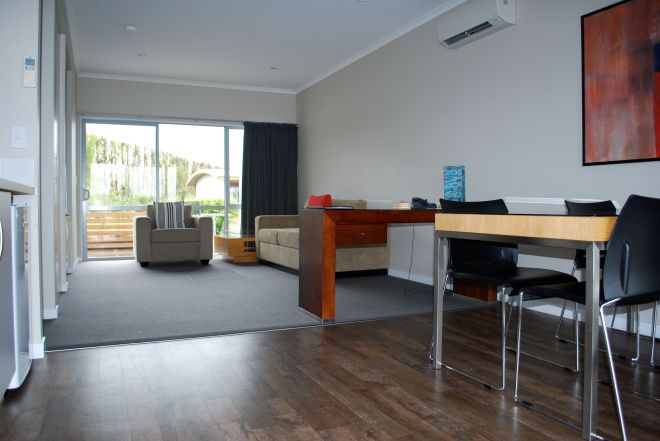
It wasn’t much further to our accommodation outside of Blenheim, the Marlborough Vintners Hotel. Our spacious twin room had lots of black-grey-white furnishings and a small kitchenette.

DSC_0035

DSC_0035

DSC_0035

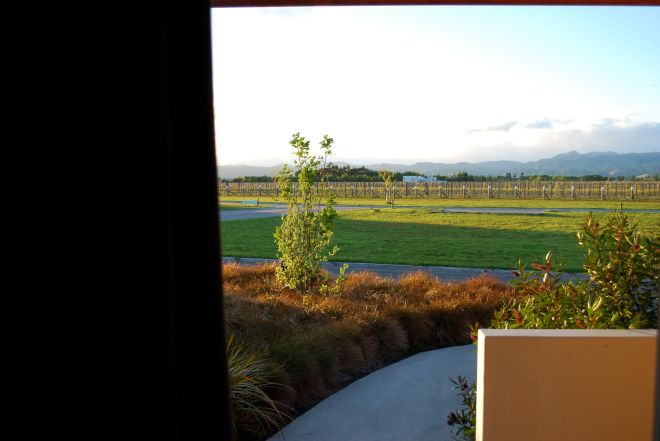
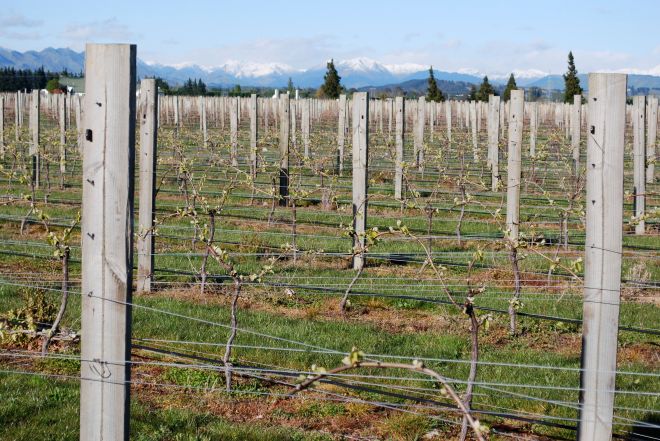
But the real highlight was the views from our living room of the surrounding vineyards and snow-capped towering mountains in the distance.

DSC_0035

DSC_0035

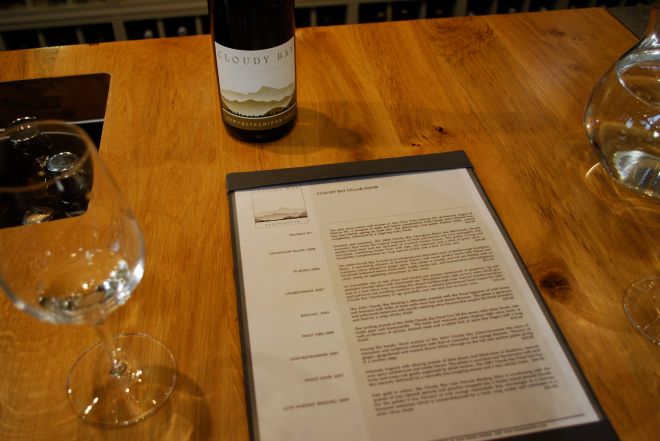
Dropping off our bags, we got to the matter at hand: tasting wine. Marlborough is New Zealand’s premier wine region and home to the acclaimed Sauvignon Blanc. Our first stop was Cloudy Bay, the vineyard that put this country’s wine on the international map. A fire roared in the contemporary tasting room as the friendly hostess walked us through the many delicious varietals.

DSC_0035

DSC_0035

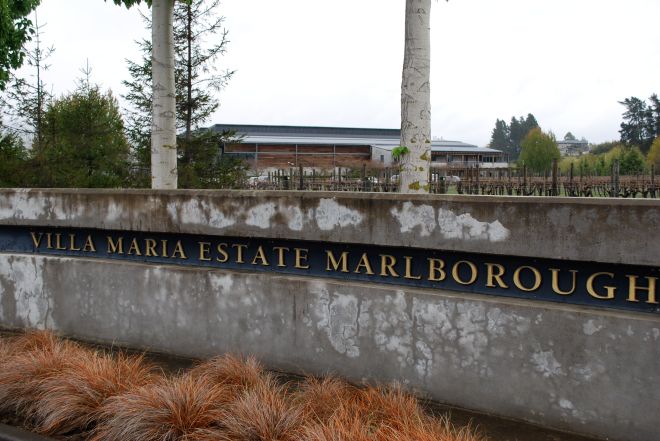
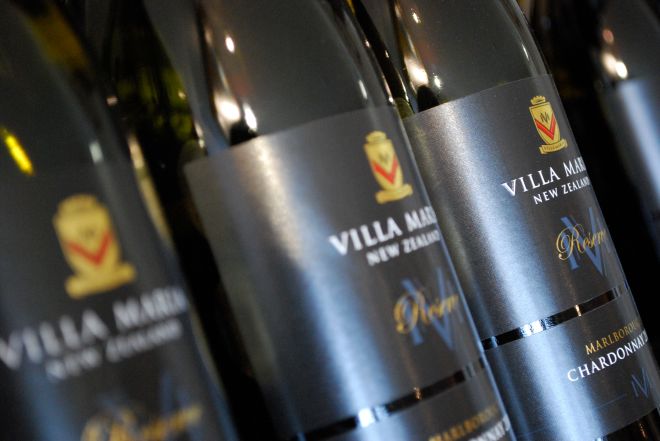
From there, we moved onto Villa Maria, whose wine we didn’t feel stacked up to that of Cloudy Bay. Still, it certainly wasn’t Peter Vella.

DSC_0035

DSC_0035

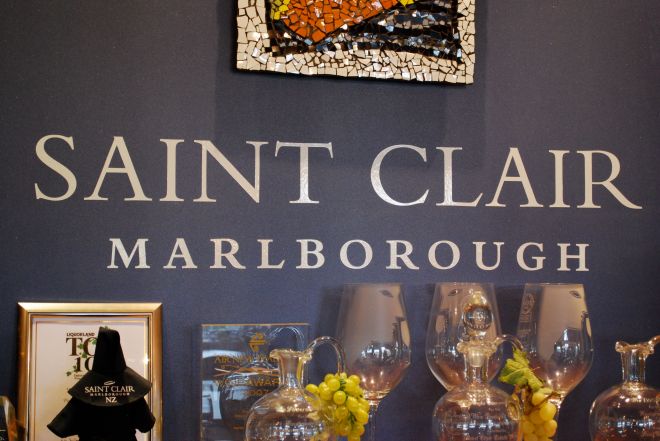
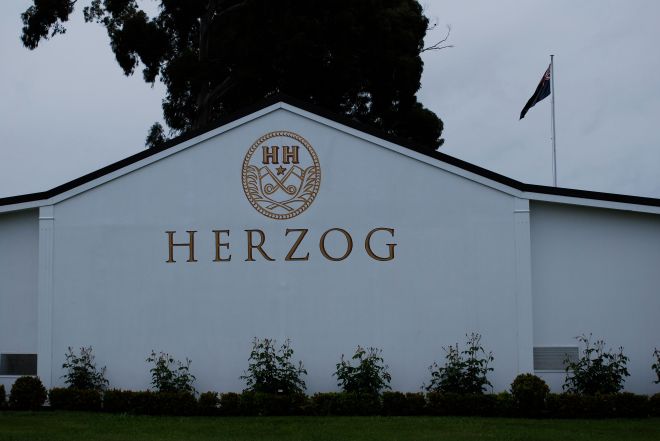
Not far down the road was Saint Clair, Hunter’s and Herzog Estate, the only place that charged a tasting fee — which we agreed was worth it. Unfortunately, Fairhall Downs, a small, family-run vineyard we had hoped to visit, was closed. Tasting a bottle of Pinot Noir later in the day, we agreed that we had not missed much there.

DSC_0035

DSC_0035

We were pretty beat from our day’s tasting so opted to pick up a freshly baked baguette, some cheese and the aforementioned wine and self-cater the evening’s meal.

Sometimes simplicity is best.

Kayaking Abel Tasman National Park

Nelson, New Zealand

Abel Tasman is this country’s most visited national park. It sits about 90 minutes north of Nelson, encompassing pine forests and marble and limestone hills extending from Kahurangi National Park. The best way to see and truly experience the park, however, is from the water.

This morning, we set out to do just that.

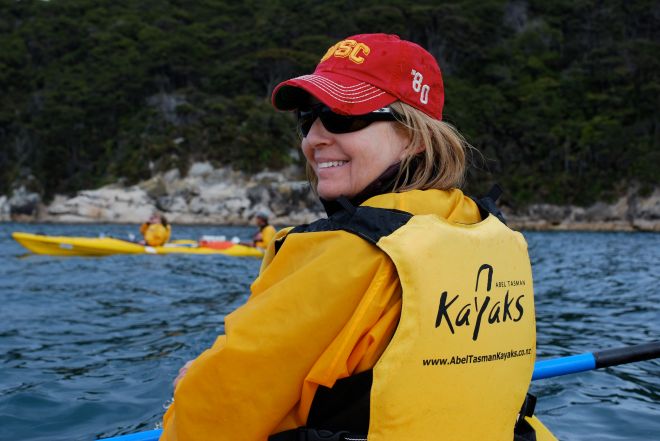
We drove past farmhouses billowing smoke from their chimneys and cattle lying on frosted grass as the sun slowly broke across the horizon. Our destination was Marahau, a small seaside village, where we checked in with Abel Tasman Kayaks. We met our guide, Josh, who happily informed us that we had been upgraded to their “Seals & Remote Coast” trip. With just one other guest, we anticipated a quiet day out on the water.

A tractor hauled our water taxi over the low-tide sand barges before the engines were fired up for the 25-minute ride to Onetahuti Beach — where we got hardcore geared up.

DSC_0035

DSC_0035

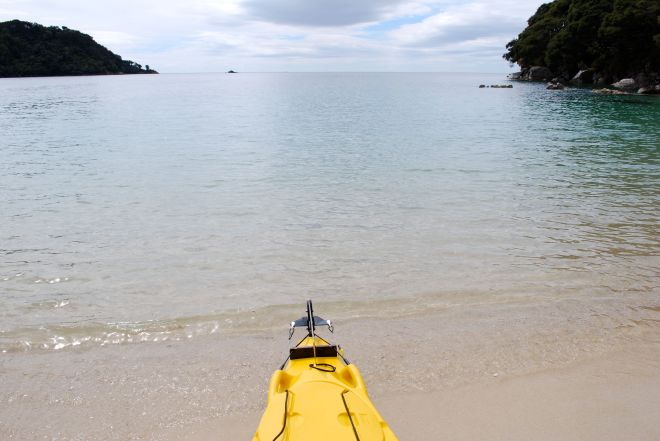
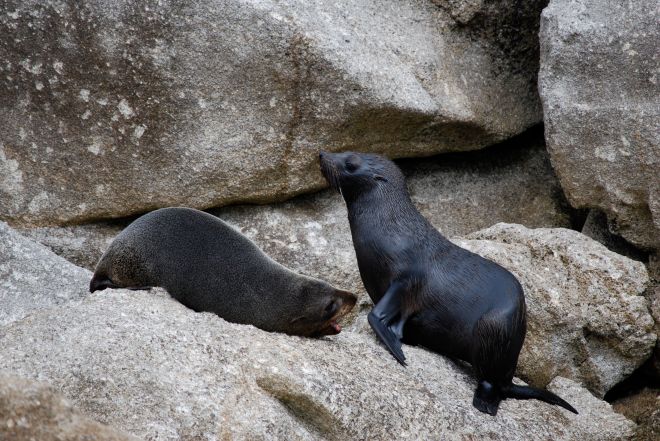
Setting out for Tonga Island, a light wind rippled across the Tasman Sea. We were met by a colony of seals basking on the rocks as well as various sea birds.

DSC_0035

DSC_0035

DSC_0035

DSC_0035

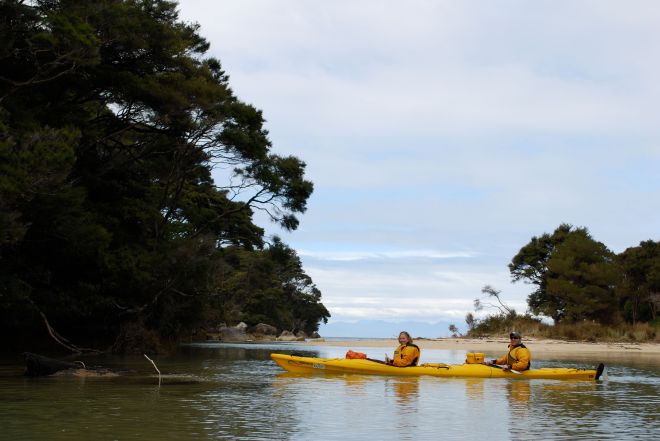
We continued south to Bark Bay, cruising the waters of sheltered coves, passing secluded beaches and coming upon a pod of dolphins hunting for food.

DSC_0035

DSC_0035

After lunch, the wind picked up and the clouds started to roll in. Without much choice, we continued paddling on our 14-kilometer trip, holding out hope that the rain would wait.

DSC_0035

DSC_0035

DSC_0035

As we approached Anchorage and Torrent Bay, the skies opened up. Josh, our guide, jerry-rigged a sail to our kayaks that pushed us to shore — spotting a blue penguin en route — where we warmed up in a shelter with tea and shortbread cookies.

After a water taxi returned us to base camp, we drove back to Nelson, already feeling our muscles starting to stiffen. We stopped at Hot Rock and picked up two thin crust pizzas, including one topped with marinated lamb, spinach, tomato and rosemary infused olive oil. That, and getting some laundry done, was the perfect way to decompress after a day at sea.

From North to South

Nelson, New Zealand

Relish, a small café in town, served up gigantic blueberry-chocolate-nut muffins for our drive to Wai-O-Tapu this morning. It was another sunny day as we climbed rolling green hills, passing grazing sheep and cows, on the 25-minute trip outside of Rotorua.

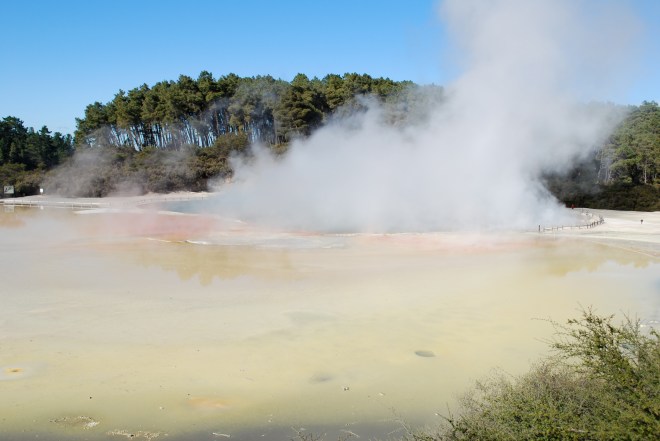
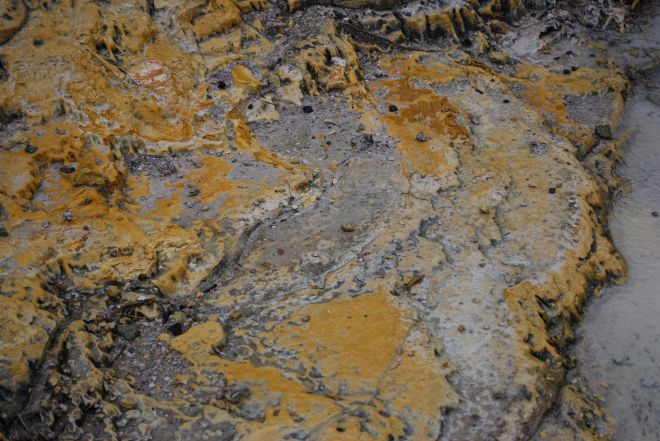
Wai-O-Tapu is a geothermal “wonderland” that showcases many of this region’s phenomena. We started at the Champagne Pool, formed 700 years ago by a hydrothermal eruption, with its bright orange sinter ledges. The various colors are natural and caused by varying mineral deposits, like silica, sulphur, manganese oxide and iron oxide.

DSC_0035

DSC_0035

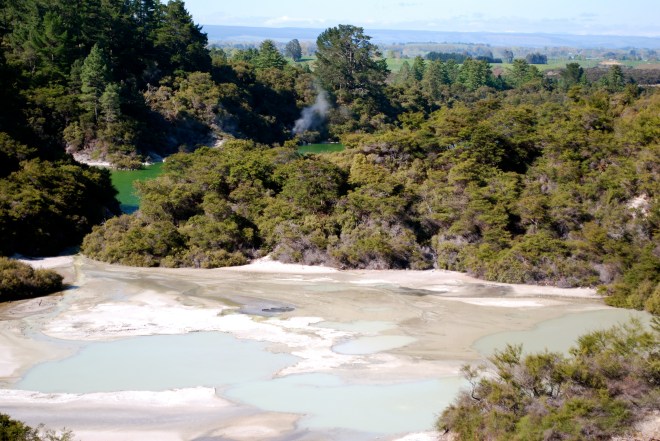
From a lookout, we took in Lake Ngakoro, a rich green body of water with rising steam indicating its activity. Kaingora Forest, the largest man-made forest in the southern hemisphere, along with the cooling tower of the Ohaaki geothermal power station sat off in the distance.

DSC_0035

DSC_0035

Passing glistening terraces (formed by silica deposits), we walked along a boardwalk to an empty portion of the park.

DSC_0035

DSC_0035

On our way out, we stopped at the nuclear green Devil’s Bath, whose color is the result of excess water from the Champagne Pool mixing with sulphur and ferrous salts.

DSC_0035

Rotorua Airport was quiet when we arrived. We were surprised that the Air New Zealand service rep didn’t ask us for identification before happily printing out our boarding passes. We were even more surprised when passengers subsequently streamed onto the airplane without a single security screening — not a metal detector, not a bag search, not a pat down. Nothing. In all my travels around this world, this flying experience was, by far, the most laid back.

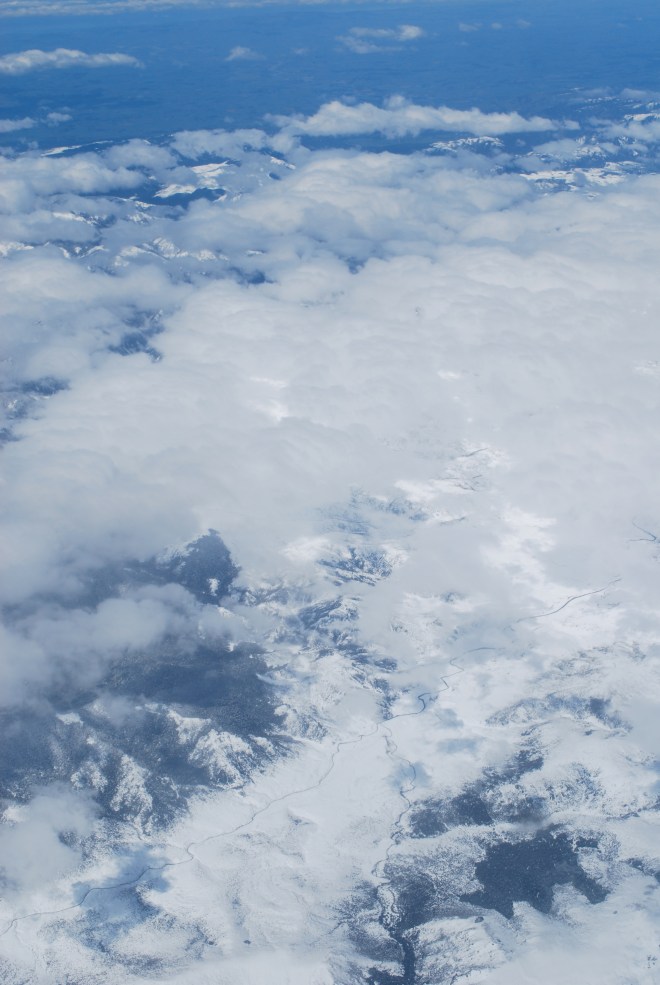
Our propeller plane didn’t climb high, offering views of farms and the late spring snow blanketing the countryside.

DSC_0035

DSC_0035

After a short layover in Wellington, we arrived in Nelson, a seaside town of about 50,000 on the South Island. We picked up another Toyota and drove to Villa 10, a loft that we’re renting for the next few days. The apartment was more than we could ask for — with views over the sunny Tasman Bay and plenty of space to unpack and unwind. Even a washer and dryer for laundry.

DSC_0035

DSC_0035

DSC_0035

DSC_0035

In town, we walked among bars, coffee shops, art galleries and yoga studios. Shops were closing down as local residents boarded buses home. There were Victorian houses interspersed with industrial warehouses. Nelson showed — and proudly wore — character on its sleeve.

DSC_0035

DSC_0319

DSC_0035

Given the location, we didn’t think we could go wrong with dinner at the Boat Shed, which sat on a wharf by our apartment. We were mistaken. The food was overpriced and mediocre — and the portions just not adequate. It was our first truly lousy dining experience in this country.

Guess not even New Zealand can be perfect.

The Redwoods of Rotorua

Rotorua, New Zealand

The rain had stopped and there wasn’t a cloud in the sky this morning as we walked past Lake Rotorua, which sits atop a spent volcano. Some children threw bread into the water, drawing the attention of a large group of black swans, which honked and fought over the food.

DSC_0035

DSC_0035

After some flat white coffees, we drove to Whakarewarewa (inexplicably pronounced “Fa-ka-re-wa-re-wa”) Forest. It’s home to 170 species of trees which were planted in 1899 to determine which could be grown successfully for timber.

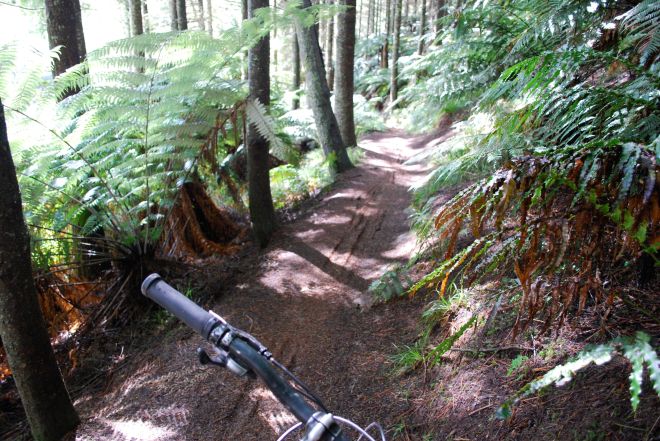
At the Waipa Mill entrance, Planet Bike had set up a makeshift rental agency out of the back of a truck. Fitted on two mountain bikes and with a map of the 100 kilometers of one-way tails, we got peddling. Because the ground was drenched, we were advised to stick with the Green (Easy). Slogging up and down steep paths with various obstacles in our way, we learned that New Zealanders have a different concept of “Easy” than Americans.

DSC_0035

DSC_0035

DSC_0035

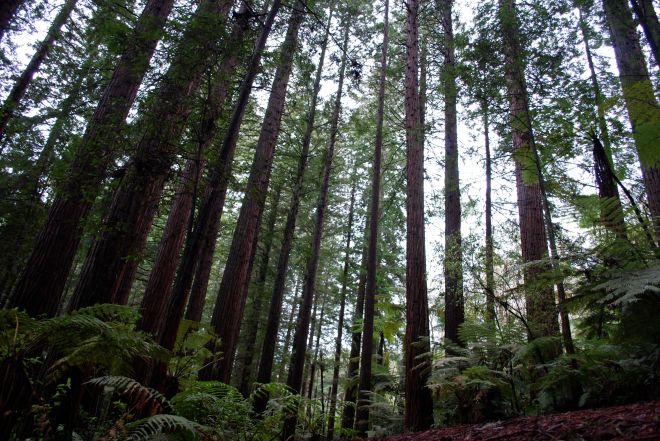
Of the 170 species, radiata pine was deemed the best and it dominates many hillsides here today. But it’s the mighty California redwoods that draw in the visitors. These tall, majestic trees can grow to 360 feet tall and live 600 years. In Whakarewarewa, the largest stand at around 219 feet high and 66.5 inches in diameter. The trees provide a shelter for New Zealand Silver fern and giant Mamaku ferns, which, given their size, look more like palm trees.

DSC_0035

DSC_0035

DSC_0035

DSC_0035

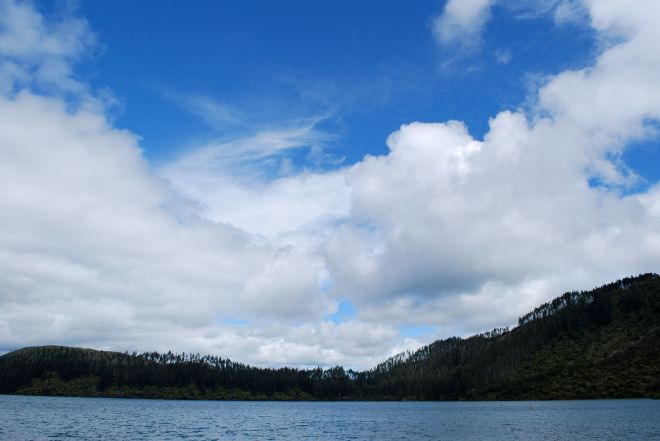
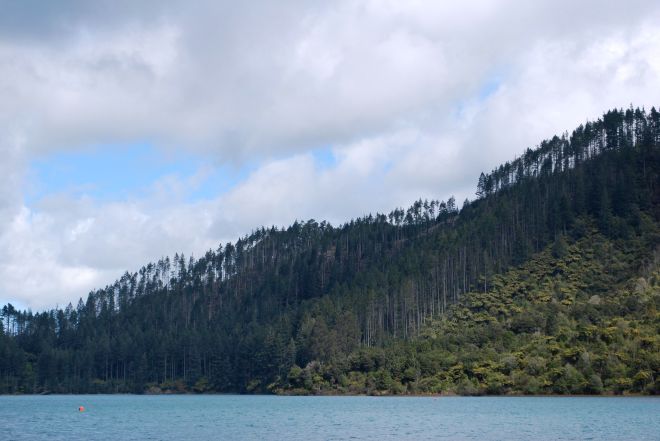
On our way back, we stopped at Blue Lake, its bright turquoise waters shimmering majestically against a backdrop of lush green forest and vibrant blue sky.

DSC_0035

DSC_0035

We spent the remainder of the day at the Polynesian Spa, voted a top 10 spa by Condé Nast Traveler. The baths were filled with mineral rich water of varying temperatures; all overlooked picturesque Lake Rotorua.

spa04

spa05

Dinner was at the Pig & Whistle — housed in the town’s former police station, the pub served up tasty burgers and pints of local Mac’s lager.

Breathing deep in the “Sulphur City”

Rotorua, New Zealand

The skies were sunny in downtown Auckland as we picked up our Toyota Camry at Avis and set out on the Southern Motorway. Just off the Green Lane exit was One Tree Hill, the country’s greatest fortress and subject of the song of the same name on U2’s Joshua Tree album.

DSC_0035

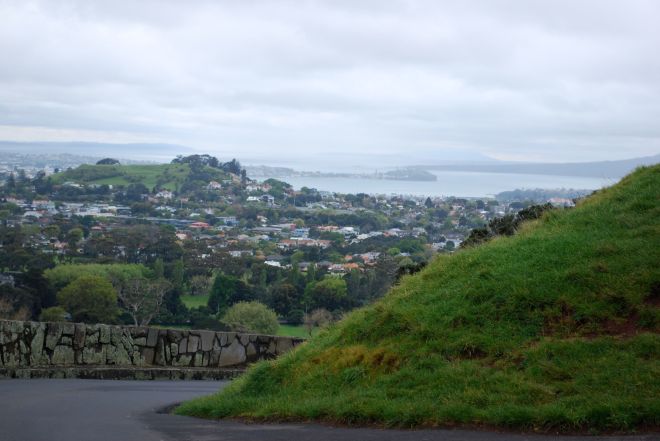
At the summit (182 meters) sits the grave of John Logan Campbell, who gave the land to the city in 1901. There were also amazing 360-degree views of Auckland and the surrounding suburbs. As for the tree? It was chopped down by activists in 2000.

DSC_0035

DSC_0035

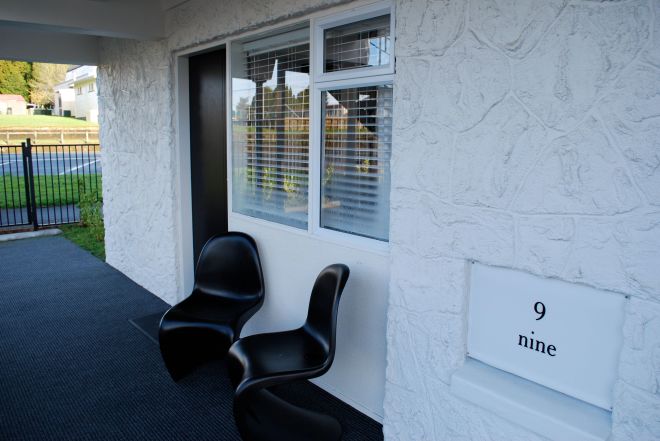
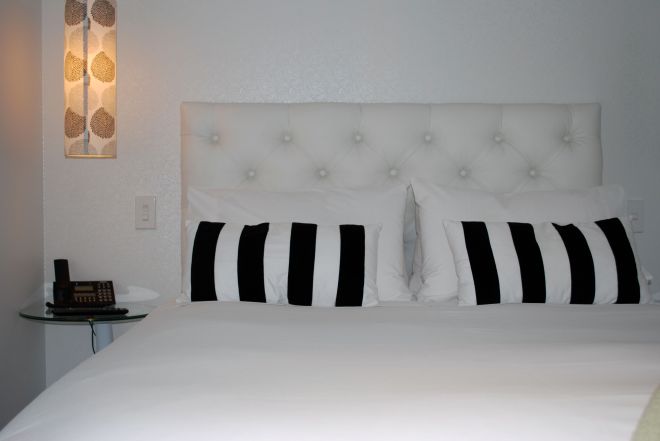
The rain was steady as we continued southeast for 3 hours to Rotorua, one of the North Island’s most visited cities, best known for its Maori culture and active geothermal attractions — which scents the air slightly with the smell of rotten eggs. We’re staying at the Regent of Rotorua, a motel that has recently been given a new, stylish, black and white life.

DSC_0035

DSC_0035

DSC_0035

DSC_0035

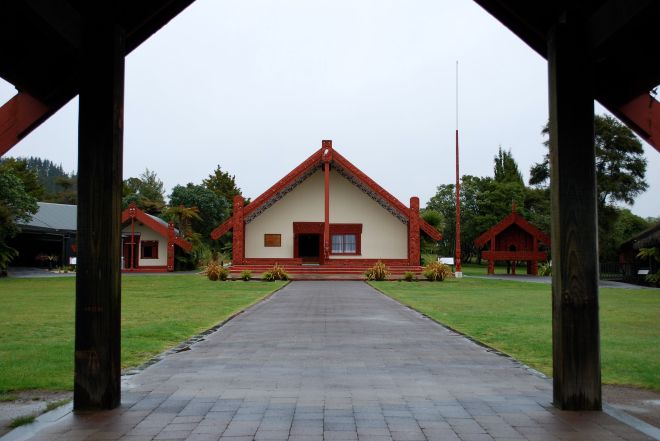
The rain had started to let up and we were feeling stir crazy from sitting in the car so we made our way to Te Puia, what Lonely Planet said was the “most polished of New Zealand’s Maori cultural attractions.”

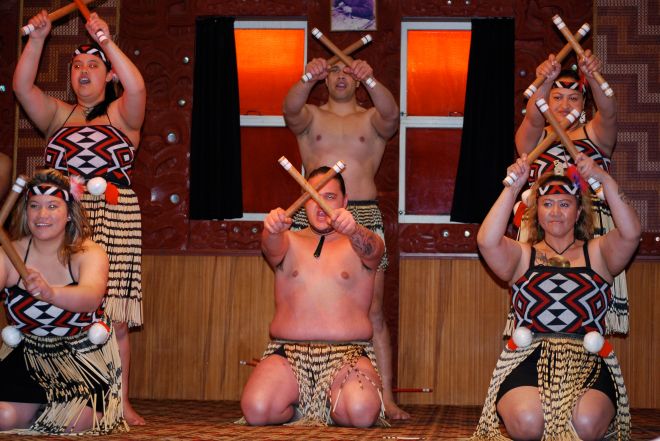
We started with a performance inside the Te Aronui a Rua Meeting House. It was not nearly as touristy as we thought it would be and provided us some sense of the customs and traditions of this country’s indigenous people.

DSC_0035

DSC_0035

DSC_0035

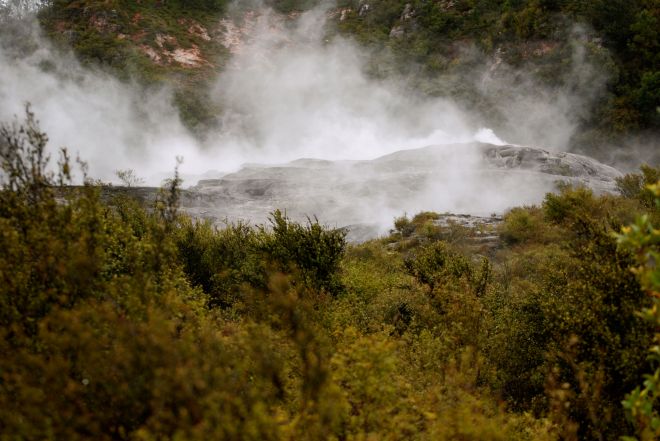
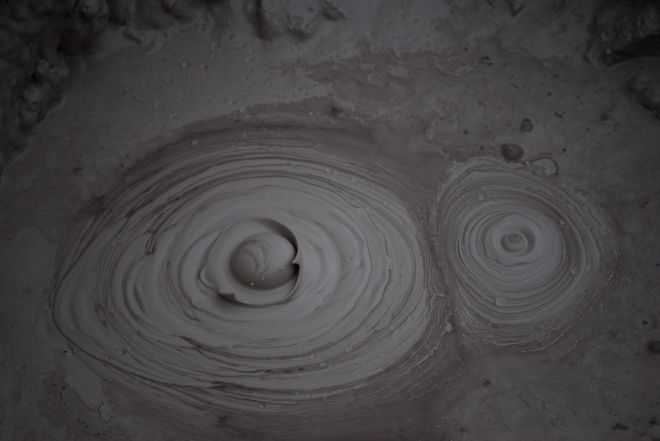
Afterward, we walked along steamy vents and bubbling cauldrons, ending at Pohutu, the park’s largest geyser that shoots hot water about 100 feet into the air.

DSC_0035

DSC_0035

DSC_0035

DSC_0035

It’s sad to say but we’ve already gotten a bit tired of the fresh — but bland — New Zealand cuisine. Amazing Thai changed that tonight with spicy Tom Yum Goong soups, along with green curry chicken and a rib eye fillet nam jim that left our mouths burning.

Gales on Waiheke Island

Auckland, New Zealand

Exhausted from our travels and still adjusting to the time difference, we were in bed last night at 9 p.m. and didn’t wake until nearly 12 hours later. Feeling refreshed, we hit up the DeBrett’s continental breakfast, which included freshly baked cranberry muffins, fruit, yogurt, granola and Flat Whites — or, in American English, coffees with milk.

The weather outside looked ominous, with dark rain clouds on the horizon, but we didn’t let it deter us from our day’s plan: a trip to Waiheke Island, out in the Hauraki Gulf. A 35-minute Fullers ferry ride dropped us at the small island’s port of Matiatia Bay where we rented a car from Pauline at Waiheke Rental Cars and set out on our way.

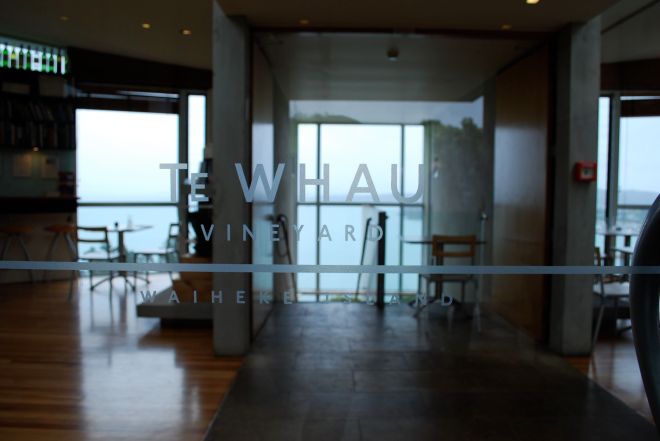
After five weeks in Africa, driving on the left side of the road almost felt naturally as we arrived in the town of Oneroa. As a light rain fell, we stopped to walk along the small shops scattered amongst cafés and real estate agencies. There wasn’t much to see and the weather was crummy so we made our way for an early lunch at Te Whau, an award-winning vineyard.

DSC_0035

DSC_0035

The fire inside warmed us up as we sipped a 2007 merlot and took in the spectacular views. Mom went with the John Dory with julienne vegetables, olive tapanade and a bouillabaisse sauce. My za’atar spiced loin of lamb was served over parsnip and goat’s cheese skordalia, with red pepper coulis and green beans.

DSC_0080

DSC_0035

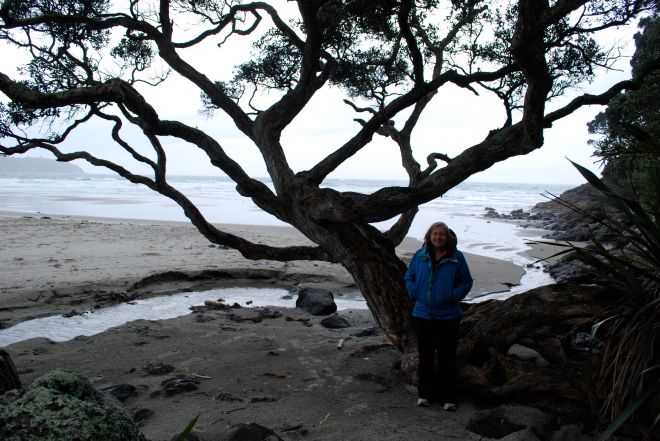
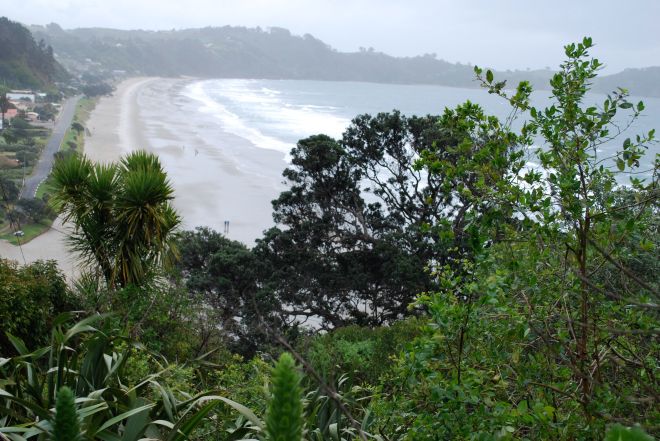
By the time we were back outside, the rain had largely stopped but the wind was roaring. “It’s a gale!” a Kiwi woman cried out on our way to the parking lot. Back in the Toyota, we drove to Onetangi, a quiet seaside village. Walking the largely deserted beach, we followed a set of stairs that meandered up past modest sized homes with stunning views of the Bay and rocky shoreline. Occasionally, signs of spring — like vivid purple flowers — emerged among the lush landscape.

DSC_0035

DSC_0115

DSC_0035

DSC_0035

Returning to Auckland on the 5 p.m. ferry, the weather finally started to clear and the sun emerged, providing both a fitting welcome and an early farewell from this country’s largest city.

DSC_0035

DSC_0035

DSC_0035

Back at the DeBrett, we showered and, without dinner, promptly fell asleep.

Sailing into the City of Sails

Auckland, New Zealand

“The local time is 8:28 a.m.,” the flight attendant announced over the loud speaker. To be honest, I’d not have known otherwise.

My journey to New Zealand started Thursday morning. Tar Heel Taxi was 30 minutes late causing me to nearly miss my 7:15 a.m. flight to Dallas. Thunderstorms there delayed my connection to Los Angeles, where wheels eventually came down around 3 p.m. EST. After dinner with my brother at the Philippe Starck designed Katsuya, it was back to LAX for my 13 hour Qantas flight to Auckland, which departed a little before midnight. Crossing the international date line, and losing 17 hours in the process, essentially caused October 2 to vanish.

And it left my scratching my head, attempting to figure out what day and time it was here when we landed this morning.

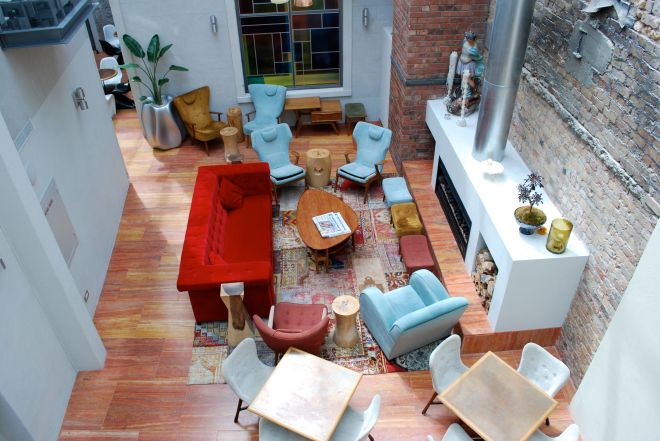
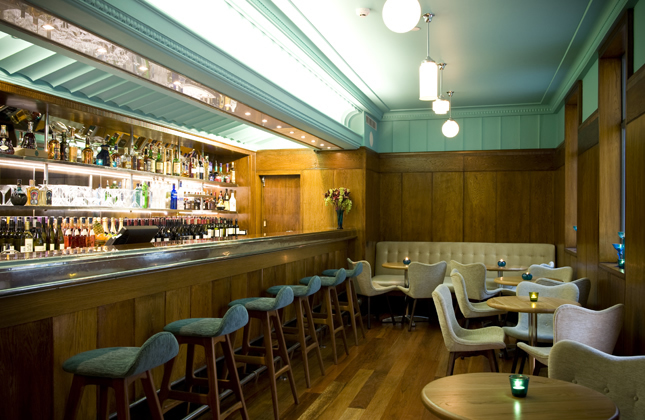
A half hour taxi ride brought me into the center of Auckland, which subtly reminded me of cities that I’ve visited in the Pacific Northwest, like Seattle and Vancouver. We’re staying at the Hotel DeBrett, a small boutique hotel that has recently opened on fashionable High Street. The public spaces inside, like the atrium, bar and drawing room, are all hip yet inviting. Just my style.

DSC_0035

DSC_0035

DSC_0035

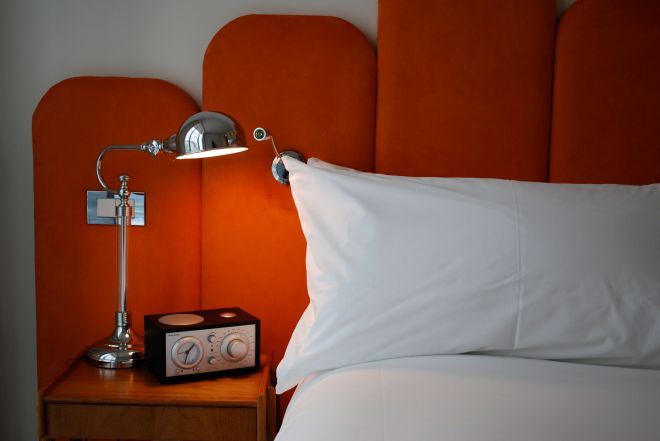
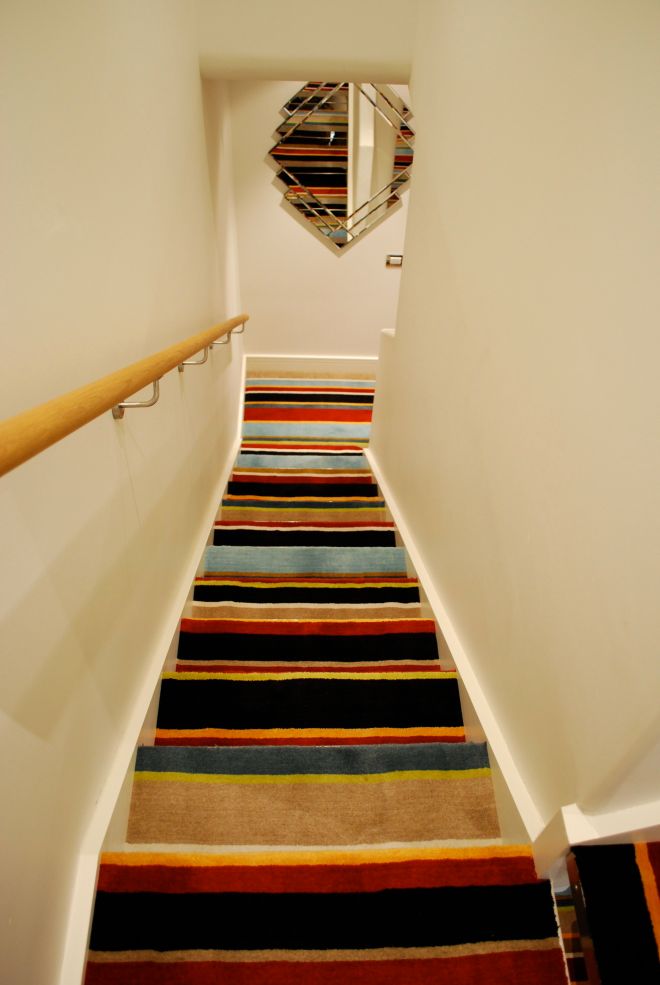
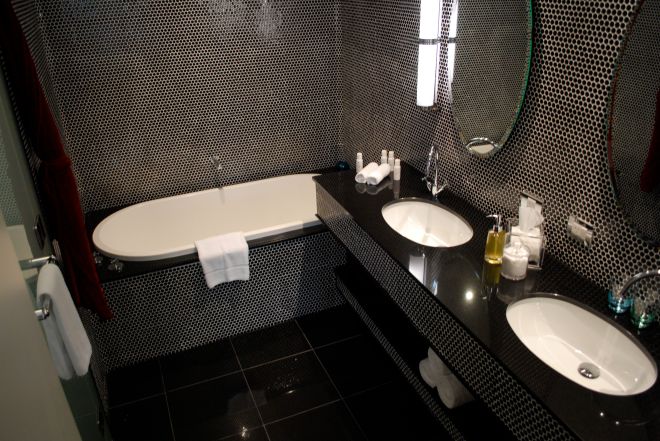
Perhaps sensing our exhaustion, the friendly woman working the front desk upgraded us to a spacious duplex room. It was colorful and comfortable, with sunlight streaming through the double-story window. The black and white subway tile bathroom was dizzying.

DSC_0028

DSC_0033

DSC_0034

DSC_0032

After showering, we walked around the quiet streets of downtown and found a small cafe serving frothy and delicious cups of freshly brewed coffee.

DSC_0032

DSC_0032

A couple of cups later, we made our way to the Auckland Art Gallery, which was having a special exhibition on Rita Angus, said to be one of this country’s most famous painters. Her vibrant and disciplined landscape water colors offered an introduction to what we’ll be seeing and experiencing firsthand over the next two weeks.

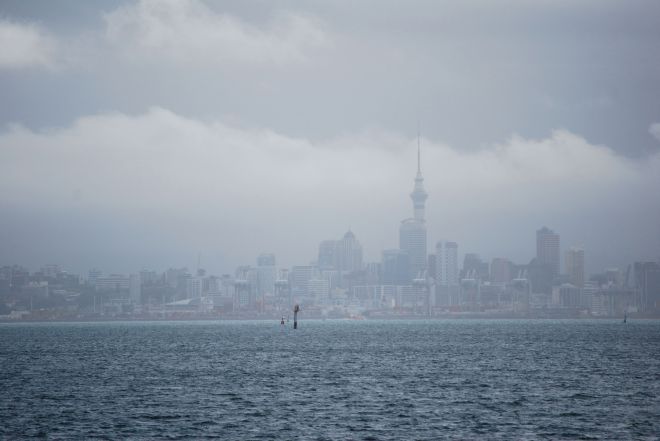
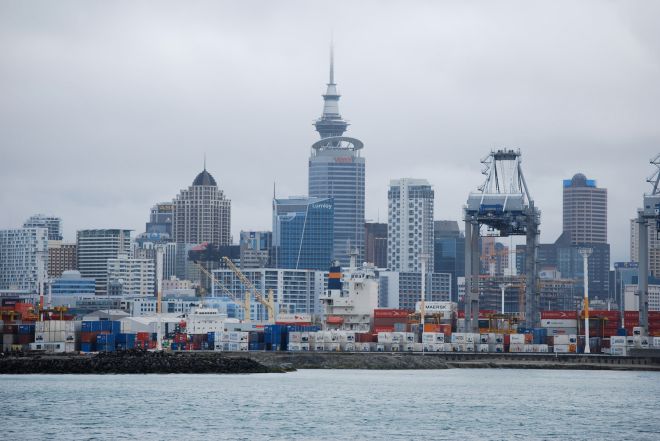
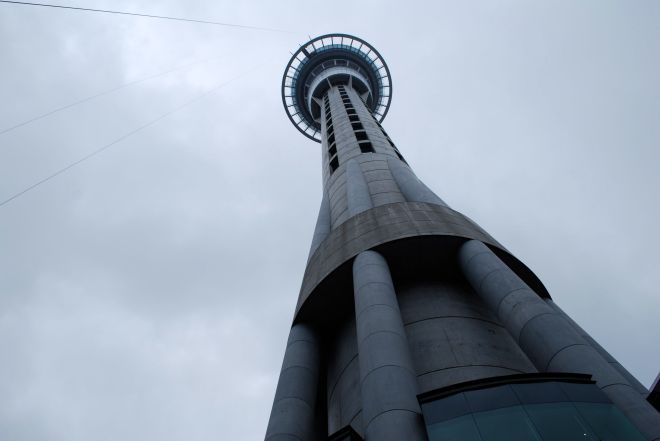
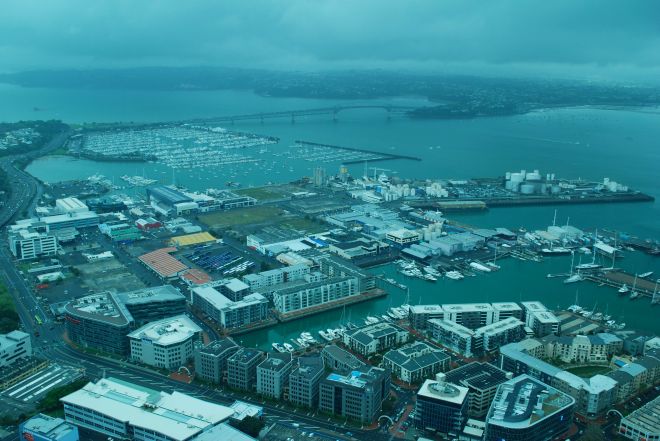
Perhaps Auckland’s most recognizable building is the Sky Tower, which at 1,076 feet, is the tallest free-standing structure in the Southern Hemisphere. Although the skies looked overcast, we made our way to the top in the hope that it would provide us with an panorama of the surrounding area. We were not disappointed.

DSC_0032

DSC_0032

DSC_0032

DSC_0032

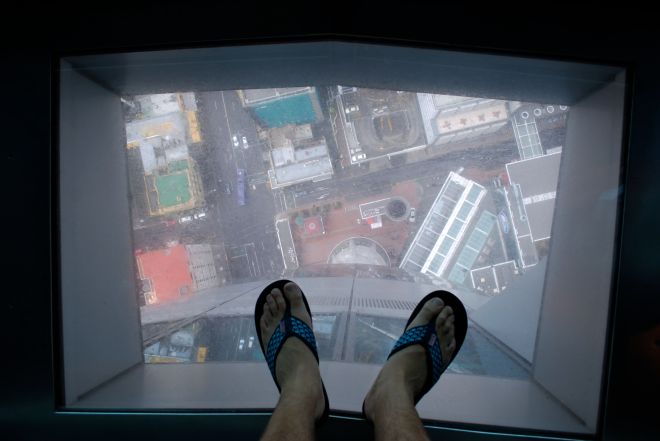
Walking around the perimeter, it was hard not to feel a bit of trepidation staring at the ground through the glass floor.

DSC_0027

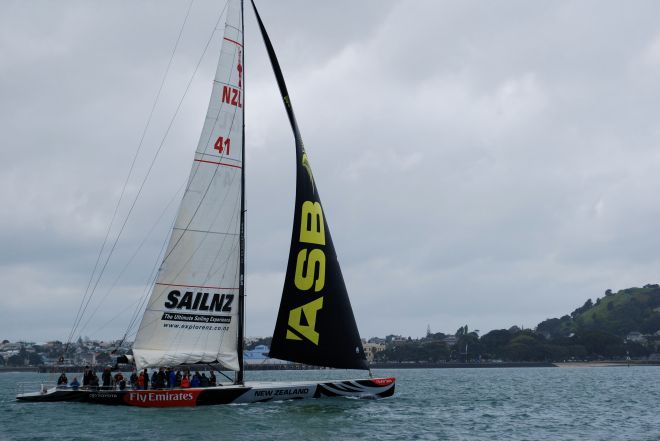
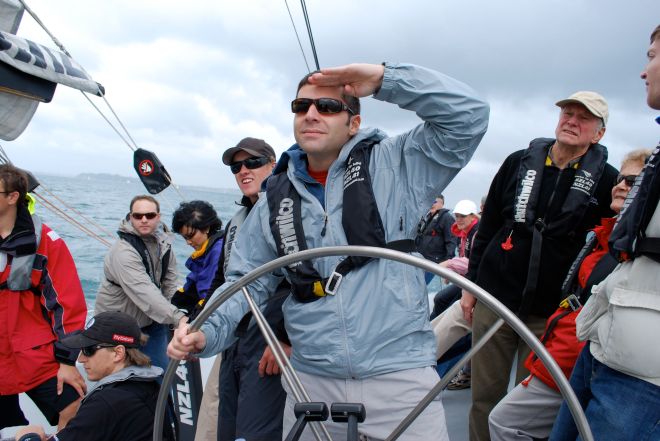
It would be hard to visit this city without heading out onto the water. Sail NZ offers an opportunity to do so aboard a retired America’s Cup yacht. This was not a leisurely trip out on the harbor; we were asked to help rig the sails and steer the vessel as it aggressively tacked into the wind. Coincidentally, a group of MAC students from Kenan-Flagler on a GIE were also on the boat — what a small world.

DSC_0050

DSC_0048

DSC_0056

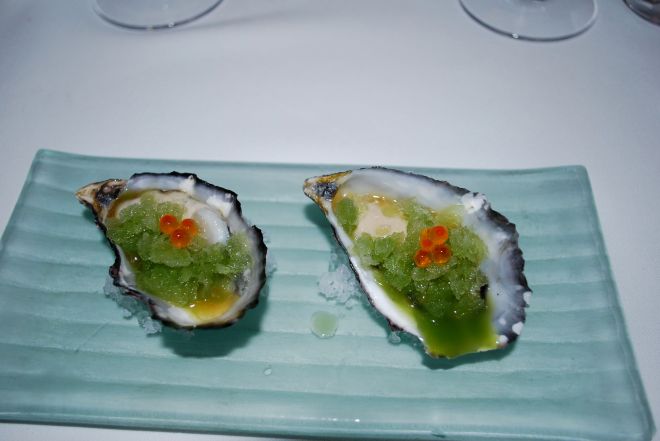
For dinner, we made a reservation at the French Café, consistently named the best restaurant in Auckland. We started with two fresh local oysters, sitting on a bed of sea salt, and topped with a cucumber granita, ginger dressing and caviar. They may very well have been the best I’ve ever tasted.

DSC_0065

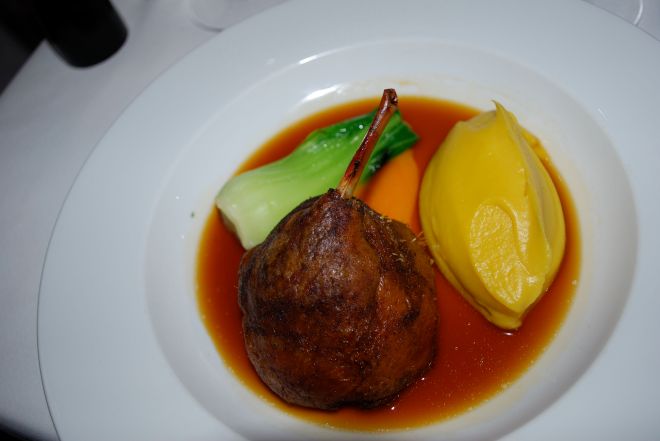
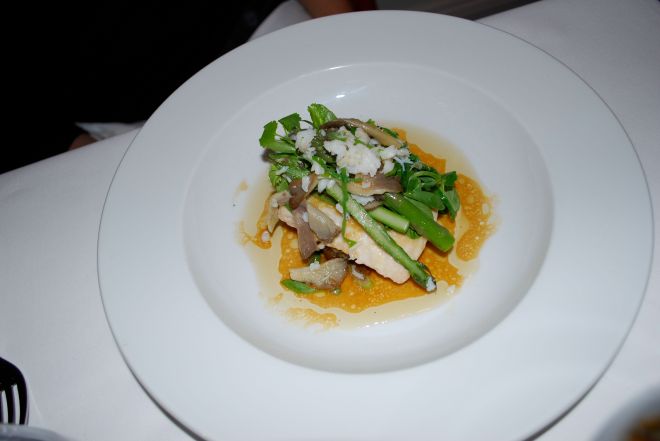
My entree was equally tasty — a sweet spiced roast duck with stir-fried Asian greens, mandarin puree, kumara mash and orange jus. Mom ordered the fish special, a light and flaky white fish served with fresh asparagus and micro-greens.

DSC_0065

DSC_0065

If today was indicative of what’s in store for the remainder of this trip, New Zealand is going to knock it out of the park.