The great success of Moscow sight-seeing

Moscow, Russia

We agreed this morning that so far, this had been a frustrating experience. We have all traveled extensively around the world but had never been through anything like this before.

In Moscow for nearly two days and we had ate two meals at the same restaurant and walked around the inside of a department store. While this was largely the blame of our concierge, it could also simply be chalked up to the Soviet Experience — meaning, unexplained closures, the difficulty in navigating and a general unwillingness to give foreigners a helpful hand.

Today, we were confident that would change.

The concierge desk was closed for the weekend but Irina had confirmed our tour of the Kremlin with Capital Tours. But given our experience, it was unsurprising that when we arrived at the office, the babushka sitting behind the desk had no record of a reservation. “Can we just sign up now?” we nearly cried. “Nyet,” she replied. Entry tickets were purchased the previous day.

It was time to pull an audible.

We booked the same tour for the following day that we could squeeze in before our train to St. Pete and decided to try and cram everything else on the agenda today. Away we went.

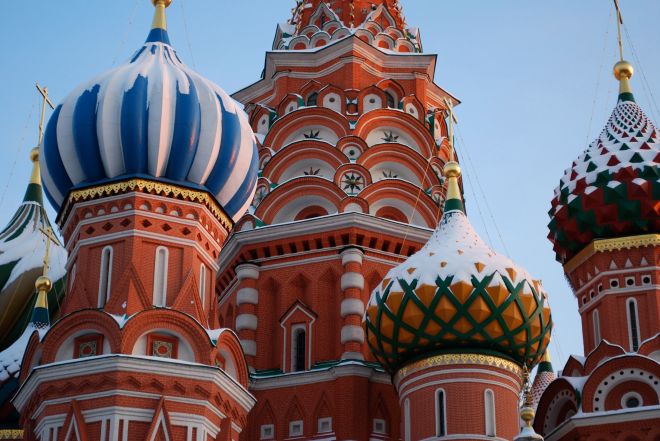
First stop, St. Basil’s Cathedral, the icon of Russia. Commissioned by Ivan the Terrible in 1552, it has a long history — the multicolored domes were added in the 1670s. Napoleon ordered it be destroyed in 1812 but his troops thankfully ran out of time before the task could be completed.

DSC_0035

DSC_0035

DSC_0035

DSC_0035

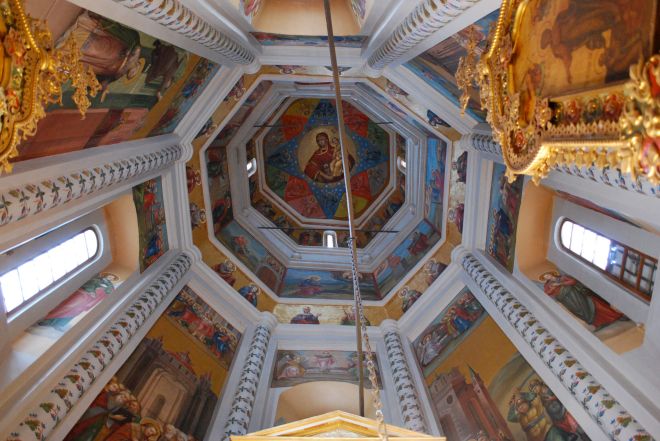
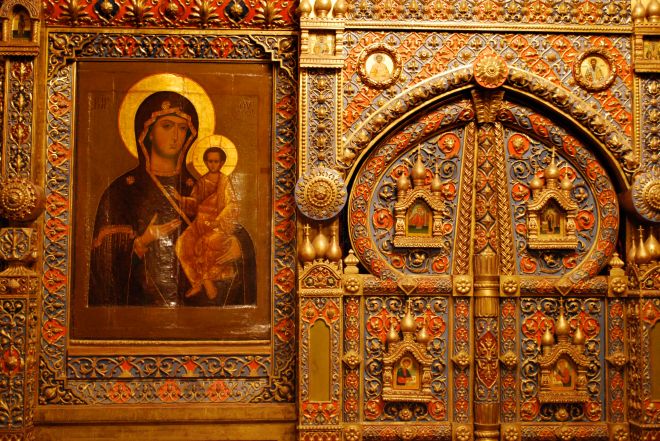
The cathedral’s name is a bit of a misnomer. In fact, it houses nine separate chapels which, having arrived right at its opening, we were able to explore in relative quiet.
DSC_0035

DSC_0035

DSC_0035

Overjoyed that we actually saw something successfully, we continued onward to Lenin’s Tomb. The process for seeing the embalmed body of the Father of Communism is complicated. There are limited viewing hours and only a certain number of visitors are allowed in at a time — and strictly, no bags, no cameras and no cell phones. Having learned the queuing fundamentals on our first day, we joined the line and began the slow wait.

DSC_0035

While the weather in Moscow has undoubtedly been cold since we arrived, we have managed with a strategy involving multiple layers, frequent indoor breaks and near constant movement when outside. Unfortunately, standing stagnant outside in 5-degree weather can take its toll. So we were relieved when we passed the final security checkpoint and entered the warm tomb.
Interestingly enough, it was the Soviets that, over 25 years, developed the strange embalming process that allows Lenin to remain preserved — in an almost wax-like state — under glass.

My visit here completed having seen the Communist Trifecta, the other two former leaders being Uncle Ho in Vietnam and Mao in China. It’s quite the accomplishment.

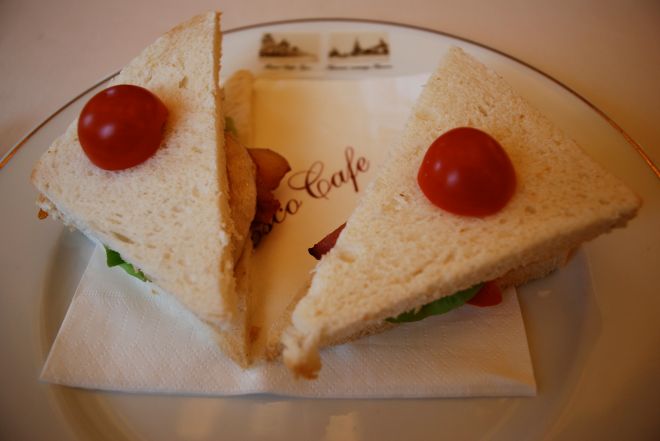
Back in the cold, we decided to grab some lunch at Bosco Café, a small pricey place inside GUM that overlooks Red Square. While the hot mulled wine warmed our souls, we agreed that we easily could have taken down two or three of the small $11 crust-less sandwiches.

DSC_0035

DSC_0035

DSC_0035

Able to feel our toes again, we ventured out to visit the Kremlin Armoury, which dates back to 1511. We found the small stand for tickets with a huge line snaking out of it — the near constant queues, along with Russians’ general contempt for waiting in any orderly fashion, would become a recurring theme on this trip.

Yet, we waited, slowly freezing and trying to understand why the booth closed for a 20-minute “technical break” when we were two away from buying tickets. By the time we were at the front, the timed entry at 2:30 p.m. was sold out. We bought them for the 4 p.m. and with Derek potentially bordering on the hypothermic, returned to State Historical Museum to warm up and burn some time.

DSC_0035

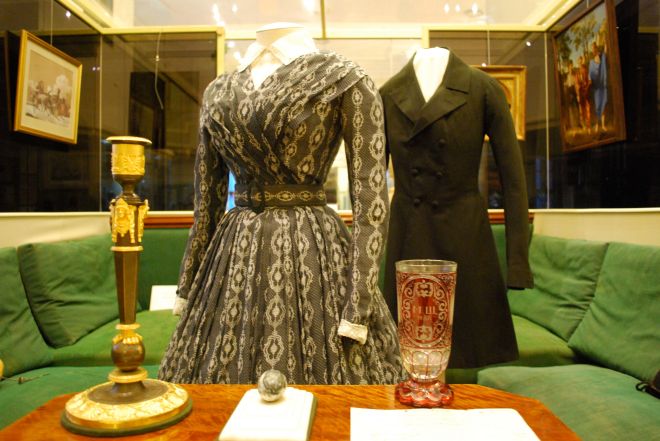
This museum is filled with artifacts from Russia’s long history, including carriages, furniture pieces, period dress and — this being Russia — plenty of bling.

DSC_0035

DSC_0035

DSC_0035

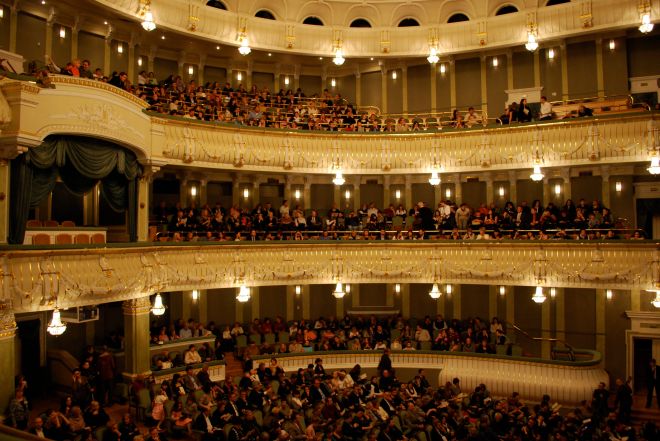
Bags and cameras checked, we returned to the Armoury to see the vast collection of weaponry, thrones, carriages and more bling, before trekking back to the hotel. It was getting late and we had 7 p.m. tickets to see the Nutcracker at the Bolshoi, the historic theater that debuted the iconic ballet in 1919. Our seats weren’t the greatest but we enjoyed the ambience and surroundings — oh, and the music and dancing wasn’t bad either.

DSC_0035

DSC_0035

We debated returning to our favorite (and only) restaurant for dinner but also thought it was time to try something new. The Russian capital is flooded with Caucasian restaurants — these are places serving up cuisine from surrounding areas like Georgia and Uzbekistan. We had read about one restaurant simply called Uzbekistan and decided to head there.

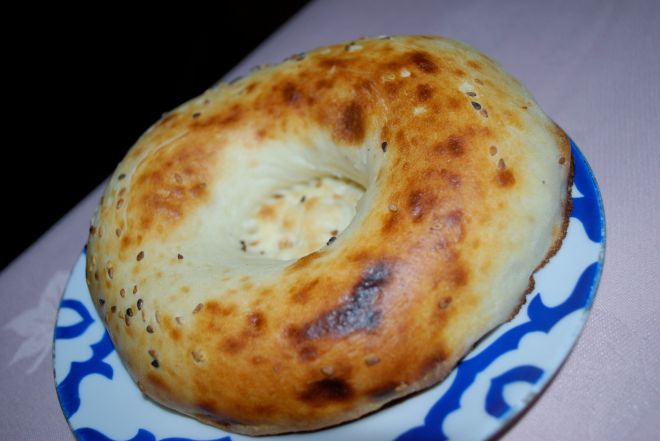
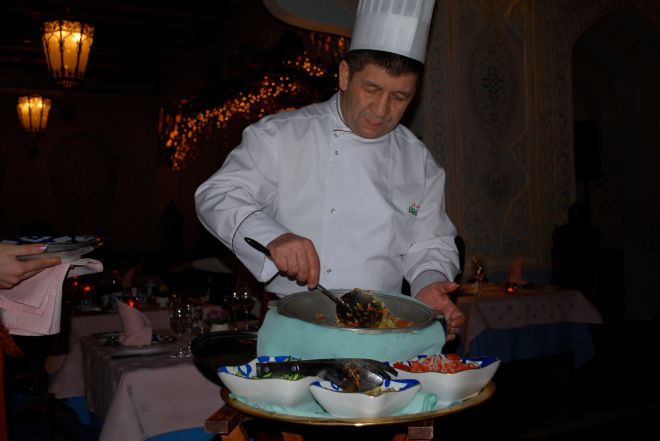
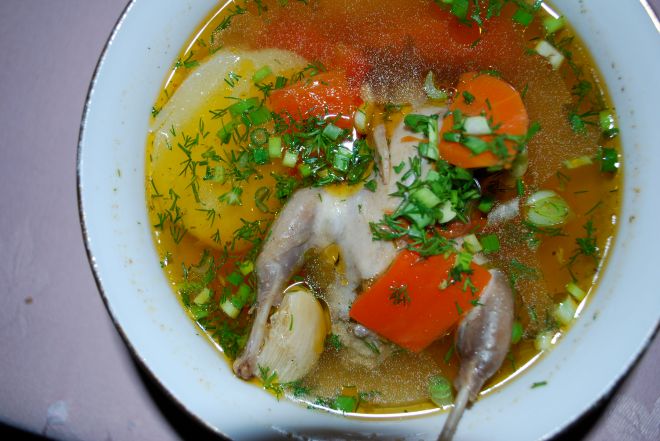
It was a wild meal that started with baysky soup, described on the menu simply as “the ancient recipe” and served with an entire quail. The broth was super tasty and we tore apart the mini-chicken filled with a lamb sausage. Next was achuchuck, a juicy tomato salad served with hot chili peppers, home made cheese and traditional Uzbek bread that kind of looked like a bagel. For entrees, we ordered a distarkhan lamb pilaf, served table-side by the chef.
DSC_0035

DSC_0035

DSC_0035

DSC_0035

DSC_0035

Stuffed with easily the best meal of the trip, the bill shock was easier to stomach. Making our way home later, we agreed, the tide had turned.

We were finally starting to figure this country out.

Of borscht and beef stroganoff

Moscow, Russia

We had always planned this day to be one of rest so slept in late before treating ourselves to an elaborate brunch buffet spread in the Savoy’s dining room. This is a particularly spectacular space with marbled floors, gold chandeliers and hand-painted frescoed ceilings.

DSC_0035

DSC_0035

There were lots of strange fish pates and spreads. We stuck with the safer bet of freshly baked bread, scrambled eggs, some smoked salmon, sausage, hash browns and a few slices of cheese. Funny thing is, we could have been anywhere in the world.

DSC_0035

We took a quick walk after the meal but the streets were deserted and we returned to the Savoy’s sauna to escape the cold. After calling nearly 10 restaurants, the concierge was able to locate us one that was open for the holidays. “Just a 15-minute walk,” she said, as we bundled up and prepared to face off with Moscow again. Nearly an hour later, trudging through the snow and skating along the icy sidewalks, and having followed directions like, “Make a left on the street that starts with the backward 3, the Delta and the square,” we somehow came upon the place.

Inside, there was not a single person in the restaurant. The two waitresses looked up from one of the tables. We motioned for three people. They glanced over and replied with a curt “Nyet.” “You’re closed?” we asked. They looked at us blankly. “Nyet,” they said. Then they pointed to the door.

We silently cried. And then walked out.
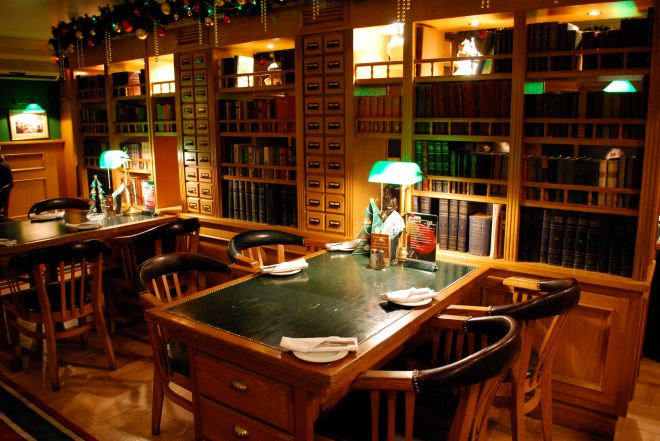
We managed to find a gypsy cab who brought us back to our favorite (and only) restaurant that we’ve managed to eat at — the one from our first night here whose name we could neither spell, say or remember. But we knew the location. And that’s all that mattered.

We took our seats in the library area and ordered up some delicious dishes: a Georgian tomato salad with fresh herbs and cheeses; a bowl of borscht, a hearty beet-based soup with apple, tender shredded beef served with a dollop of sour cream; and a plate of beef stroganoff, a thick mushroom and beef stew with roasted potatoes and sweet and crunchy pickles.

DSC_0035

DSC_0035

DSC_0035

DSC_0035

Over the meal, we decided that in order to successfully see this city, we had to take matters into our own hands. No more relying on our Rock Star Concierge at the Savoy. From now on, we would have to do it all on our own.

Tomorrow, our plan would be put to the test.

Of course it’s closed!

Moscow, Russia

With only a couple of days in the capital city, we woke up early this morning. I’d spent the last several weeks corresponding with the Savoy’s concierge, ensuring that our itinerary would allow us to see all that we wanted to see in the short period of time that we were here.

After breakfast, we went to the business center to meet Irina. “Marc, it is you!” she exclaimed. She pulled out a gigantic binder. “This is all of our correspondence!” Smiling, she happily confirmed our itinerary for the day — the State Museum would be open until 6 p.m., and it made sense to go to Red Square early to see Lenin and St. Basil’s before the evening’s New Years festivities were underway. “Thanks so much for your help,” we replied.

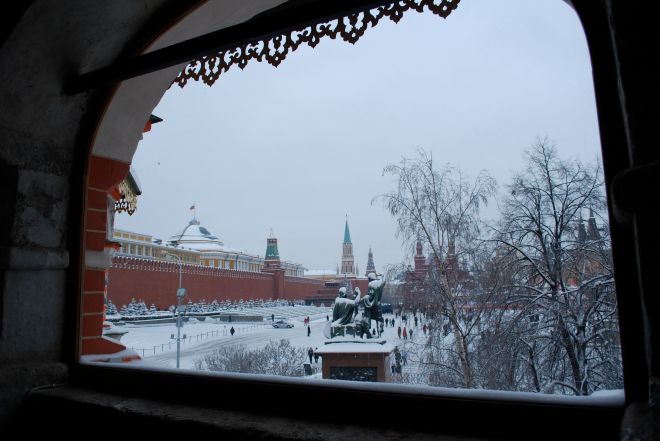
A short walk, some of which was thankfully in underground passages, brought us to Red Square. This rectangular stretch of cobblestone is the heart of Moscow and the heart of this country. Surrounded by stately buildings of the Kremlin, this was the backdrop for the infamous military parades of the Cold War.

DSC_0035

DSC_0035

After taking in the Square, we stopped at the State Historical Museum, a soaring red building. We admired the architecture before walking around it twice in search of the entrance. Finally stumbling upon it, we learned that, in fact, the museum was closed. It was the same story at Lenin’s Tomb. “Nyet,” the guard sternly said. “No.” By the time we made it to iconic St. Basil’s Cathedral, with its gates firmly locked, we were beyond frustrated.

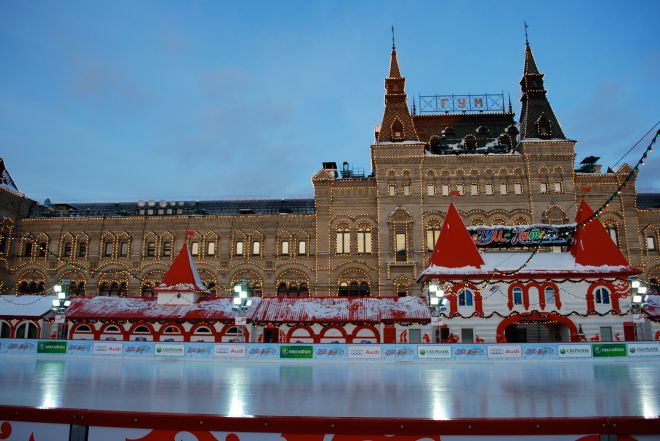
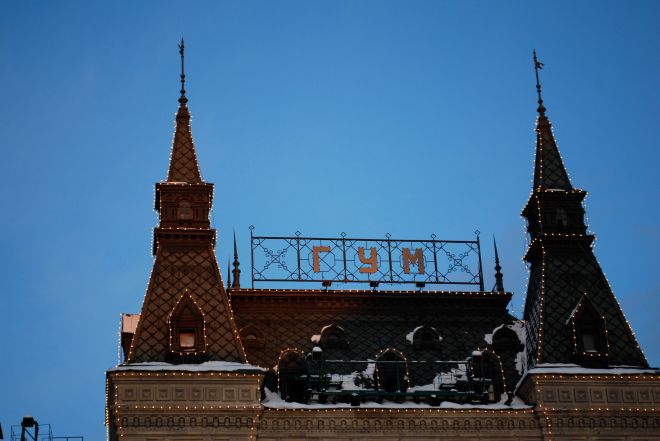
Scrambling to see something, we stopped at GUM. Bordering the northeastern side of the Square, this is the State Department Store that once symbolized the Soviet shopping experience: long lines and empty shelves. Since then, the 19th-cenutry façade has stayed the same but not much else. It is now representative of the new Russia, with fancy designer boutiques and absolutely outrageous prices.

DSC_0035

DSC_0035

DSC_0035

DSC_0035

On our way home, we passed Kazan Cathedral, which was originally built in 1636. Three hundred years later, it was demolished to make room for the massive military equipment parading on the Square — a replica of the original has since been rebuilt and opened.

DSC_0035

DSC_0035

Back at the Savoy, we decided to pay our friendly but clearly incompetent concierge a visit. We explained how all of the sights, including the State Historical Museum, that she had recommended were closed. “Of course it’s closed!” she excitedly replied. “This is a big holiday.” We stared at her blankly, nodded our heads in astonishment and made a beeline to the sauna to warm up and try to diagnose our complete disconnect with Irina.

Wasted day aside, we were excited for New Years Eve. We turned our dining room table into an impromptu bar stocked with various indecipherable vodkas and a couple of cigars.

DSC_0035

Passing through four security screenings, we arrived in Red Square just minutes to 12. Then, with not much fanfare, the clock struck midnight and fireworks illuminated the sky behind the psychedelic domes of St. Basil’s. In-person, it was a pretty amazing sight to witness.

In true Russian fashion, the party continued deep, deep into the night.

The Russia of today

Moscow, Russia

In what may very well have been the most expensive ride I’ve ever taken, the cab driver charged me a whopping 9-euros for the three-minute trip to the train station this morning. Considering my destination today was Moscow, the most expensive city in the world, it was almost fitting.

From the station, it was a quick trip to the airport where Derek and Burt had just arrived from the States. We had a coffee and pastry before boarding our 3-hour Brussels Airlines flight to the capital of the Russian Federation. Passing over the former Iron Curtain, a crazy thought entered my mind again: what in the world were we doing heading to Russia in the dead of winter?

We began discussing a trip here a couple months back and decided that this would be the Ultimate Soviet Experience. To brave the elements, fur hats would be worn and vodka would be consumed. If nothing else, this would be an adventure.

We had no idea what we were getting ourselves into.

Our first sign might have been the numerous hoops that tourists are required to jump through before stepping foot in the country. All visitors must have a visa. But this isn’t as easy as simply sending your passport and a $100 check to an embassy. Obtaining one requires an official “invite” — generally, these come from hotels, which require a non-refundable deposit. Entry and exit dates correspond with these invites. And to keep tabs on where you are, all tourist visas are “registered” by the corresponding hotels with the government upon arrival in Russia.

Picking up our visas in New York last month, the Embassy was perplexing. After waiting in a slowly moving line, I’d approached the window. “I’m here to pick up. Could you help?” I asked. “Nyet,” the woman replied, pointing to a sign in Cyrillic. A taste of what was to come.

In a heavy snowfall, we landed in Moscow and proceeded to sit on the runway for a half hour. “There seems to be a traffic jam here,” the pilot announced. As our patience weaned, we taxied to the gate, rushed off the plane and then surprisingly breezed through immigration.

Maybe this won’t be so tough after all, we thought.

That was, of course, before Derek’s bag failed to arrive. At the lost luggage counter, an airline representative was less than reassuring. In broken English, she said it would probably be two days before he was reunited with it. Derek zipped up his thin North Face shell.

Facing a gantlet of aggressive taxi drivers, we got cash and booked an “official” cab for 2,000 rubles into the city center. On this two-hour trip, we were introduced to the infamous Moscow Traffic, clogging streets in bumper-to-bumper standstills, blasting horns and moving inches at a time.

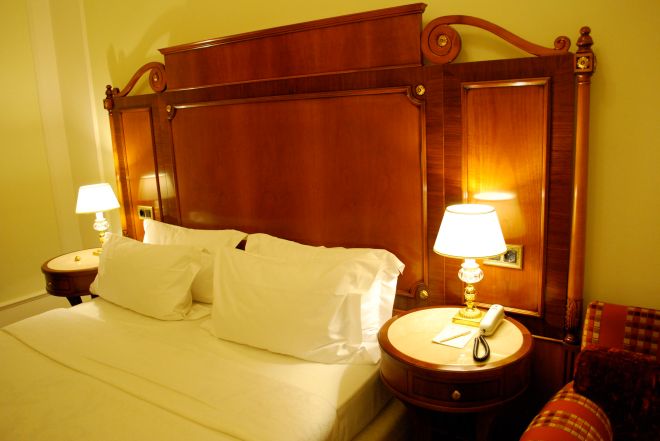
Inside our hotel, the Savoy, it felt like a different world though. Built in 1912 but recently remodeled, the lobby felt almost pre-revolutionary — while the bar was a minimalist, modern space with lighted walls and a curved staircase to a second floor seating area.

DSC_0035

DSC_0035

DSC_0035

DSC_0035

Upstairs, our Business Suite gave us plenty of room to spread out. There was a spacious bedroom with soaring 15-foot ceilings, gilded chandeliers, original molding and parquet floors. Although the cot was essentially a lazy-boy chair, it didn’t matter: the separate living room was outfitted with a window seating area and a dining room table for eight.

DSC_0035

DSC_0035

DSC_0035

Oh, and there was a full-sized piano, too.

DSC_0035

Quite happy, we put on our long underwear and set out to find dinner. Lonely Planet suggested a restaurant that appeared nearby, but the curving ring roads of this city were challenging to navigate and none of the street signs or restaurant names were in the Roman alphabet.

We tried one place but the bartender barked something at us in Russian so we left. On our way back to the hotel, we stumbled upon a bustling restaurant, Glavpivtorg, that remarkably welcomed us in — and then offered up menus with horribly translated English.

We could decipher one word though: bodka. Three shots to toast our arrival in the former USSR were immediately in order.

Back in Brussels

Brussels, Belgium

It’s always fun coming back to a foreign city that you’ve already visited. My last trip to Brussels was a little more than two years ago. A lot has happened in my life since then but this city looks and feels about the same. In some ways, it’s comforting.

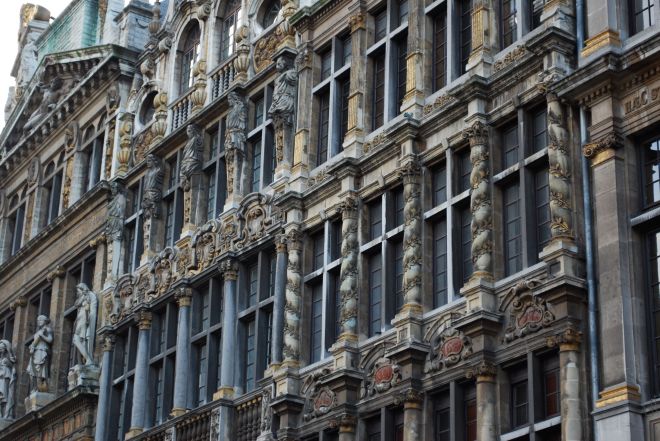
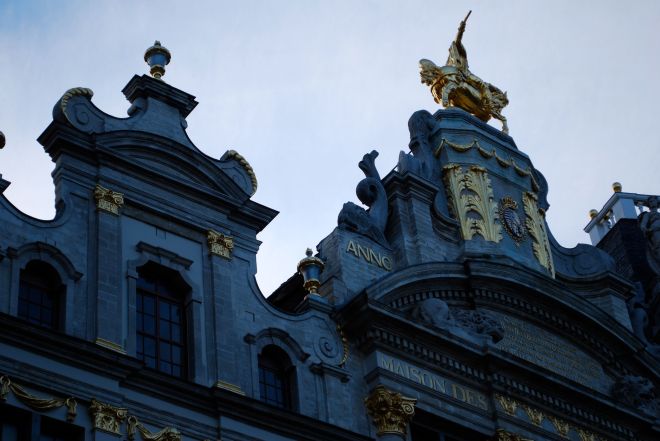
After a coffee and chocolate filled croissant, it was time to brave the masses and head onto Grand Place, the city’s tourist-clogged central square. It’s the top attraction for a reason though. The buildings, including the Town Hall, date back to the early 15th century and have been lovingly maintained; the entire area is an UNESCO World Heritage Site. Somehow, despite the disgusting crowds, it’s still difficult not to be completely struck by this place.

DSC_0035

DSC_0035

DSC_0035

DSC_0035

DSC_0035

Even after multiple visits, I’m still trying to figure out how the train and subway ticket systems effectively work in Europe. It’s essentially all on an honor system – you buy tickets, self-stamp them and board the cars. Apparently, tickets can be checked at any point although that probably never happens. Could this ever work in the States? And if not, why?

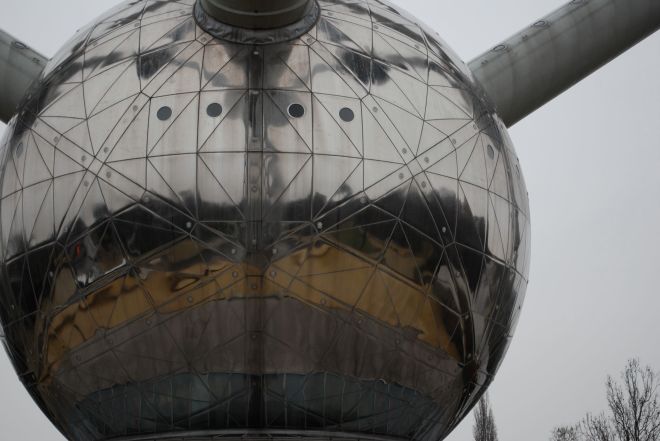
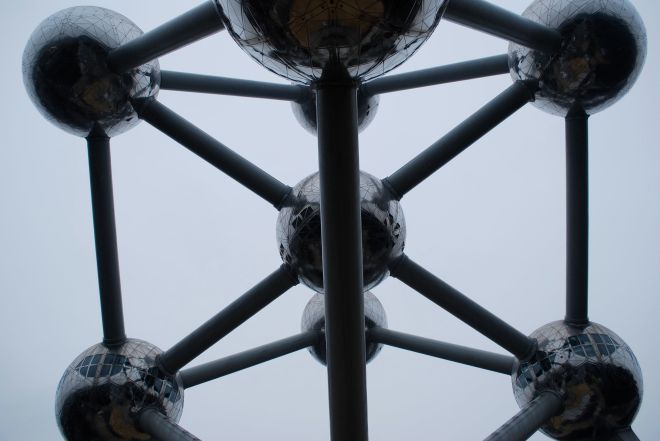
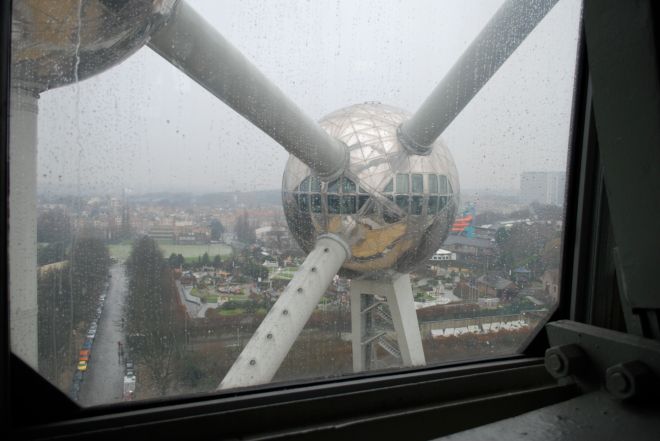
By the time I’d come up with an answer, my subway doors opened and I’d arrived at the Atomium. This wild looking monument was constructed for the 1958 Brussels World’s Fair. The interconnected spheres form a unit cell of an iron crystal magnified 165 billion times.

DSC_0035

DSC_0035

DSC_0035

The line to get in was long but moved quickly. Escalators and stairs allowed visitors to move between the various pods in which exhibits had been set up.

DSC_0035

DSC_0035

DSC_0035

Soon, a steady rain started to fall — signaling my time to head home. Back at the hotel, there was massive consumption of free Wi-Fi and sauna, as well as some sink laundry. With a big day of travel in front of me, it was an early night.

Tomorrow, it’s onward to Russia.

From the diamond capital to Europe’s capital

Brussels, Belgium

Even a giant Nespresso couldn’t get me out of bed this morning. Thankfully, listening to the BBC techno introduction several times got me pumped up and ready to move.

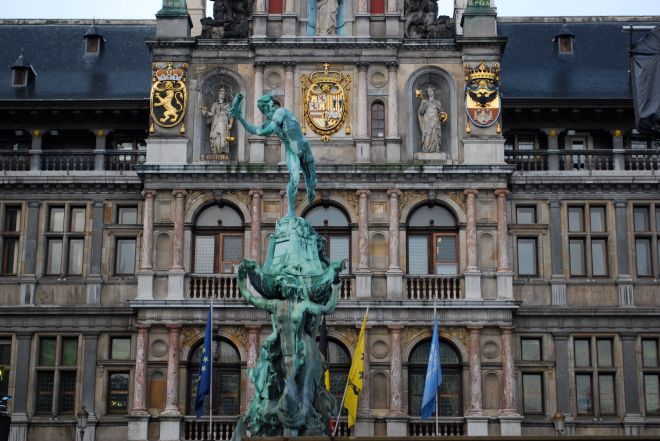
There wasn’t much of a plan for today. So, map in hand, it was off to the Old Town, which was one of the most impressive that I’ve seen. The City Hall dates back over 400 years to 1576; the Grote Markt was in equally pristine shape with beautifully designed and maintained buildings surrounding the central square. Towering overhead was the 16th century Cathedral of our Lady.

DSC_0035

DSC_0035

DSC_0035

DSC_0035

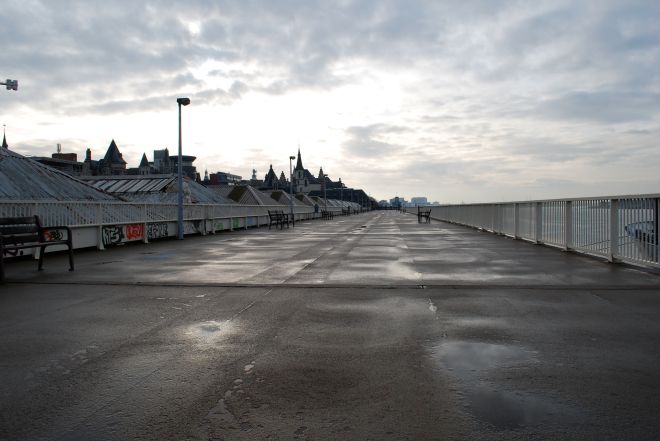
The waterfront area, bordering the Schelde River, was only a few blocks away. The promenade was deserted, offering picturesque views of the old city juxtaposed against the working port.

DSC_0035

DSC_0035

After some lunch, it was time to move onto Brussels, a short 30-minute commuter train ride west. Home to the European Union, this city has been coined the “Capital of Europe.” A lousy cab driver brought me to my accommodation here, the Dominican, a small boutique hotel across from the Opera House and within a few minutes walk to the Grand Place.

DSC_0035

DSC_0035

DSC_0035

DSC_0035

For dinner, a small bistro down the street served up a tasty bowl of mussels in a white wine, garlic herb broth. And unlike last night’s fries, none remained.

The world’s diamond capital

Antwerp, Belgium

After seeing Alex and Peter off this morning from Schipol Airport — which was a madhouse in the wake of the security scare earlier this week — it was off to book a train ticket to Belgium. My first stop in this country was Antwerp, perhaps best known as the “Diamond Center of the World.” It rings about $23 billion annually and is second only to London as an outlet for raw and industrial diamonds.

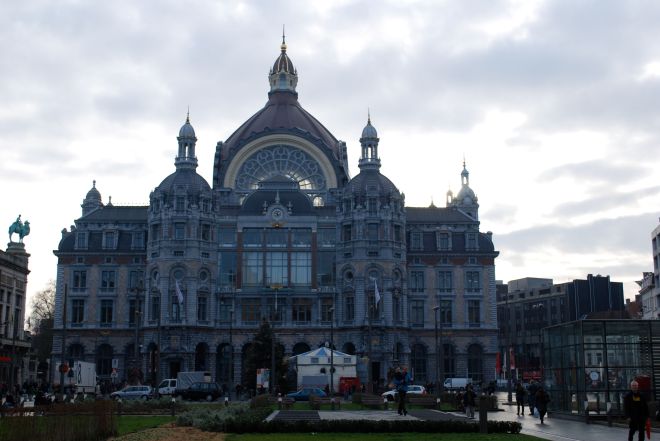
It was about an hour and half ride here into the glittering train station. Generally, Europe showcases some pretty remarkable train stations. Antwerp, however, really pushes the envelope. The building rises high in the sky and features ornately carved marble walls. Its quite the introduction to showy Antwerp.

DSC_0035

DSC_0035

DSC_0035

DSC_0035

DSC_0035

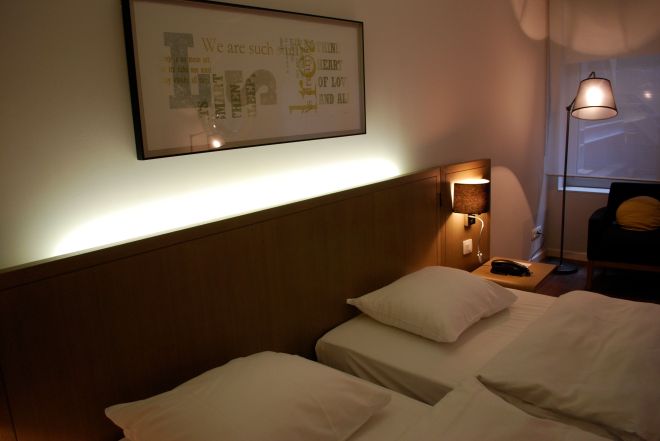
My hotel, the Park Inn, was just across the square. It was a relatively new modern and quiet hotel with an unbeatable location and price — just $70 bucks for the night.

DSC_0035

DSC_0035

DSC_0035

Post-nap, it was getting late but there was still time to visit Rubenshuis, the former home of painter Peter Paul Rubens. The rooms had been reconstructed as they would have appeared in the late 16th century; it turns out also that Rubens, far from being a starving artist, actually amassed a nice little fortune by selling his paintings. And his pad, stuffed with tons of art and beautiful ornamental gardens, reflected his success.

DSC_0035

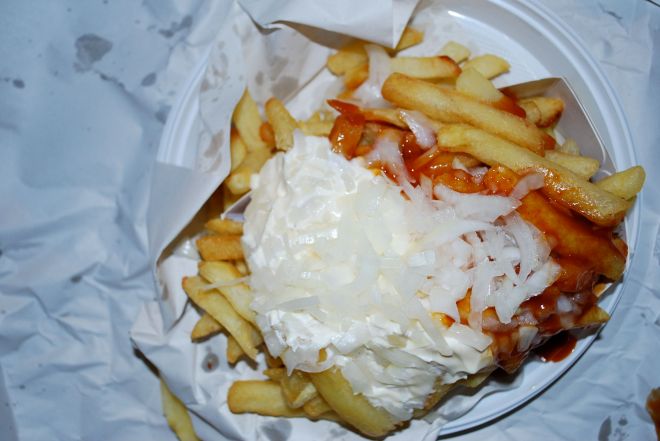
Back at the hotel, it was time to hit to the gym and sauna. Post work-out, there was only one thing on my mind: fries. A place on the corner dished up a huge plate covered in ketchup, mayo and sweet onions.

DSC_0035

Delicious as they were, it was hard to even put a dent in them.

In search of the perfect pancake

Amsterdam, Netherlands

Opening the curtains this morning, it was a relief to see the sun out for our last day in the Netherlands. Alex and Peter head back to the States tomorrow while I’m moving onward to Belgium. After running at such a clip the last week, we didn’t have any definitive plans so got off to a late start.

We were in search of the perfect pancake, a well-known Dutch delicacy. After much Google research, we opted for a place called the Pancake Bakery. Admittedly, partly it was the name. But what about the tag line? “The best pancakes in town.” They better be.

DSC_0035

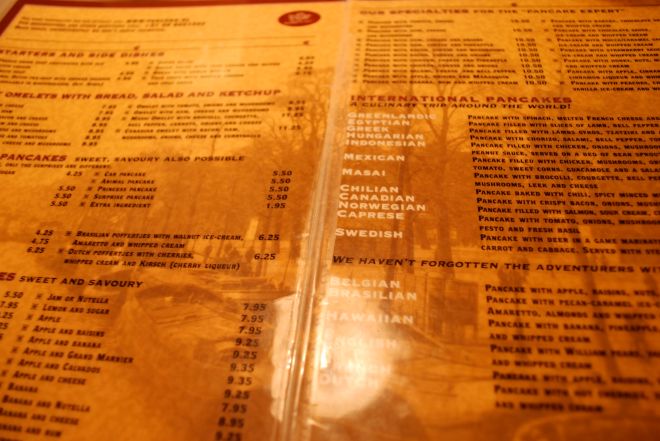
Inside the ground floor restaurant, we were given a menu listing two full pages of pancakes. There were pancakes stuffed with every possible ingredient — apples, nuts, mushrooms, leeks, cheese. It was a bit overwhelming.

DSC_0035

With much debate, we opted for one sweet (banana and Nutella) and one savory (mushrooms, cheese and ham). While waiting, we investigated the stroop, a thick traditional Dutch syrup. Then, they arrived. The sweet pancake was expectedly delicious, the chocolate mixing with the syrupy bananas. The real surprise though was the savory — which was essentially like eating a pancake and egg-less omelet. That’s not a very good description. You’ll just have to trust us here.

DSC_0035

DSC_0035

DSC_0035

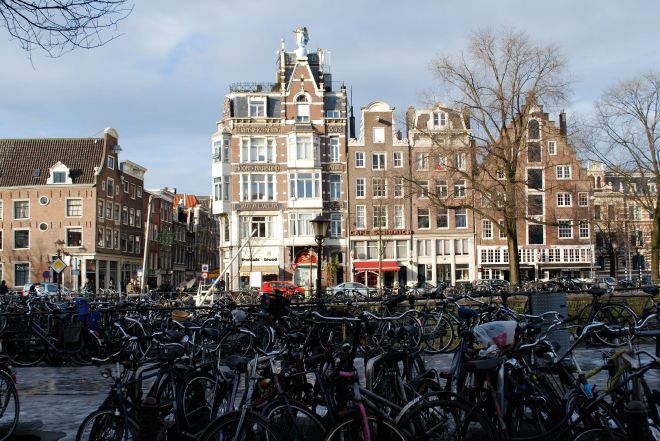
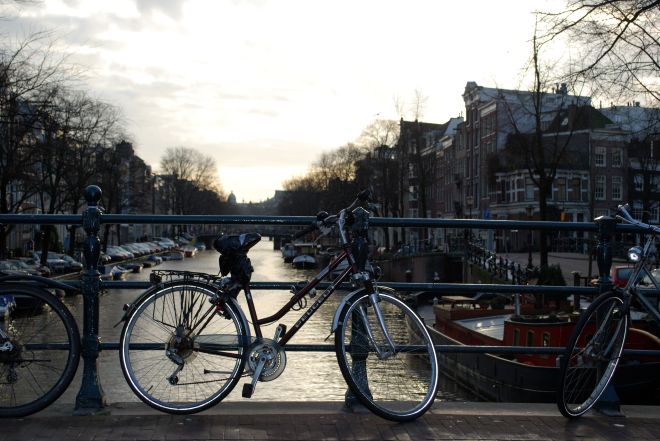
The rest of the afternoon, we slowly wandered the city’s many canals and tried not to get too lost. We couldn’t have asked for better weather for our final hours here.

DSC_0035

DSC_0035

DSC_0035

DSC_0035

DSC_0035

Back at the hotel, it was one final trip to the sauna before returning to Rembrandtplein for dinner at the Old Bell. We split a huge appetizer sampler of delectable fried foods, like chicken fingers and dumplings. Not the most healthful dinner — but we were still on vacation.

Navigating canals (without a GPS)

Amsterdam, Netherlands

If we thought the streets were deserted last night, they were even more desolate this morning as we made our way to the train station for our 2-hour trip to Amsterdam. The flat landscape flying by our windows revealed quiet Dutch towns and as we spotted our first windmill, we knew that we had arrived here in the Netherlands.

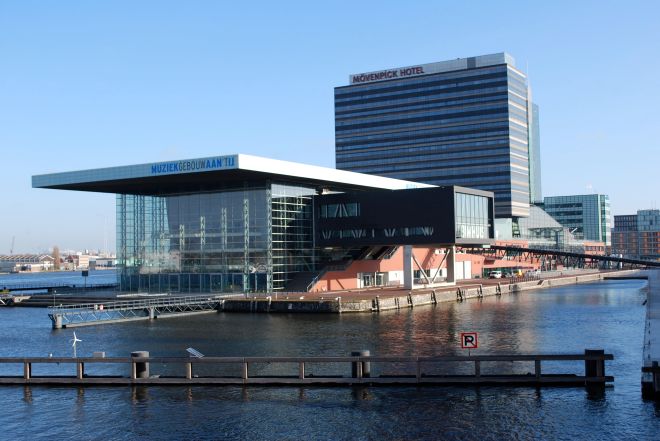
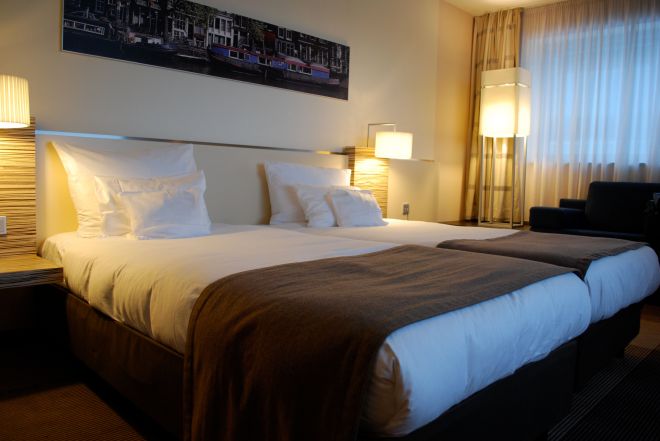
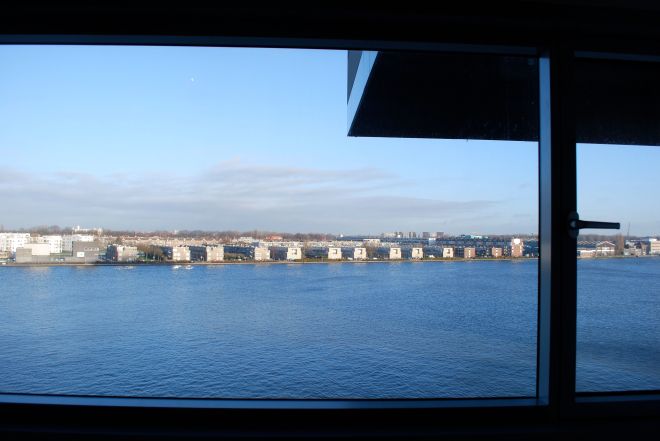
There was little choice as the cab driver blatantly ripped us off for the short ride to our hotel, the Moevenpick. Although it would have been a 10-minute walk, it was not one that we were doing with all of our bags and gear. So, we bit the 15 Euro bullet. After a quick check-in, we enjoyed the view from our room before getting ready to hit the town.

DSC_0035

DSC_0035

DSC_0035

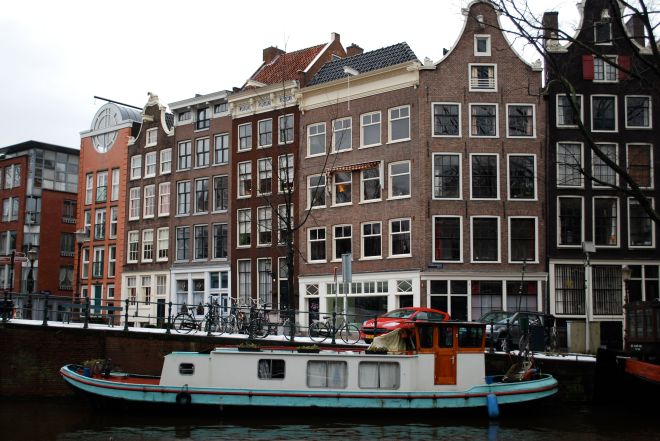
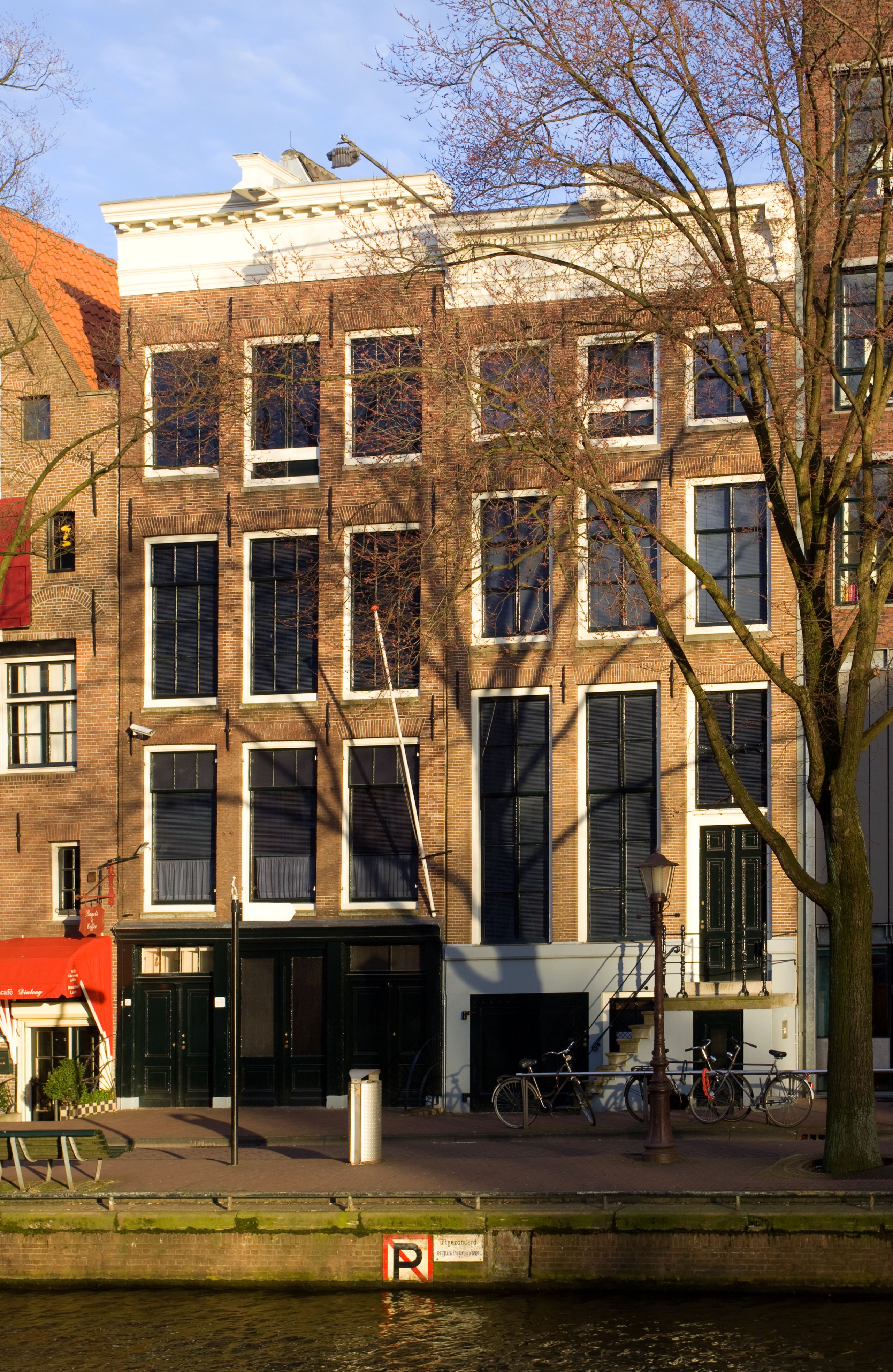
After a burger and fries, we crisscrossed the canals and found Anne Frank House, the secret annex in which the diarist and her family hid during the Nazi persecution. Although it was my second time visiting, the exhibit and experience was no less evocative and compelling.

DSC_0035

DSC_0035

With the weather fluctuating between rain and freezing rain, we braved it to the Van Gogh Museum, passing the “iamsterdam” monument as the clouds momentarily broke. The collection inside the museum was, not surprisingly, pretty impressive. Our favorite was The Potato Eaters — curators had smartly decided to display the iconic piece alongside sketches comprising various elements of the final work, like the peasant faces. Almost like pieces to a puzzle.

DSC_0035

DSC_0035

Back at the hotel, we warmed up in the sauna before heading out for dinner at a place called Grand Café l’Opera in Rembrandtplein. It was not the most amazing meal of our Eurotrip but the mozzarella sticks did rock.

Christmas present from Expedia

Dusseldorf, Germany

Last week, Expedia sent me an urgent e-mail. Apparently, the hotel that I’d booked for our stay in Dusseldorf — the same one that Expedia had confirmed six weeks ago — was closed. A phone call with an apologetic customer service rep offered a “comparable” alternative: the Hilton Garden Inn. This obviously wasn’t going to cut it.

I explained to the rep that rates had all gone up since we had made the booking and “comparable” now would be much more expensive. He said that he understood and wanted to find an agreeable solution. “Where would you like to stay sir?” he asked me. The InterContinental, I replied. “Please hold,” he said.

A few minutes later, he came back on the line. The rate at the InterContinental was $615 per night; but because the mistake had been made by Expedia, the company would cover the difference. And, on top of that, my account would be credited $100 for the inconvenience. Okay.

Flash-forward to this morning, when we arrived in Dusseldorf, the wealthiest city in Germany, which is itself one of the richest countries in Europe. We returned the car at Avis and rolled our bags down the Konigsalle (or “Ko”), a picturesque street lined with every designer shop imaginable and separated by an ornamental canal.

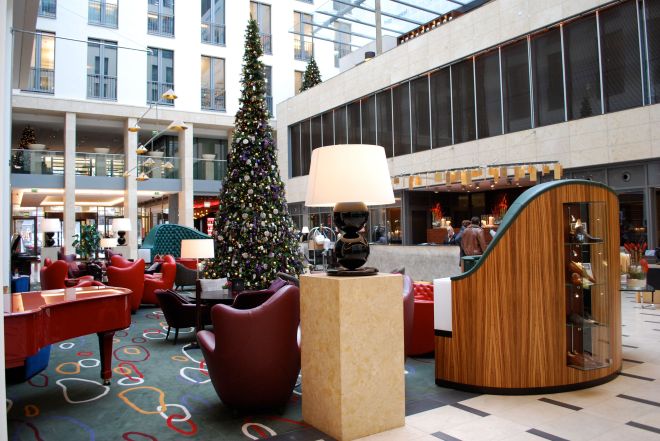
At the InterContinental, we were met by a top-hat wearing doorman who led us into a lobby with a soaring atrium ceiling — beautiful, bright and elegant. This place was all class.

DSC_0035

DSC_0035

DSC_0035

DSC_0035

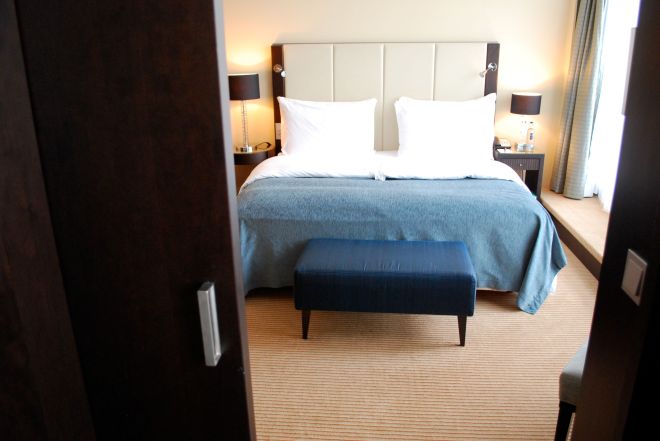
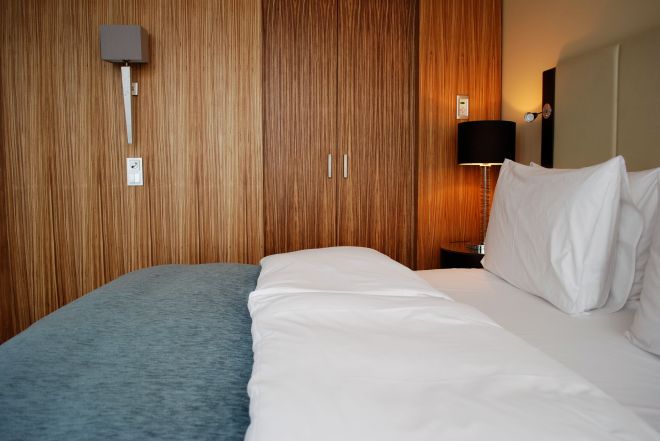
We took the glass elevator up to the ninth floor and took a look down into the lobby before heading to our suite. With zebra wood walls, obscenely high thread-count sheets, a separate living room and sweeping views, this would be the dankest accommodation of the trip.

DSC_0035

DSC_0035

DSC_0035

DSC_0035

We hadn’t had breakfast yet so the concierge recommended Bastian’s, a popular brunch spot in Karlplatz. Our first eggs of the trip were perfect — omelets with gouda cheese — and we loved the freshly squeezed orange juice and bread baked on site.

Much of this city was destroyed in the war except for a few buildings in the Altstadt, or Old Town. Through the largely quiet pre-Christmas Eve streets, we made our way there next, scoping out the marketplace and town hall.

DSC_0035

DSC_0035

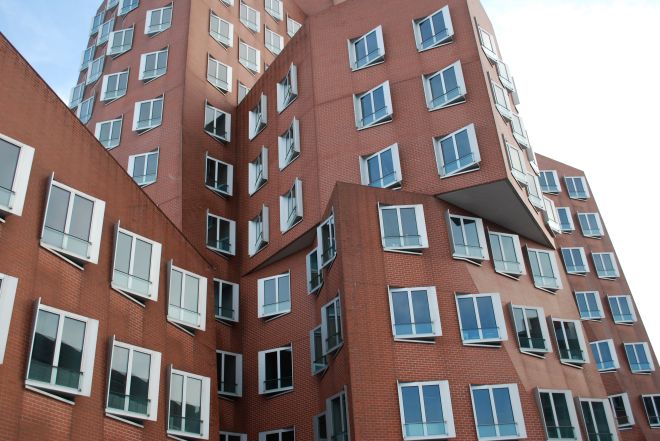
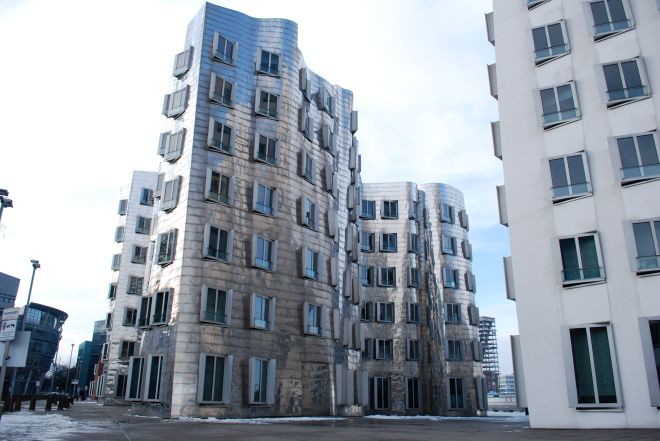
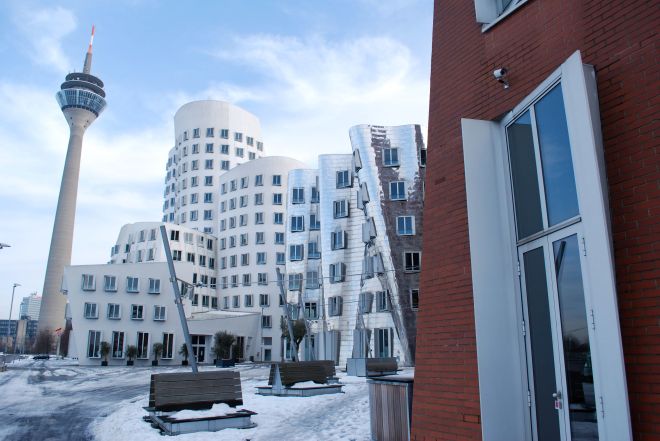
From the old Dusseldorf, we walked to the new Dusseldorf — the MedienHafen district. In the 19th century, this area along the Rhine was home mainly to warehouses. Today, it has become a showcase for modern architecture; the most amazing is a cluster of buildings designed by Frank Gehry. The Rhine Tower sits off in the distance.

DSC_0035

DSC_0035

DSC_0035

DSC_0035

DSC_0035

DSC_0035

Back at the hotel, we warmed up and then, like good Jews on Christmas Eve, went out for Chinese food at Jin Ling, which was surprisingly good. Back at the hotel, we all wanted ice cream but assumed that every place in the city had to be closed. We rang the concierge who called back 10 minutes later. She had found one restaurant within walking distance that was open and served ice cream.

Kit-Kat McFlurry’s it was.