Cathedral claustrophobia

Cologne, Germany

We set out early this morning for the longest drive of our trip, a 3-hour journey north to Cologne. Cologne, the largest city in the Rhineland, traces its history back 2,000 years. Largely devastated in World War II, it has been rebuilt into a bustling and beautiful modern day city.

The drive was relatively uneventful until we were in the city center and our GPS system bugged out. This might have been caused by the fact that our accommodation — the Dom Hotel — was located on a pedestrian walkway, just a stone’s throw from the famous Cologne Cathedral. Yet, with twisting streets and maddening traffic, we could not figure out how to get there.

Getting desperate, we turned up a one-way street to be met by two police officers. “30 euro fine,” one of them demanded. “Sorry,” we replied. He looked at me, looked at his partner, and let us off with a warning. Finally, we decided to park the car and walk to the hotel. Our persistence paid off. The hotel lobby was beautiful and the staff let us know that they were at our service.

DSC_0035

DSC_0035

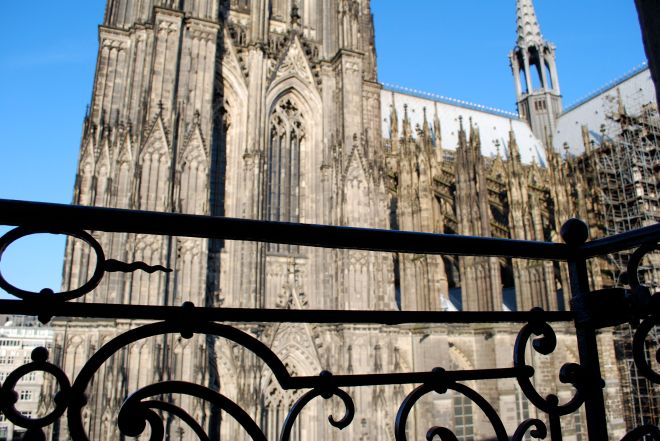
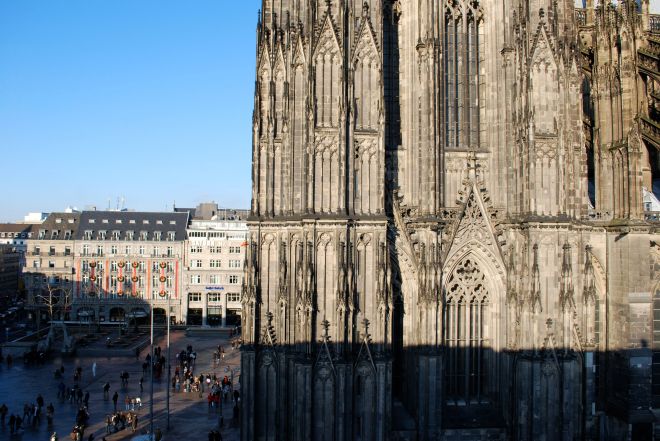
But it wasn’t until we were up in our room did we truly experience the place. Here’s the view from our windows toward the square and up at the cathedral.

DSC_0035

DSC_0035

DSC_0035

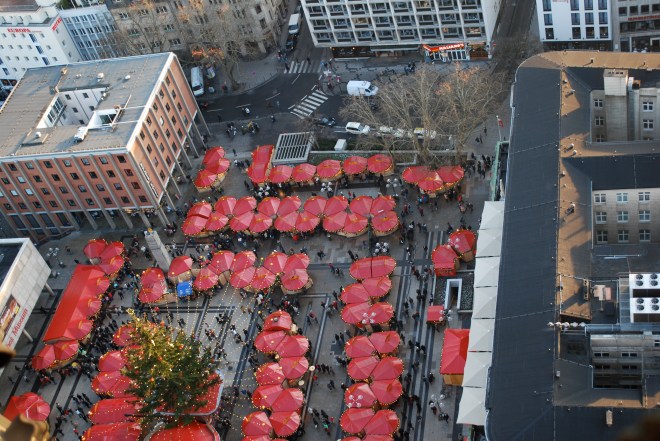
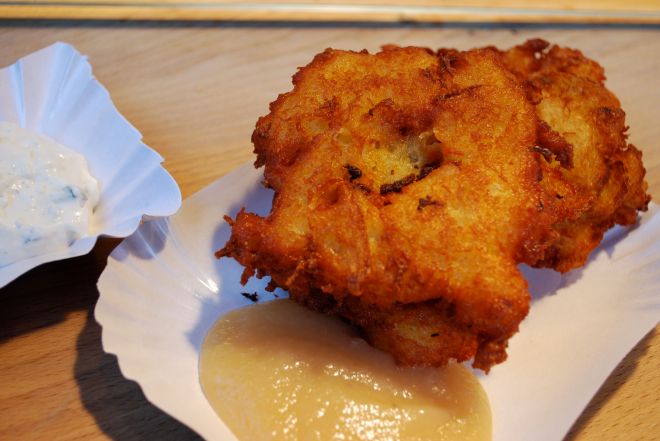
Starving, we made a beeline for the Christmas market, just steps outside the hotel and, thankfully, not closed until tomorrow. Visiting such a place while really hungry is never a good idea — we were beyond indecisive before we simply started eating everything. There were delicious thick ham and slaw sandwiches on baguettes; humongous potato pancakes with applesauce and garlic cream; and super duper sausages that Peter demolished.

DSC_0035

DSC_0035

DSC_0035

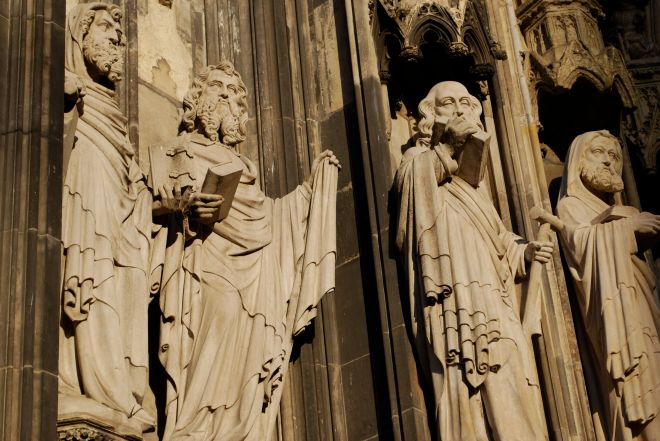
Properly fed, we took a couple of baby steps to massive Cologne Cathedral. It’s the largest Gothic cathedral in Germany and the second largest cathedral in the world — after St. Peters Basilica. Construction began in 1248 and after several starts and stops, was completed in 1880. Photos fail to put its size in perspective. In fact, it was impossible to get a photo that took it all in.

DSC_0035

DSC_0035

DSC_0035

DSC_0035

We walked around the massive interior, taking in the soaring ceilings and colorful stained glass.

DSC_0035

DSC_0035

To burn off lunch, we began our claustrophobia-inducing ascent to the top. Around and around we went up the tight spiral staircase, stopping to check out the ginormous bells before the last leg up an open staircase. Not good for vertigo. But the views were spectacular.

DSC_0035

DSC_0035

DSC_0035

DSC_0035

Back on terra firma, we joined the masses and cruised the main shopping drag. Unfortunately for us, the prices were in Euros and a bit more difficult to stomach. Instead, we retreated to the hotel and relaxed before dinner — at a surprisingly good Italian place called 12 Apostles. Thin crust pizzas and local beers all around.

History of the automobile

Stuttgart, Germany

We grabbed a couple of pastries from the bakery across the street for our 2-hour drive this morning through the Black Forest. The weather was about as nice as a European winter day gets: clear blue skies and temperatures hovering around 45 degrees. Cruising the autobahn, we experienced the German’s notorious driving etiquette. Cars certainly moved faster but the drivers were smart and courteous. No slow movers in the left lane or reckless weaving — basically, the exact opposite as back home.

On the outskirts of Stuttgart, a Mercedes-Benz logo rotated like a beacon in the sky. It was the first of many we would spot in this city, which is home to headquarters to both Mercedes-Benz and competitor Porsche, as well as their sleek and shiny museums.

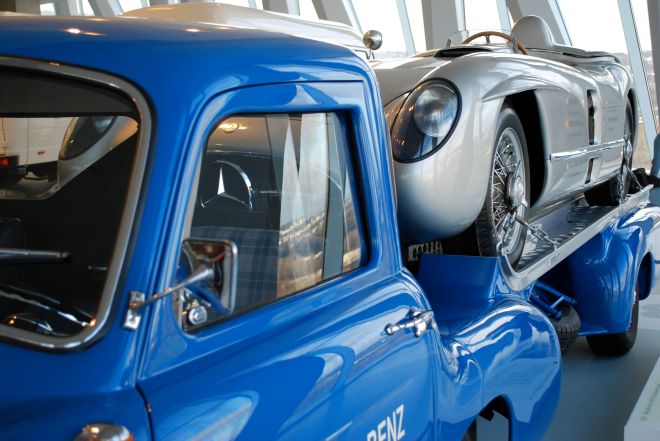
Given our mode of transportation, we started at the Mercedes-Benz Museum, a wavy silver box whose undulating curves gave the impression of movement.

DSC_0035

DSC_0035

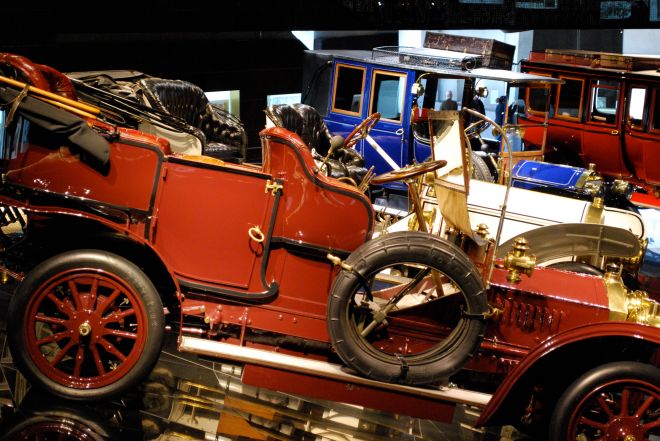
After an elevator to the sixth floor, we started in 1886 with the world’s first four-wheel automobile. From there, we worked our way downward, exploring decade after decade and watching the evolution of the Mercedes. Some of the coolest of the 75 cars were from the 1930s, 40s and 50s.

DSC_0035

DSC_0035

DSC_0035

DSC_0035

Off of each floor was a separate wing with other Mercedes vehicles, like its buses and Pope Mobiles. Unfortunately, we weren’t allowed to board the latter.

DSC_0035

DSC_0035

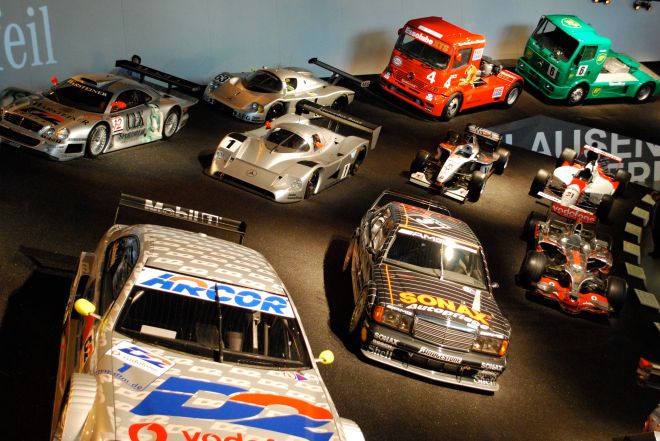
Downstairs, we checked out some of the Mercedes race cars — including the Blitzen-Benz, the Silver Arrow and the Indy car — before grabbing a surprisingly good lunch of schnitzel and maultasche in the café. Peter rocked the meat dumplings but said, for the record, that he prefers spaghetti bolognese.

DSC_0035

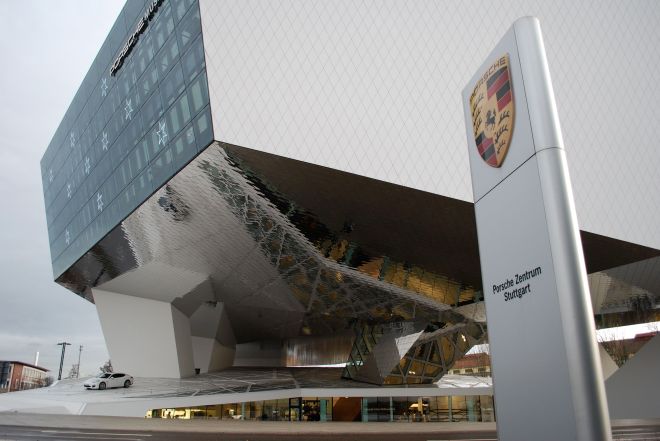
From Mercedes, it was a 15-minute drive across town to the Porsche Museum, completed just this January. From the outside, it was another modern beast with lots of glass, steel and mirrors.

DSC_0035

DSC_0035

DSC_0035

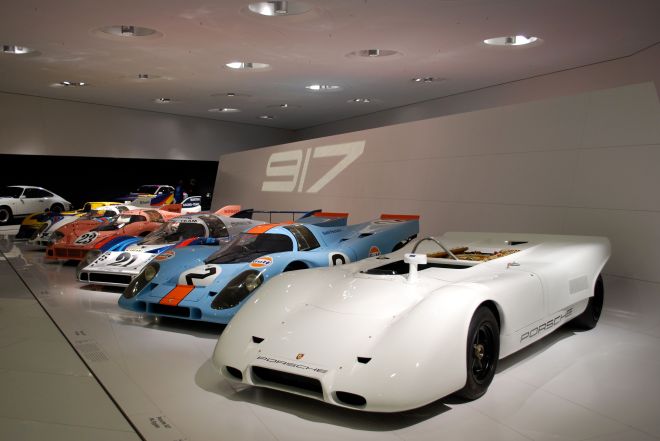
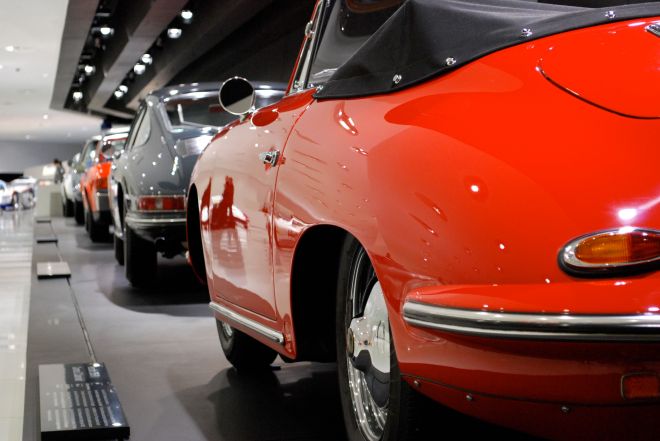
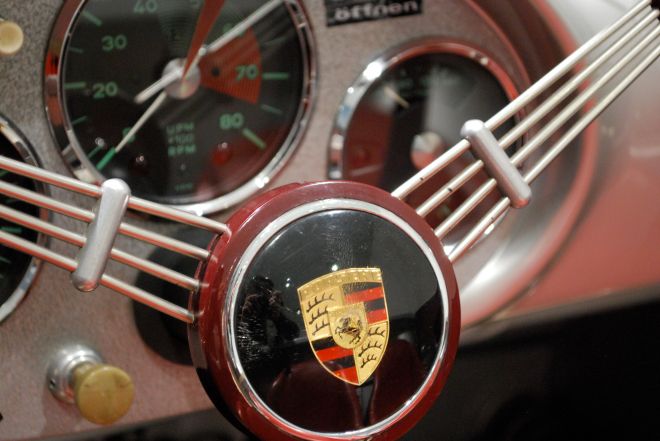
As we were waiting to buy our tickets, some friendly German fellow came over and offered us his unused ones — we danke’ed him and made our way upstairs. The museum was much smaller and provided less history but with around 80 cars on display, was impressive no less.

DSC_0035

DSC_0035

DSC_0035

DSC_0035

Alex got me hanging out with this hot 911 GT1, a “supercar” that is apparently kind of a big deal. We also checked out a new Panamera that had been cut in half. Alright, fine, Porsche, you win. Your cars rock and we all want one!

DSC_0035

DSC_0035

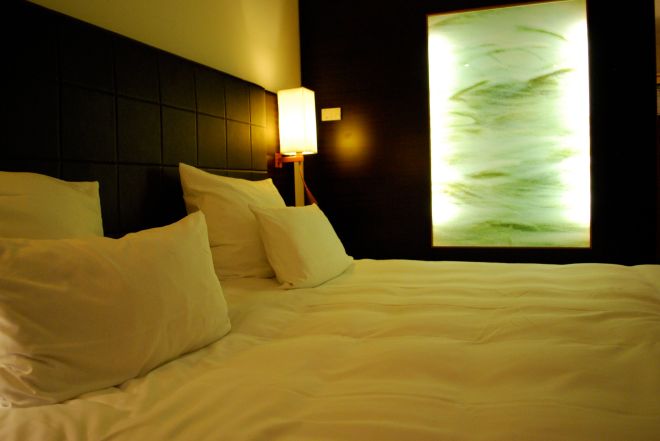
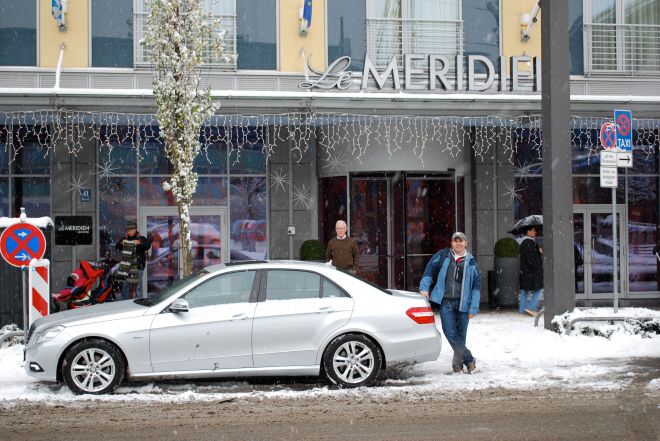
Back at another Le Méridien, we checked in and settled into our comfortable room. The gorgeous spa was about deserted so we took over the fitness center, sauna and steam room.

DSC_0035

DSC_0035

DSC_0035

The concierge suggested dinner at Alte Kanzlei, a contemporary restaurant serving updated traditional German cuisine. Between the schaufele and the rostbraten, washed down with a bottle of Lemberger wine, we don’t think Swabian cuisine could get much better.

Tomorrow, we continue northward to Cologne.

Ludwig’s castles in an E-Class

Augsburg, Germany

The beeping alarm awoke us this morning to dark skies and a steadily falling snow. Combating jet lag, we showered, checked out and navigated the slushy streets to Avis to pick up our rental car. The agent inside promptly informed us that while there were no four-wheel drive vehicles available (as we had reserved), she did have a Mercedes E-Class with snow tires available. We took the keys to the $80,000 car, added extra insurance, and offered a danke.

DSC_0035

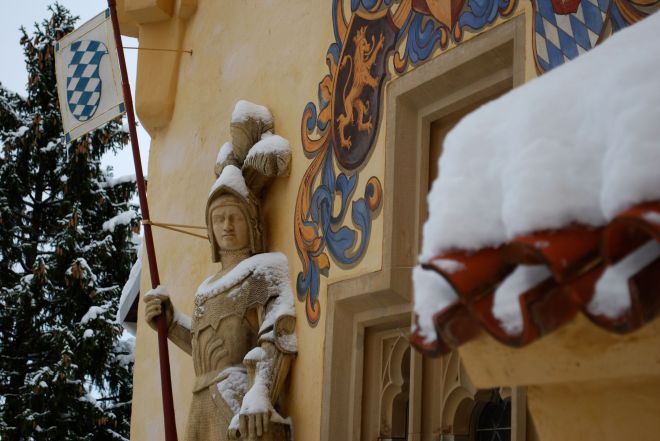
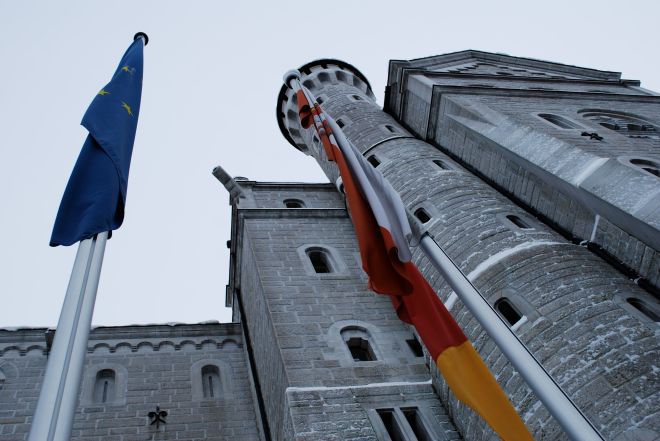
It took us about 1.5 hours to drive south-west to Fussen, home to the royal castles of Neuschwanstein and Hohenschwangau, two of the country’s finest. After parking, we bought tickets and at the appointed time, entered Hohenschwangau, built by Maximillian II in 1836. The original massive mustard yellow structure — sitting in stark contrast to the snow-dusted mountains and evergreens — dates back to the 12th century.

DSC_0035

DSC_0035

DSC_0035

DSC_0035

DSC_0035

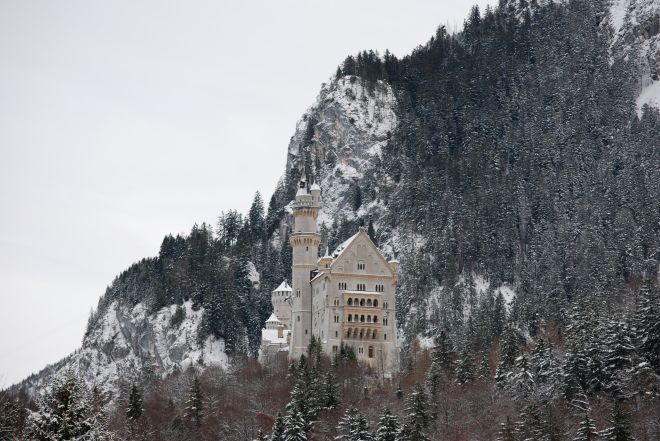
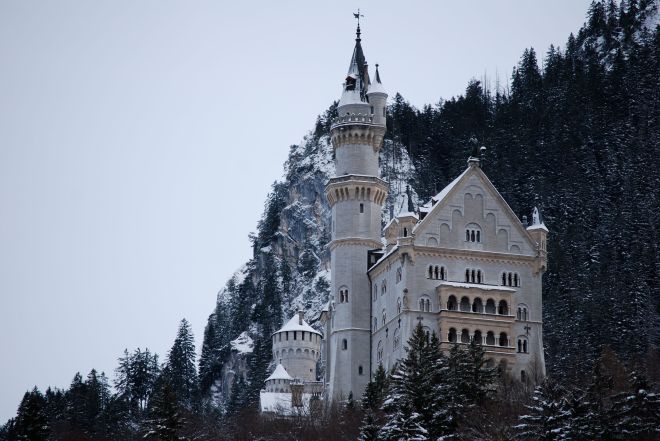
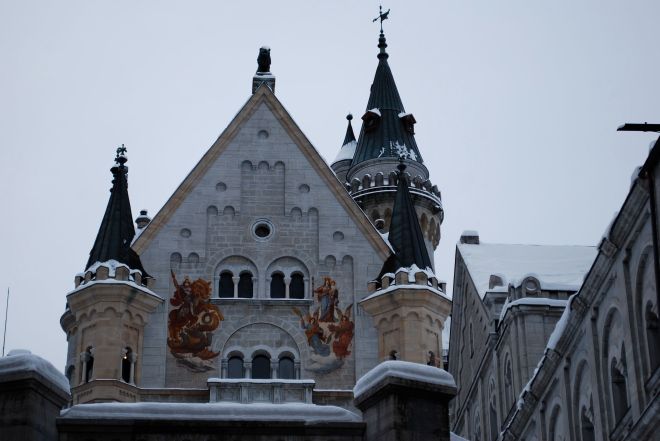
No pictures were allowed inside but the style was heavy Gothic, with lots of ornately carved wood, tremendous chandeliers and mosaic floors. It was a style replicated at Neuschwanstein, the castle of King Ludwig II, Maximillian’s son. This is the castle of fairy-tales, the most photographed in Germany, and the one that inspired Walt Disney’s home for Cinderella. Construction lasted 17 years and King Ludwig lived here for only about 6 months between 1884 and 1886 until his mysterious death.

DSC_0035

DSC_0035

Sweeping views from the castle made the 30-minute muddy walk up worth it. The structure itself was also in great shape despite the fact that up to 25,000 tourists a day visit it during the summer months. We relished the relative quiet of our off-peak visit.

DSC_0035

DSC_0035

DSC_0035

DSC_0035

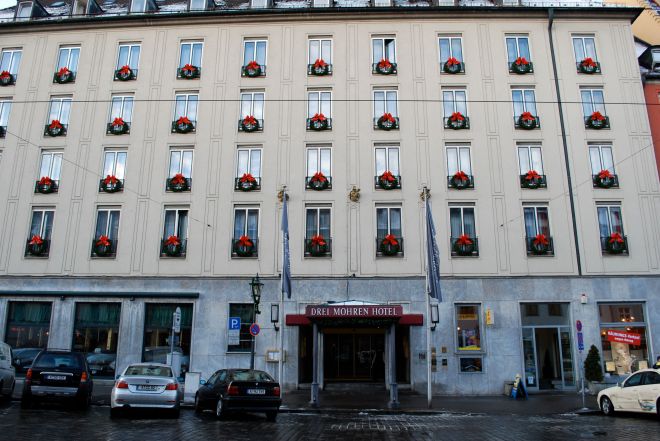
With the sun starting its late afternoon descent, we piled back into the E Class for our drive north to Augsburg. This city, the largest on the Romantic Road, was founded 2,000 years ago. We assumed that our five-star hotel, Steigenberger Drei Mohren, itself dating to 1723, had been updated since. Unfortunately, our drab, uninspiring room left a good deal to be desired. Still, it was clean and comfortable and served its purpose — a stop-over base for the next 12 hours.
DSC_0035

DSC_0035

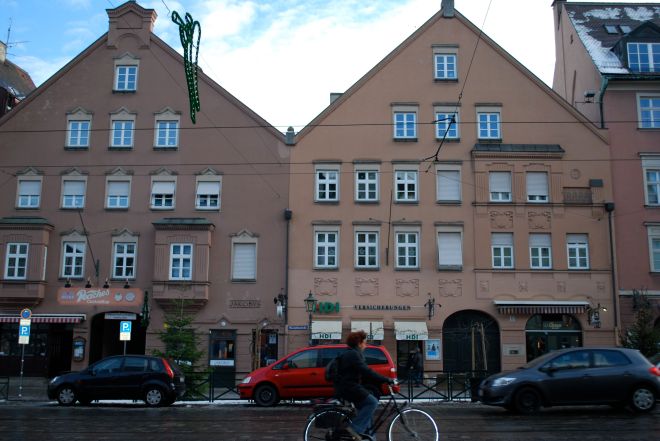
The city itself was quiet and quaint, with cobblestone streets and an assortment of shops and old burghers’ houses lining the main drag, appropriately named Maximilianstrasse.

DSC_0035

DSC_0035

As darkness fell, we passed over the Christmas Market in search of dinner. Suddenly, an illuminated neon cactus came into view. Next thing, we were eating chicken fajitas and drinking margaritas at Sausalito’s, a somewhat tacky Tex-Mex chain.

Twenty-four hours into it, we were already over sausages.

Return of the schnitzel

Munich, Germany

The tweet was a bit premature.

In fact, the impending snowstorm that hit New York this afternoon caused more problems than we had anticipated. With a late afternoon departure to Europe, we thought we might get out in time before the forecasted 12-18 inches shut down JFK Airport and jeopardized our travel plans.
The extra security (including intrusive pat downs) we received at the airport might have been the first ominous sign that this was going to be a long trip. Yet, we boarded on time, got deiced and then sat on the runway for 2 hours. By the time we had made our way to the front of the queue for take-off, our deice time window had expired and we needed to return to the terminal. Meanwhile, the weather deteriorated, raising concern that our flight would just be canceled.

Our pilot remained committed to getting us to Germany though. And three hours later, after spending nearly as much time on the ground as we would in the skies, we were airborne for Munich. We touched down at around 12 noon local time, about 4-hours later than estimated, and grabbed a taxi that raced us to our hotel, Le Méridien, in what seemed like record time.

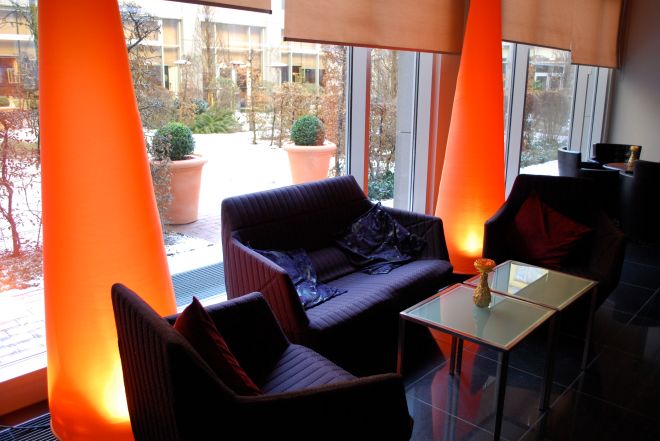
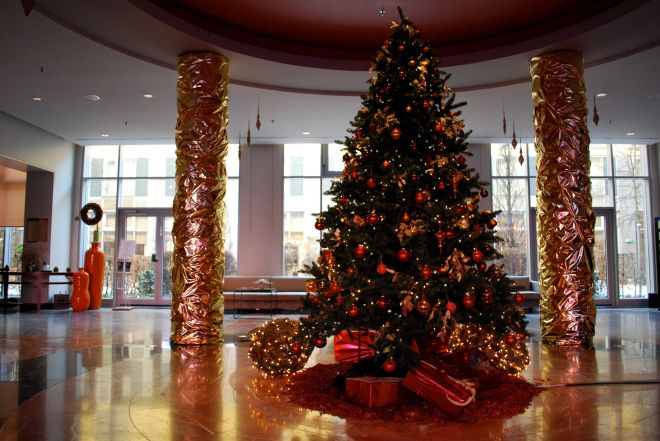
There wasn’t a pink-footed tub but the festively decorated hotel was comfortable and sufficiently trendy. (See funky orange tube lights in lobby.)

DSC_0035

DSC_0035

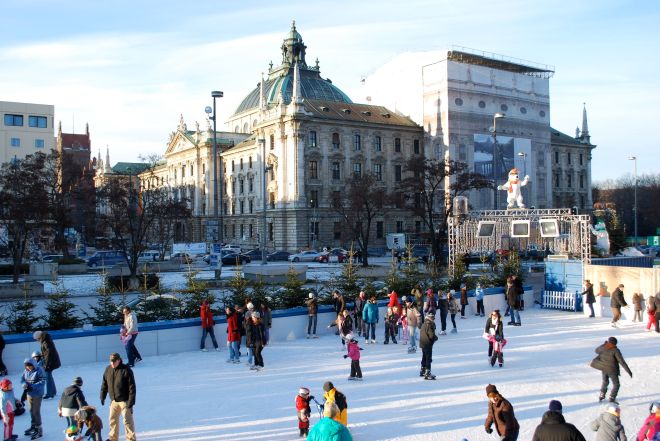
Our location was across the street from the central station, about a 12-minute walk to Marienplatz. Under clear blue skies but unseasonably cool temperatures, we made our way to the hub of old city life here in Munich, passing ice skating rinks and frenzied shoppers.

DSC_0035

DSC_0035

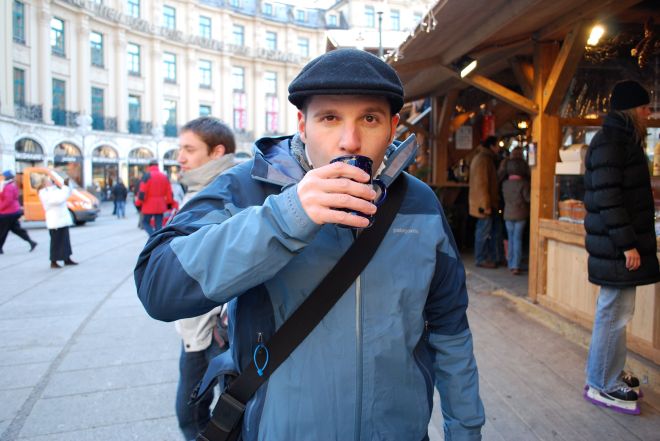
Along the way, we stopped at our first Christmas Market, filled with stalls selling small gifts, crafts — and, more importantly, mulled wine and sausages. Hello, Germany.

DSC_0035

DSC_0035

DSC_0035

Unsurprisingly, throngs of tourists were lined up to witness the spectacle that is the Glockenspiel. The thought of standing around to watch animatronics do a little jig while breathing in the icy German Tundra air didn’t appeal to us. Onward we went.

DSC_0035

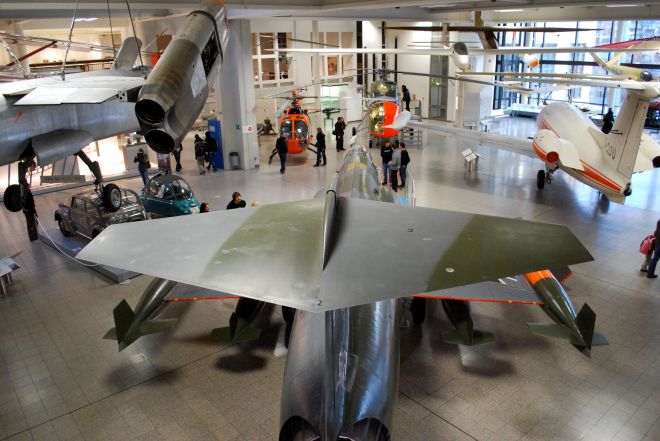
We found shelter from the bitter cold at the Deutsches Museum; the largest technological museum in the world, it would be better described as the Man Museum. A couple of hours didn’t do this place justice, but we did see the first Benz automobile, the first diesel engine and more airplanes, helicopters and space ships than we thought could be crammed into a museum.

DSC_0035

DSC_0035

Post museum, we refueled at Hofbrauhaus, the world’s most famous beer hall. With roots originating in 1589, this place has undergone several reincarnations but today houses close to 5,000 drinkers. There’s a brass band, big 1 liter beers and plenty of sausages and sauerkraut.

DSC_0035

DSC_0035

DSC_0035

Exhausted from our travels and exploding with swine, we returned to the hotel for some sauna, steam room and jacuzzi action. Adequately sweated out, we collapsed into our soft beds.

Like the good youngest brother he is, Peter took the cot.

Slopes of Stowe

Stowe, Vermont

Stowe is your iconic Vermont ski town. Think church steeples, lots of organic, locally-sourced restaurant ingredients, Volvos galore and a generally laid back, yet highly sophisticated, population. Dinner conversations revolve around why Obama has not demanded the public option (thus alienating the party base) and debate of whether this small town should cave and allow its first chain store to set up shop.

We stopped for hot apple cider and fresh donuts at Cold Hollow Cider Mill, where the intoxicating smell wafted into the parking lot. Across the street was the Cabot Annex Store, with free cheddar cheese samples galore, including an awesome spicy buffalo and horseradish.

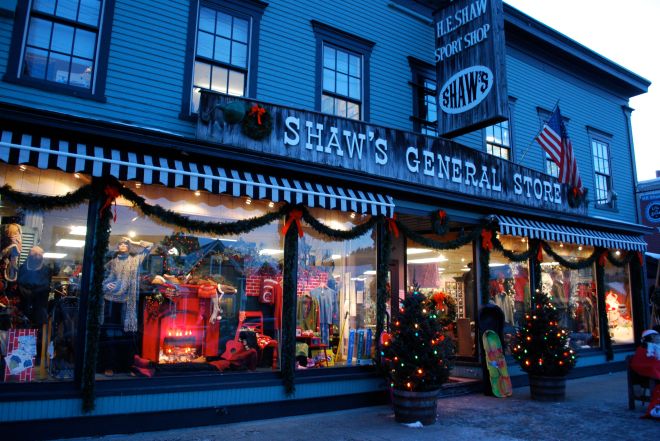
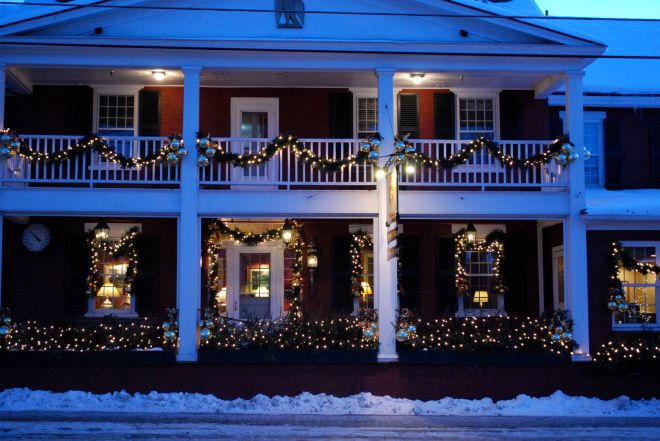
The streets of Stowe were festively decorated, yet quiet in the early morning light. We walked past Shaw’s General Store, which dates from the 1890s, as well a handful of quaint New England inns and arts and crafts stores.

DSC_0035

DSC_0035

DSC_0035

Up the road, we checked into the Stowe Mountain Lodge, the only ski-in, ski-out hotel at the mountain. The ski valet took care of Charlotte’s equipment (warm boots are a must) and we took in the beautiful accommodation, completed just last year at a cost of $400 million. With the staff bowing to our every need, we felt like owned the place. (In fact, all Americans do. The ski resort is owned by AIG.)

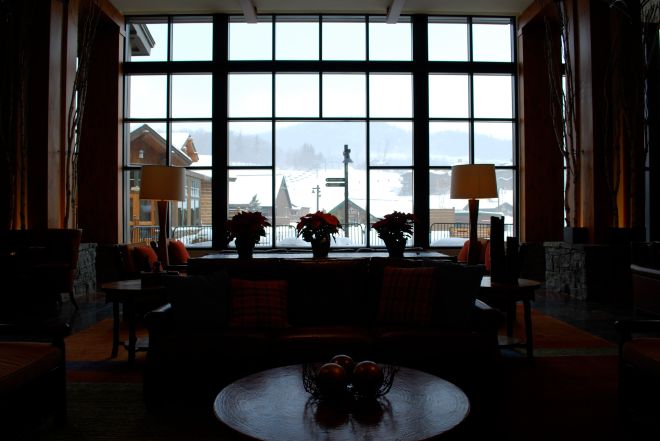
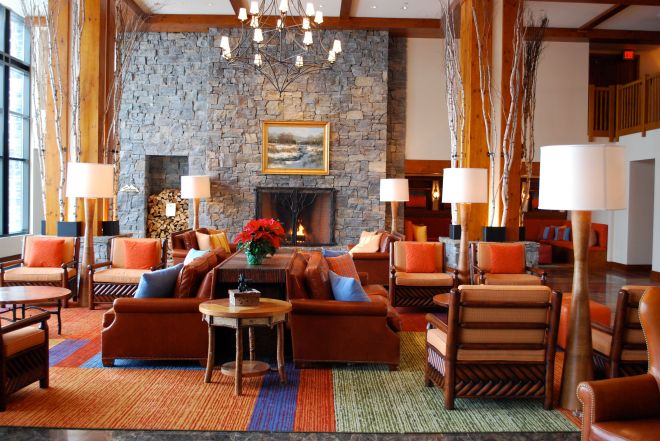
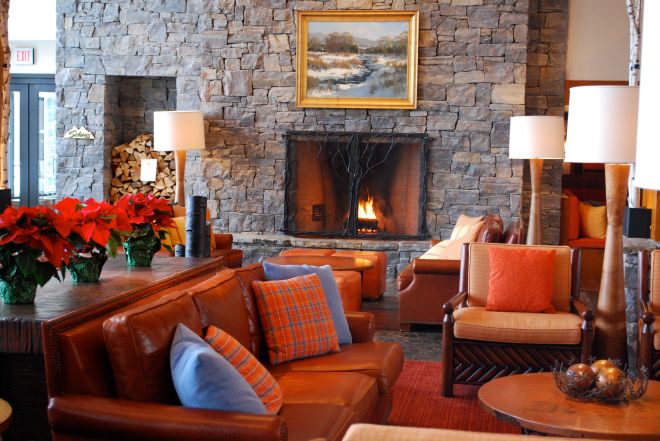
The double story windows overlooked the slopes and a fire roared in the hearth. Exposed timber, birch and perfectly cut and fitted New England-y stonework abounded.

DSC_0035

DSC_0035

DSC_0035

After taking the Over Easy gondola, we tackled Mount Mansfield (the highest point in Vermont), where the slopes were in surprisingly good shape for this early in the season, per my expert guide. We tore down the well-groomed and fresh powder trails for most of the morning, before a hearty lunch and an afternoon at the quieter Spruce Peak, the smaller of Stowe’s two mountains.

Back at the lodge, we found a young staff falling over to assist us — yet largely (and somewhat sadly) failing miserably. Our room was not yet ready although it was past 3 p.m. and when we were finally brought upstairs by the bellhop, we were surprised to find it already occupied with other guests. A broken hairdryer we called about was not replaced and it took three separate calls to get coffee that had not been replaced by housekeeping.

With that said, it was a gorgeous space, with a gas-burning fireplace, comfy down comforters, a marble bathroom and an outdoor hot tub.

DSC_0035

DSC_0035

We heated some red wine in our small kitchenette and mulled in some spices. Sitting in front of our fireplace watching the wind howling by, resting our weary feet on the coffee table, we dozed off.

The chill of Burlington

Burlington, Vermont

From the relative warmth of Savannah, we returned to Chapel Hill for our flight north to Boston, where a biting cold front had conveniently settled in. From there, it was about a 3-hour drive to Burlington, the socially conscious college town home to UVM, Phish and Ben & Jerry’s. As we approached, the Jetta’s thermostat plummeted, eventually bottoming out at -1 degree.

In other words, the perfect time for ice cream.

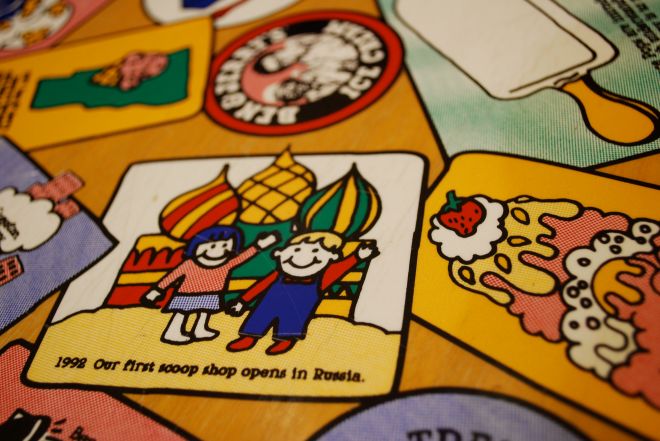
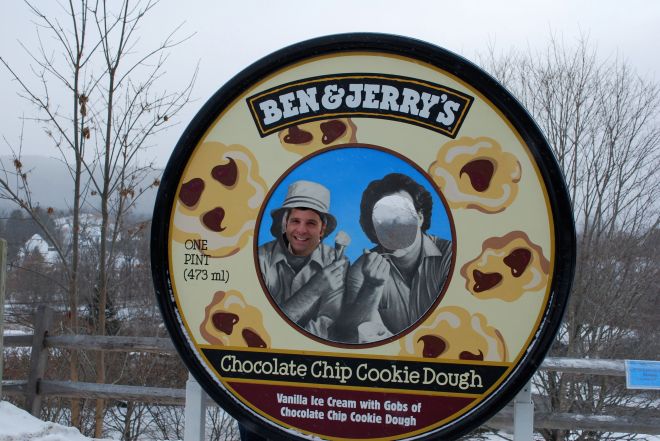
Ben & Jerry’s originally factory sits in Waterbury. We made our way up the icy steps, past a Flavor Graveyard, where classics such as, American Pie, Peanut Butter Cookie Dough and The Godfather fade into memory. Inside, we bought tickets for a tour, wandered the massive gift shop and took the obligatory Head on Label picture.

DSC_0035

DSC_0035

DSC_0035

DSC_0035

Our quirky tour guide gave us a quick history of the company — two surprises: neither Ben nor Jerry had any past experience in food and beverage and the company was sold to Unilever in 2000. We learned that all ice cream starts with a vanilla base and the containers are rotated when the toppings are added in order to ensure even distribution. But watching thousands of pints come off the conveyor belt, we started to lose interest — just feed us already!

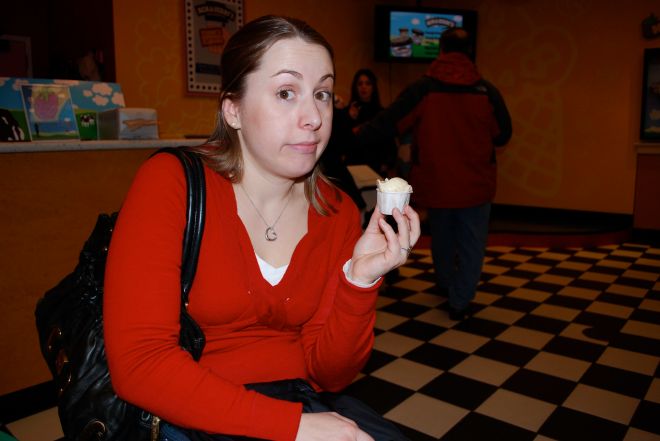
It was time for the tasting of a new flavor: Maple Blondie, a maple ice-cream concoction with blonde brownie chunks & a maple caramel swirl. This being Vermont, the maple syrup flavor was strong and delicious and we liked the crunch of the brownies.

DSC_0035

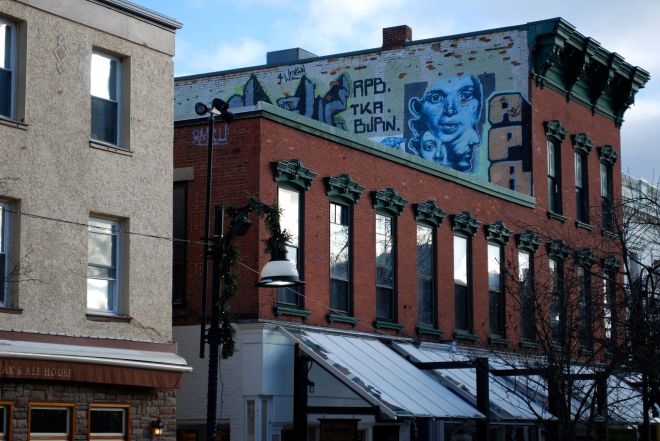
Sweet tooth satisfied, we made our way into downtown Burlington and had a proper lunch at Leunig’s Bistro, which overlooked bustling — and bone-chilling cold — Church Street, the city’s social center.

DSC_0035

DSC_0035

DSC_0035

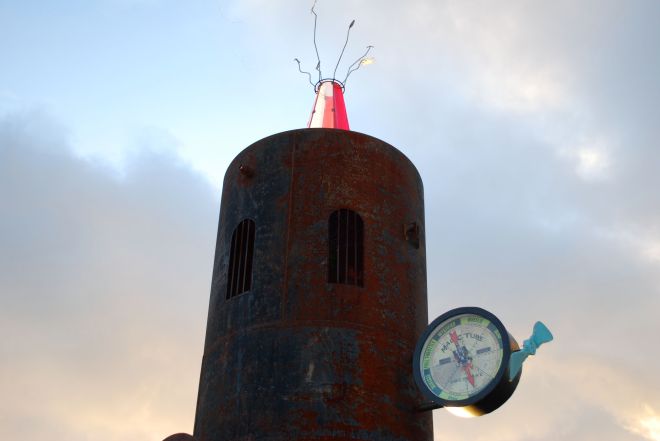
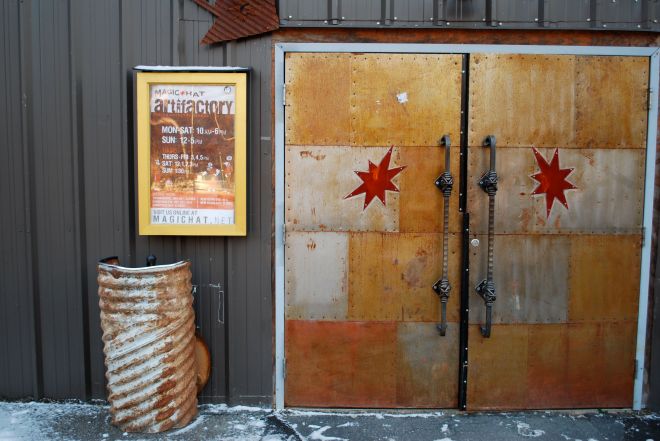
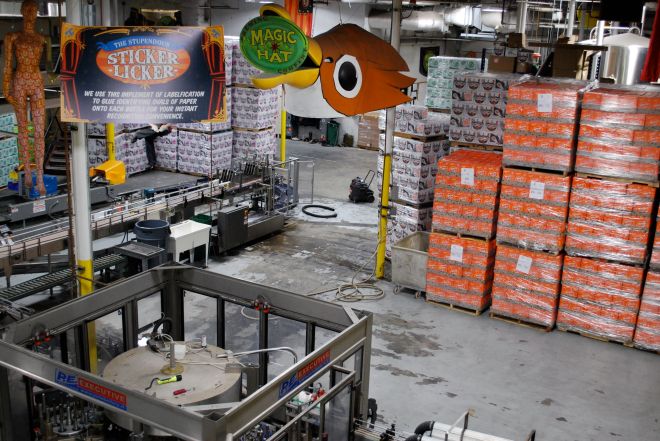
It was difficult to spend more than a couple of minutes outside, so we hopped back in the car, blasted the seat warmers, and found Magic Hat Brewery. One of the best known of Vermont’s microbreweries, it is housed in a funky factory on the outskirts of town. Beer pros that we now are, we rocked the self-guided tour.

DSC_0035

DSC_0035

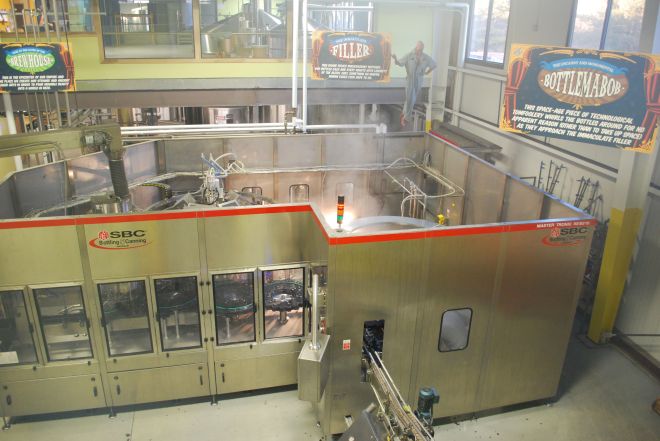
My favorite machine was the Bottlemabob, which according to a placard, was a “space-age piece of technological toomfollery [that] whirls bottles around for no apparent reason (other that to take up space) as they approach the immaculate filler.”

DSC_0035

DSC_0035

Back downstairs, we cozied up to the bar and tasted our way down the taps, including the Christmas-y winter ale and iconic #9.

DSC_0035

“Is anyone here for the guided tour?” one of bartenders hollered as we walked out the gift shop. A few North Face-clad twenty-somethings raised their hands. “Ah, damn it,” he replied. “Just have some beers instead.”

They nodded and sat back down.

Paula always wins

Savannah, Georgia

Although the temperatures were unseasonably cool, the sun was out this morning. We checked out of the hotel and loaded up the car for our short drive to Tybee Island, better known as Savannah’s Beach. This time of year it was particularly quiet — the beach supply stores and restaurants long closed for the season and strip motels advertising off-season rates.

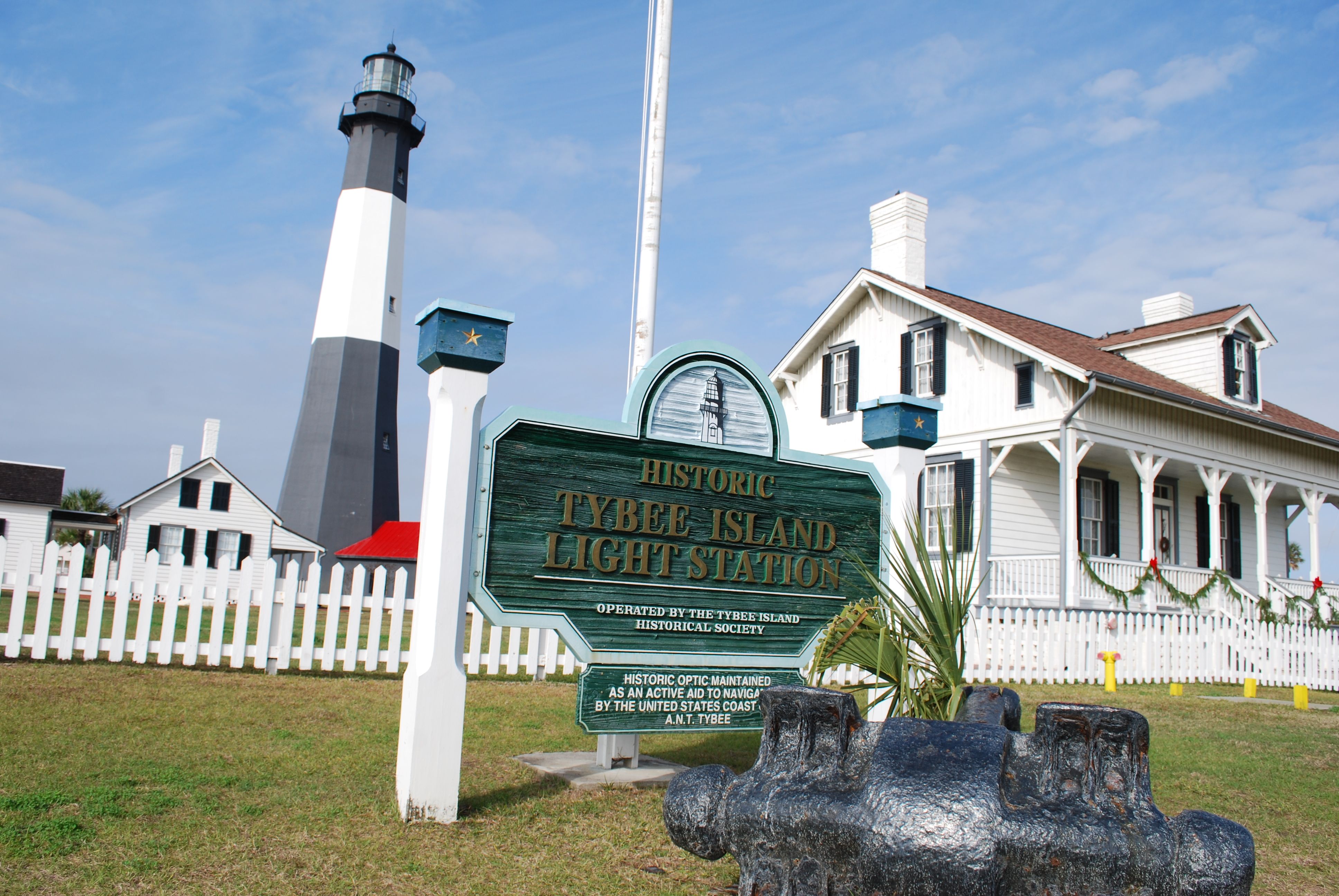
We had come to see the Tybee Island Lighthouse, one of the country’s oldest. It dates back to 1736, when it was the tallest structure in colonial America (a towering 90 feet). Since then, it’s been rebuilt and today is one of a handful of eighteenth century lighthouses still in operation.

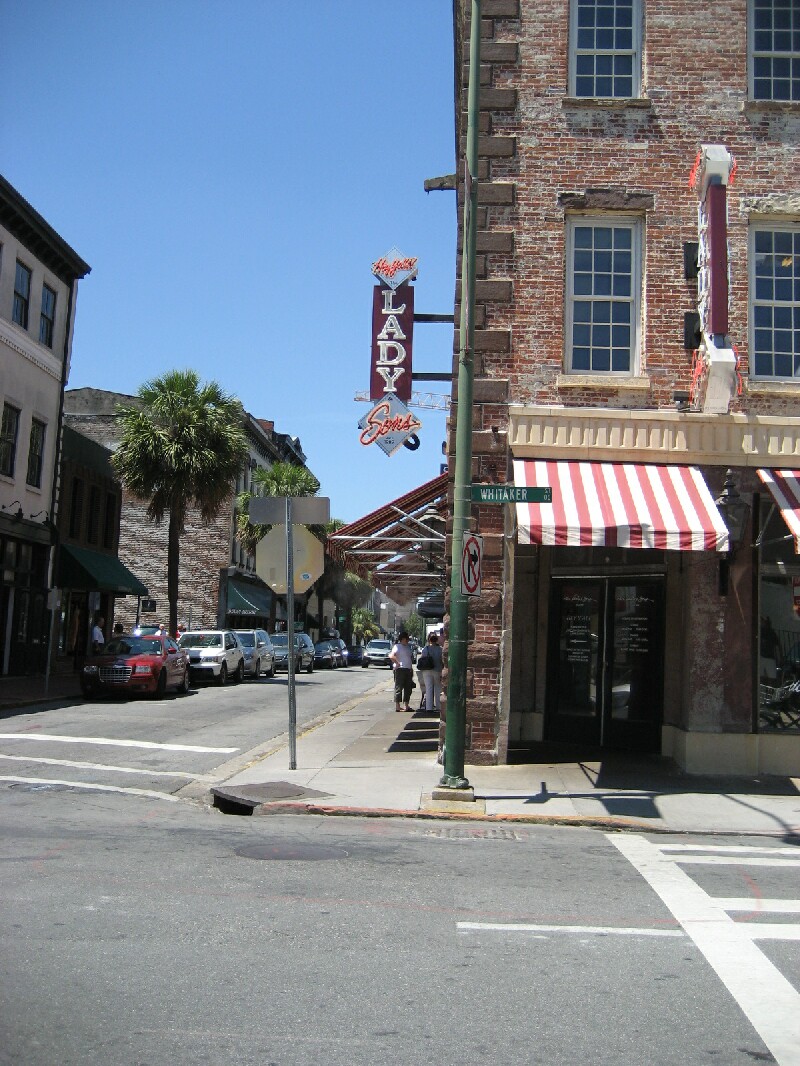
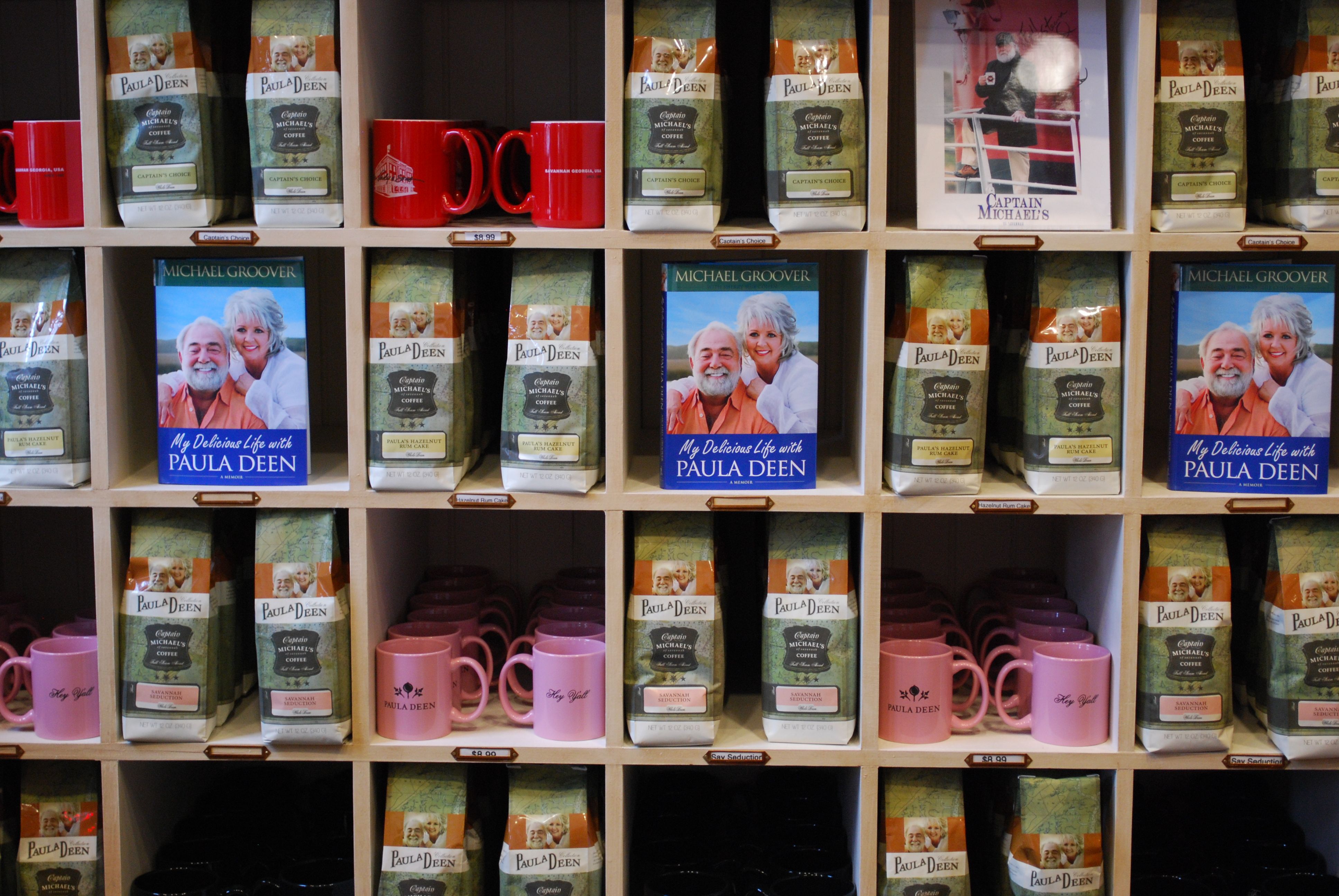
A walk on the beach worked up an appetite for our lunch at The Lady and Sons, the Mecca of traditional Southern cooking headed by the Food Network Grand Dame herself, Paula Deen. Per instruction, we had made a reservation directly with the hostess that morning — they are not accepted by telephone. Having arrived a few minutes early, we strolled the sprawling gift shop with its Paula Deen lip balm, cook books, shot glasses, fans and knives. Paula has not been too discriminating with what she has slapped her face, name or signature “Hey Ya’ll!” on.

Finally, the time arrived to be seated and we were escorted to our table by a walkie-talkie wearing hostess. Quickly, our friendly waiter delivered steaming hot hoecakes, promptly doused in butter and syrup. Clearly, it was to be one of those meals. Glancing at the overflowing buffet, we were tempted but decided to order off the menu. We would not be disappointed.

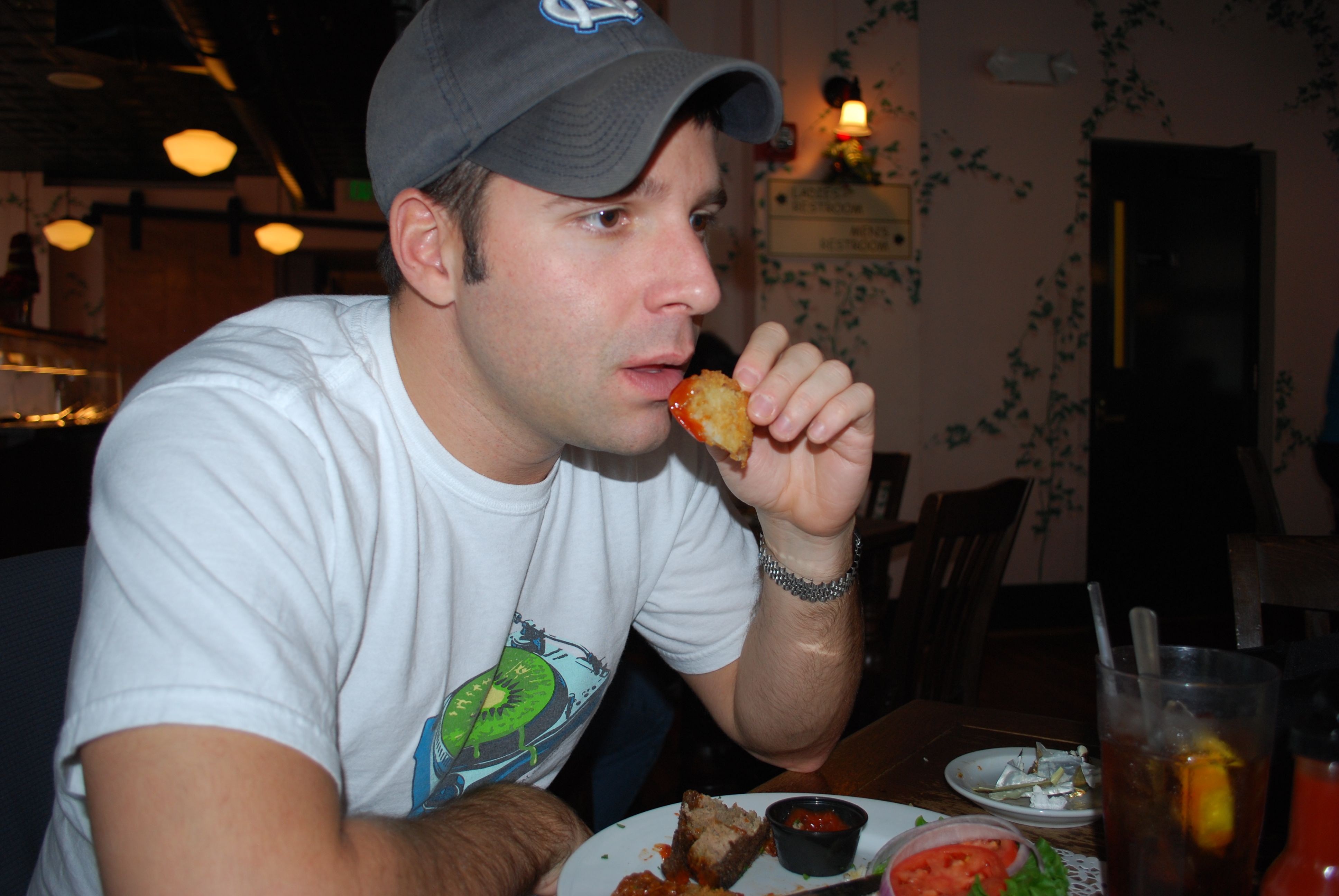
The Savannah meatloaf sandwich came with several thick slabs of meatloaf on grilled pumpernickel with wild mushroom mayonnaise. It was accompanied by pickled tomatoes and huge sliced potatoes (or what non-Southerners would described as “French fries”). Cooked perfectly, juicy and well-spiced, it gave SANDWHICH a serious run for its money.

Meanwhile, the pulled pork sandwich was outrageous — pork butt, pulled and smothered in Paula’s BBQ sauce and served on a bun with fries and slaw. The pork was just scrumptious, juicy, tender, thick. This lady knows her pig! Washed down with some fresh brewed Luzianne iced tea, we agreed that it couldn’t get better.

It was an intense lunch that left me wanting more but unable to find room for just one more fry.

We had no room left so took a pecan pie to go — that evening, we demolished the gooey, sweet and crunchy masterpiece.

As our waiter cleared away our plates, still filled with mounds of food, we sighed in surrender. “She wins,” we whispered.

“Paula always wins,” he responded.

Midnight in the Garden

Savannah, Georgia

It was a simple — yet monotonous — 350-mile drive down from Chapel Hill this morning. Crossing the bridge from South Carolina, we arrived in Savannah, some would say the quintessential Southern city, with squares, fountains, cobblestone streets and the slow winding Savannah River lined by street musicians blaring away on saxophones. Savannah is perhaps best known as the backdrop of Midnight in the Garden of Good and Evil, the John Berendt novel that spent 216 weeks on the New York Times bestseller list, longer than any other book.

Savannah is also undergoing a transformation. There’s a burgeoning arts scene, driven largely by the recent expansion of the Telfair Museum and the continuous innovation of Savannah College of Art and Design. And there’s money pouring into historic restoration, including Ellis Square, a square turned parking lot now being re-transformed to its original state.

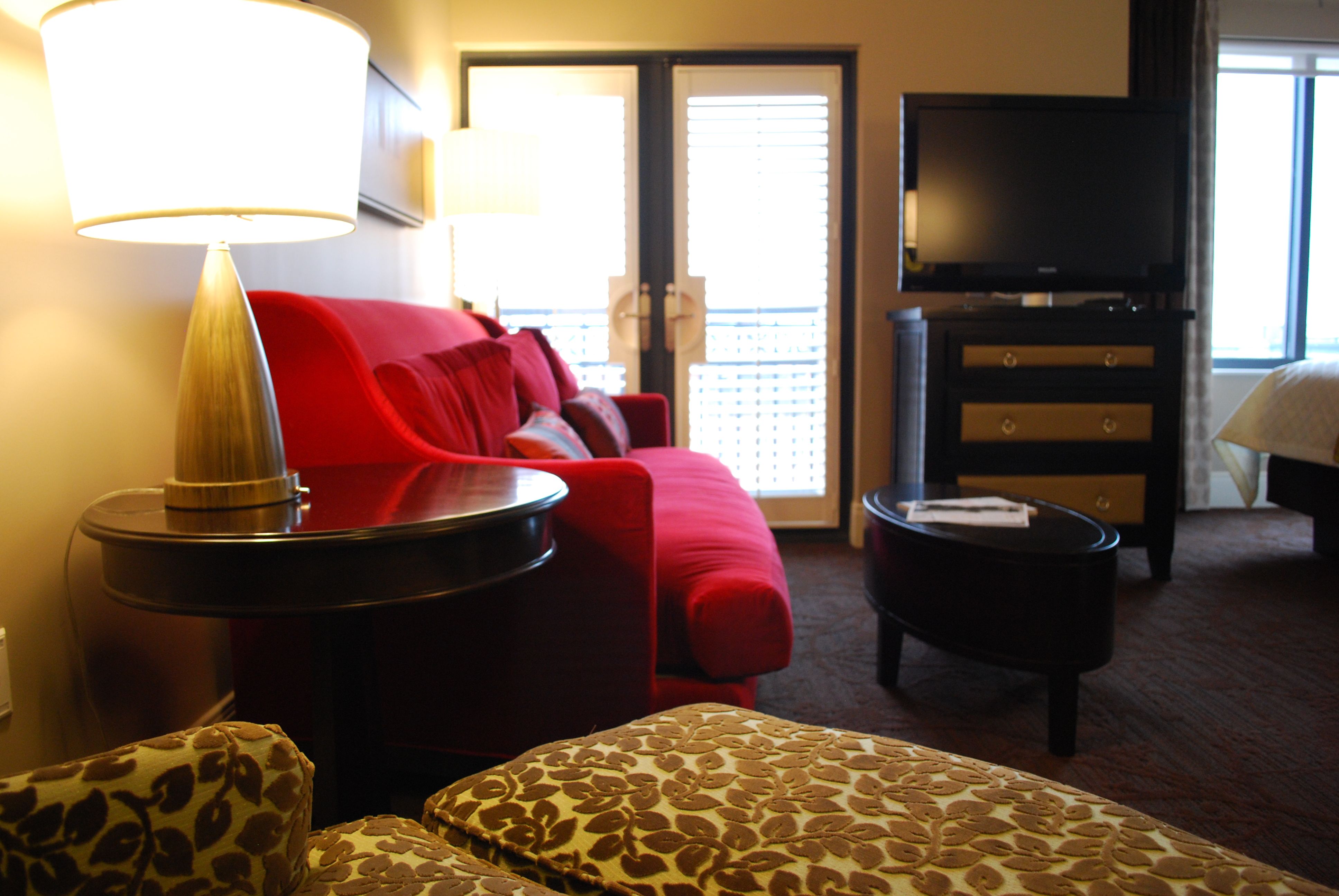
Our hotel, AVIA, itself a new addition, overlooked the Ellis Square construction. Inside was a modern and serene atmosphere, coupled with true Southern hospitality. After a friendly welcome from the front-desk receptionist, we were promptly upgraded to a Grand Studio Suite, which offered views of the historic district and plenty of space — including a full kitchen.

The Mercer Williams House provided an appropriate introduction to Savannah. The fully restored house, originally built in the 1860s, was the site of the violent act memorialized in Midnight in the Garden of Good and Evil. Jim Williams, who restored the house, was acquitted of murder three times. Today, there are tours of his garden and veranda, as well as the first floor parlor rooms, with their hundred year old tiled floors and artifacts from a bygone era.

Interestingly enough, Williams’ sister still lives on the second floor.

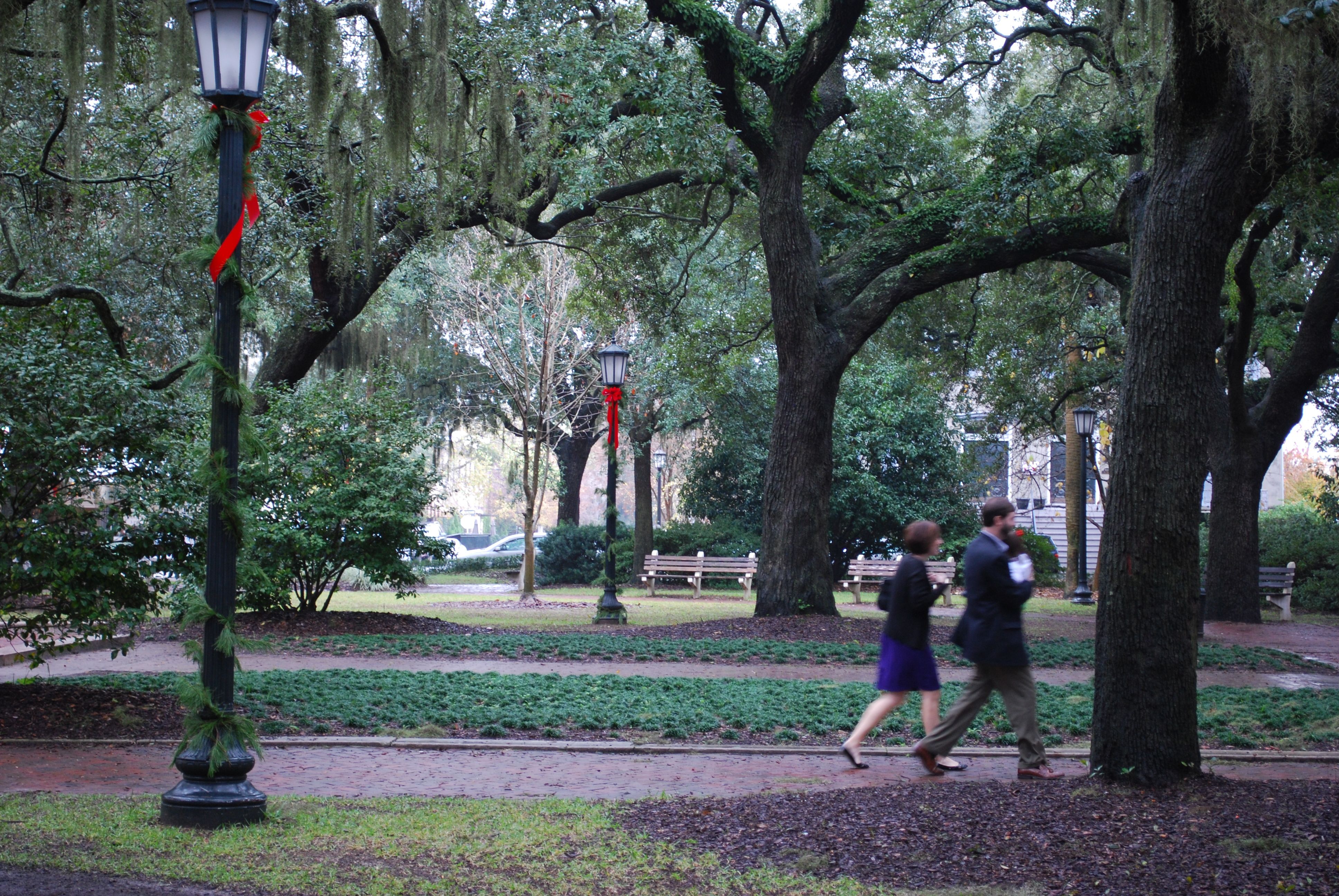
Outside, we wandered among the streets, squares and fountains of the historic district. We passed the bench that served as the backdrop for Forrest Gump, spotted lamp posts and gracious homes festooned in holiday decor and walked the quiet paths of Forsyth Park.

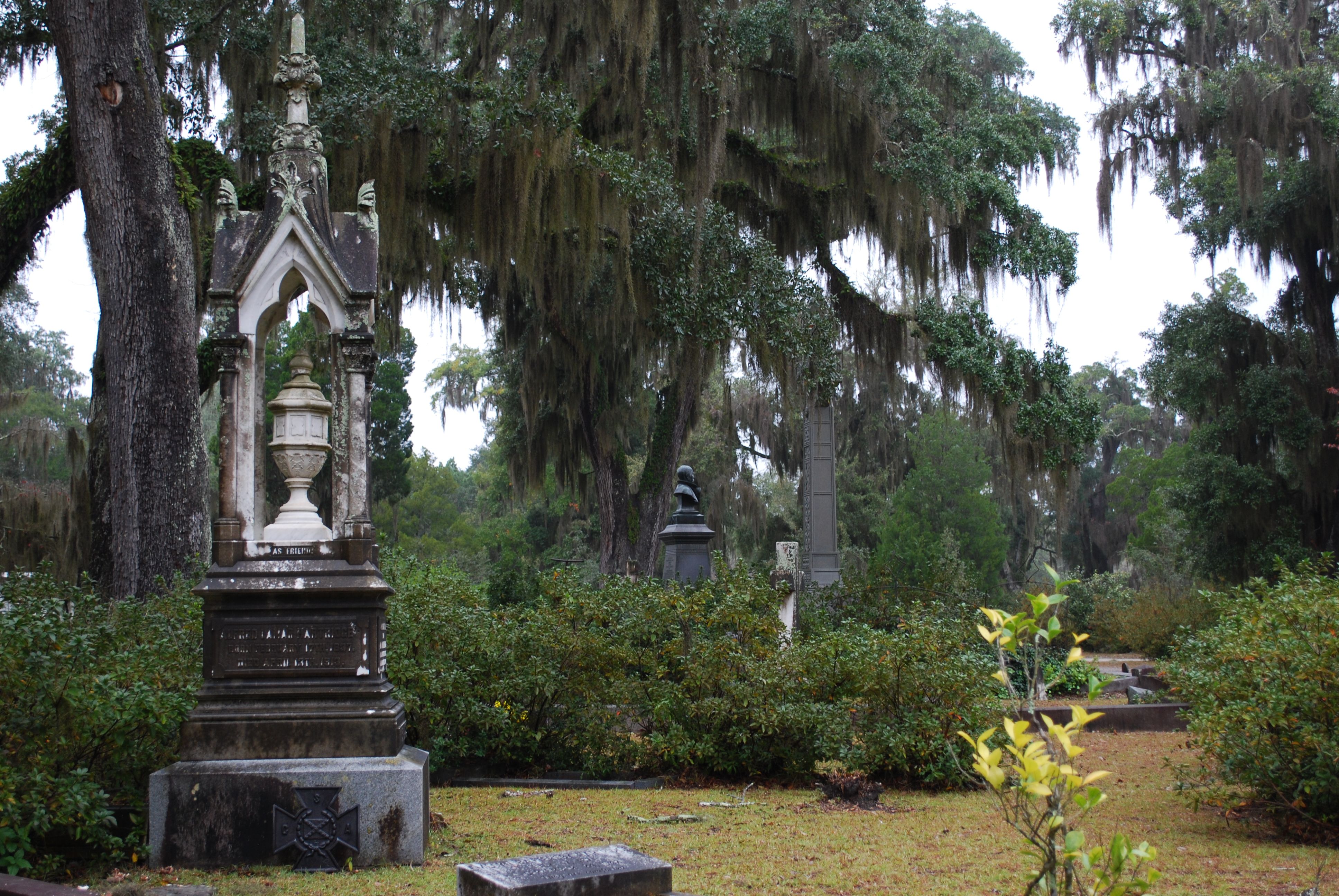
With a light mist falling, we drove out to stately Bonaventure Cemetery, the final resting place for some of this city’s most notable residents, including Conrad Aiken and Johnny Mercer. Towering oak trees — some 250 years old — sit overhead draped with Spanish moss, creating both an eerie and peaceful atmosphere.

Back at the AVIA, we showered before checking out the shops on Broughton Street, including a really cool furniture store, 24e, that was having a barn-burning sale.

We snatched up some goodies, opted for a non-low country cuisine dinner and crashed out.

On the final day, art

Christchurch, New Zealand

Our room rate included a continental breakfast, which was mediocre at best. The croissants were stale and the brewed coffee would not have won any awards. Given the accolades that the George has received, it was a bit disappointing.

On this, the final day of our two-week trip through New Zealand, we focused on art, starting at the Christchurch Art Gallery, a beautifully designed yet completely bizarre place. The gigantic inflatable finger in the lobby might have been our first sign that this museum would have us questioning the definition of “art.” (Similar to my experience at MUMOK in Vienna.)

DSC_0035

DSC_0035

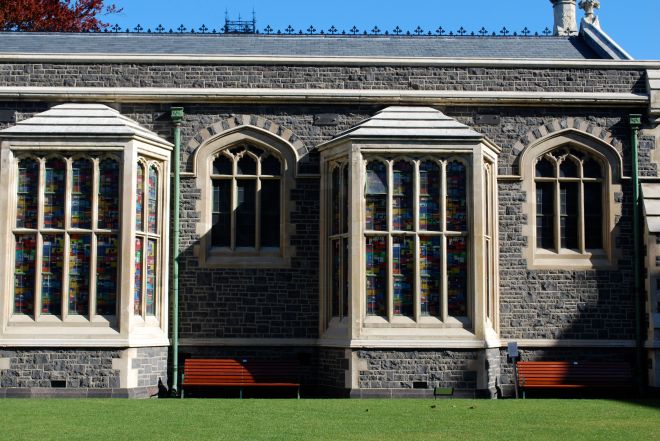
The Arts Center was much more up our alley. Formerly University of Canterbury, the gothic building has been transformed into a cooperative, with independent artists setting up small studios within. We purchased some gifts from a local potter before heading back to the hotel.

DSC_0035

DSC_0035

DSC_0035

High Street and SOL Square is the fashionable part of Christchurch, so we headed there next to look at the terribly unfashionable clothing boutiques and small art galleries. Nood, a furniture store specializing in mid-century modern furnishings, was selling a really cool George Nelson clock at a great price. It was too good to pass up.

Now, I’ve just got to figure out how the heck to haul it home.

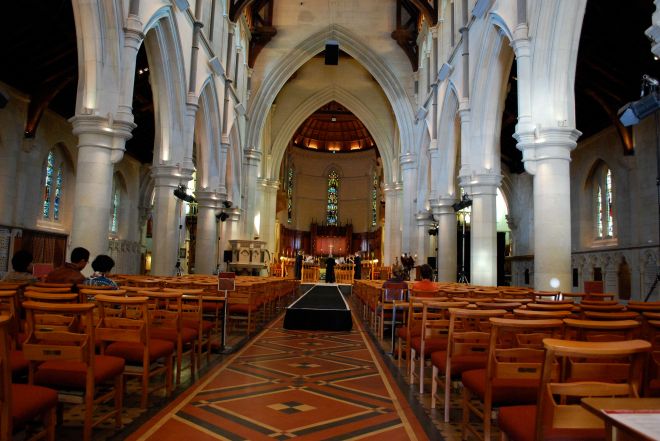
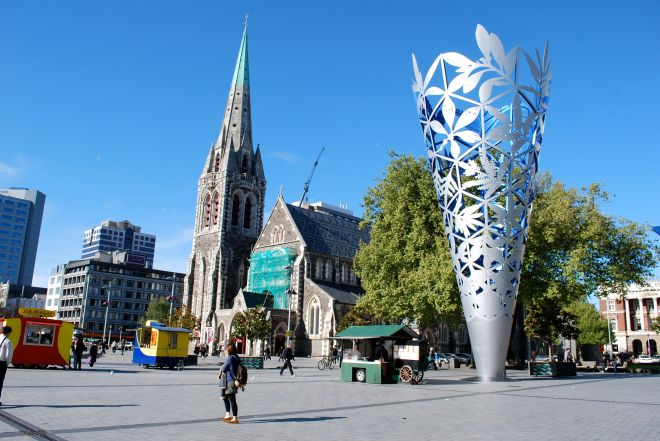
Returning to the George, we walked through central Cathedral Square, where alongside the namesake Christchurch, a modern conical sculpture had been built to commemorate the millennium. Inside, a choir practiced and intricate stained-glass windows lined the walls.

DSC_0035

DSC_0035

DSC_0035

DSC_0035

The saleswoman at Global Culture (cool t-shirts) recommended an Italian place on Columbo Street for dinner. Café Valentino had a hearty seafood chowder (“It’s yummmmmy,” the store clerk had said earlier in the day. We now agreed.). The thin-crust pizza, however, which we had heard was baked in a wood-burning oven, was a little soggy.

As we finished up our Mac’s Gold beers, we reflected on this remarkable island nation. The Kiwis are some of the most friendly, outgoing people that we have ever met. They are trusting and clearly place a strong emphasis on community and family. Their isolation here has bred within them a perpetual need for adventure. It has also instilled a sense of sustainable building practices and contemporary architecture — although their fashion sense is far from that of Paris.

Having driven about 2,000 miles of it, we can say that this is a beautiful country, one with 4 million residents and 40 million sheep. It is raw and, at times, desolate. But it is these very characteristics that makes New Zealand one of the most spectacular places that I’ve ever visited.

My hellish trip home, about 13,000 miles and 30 hours, commences at 9 a.m. tomorrow. I’ll fly from Christchurch to Auckland to Los Angeles to Memphis to Raleigh. Remarkably, if all goes as planned, I’ll be back in Chapel Hill at 8 p.m. — on the same day.

Nothing like ending a trip like this with a bit of time travel.

Horticulture in the “Garden City”

Christchurch, New Zealand

After so many early wake-up calls, it was nice to sleep in this morning.

On the recommendation of Lonely Planet — confirmed by our hotel concierge — we walked into town for breakfast at Vudu Café. It was easily the best of our entire trip. The flat whites were creamy, rich and sweet. But it was the lemon butter pancakes, topped with fresh black and blueberries and maple syrup, that were just delicious.

We packed our bags and dropped off the rental Toyota at the airport. Avis then proved it is the world’s best agency by eliminating our one-way drop-off fee and reducing the bill by about $200. We’re still not sure why — but we certainly didn’t question their offer.

Our luck was different checking in with Jetstar, a discount subsidiary of Qantas. Like Ryanair, the airline offers obscenely cheap ticket prices but then charges like crazy for extras. Our bags were 9 kilos over the weight limit, which cost us an additional $90. Still, even with that charge, the one-way direct tickets to Christchurch, about an hour northeast, cost less than $70 a piece.

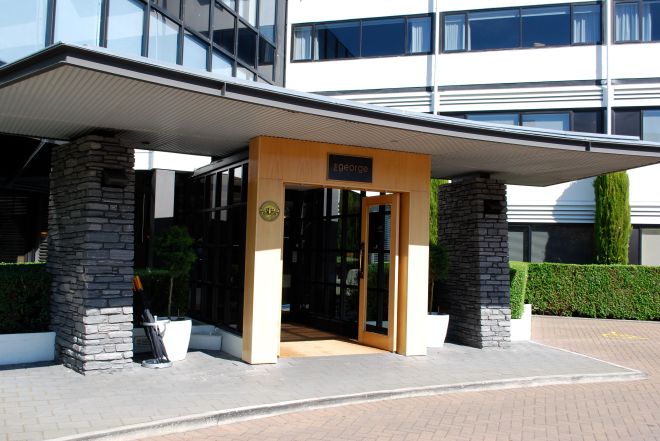
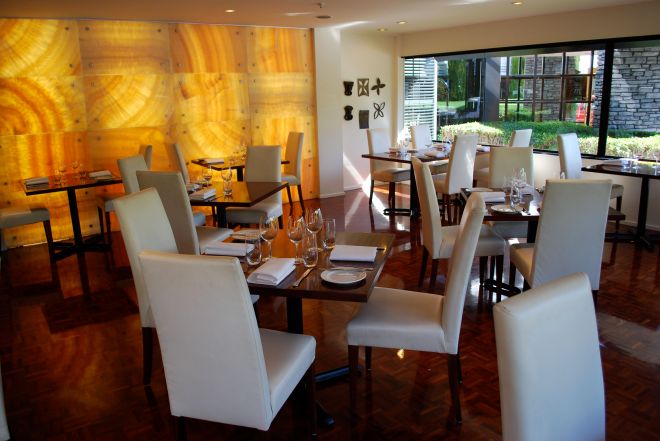
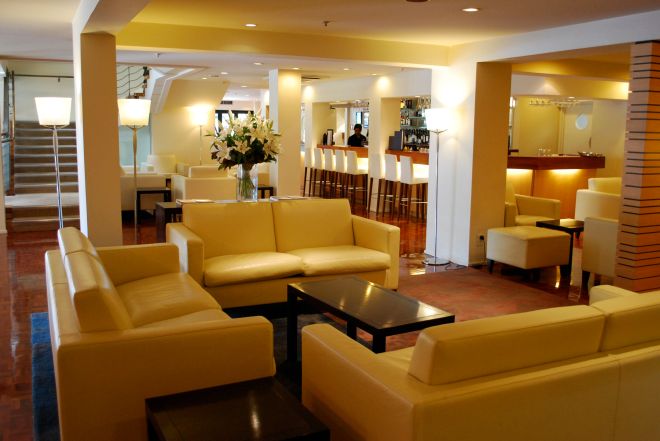
Christchurch, the largest city on the South Island and populated by about 300,000, was founded by the Church of England in the mid-19th century. The city’s architecture, gardens and culture remain eerily reminiscent of its founders’ home country. Our hotel, appropriately enough, was The George, a member of the Small Luxury Hotels and consistently rated one of the best in the city and the country. Needless to say, we had high expectations.

DSC_0035

DSC_0035

DSC_0035

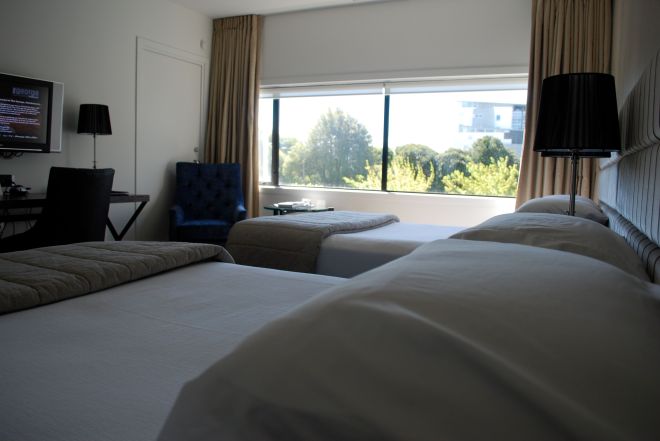
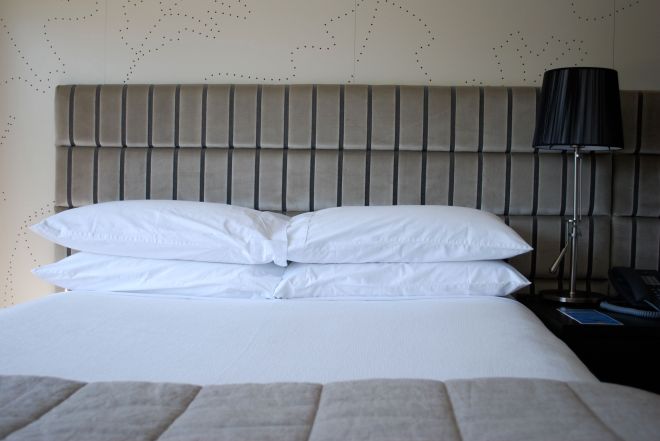
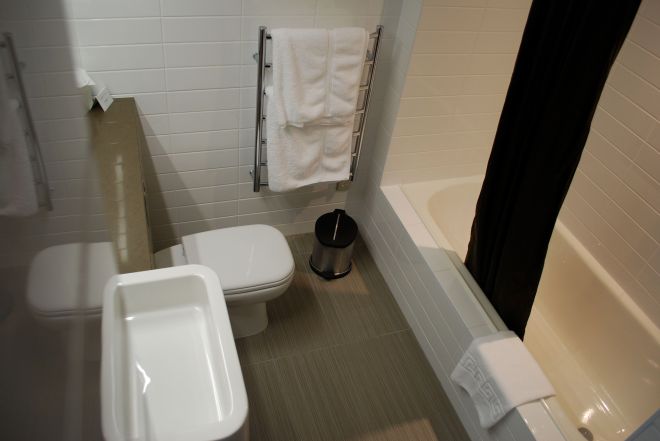
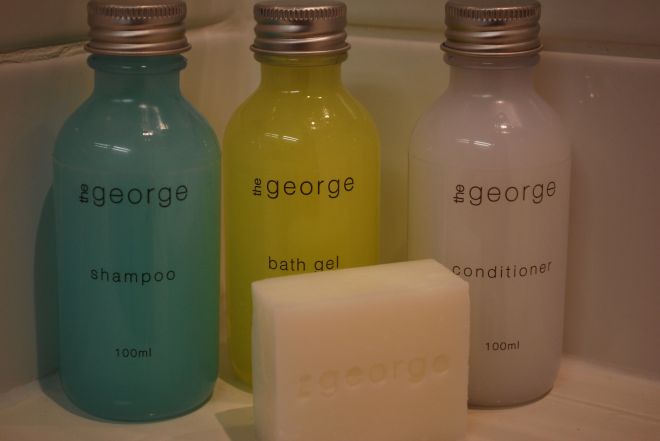
Our premium executive twin room had recently been renovated, with views across the street to Hagley Park, planted by the first provincial government in 1855. The bathroom had the usual products — but we had never seen customized hotel soap, engraved with the George logo. Baller.

DSC_0035

DSC_0035

DSC_0035

DSC_0035

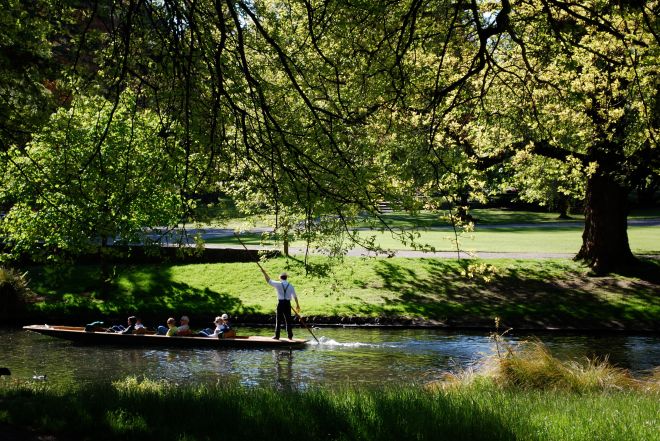
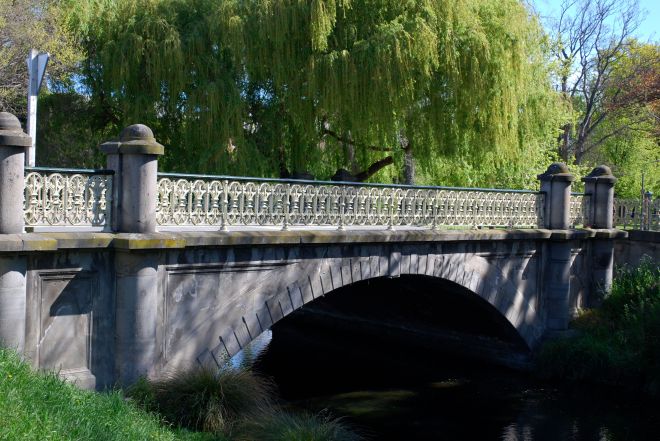
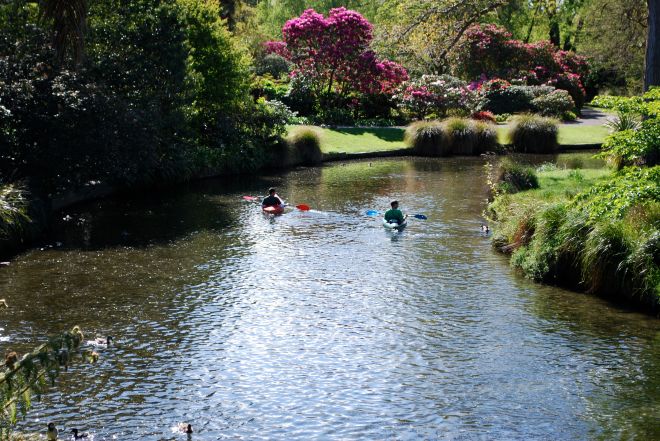
The weather was summery so we made our way through the manicured park lawns and across stone bridges, as punters and kayakers boated down the Avon River, to the Botanic Gardens.

DSC_0035

DSC_0035

DSC_0035

DSC_0035

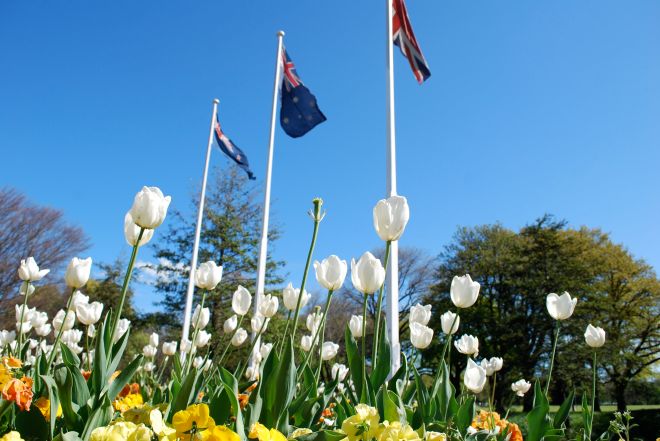
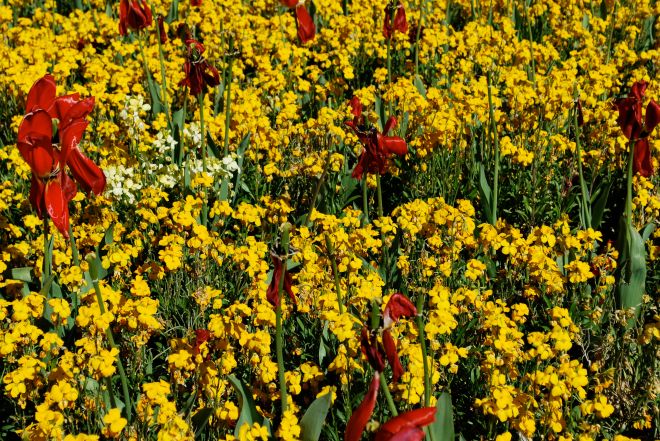
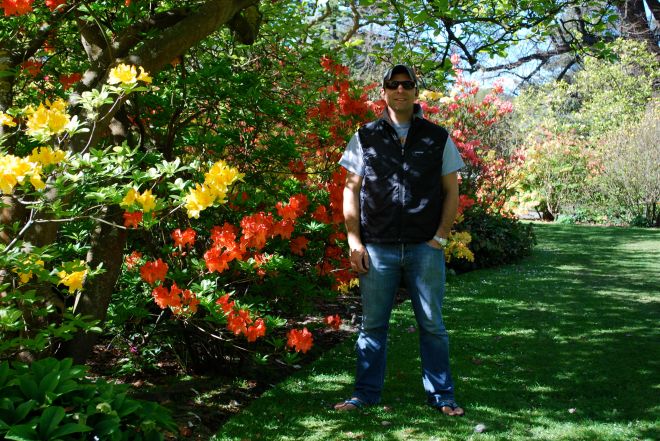
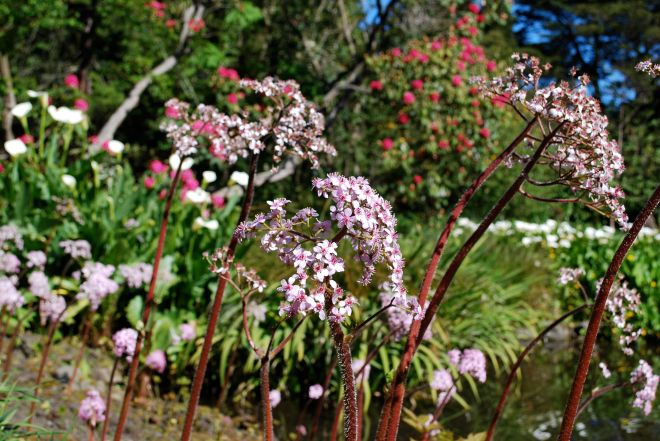
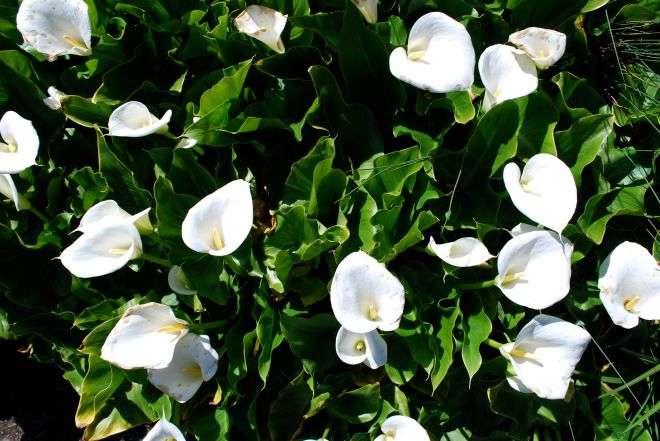
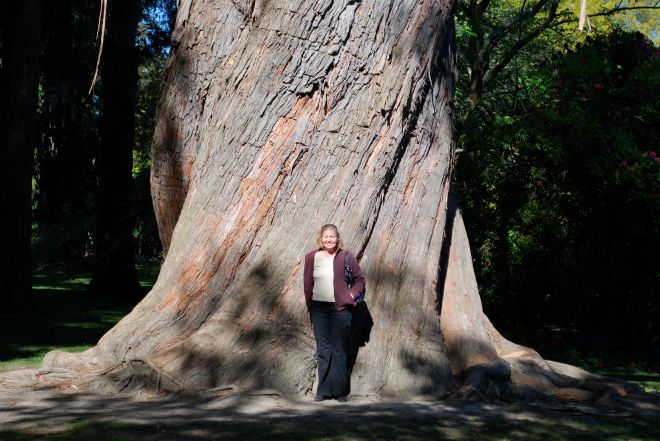
Many of the garden’s plants, like the azaleas, were exploding with color. Roses were starting to bloom. Uniform-clad school children walked to cricket lessons. Gigantic sequoia trees — similar to those in Rotorua — soared overhead.

DSC_0035

DSC_0035

DSC_0035

DSC_0035

DSC_0035

We had heard and read about a Burmese restaurant, Bodhi Tree, and since neither of us had ever tried that type of ethnic cuisine before, decided to give it a go for dinner. When we arrived, the place was packed — and not only was their no room tonight, but it was also fully booked tomorrow. We made note that Burmese food was either spectacular or the restaurants in this city were terrible. Or both.

A nondescript sushi place on the Avon provided us with a decent, if unspectacular, meal.

Tomorrow, our last day, we explore Christchurch further by foot.