Benefiting from an airline strike

Day 31
Mykonos, Greece

Olympic Airlines employees wanted more benefits and higher wages. We wanted to get to Mykonos, our first destination in the Cyclades. This afternoon, our two interests clashed — and the flight we had booked here from Istanbul via Athens was canceled due to a strike.

We learned of a Sea Jets ferry that was leaving at 2:30 p.m., about an hour later than we had been scheduled to arrive in Mykonos. So, we hopped in a cab bound for the port of Rafina. After a 2-hour boat ride, the white-washed buildings of this island came into view and we were met for our transfer to the Mykonos Grand.

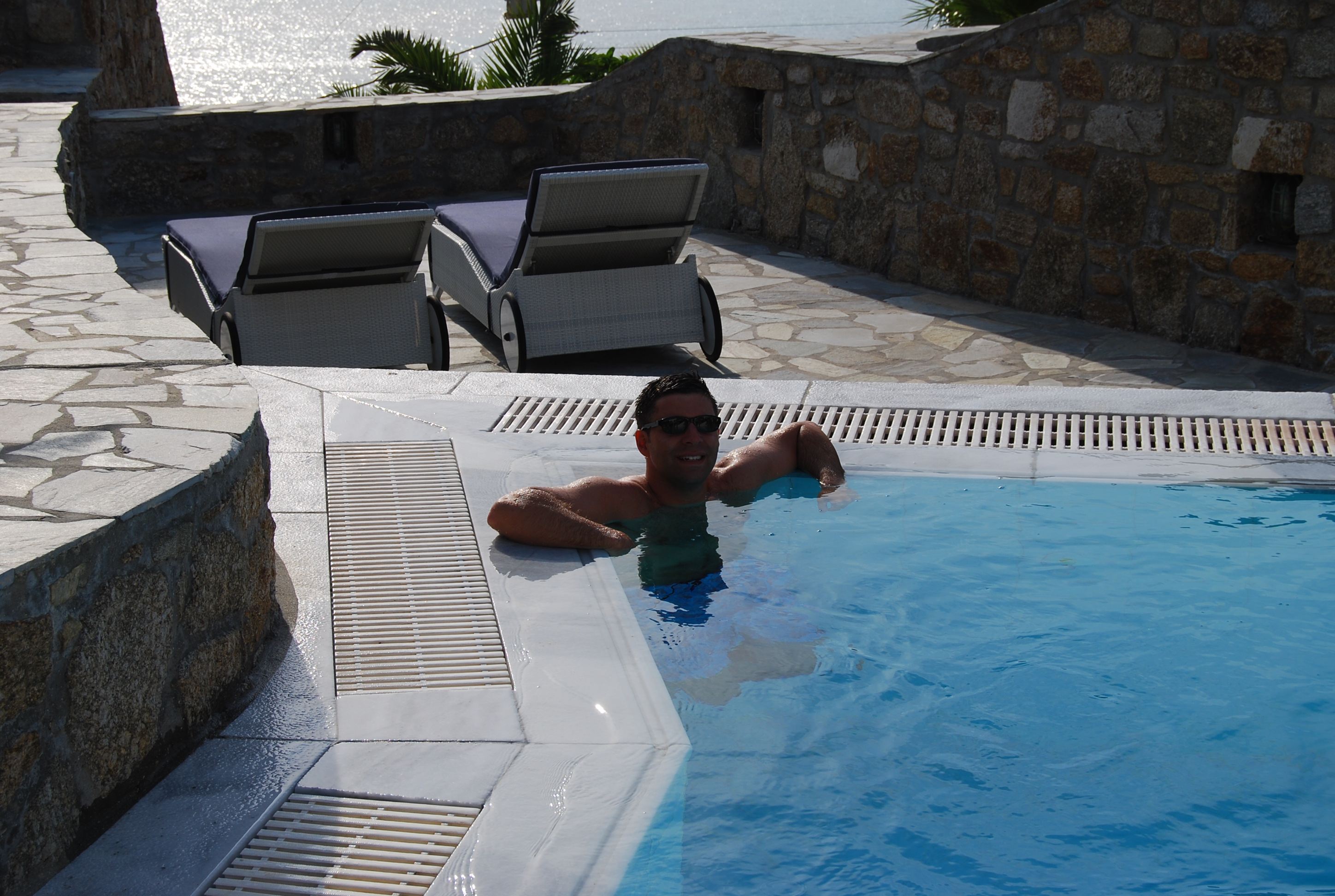
The friendly young lady who checked us in felt bad about our plight and offered to upgrade us to a suite with private pool. We happily obliged.
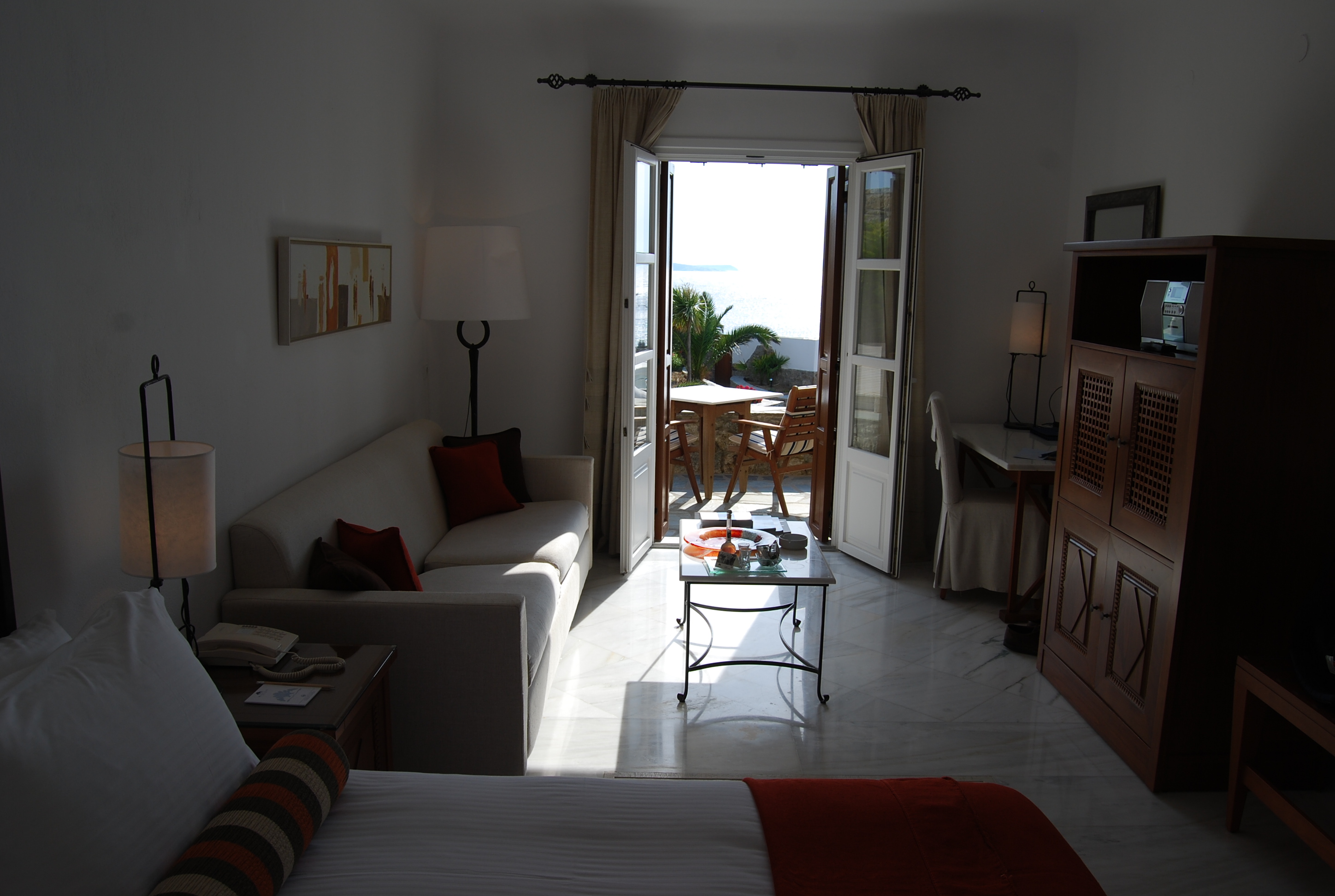
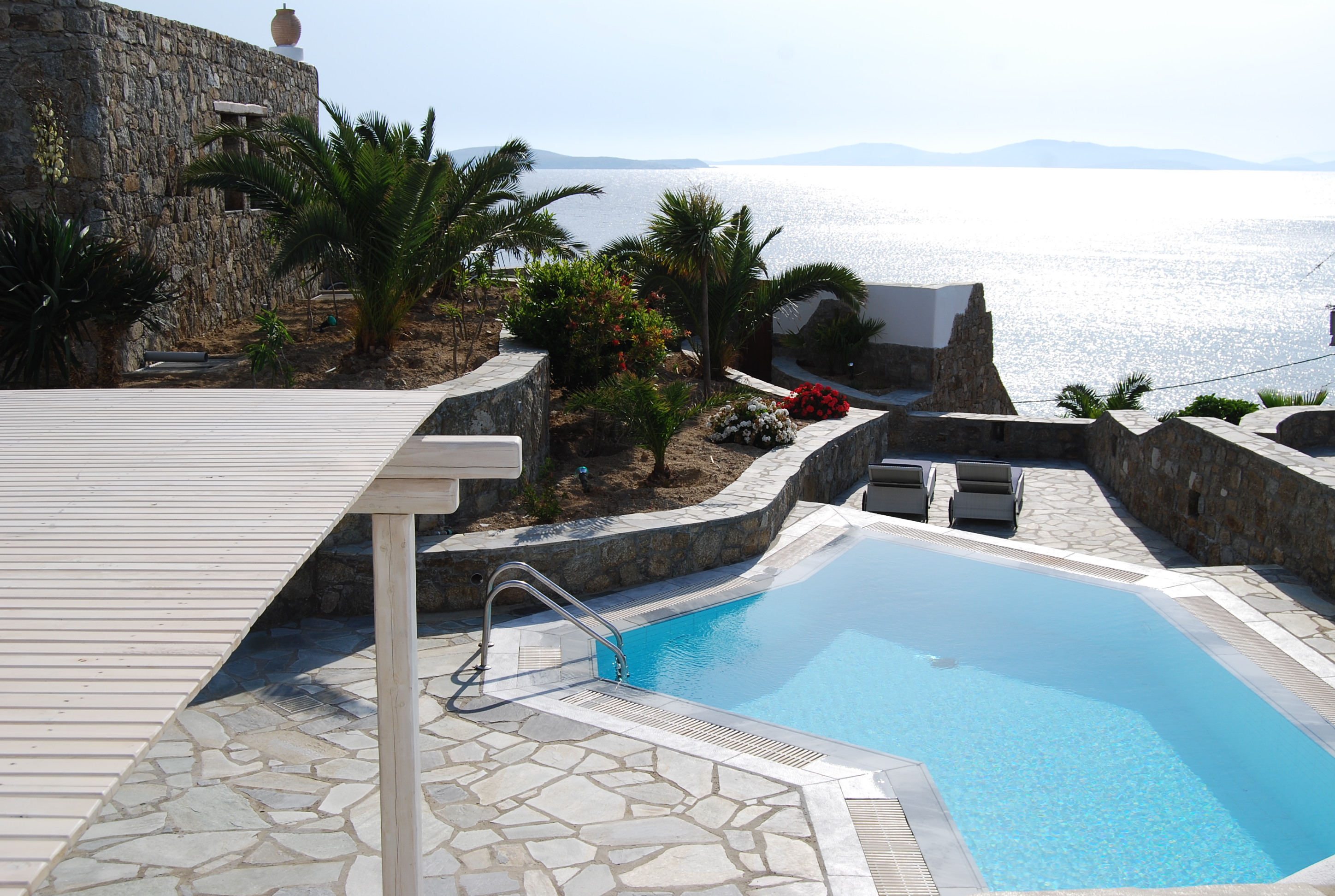
It doesn’t get better than this.

Taking risks in Istanbul

Day 30
Istanbul, Turkey

We’ve played it pretty safe so far in this city. No street meat, death-defying cab rides or straying too far off the beaten path. Today, our last in Turkey, was about pushing the envelope — albeit to a certain extent.

Fueled by another delicious breakfast at the hotel, we walked across the Galata Bridge to Beyoglu (old Pera), or the “new” European neighborhood of Istanbul. Once there, we boarded the Tunel, an underground railway built by the French in 1875. It’s said to be the oldest underground railway in Europe — thankfully, with only a 90-second, 1 stop ride, it’s also one of the shortest.

Having safely arrived at our destination, we hopped on an antique tram that runs from the Tunel station up to Taksim Square. It was like being in San Francisco, only we were in Istanbul.

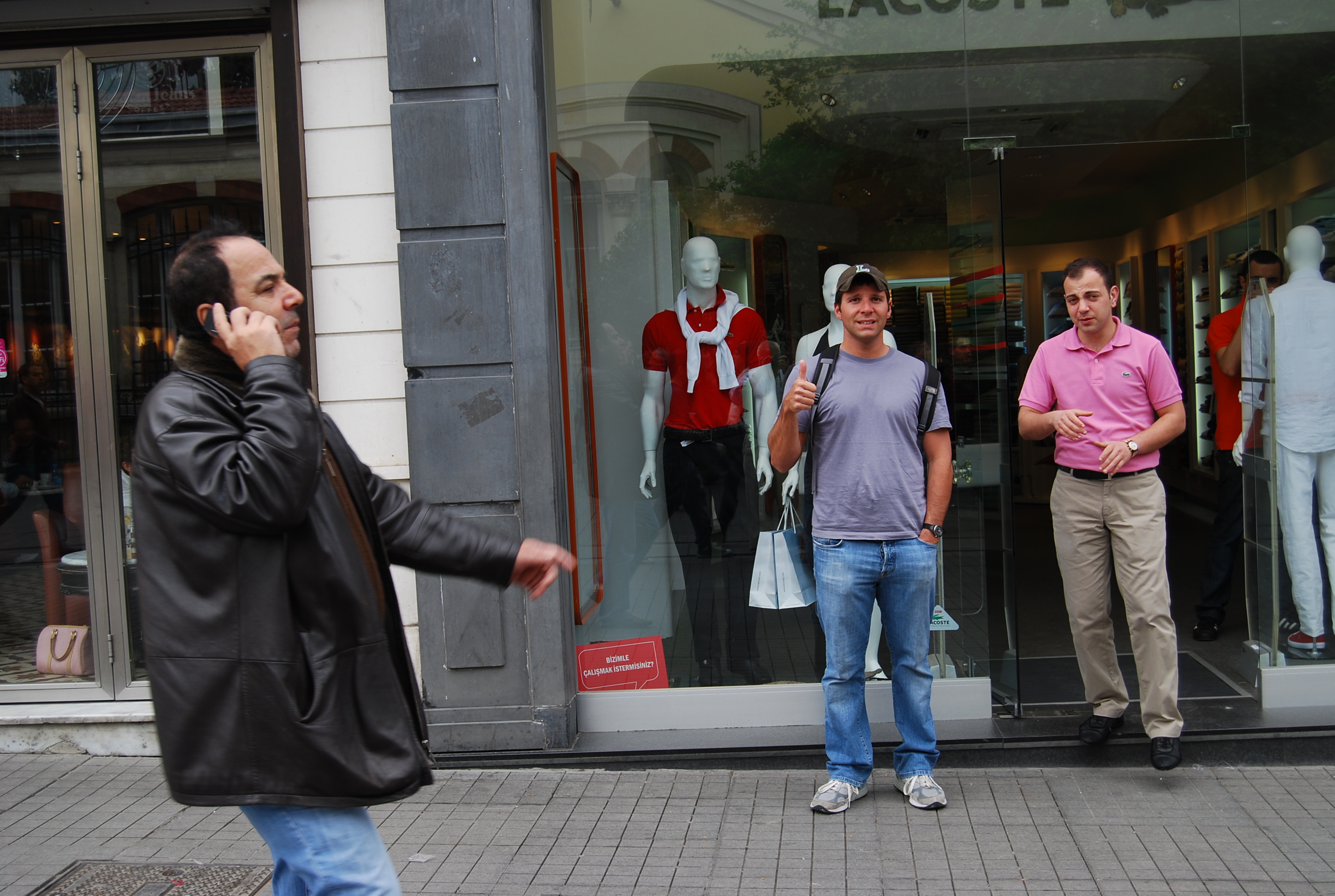
Walking down fashionable Istiklal Cadessi, with its swanky shops, was our next major risk. After buying a super-trendy European jumper at Puma and a new hat at Nike, we ran into Lacoste. Luckily, this pink-shirt wearing employee chased me away while taking a picture outside — preventing any potential purchases.
We finally reached Galata Tower, one of the oldest towers in the world, built in 1348. It stands 66.9 meters tall and has been rebuilt several times, due to earthquakes. We gulped and boarded the elevator. The tower’s lookout offered some great views of many of the sights we’ve visited in the last 48 hours, including the Blue Mosque, Topkapi Palace and Aya Sofya.
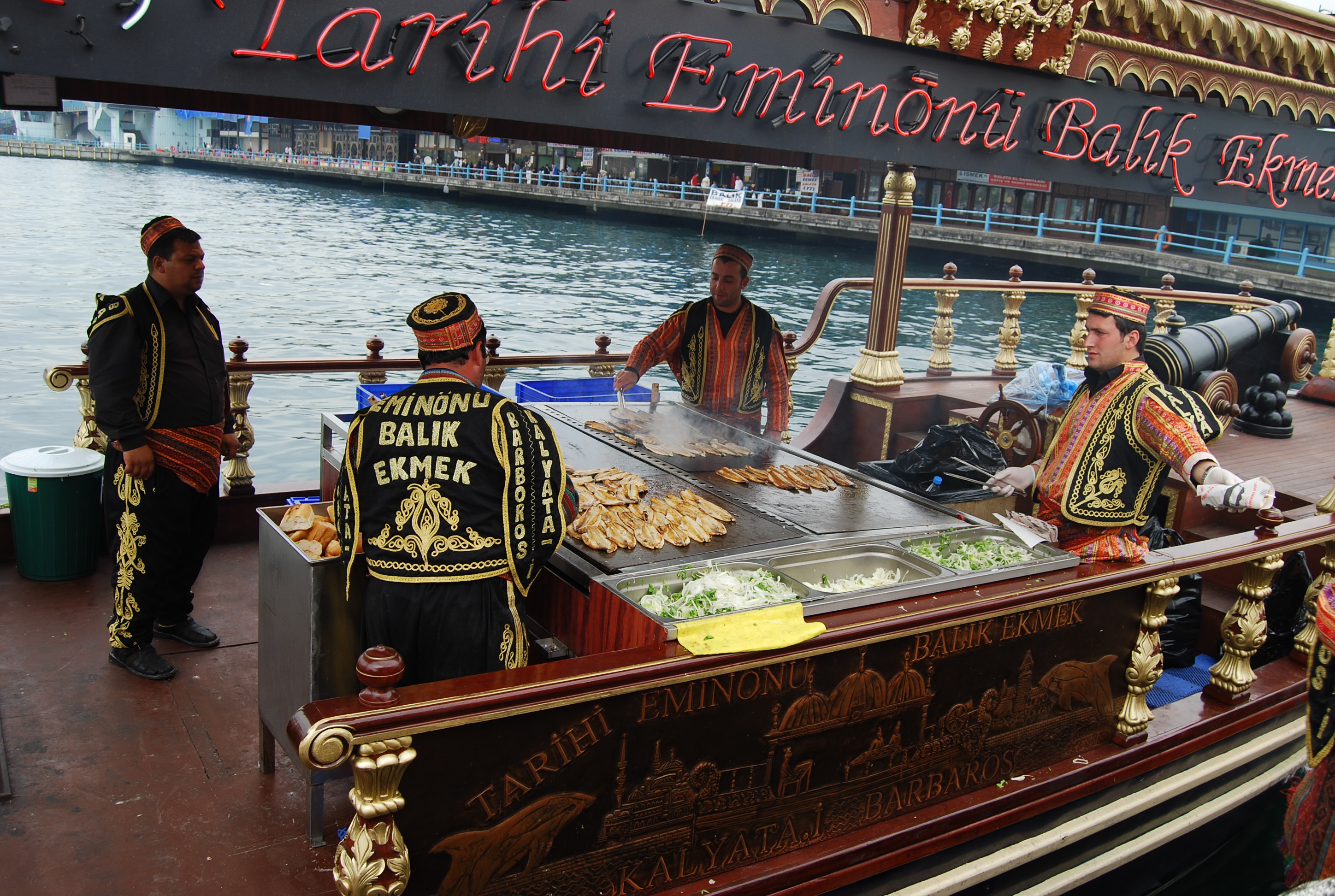
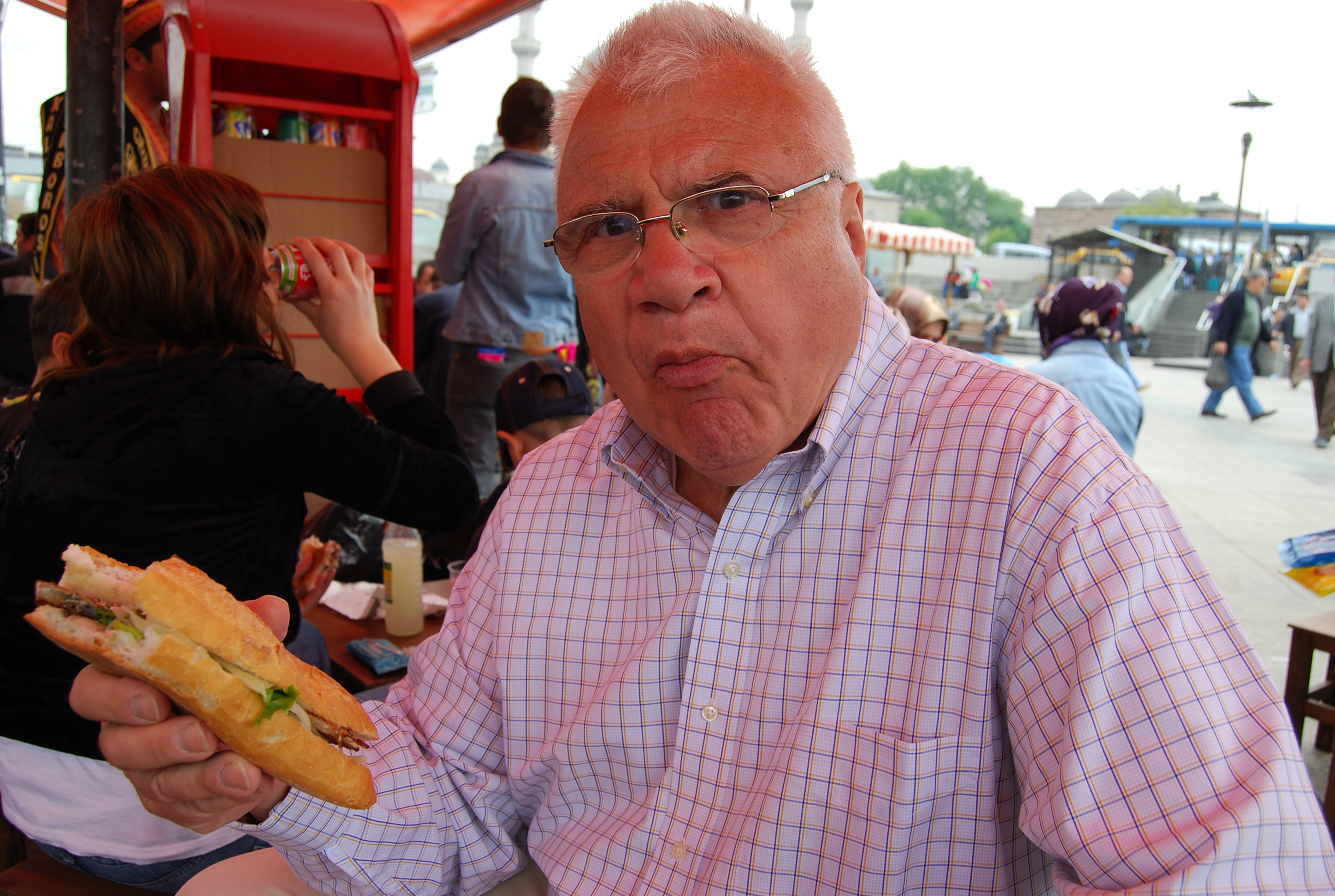
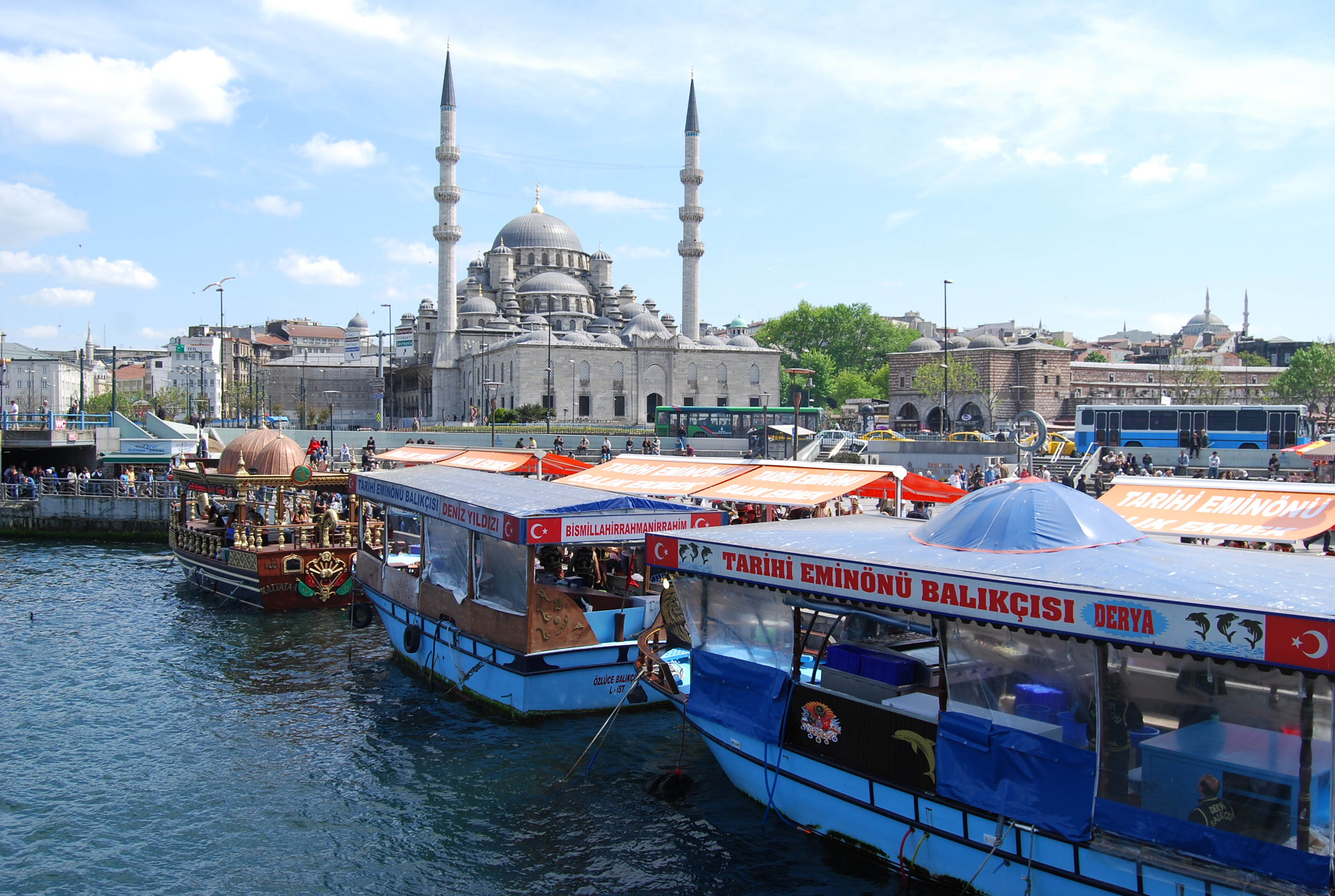
We crossed back over the Galata Bridge and were struck by the smell of grilled fish. Following our noses, we found three boats making what looked like delicious sandwiches. They were $3. We crossed our fingers and took the plunge.

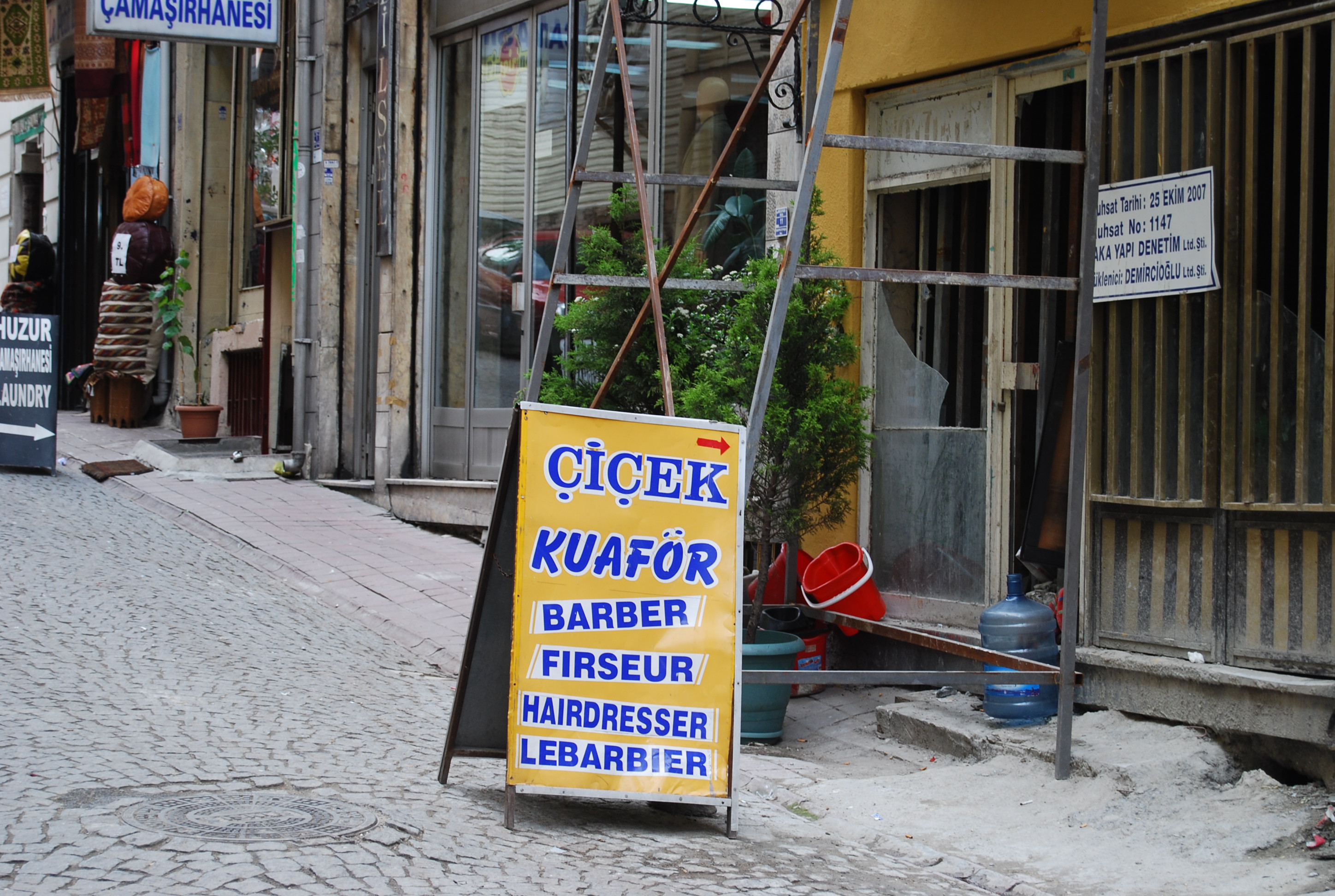
After turning down a haircut in Croatia (can you blame me?), it was time for a much-needed trim. We passed this sign for a barber, and since today was all about risks, turned into Cicek Kuafor. My “hairdresser” was a young kid, probably around 18 or 19, and spoke about three words of English. With hand gestures, and repeating “not too short,” he nodded and got to work.

About 30 minutes later, he was done. And, he did a damn good job! Frankie at Central Barber Shop in Rye better watch out. He’s got some serious competition in Istanbul!

Tonight, I’ve convinced my Dad to join me at Cemberlitas, a historic Turkish bath built in 1584. It’s the oldest in Istanbul and was designed by the architect, Sinan, who was also responsible for the Suleymaniye Camii that we visited on our first day. After my experience in Morocco, I’m feeling particularly confident in knowing how this will all work — but considering the risky day, who knows how it’ll turn out.

We leave for Mykonos, our first destination in the Greek Isles, tomorrow morning.

UPDATE: We’re officially clean.

An intercontinental city

Day 29
Istanbul, Turkey

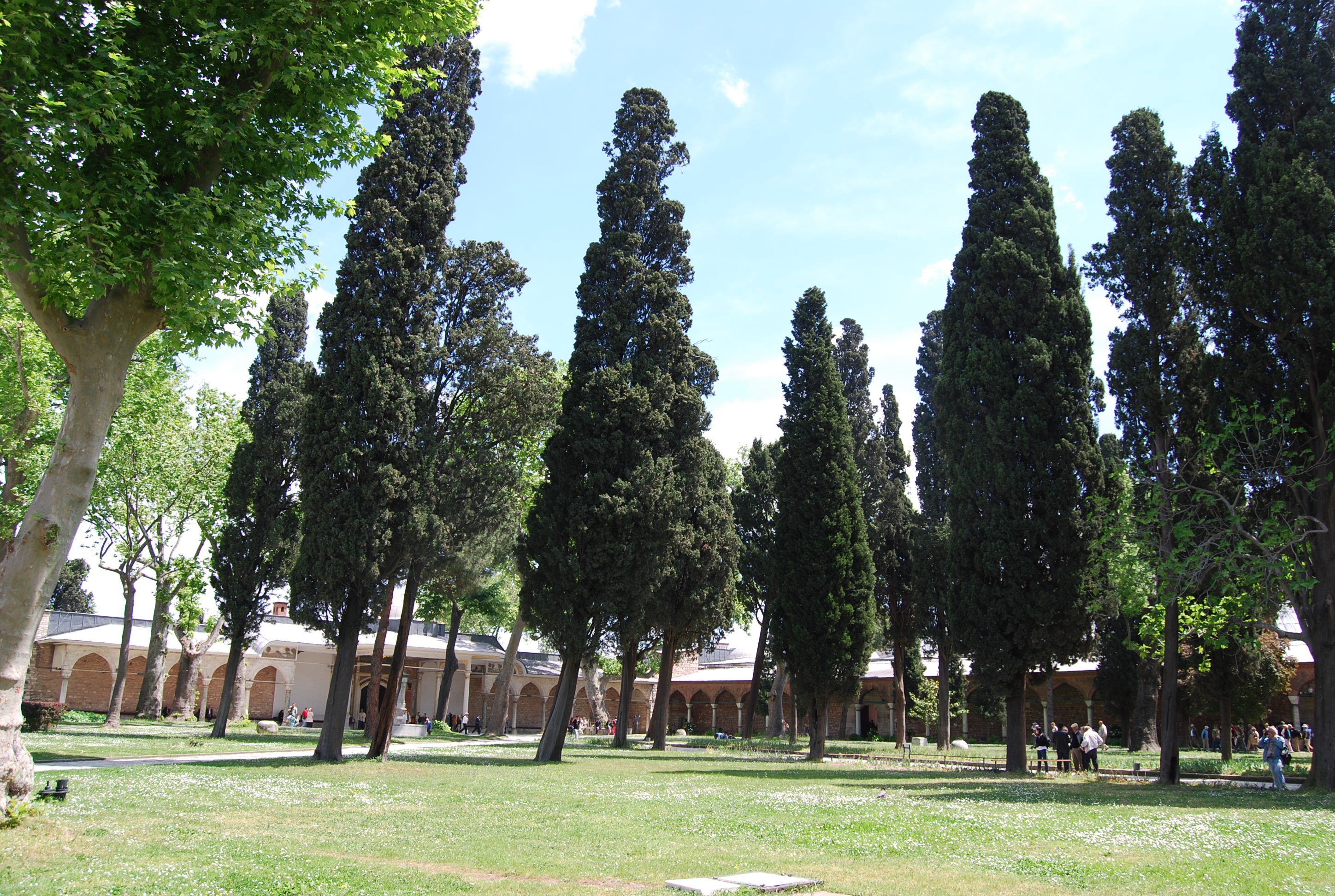
After yesterday’s grand tour through this city, we slept in a little bit and then treated ourselves to a fantastic breakfast spread — including yogurt, walnuts, fresh fruit and honeycomb — in the Sirkeci’s restaurant downstairs. Properly fueled, we started out on the short walk to the Topkapi Palace, the second home to the Ottomans in Istanbul. Since construction on it was completed in 1478, twenty-five sultans have lived in the palace. And, at about 173 acres, it’s certainly a home fit for a king.

After walking through the palace’s four courtyards, we explored its many impressive exhibits — the 5th largest diamond in the world is housed in the treasury, Islamic holy relics like a footprint of the Prophet Mohammed are on display in the Sacred Safekeeping Rooms, and the kitchen showcases the third most valuable collection of Chinese porcelain in the world. There’s a certain simplicity and practicality to the Topkapi Palace, but no restraint in its grandiosity. We easily could have spent a day or two simply exploring its every nook and cranny. With only three days in Istanbul though, we gave it the whole morning.

Afterwards, we made our way to the Spice Bazaar for some lunch. This market was constructed in the 1660s — today, stalls are filled with dried fruits, Turkish delight, and, of course, spices. With the memory of 3-foot tall cones of delectable spices in Morocco still fresh though, Turkey’s spice displays were, well, a little disappointing. The country does, however, make up for this shortfall with the delicious doner that is sliced on literally every street corner.

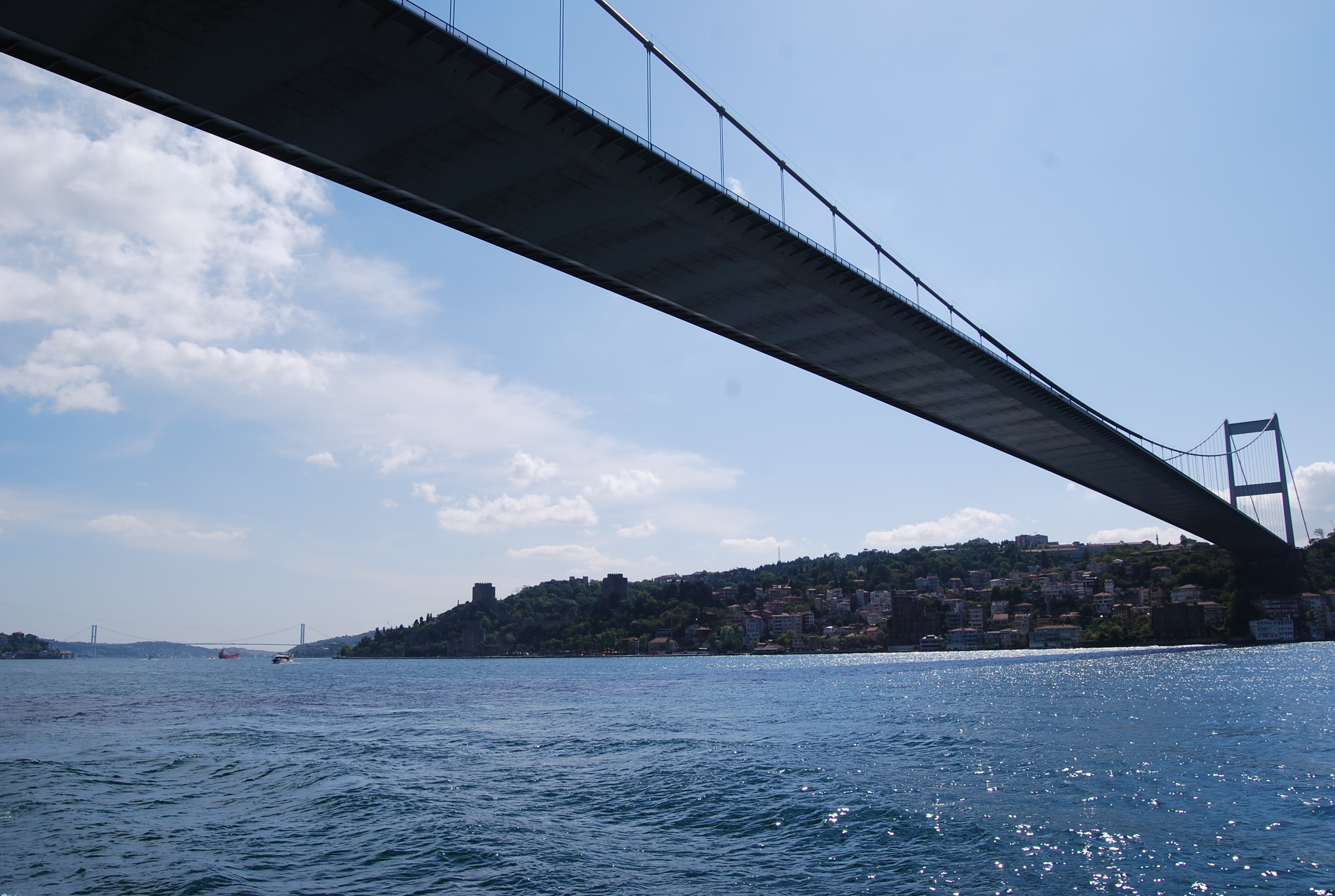
The Bosphorus Sea is a body of water that runs about 32 km, from the Black Sea in the north to the Sea of Marmara in the south. It has a storied history — Ulysses’ is said to have traveled through here — and is, quite literally, the divide between the eastern (Asian) and western (European) sides of this city. The building of the Bosphorus Bridge in 1973 was more than just the construction of the world’s fourth-longest suspension bridge, it was the first physical link between these two continents.

Wanting to experience this, we thought a ferry ride would offer a good introduction — as well as a unique vantage point to see Istanbul. We were surprised to see such a difference between the two shorelines. While the Asian side was largely residential, with parks and huge single family homes lining the waterfront, the European was much more commercial, with apartment buildings, cafes and factories.

Stepping foot back on land, we headed back to the Sirkeci’s wellness center again. Properly relaxed after an hour in the sauna, Turkish bath and plunge pool, we went out for quick dinner before returning to the hotel in order to rest up for our last day in Istanbul tomorrow. It might even include a haircut. Now, that’s exciting!

Where East meets West

Day 28
Istanbul, Turkey

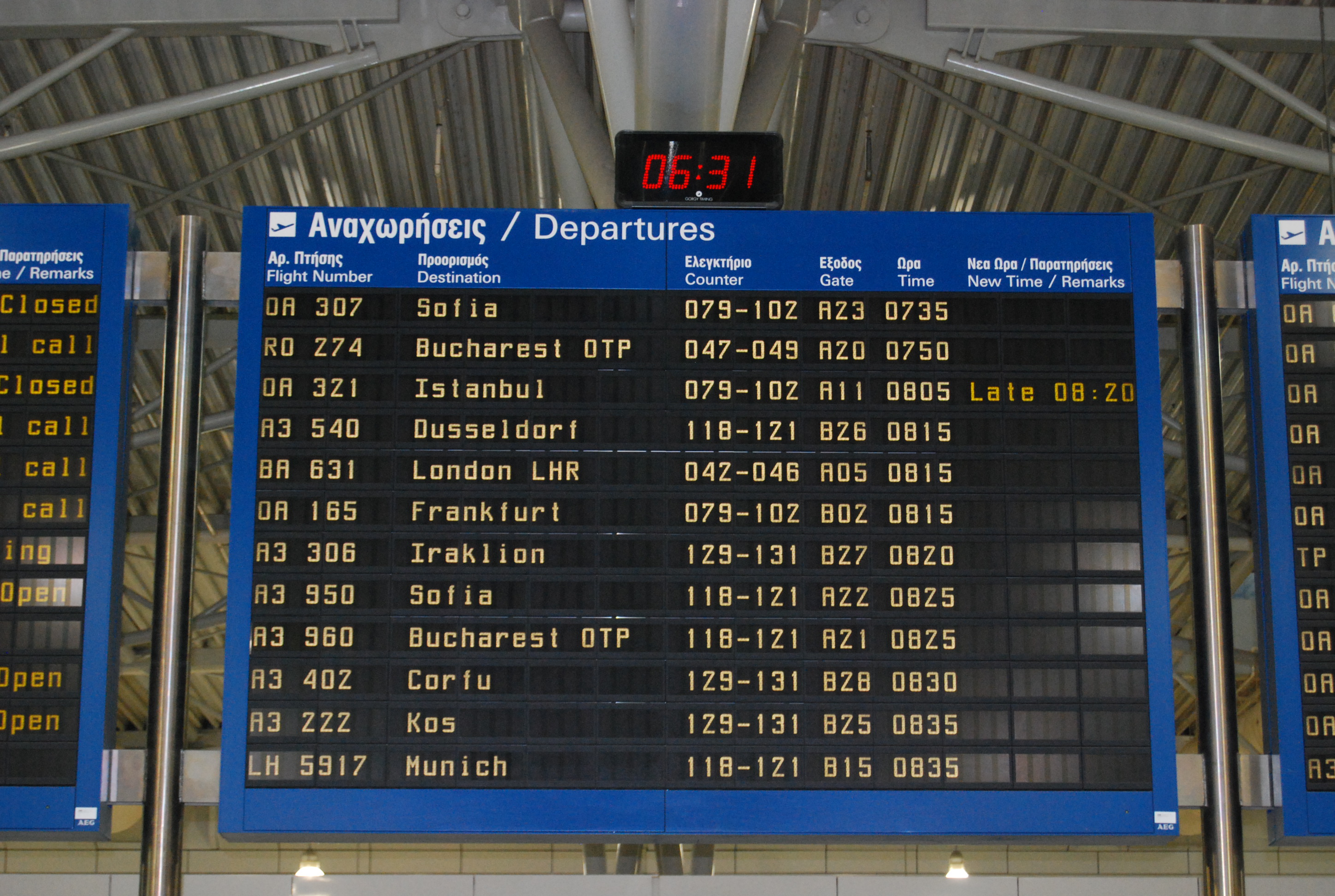
We were at the airport in Athens at 6 a.m. this morning for Olympic Airlines flight 321. This was my seventh flight (of 22 total) on my trip around the world, so the motion of checking in, finding the gate and going through security is becoming pretty routine. After a short delay, we departed Greece for the 55-minute flight to Istanbul — a full meal was served on board (no cost-cutting in Europe). Our wheels were down just shy of 9:30 a.m. local time here.

Istanbul is a city of about 20 million, and it’s possible that every citizen was on the road while our taxi was driving us to the hotel. The wait was well worth it though — we’re staying at the Sirkeci Konak, by far the nicest accommodation I’ve had (and probably will have) on this trip. Its location on the historic peninsula places us within walking distance of all the major sights, the rooms are impeccable and the staff is welcoming and helpful. I’d venture to say that this hotel is one of the best in the country — and not just before they left us a plate of Turkish delight on our bed (right next to the pillow menu).

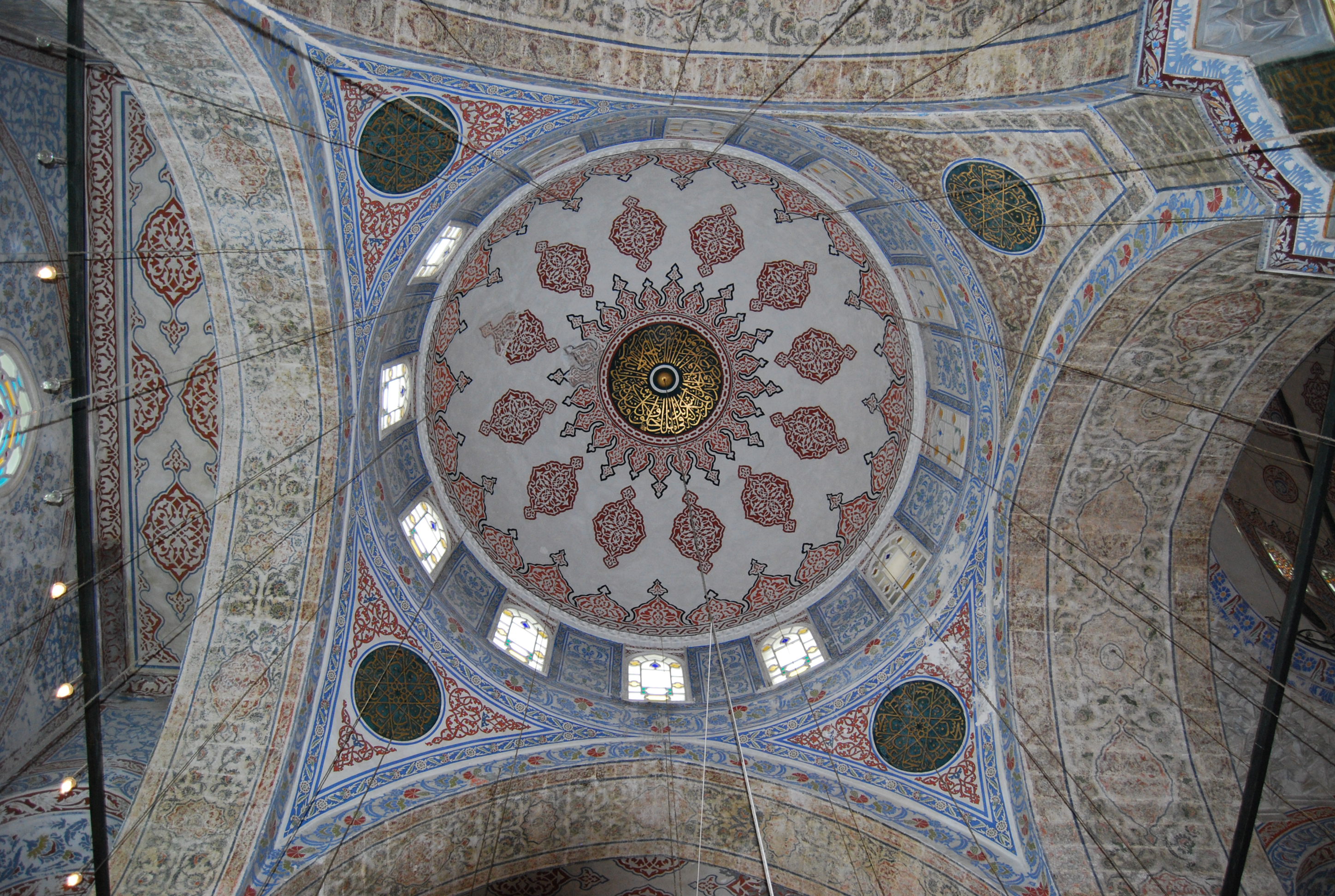
We weren’t at the hotel for long, as we had planned a jam-packed first day of exploring Sultanahmet, an area concentrated with some of this city’s most fantastic sights. We started at the Blue Mosque, a tremendous mosque built by Sultan Ahmet I, who ruled between 1603 – 17 A.D. His goal was to rival (or even surpass) the size and beauty of the nearby Aya Sofya — and he may very well have succeeded. Pictures don’t do the immensity of this mosque justice.

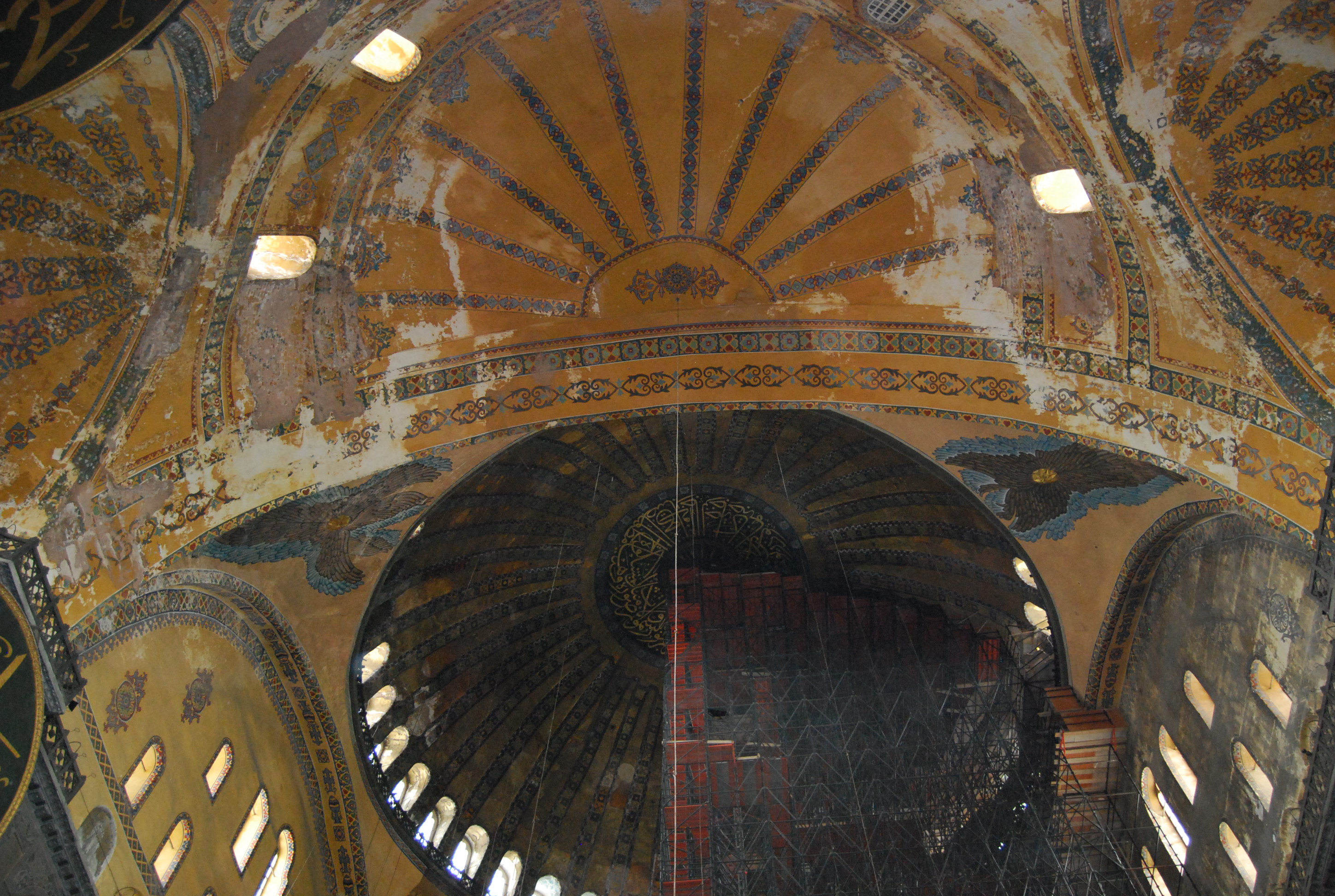
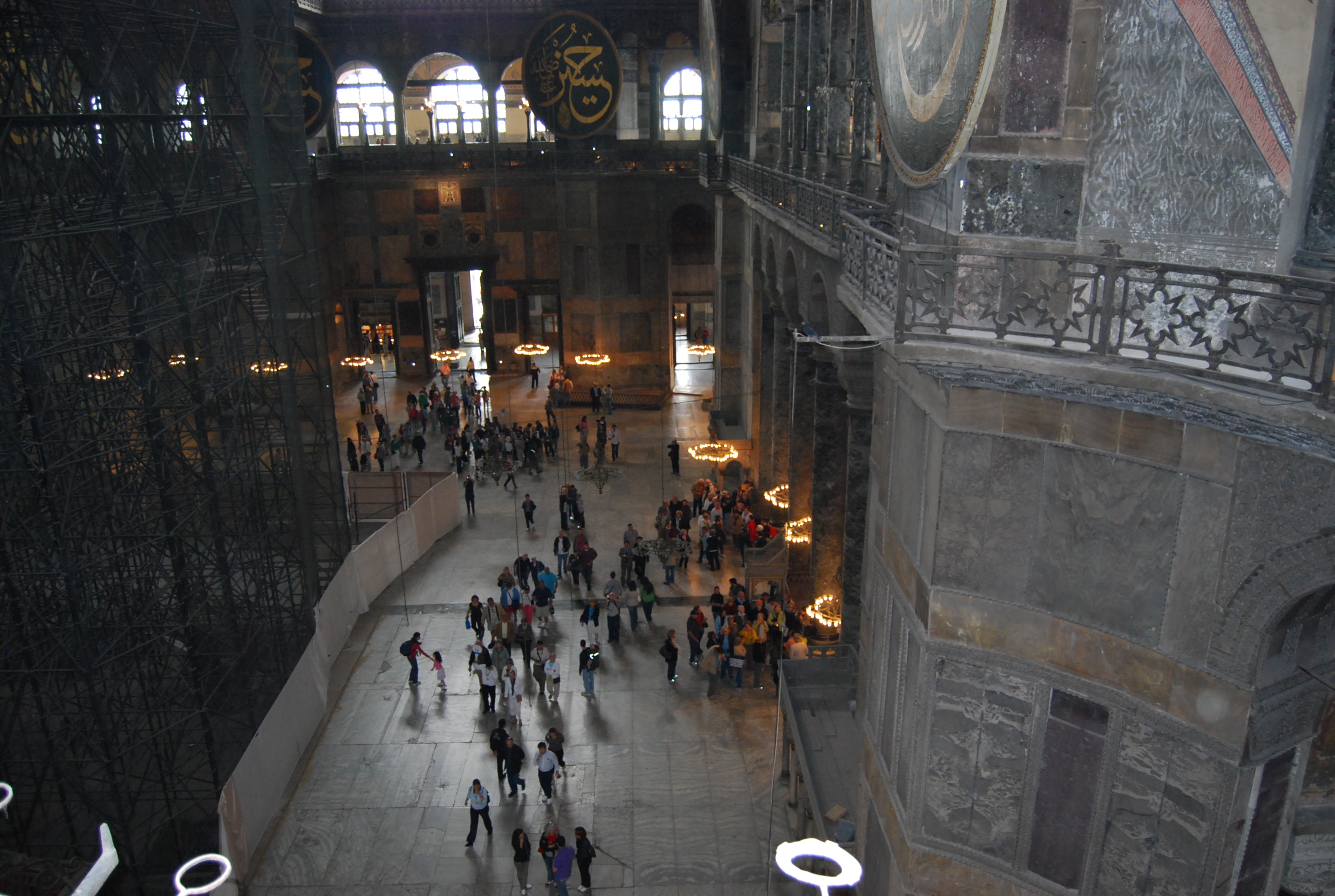
Across a small park stands the majestic Aya Sofya, this city’s most famous landmark. It was built by Emperor Justinian, who ruled between 527 – 65 AD, and has served as both a mosque and a church. Upon entering the completed structure for the first time, Justinian is said to have exclaimed: “Glory to God that I have been judged worthy of such a work. Oh Solomon! I have outdone you!” Stepping inside the soaring interior, with its dome measuring 30 meters in diameter, is awe-inspiring — it’s as impressive now as it was then.

Afterwards, we visited the Basilica Cistern — the largest surviving Byzantine cistern in Istanbul — that was also built by Justinian in 532 A.D. This was a subterranean structure meant to bring water 20 km to the city via aqueducts from a reservoir near the Black Sea. It’s an immense place, as it once held 80,000 cubic meters of water. You can still see fish swimming around in several feet of water in the cistern today.

Istanbul’s Grand Bazaar has about 4,000 shops and several kilometers of covered streets. We took a couple hours to walk through, checking out the gold, the copper, the art and, of course, the tourist schwag. After some serious haggling (perfected in Morocco), a hand-painted gold-leaf print was in my bag. On our way back, we stopped at Suleymaniye Camii, a mosque commissioned by Suleyman I, the greatest, richest and most powerful of Ottoman sultans. Unfortunately, much of it was under renovation, so we turned back, grabbed two pieces of baklava and walked to the Hippodrome. This centrally-located area is home to the granite Obelisk of Theodosius — a Washington Monument look-alike that was carved in Egypt around 1450 B.C.

As the minarets called to prayer, we headed back to the hotel to relax in the sauna, Turkish bath and cool dip pool. Exhausted from the day, we had a tasty dinner here and headed back upstairs for some much needed rest. Tomorrow is another big one.

The donkeys of Hydra

Day 27
Hydra, Greece

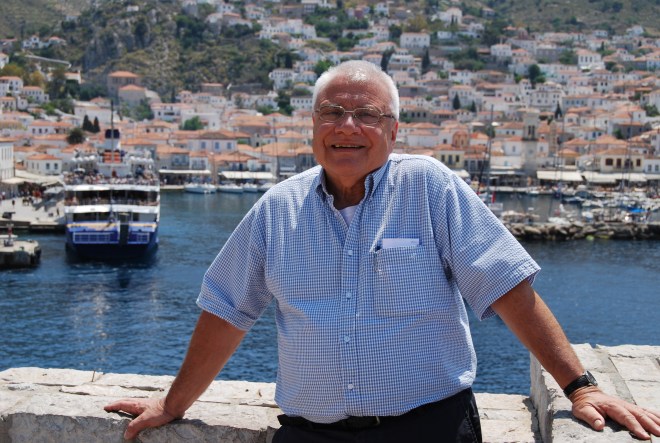
Needing an escape from Athen’s never-ending traffic, we hopped on a two-hour ferry this morning to Hydra, an island that prohibits motor vehicles. Stepping off the boat and taking a whiff, we could immediately tell that the gas fumes had been replaced with something a bit different — donkeys are the only means of transportation here.

Hydra (pronounced e-drah) is the largest of the Saronic Gulf islands, with a dramatic landscape that contrasts its rocky interior with the crystal blue waters of the surrounding Gulf of Hydra. The port is filled with fishing boats, yachts and sail boats and lined with cafes, restaurants and small shops.

First up: a delicious, traditional lunch of tzatziki, Greek salad and meatballs at a family-run spot.

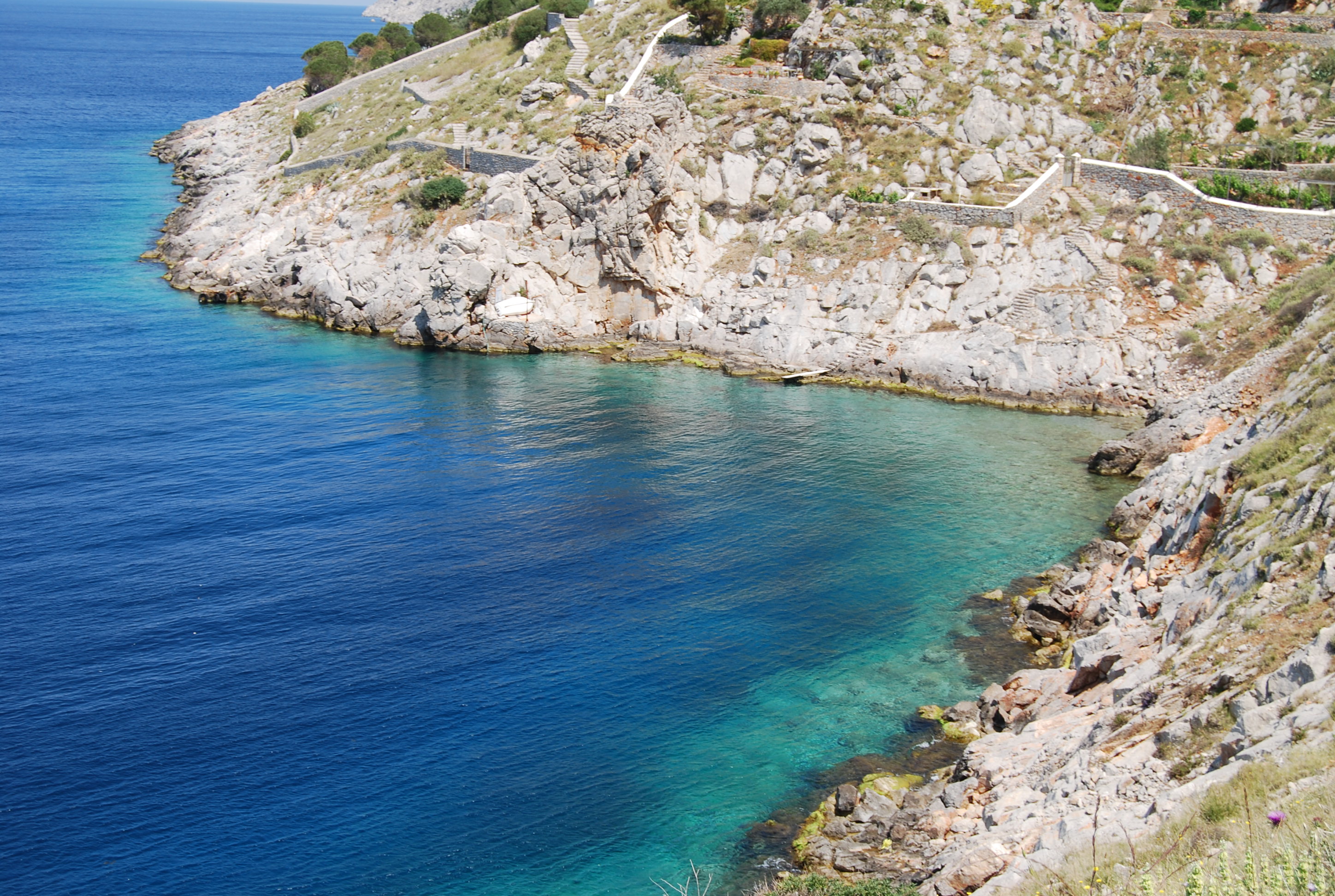
Afterwards, we walked through the town’s windy streets before following the road (really, a glorified donkey trail) around to more isolated parts of the island, passing deserted swimming coves, the red-tiled roofs of churches and homes perched precariously on hillsides.

It was a nice way to spend our second, and last day, in Athens. We’re off now to what will undoubtedly be a delicious dinner (can’t beat Greek food) and then need to pack for our early morning flight tomorrow to Istanbul.

7 hours in Ancient Athens

Day 26
Athens, Greece

After being delayed in Croatia and then again in Italy, my flight didn’t arrive here until past midnight this morning. And, as my taxi crawled through surprisingly crowded late-night streets, Athens demonstrated first-hand how it has become the traffic capital of the world.

My Dad arrived here yesterday morning — we’re staying at the Athens Gate Hotel, a recently renovated hotel with views from our balcony of both the Temple of Olympian Zeus and the Parthenon, which was our first stop of the day.

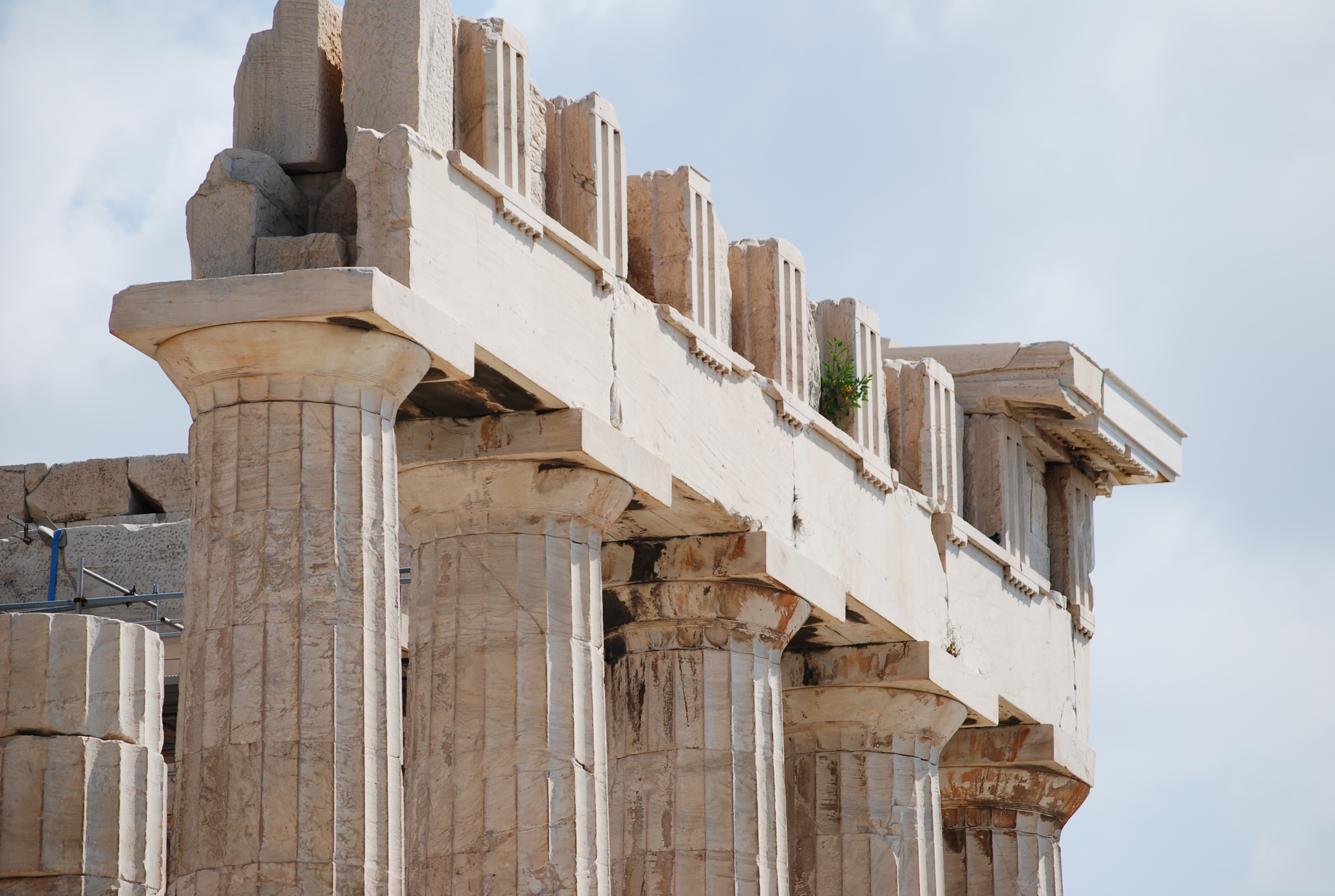
We hoped that it was early enough that the cruise ship passengers were still gorging themselves on their breakfast buffets. Unfortunately, we found the Acropolis swarming with tourists — when is it ever not? We walked through the ancient Theater of Dionysos before making the climb to the small Temple of Athena Nike, the Erechtheion (with its famous Caryatids columns) and, of course, the Parthenon, at the Acroplis’ highest point.

While they couldn’t rival those of the Parthenon, the city views of the Athens sprawl (and air pollution) were also pretty impressive.

Our next stop along the Ancient Promenade — a 3 km traffic-free oasis — was the Agora, once the center of life here. Socrates came to the Agora to expound on his philosophy while St Paul sought to win converts to Christianity in 49 A.D. The well-preserved Temple of Hephaestus was particularly striking, especially considering that it was built in 449 B.C.

After walking the stalls of the nearby central meat and fish markets and buying a sampling of some delicious (and huge) green olives, we checked out Attica, the country’s largest department store, which only reaffirmed to us how weak the U.S. dollar remains. Admission to the Benaki Museum was a lot less than a new Paul Stuart bathing suit, so we spent the next two hours exploring this fascinating collection of more than 20,000 items, spanning the Neolithic period (6500 – 3200 B.C.) to the early 20th century.

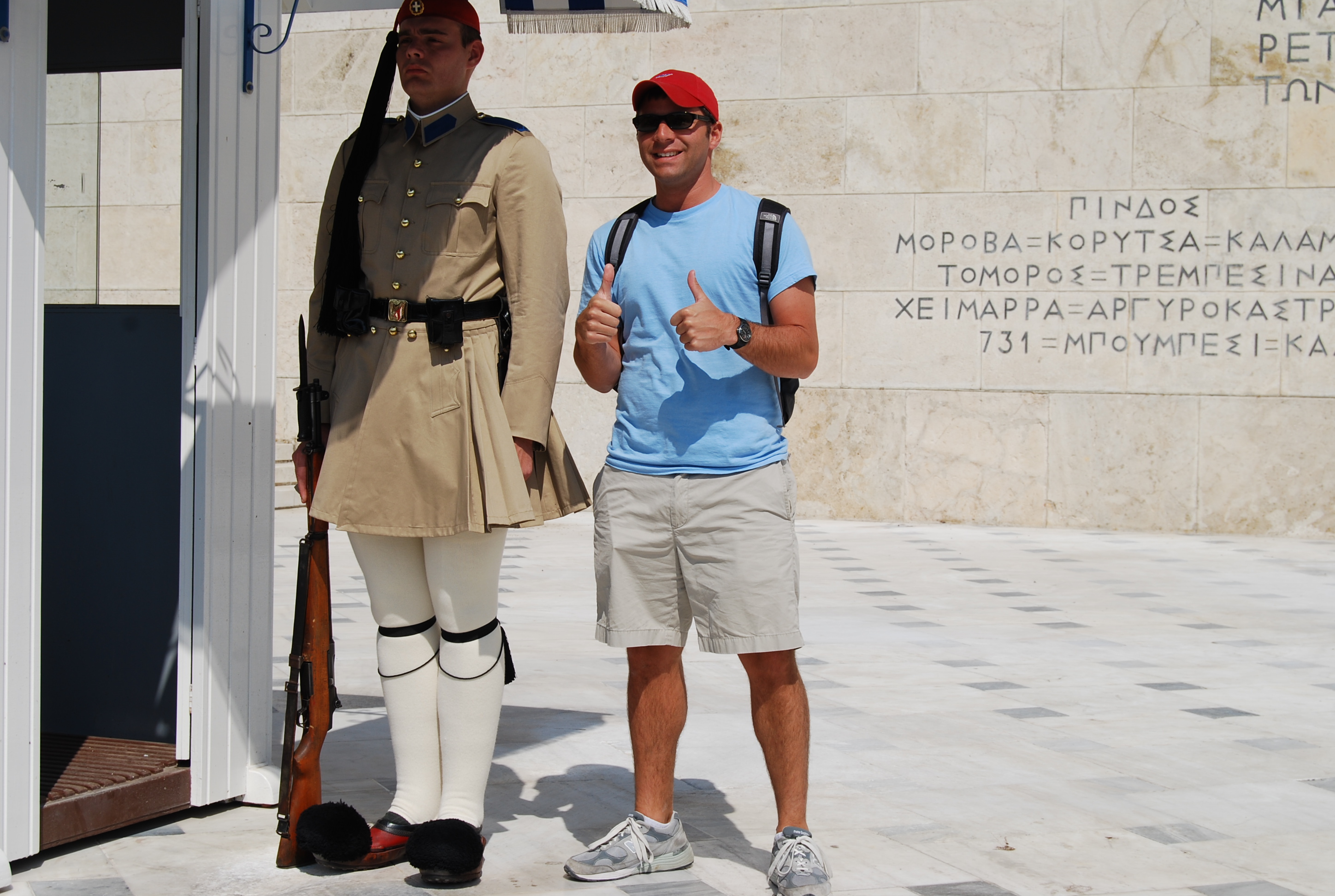
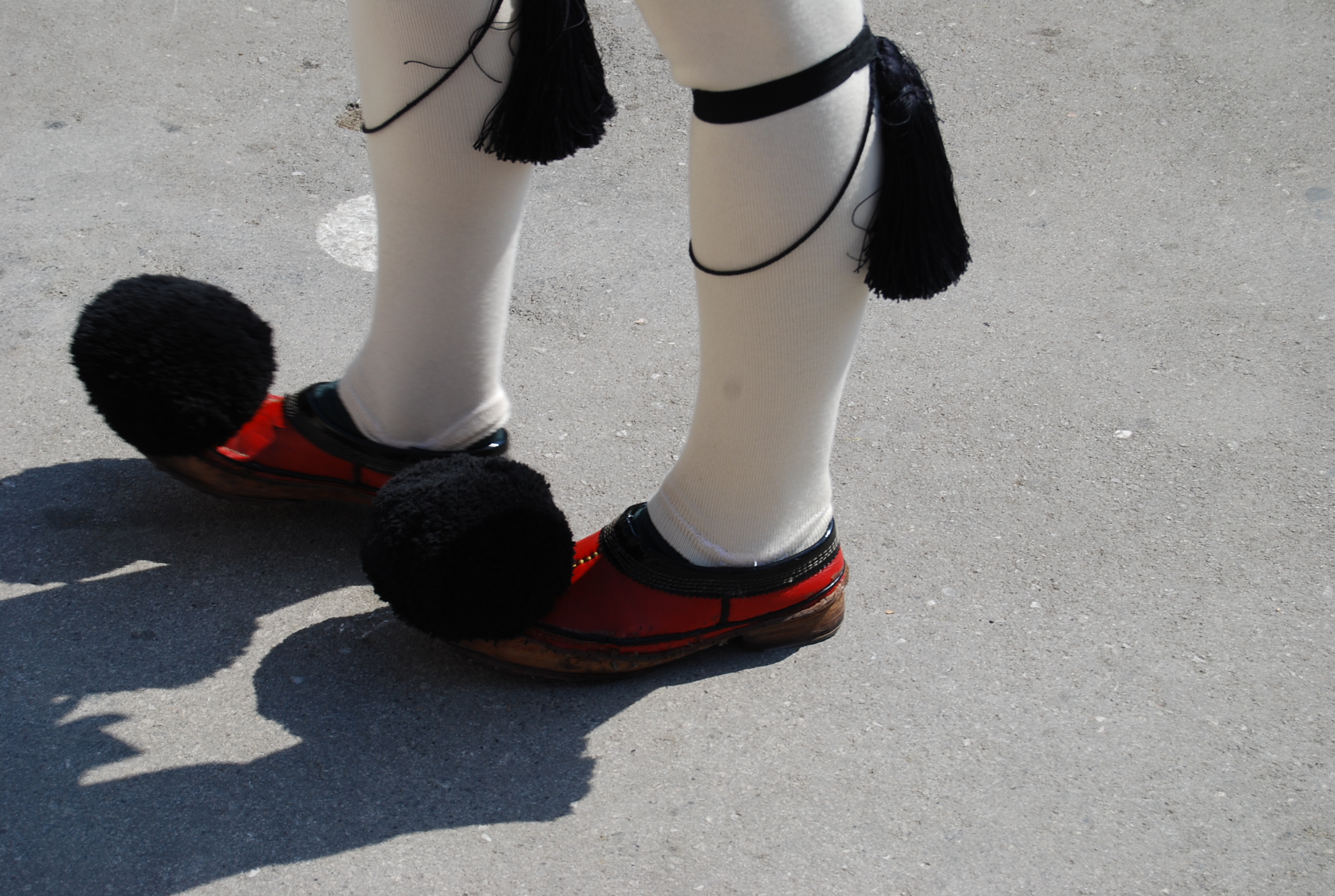
On our way back to the hotel, we stopped by the Parliament, housed in the formal royal palace of King Otto. Out front, the Tomb of the Unknown Solider is guarded by evzones, huge kilt-wearing presidential guards that stand stone-faced while getting taunted by tourists. Every hour, in a regimented ceremony, the guards are relieved — and do a little dance in some very dope pompom shoes.

We walked through the National Gardens, once the private grounds of the royal family, back to the hotel, where Dad asked if every day would be this much walking before promptly falling asleep. We’ll get some dinner at a local taverna in the Plaka tonight and then probably get to bed early. Our ferry to Hydra departs tomorrow at 10 a.m.

Onward to country #4

Day 25
En route to Athens, Greece

It was nice to sleep in and go for a jog this morning, both of which prepared me, mentally and physically, for the next leg of my trip around the world. Split’s port was eerily quiet this Sunday morning, the usual movement of ferries and ships had grounded to a halt, like most of the city’s stores and restaurants.

Spending the last week traveling through the Dalmatian Coast of Croatia, it hasn’t been hard to see why many have named it the next summer destination (if it’s not already). The weather is beautiful, the Croatian people friendly and welcoming and the slow development a welcome relief from the overcrowded shores of so many beach areas. I’m certain that I’ll return here.

But for now, it’s another week, which means I’m off to another country. My flight departs for Greece, via Rome, in just about 90 minutes.

The beaches of Bol on Brac

Day 24
Brac, Croatia

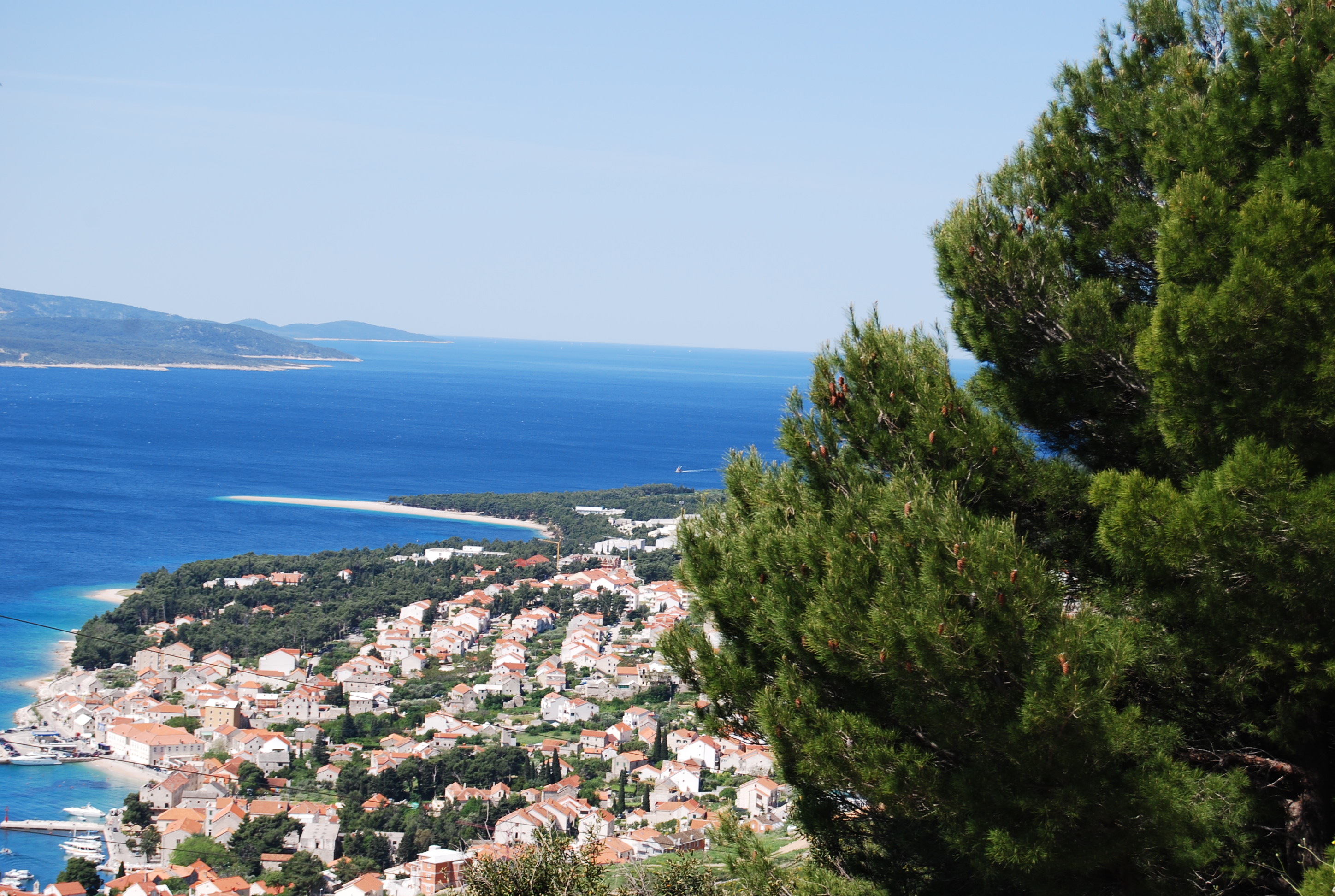
The largest island in central Dalmatia is best known for two things: its lustrous white stone that has built some of the world’s most famous landmarks, like the White House, and Zlatni Rat (Golden Horn), described by many as the most beautiful beach in this country. Today, after an hour’s ride from Split, we saw both.

Our ferry arrived in Supetar, Brac’s main port, a little before 10 a.m. We hopped off and cut right to the matter at hand: finding the cheapest rental vehicle possible, which happened to be a Peugot 107. Not American-made like our Chevy Spark in Korcula, but it would do.

Passing quarries and piles of stones that had been removed by hand in order to farm the land, we worked our way towards Bol, a town on the south side of the island. Approaching from the mountains, it wasn’t hard to spot Zlatni Rat, a smooth stone beach that juts about 1,500 feet into the sea. It has been described as a tongue, because depending on the wind and waves, the tip of the beach can change shape.

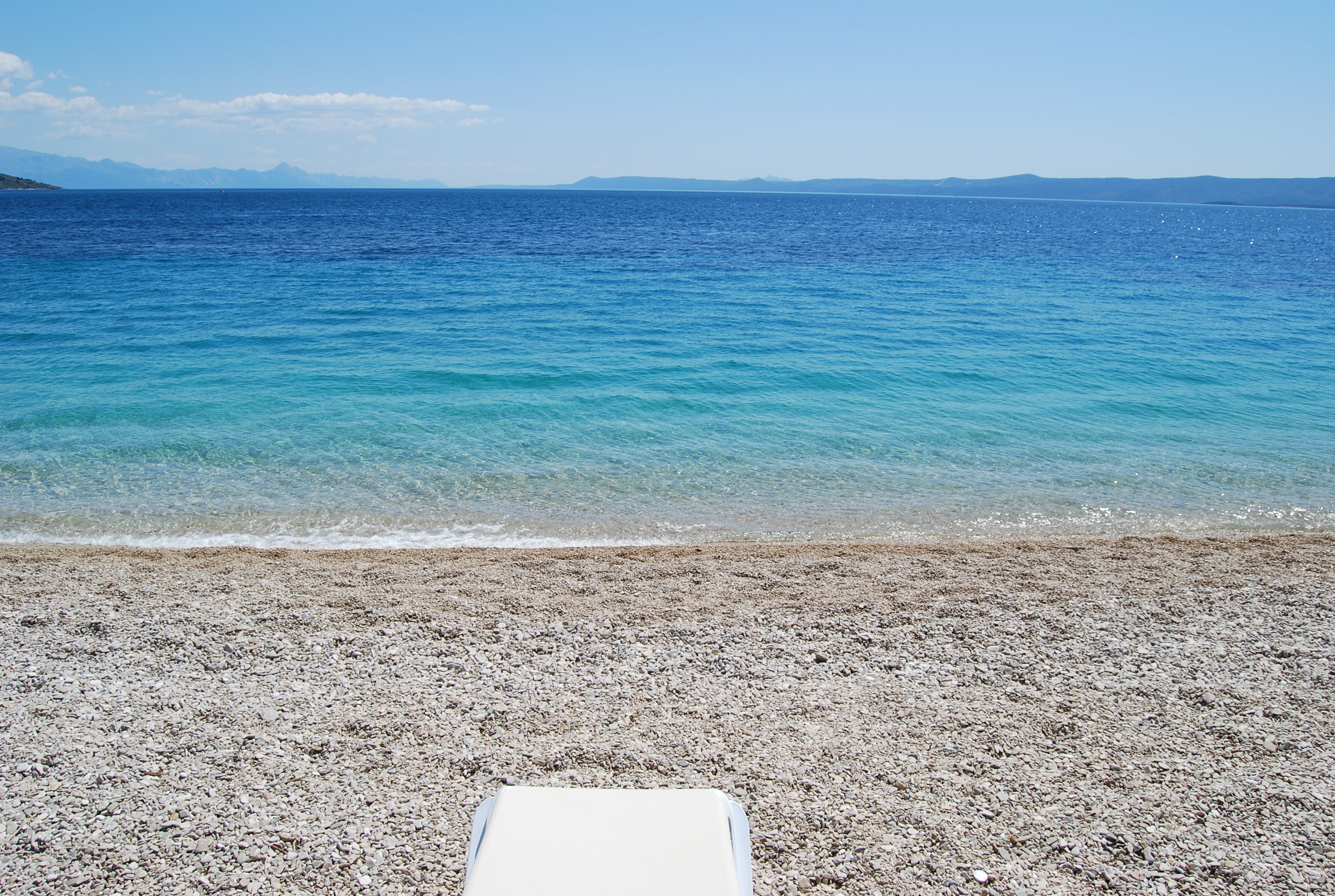
We were treated to another day of great weather (Brac gets 2,700 hours of sunshine annually), and the rocky cliffs, blue sky, crystal clear waters and pine trees separating this sliver of a beach made for a dramatic setting.

With its strong maestral wind, Bol is also the windsurfing capital of Croatia. More recently, Zlatni Rat has been discovered by kitesurfers, who by early afternoon, had crowded the sky with dozens of their kites.

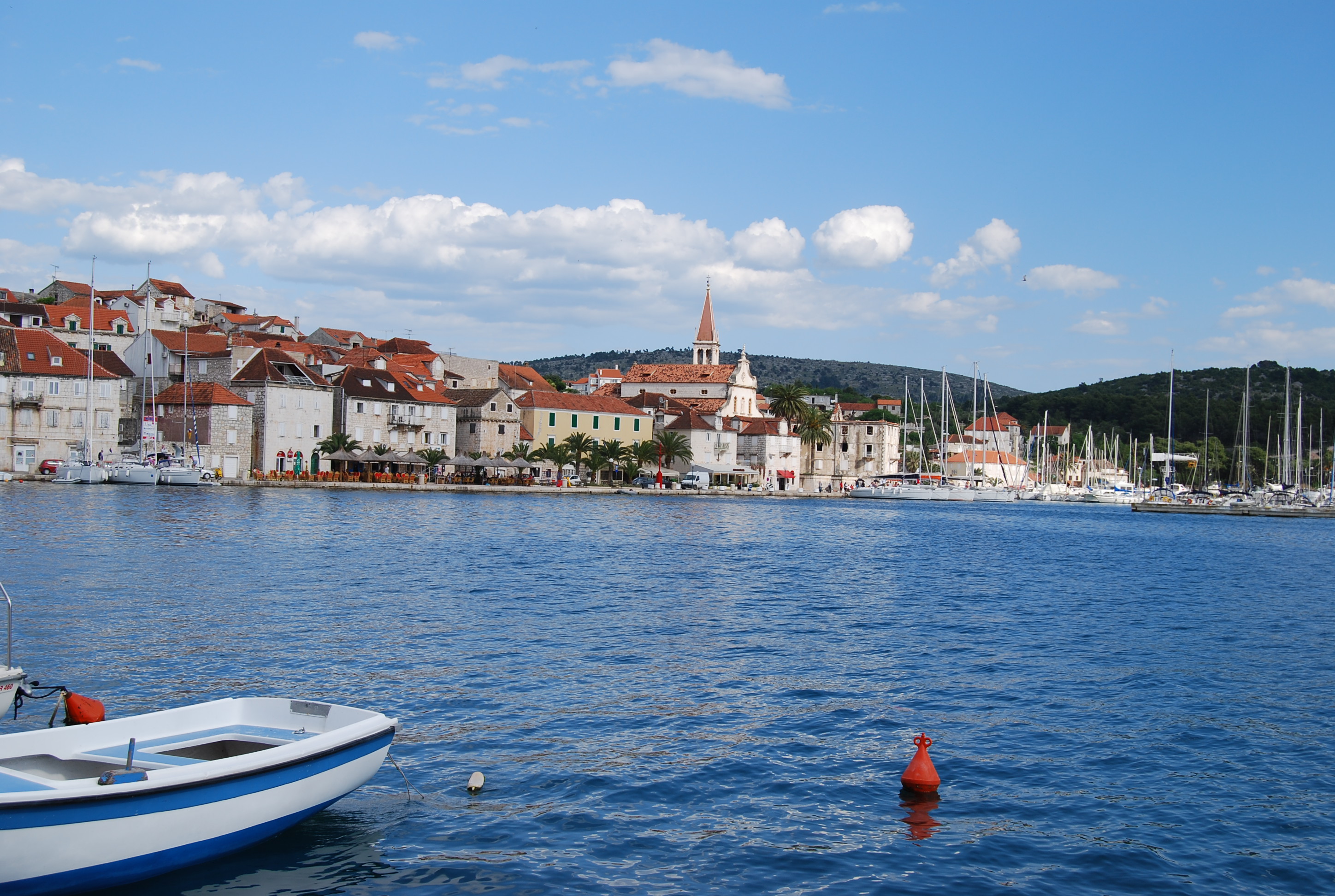
On our way back to Supetar, we stopped in Milna, a small fishing village that was used by Emperor Diocletian en route to building his palace in Split. We had a coffee, explored the town’s harbor and then took a short hike.

This evening, Burt returned to Dubrovnik. Tomorrow, he’ll be flying back to the States at about the same time that I’ll be meeting my Dad in country #4, Greece.

Diocletian does Split

Day 23
Split, Croatia

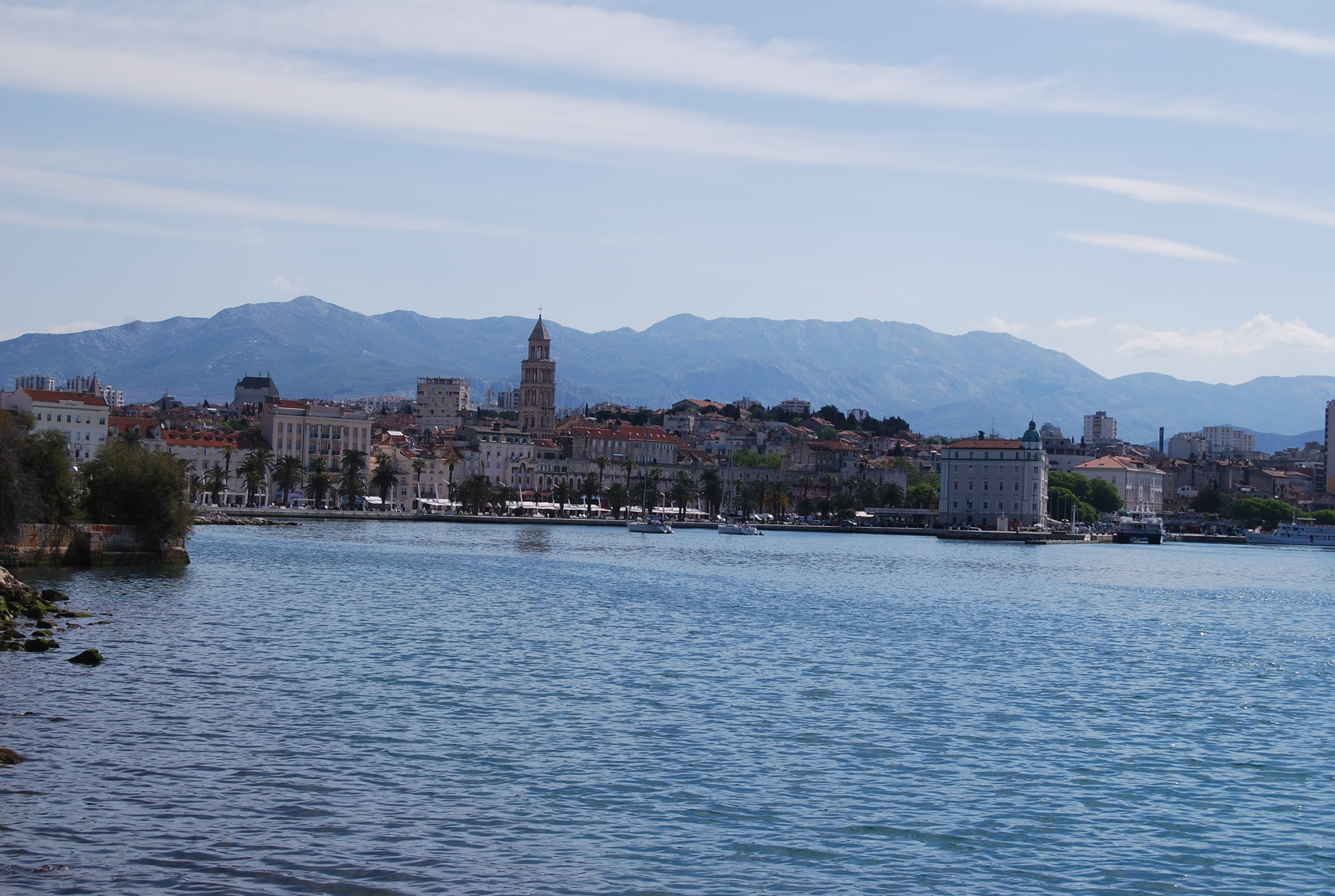
Our high speed Krilo ferry docked here from Hvar early this morning. After spending over a week in the quiet outlying islands, we felt a marked change after arriving in Split, the second largest city in Croatia. There are bus-filled streets, skyscrapers overlooking the port and a general buzz that we’ve not yet encountered in this country. We’re renting 13 Stones, a centrally located 200-year old two-bedroom apartment in a residential neighborhood, situated steps from the palm tree-lined harbor promenade in a private courtyard.

We spent most of the afternoon exploring Diocletian’s Palace, built by the Roman emperor of the same name between the years of 295 – 305. What makes these ruins all the more fascinating is that, unlike many others, they have not been relegated to a museum status seen only behind barricades. Instead, this site has become home to about 3,000 residents within the palace walls, as well as countless shops and restaurants.

The entire palace is huge — it measures 215 meters from one end to the other — and was constructed with no expenses spared. At its heart is the Cathedral of St. Dominus, which Diocletian originally built as his mausoleum. The doors were carved in the 13th century, depicting scenes from the life of Christ in 28 intricate squares. And, a climb to the top of the 60-meter bell tower offered views of Split, the Adriatic and beyond.

Afterwards, we walked through an open-air market, where vendors sold every item imaginable, from fruits and vegetables to soccer jerseys and pellet guns — and made sure to rub the left big toe of the statue of Gregorius of Nin, as doing so is supposed to bring good luck.

Tomorrow, we head to Brac, the largest island in central Dalmatia.

The land of lavender

Day 22
Hvar, Croatia

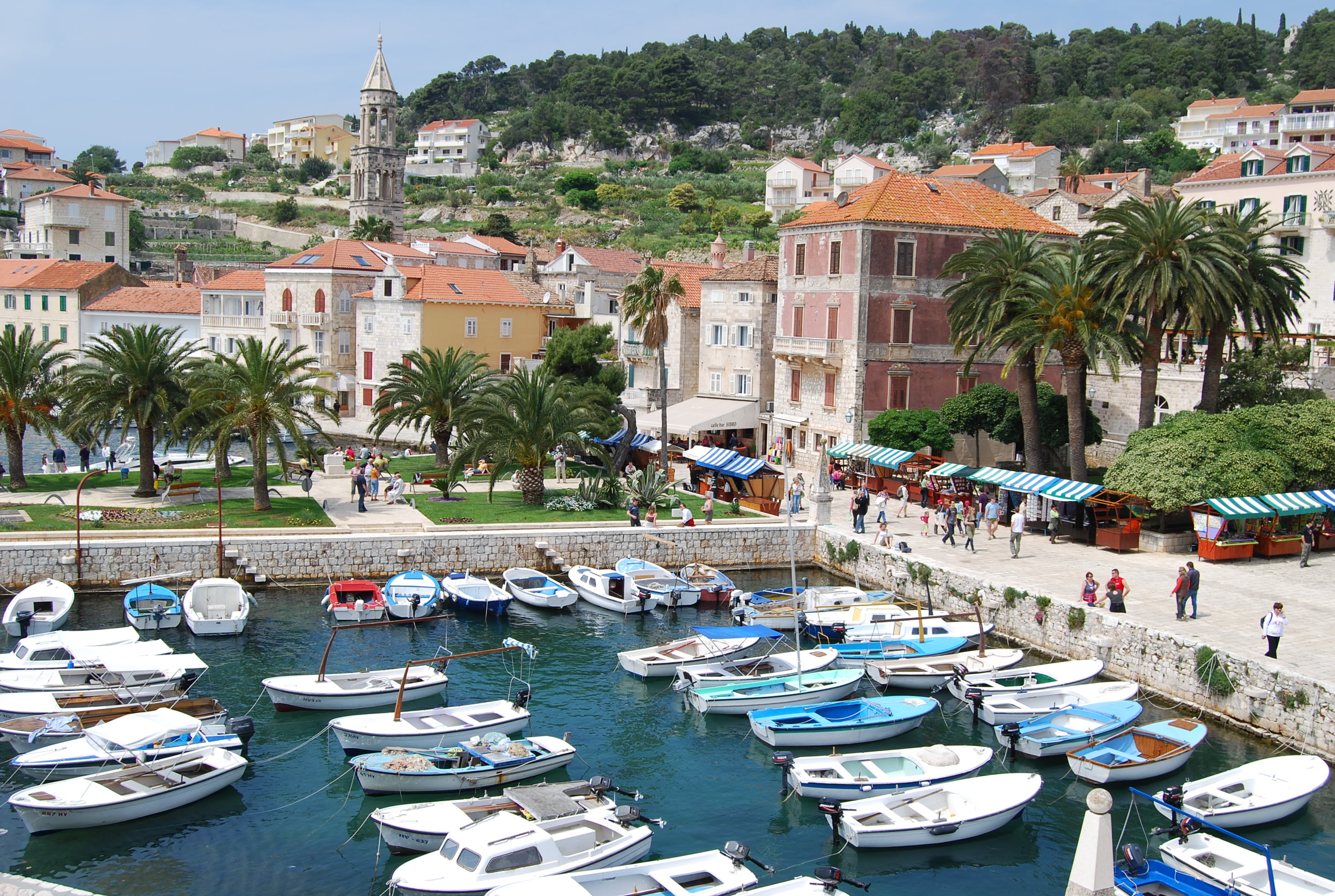
We still haven’t figured out what holiday it was today in Croatia — the banks, markets and some sights were closed — although it didn’t make much of a difference. After a great seafood dinner last night, we slept in late and then headed into Hvar Town, famous for its outlying fields of lavender, for some brunch. It was, unsurprisingly, another beautiful day here.

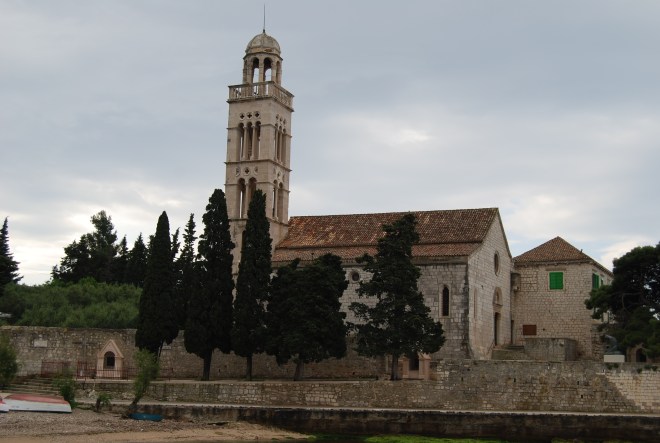
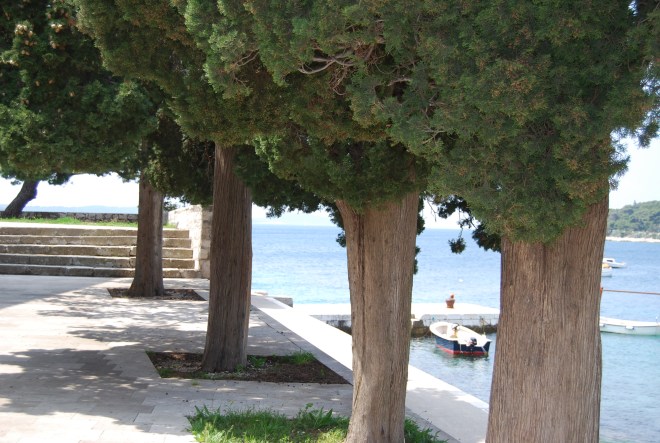
We walked to the 15th century Franciscan monastery, which overlooks a shady cove of the Adriatic and whose bell tower was built by a well-known family of stone masons from our previous destination, Korcula.

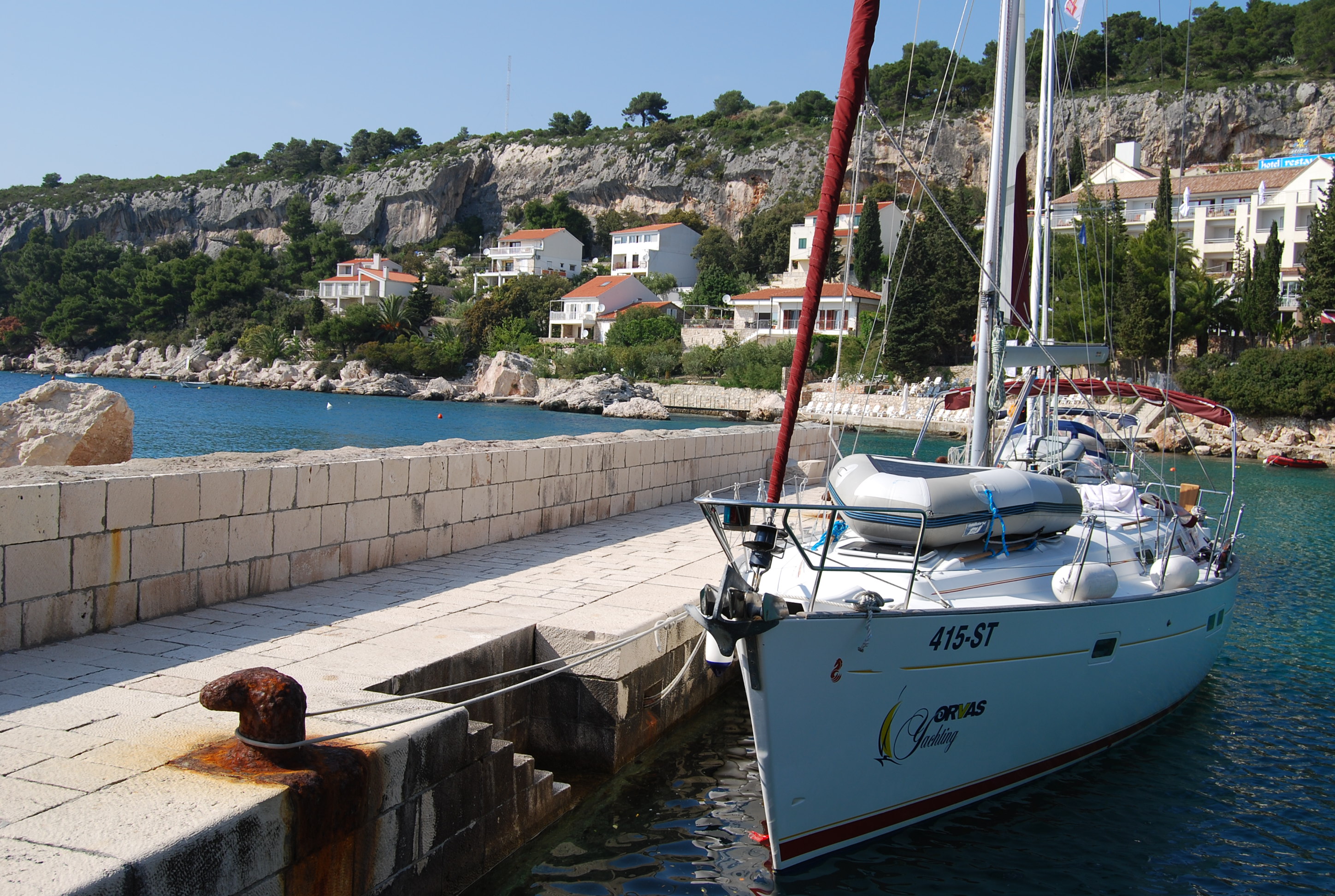
With the weather near perfect, we changed into our bathing suits and made our way to a sheltered cove just a couple minutes from our apartment. The pier made for a great place to put down a towel, get some sun and relax away the afternoon.

We’ve lounged through the rest of the day — Burt is catching up on reruns of Puna Kuca (Full House) and I’ve finally finished reading Around the World in 80 Days (spoiler alert: he makes the trip successfully!)

Our ferry leaves for our final destination in Dalmatia, Split, tomorrow at 7:30 a.m.