Introducing the Family Tree

Chapel Hill, North Carolina

As a Second Year student planning on starting a business, I’ve started to shift my academic focus at Kenan-Flagler toward those classes that will directly provide me with the tools necessary to successfully do so. One such class I’m taking now is an Entrepreneurship course offering, Innovation & Product Development, taught by Prof. Barry Bayus.

Throughout the quarter, Barry has walked us through the new product development process, providing best practices on conducting market research, identifying voice of the consumer, translating needs into specifications, brainstorming ideas and designing new products.

Concurrently, we have been working in small teams on an innovation project for mobile phone giant Nokia. The project has allowed students to directly apply all that we are learning in the classroom to a real business case.

My team has developed a product called the Family Tree. It’s a mobile phone docking unit, targeted at seniors, that integrates and simplifies communication and printing capabilities. Here’s the pitch that we developed and just sent to Finland for review by company executives.

With luck, look for the Family Tree on store shelves by next spring!

Or at least we hope so.

UPDATE: Here are the other team entries to see how we stacked up.

A walk on the High Line

New York, New York

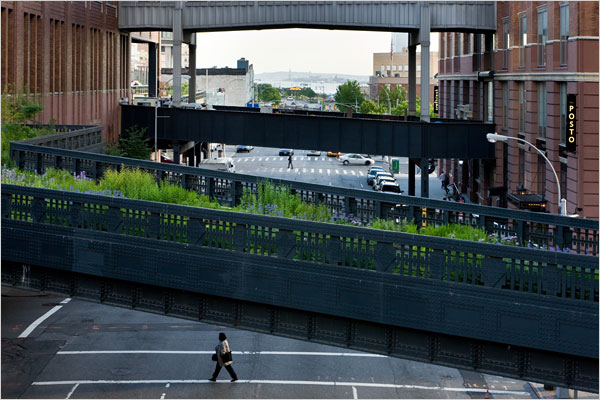
I’m always fascinated by how innovative designers and planners are able to redevelop aging buildings and urban structures into livable spaces. For example, rundown warehouses smartly converted into modern lofts. Perhaps the most recent and well-publicized development — at least in the Big Apple — has been the High Line, which opened a few months ago.

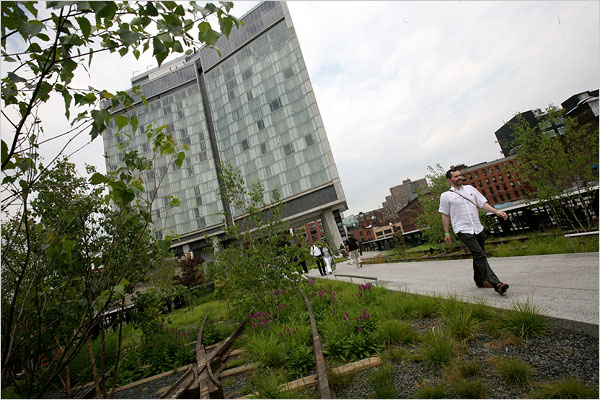
A former elevated freight railroad on the West Side built in the 1930s, the 1.5 mile section of tracks stood abandoned and unused for years. Then, in 2004, with $50 million of government support, the High Line was reclaimed. For five years, tracks were removed, pebble-dash concrete walkways were built and native trees, grasses and shrubs were planted. And then in June, the first section was revealed.

high1

high10

lineslide13

Benches with views of the Hudson River and the urban landscape have been installed. And Andre Balazs straddled the chic Standard Hotel over the High Line at West 14th Street.

lineslide5

high6

Suddenly, a space neglected for years was transformed into a hub of outdoor activity.

Only in New York.

Taste of Perilla

New York, New York

As fans of Top Chef, we are often left wondering what becomes of each season’s winner. With their much publicized editorial feature in Food & Wine, the appearance in Aspen and cash from Glad, what have Harold, Ilan, Hung, Stephanie and Hosea actually gone on to do?

Last night, we got a chance to see and taste with dinner at Perilla, the West Village restaurant — named after the tangy, mint-related herb that the Japanese call shiso — opened by the inaugural Top Chef, Harold Dieterle, following his win and subsequent celebrity in 2007.

2526688808_51e7982f3e

Inside the skinny New American restaurant, diners sit at zebra wood tables and red leather banquettes lit by Tolomeo chandeliers. Dieterle designed the place as a neighborhood spot but judging by the crowds — and the fact that a Saturday night reservation is recommended three weeks in advance — it’s clear that Perilla continue to benefit from the stardom of its chef.

dining_bars_perilla01_grid_3

We arrived on Jones Street at 8:45 p.m. and were shown to our table near the back. After ordering a reasonably-priced bottle of Cava Brut, we decided to split Dieterle’s signature dish: spicy duck meatballs with mint cavatelli, water spinach & quail egg. It did not disappoint, as the egg added to the richness of the sauce and balanced the spice of the meatballs.

3026316205_217123df8a_o

I’m not one to typically order chicken while out to dinner but Perilla’s roasted speck-wrapped organic chicken — served with salsify, asian pear, walnuts, tatsoi & pomegranate molasses — was delicious. The smoky speck (basically a German prosciutto) went well with the sweet molasses; and the crunch of the bed of walnuts added an interesting texture.

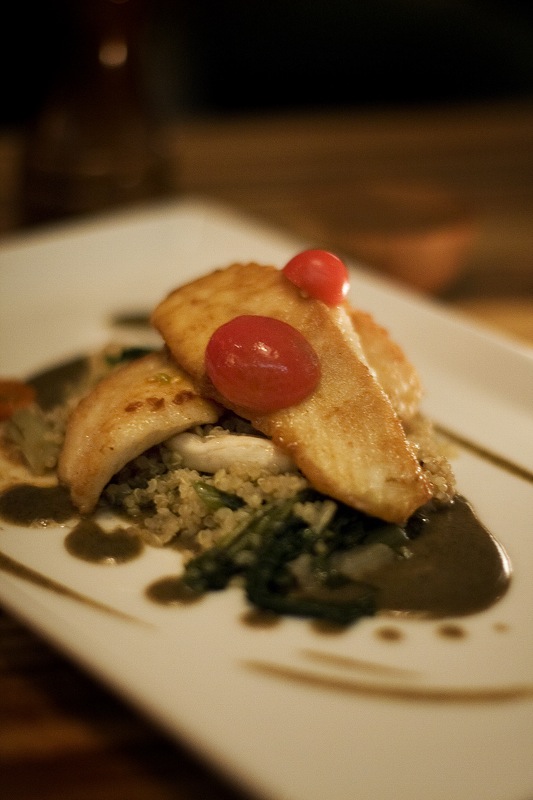
Charlotte’s sauteed trigger fish was also a hit. Served with heirloom tomatoes, quinoa, wood ears, sweet & sour eggplant-basil sauce, the John Dory-like fish was cooked perfectly.

3026316305_94dfab1c8d_o

For dessert, we couldn’t resist s’mores, an amazing reinterpretation of a campfire classic. The chocolate bar was replaced by a dark mousse and topped with toasted marshmallow & crispy graham cracker. As if that wasn’t decadent enough, there was also a scoop of chocolate gelato.

dscf43281

Our server was friendly, attentive yet non-obtrusive. And we really enjoyed the lively atmosphere which was buzzing but not deafening.

So, what do Top Chefs do in their post-reality television lives?

If they’re anything like Dieterle, they open pretty darn good restaurants.

Inside the Harpoon Brewery

Boston, Massachusetts

It sounds like every MBA’s dream.

After a boozy summer tour through Europe, spend the second year of business school not sitting with recruiters but writing a business plan to launch a brewery. Obtain a liquor license, hire a couple of friends and start what will become the single largest craft brewery in New England.

Dream? Make that a reality for the founders of Harpoon. Twenty years later, their brewery continues to operate full-tilt at the same waterfront location in downtown Boston. A big fan of their beers, including the flagship IPA, we stopped by today for a tour and $5 tasting.

An energetic guide — your typical bearded, kind of hippie beer enthusiast — explained the brewing process which wasn’t nearly as complicated as one would think. In fact, there are only four ingredients in beer: water, barley, hops and yeast. But it’s the recipe (that is, how the ingredients are mixed) that gives beer its unique flavor.

Harpoon doesn’t typically brew on the weekends but a flood earlier in the week had set back production. So, we were able to watch beer go through the whole process, from boiling water in huge aluminum vats to the final step of bottling into kegs.

dsc_0937

dsc_0937

dsc_0937

dsc_0937

At the tour’s conclusion, we got to the matter at hand: the tasting.

A bell rang and the taps opened as we sampled the IPA, seasonal, ciders, UFOs and premium 100 Barrel and Leviathan brands. The UFO White was one of my favorites — it’s brewed with orange peels and had this crisp spiced wheat beer flavor.

dsc_0937

dsc_0937

After thirty minutes, the bell rang again and the taps closed off.

Walking back to the parking lot, it was hard not to start thinking of a business plan.

Mike’s vs Modern: A cannoli rivalry decided

Boston, Massachusetts

When most people think of Bean Town rivalries, they think Yankees-Red Sox. But, believe it or not, there’s a far greater struggle in Boston, one that has polarized residents, stirred hatred and spawned a seemingly interminable debate. I’m talking, of course, about cannolis.

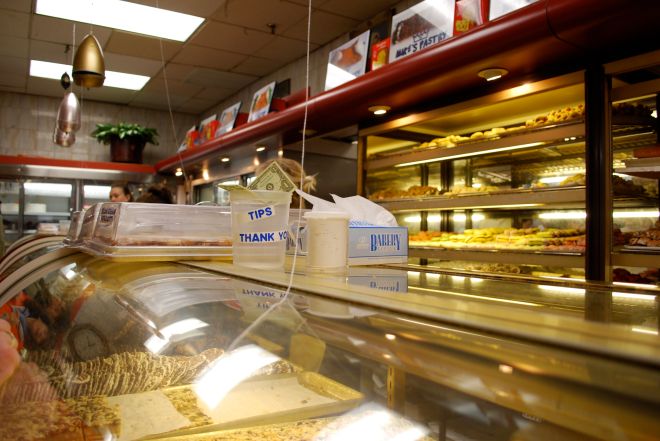
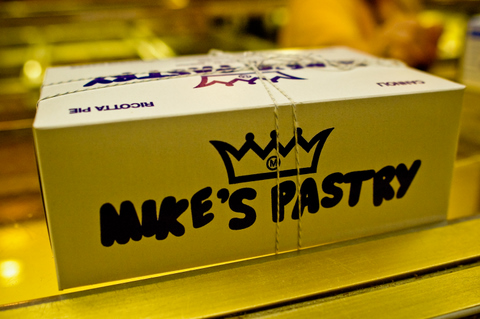
On Hanover Street in Boston’s North End, two historic Italian bakeries — Modern and Mike’s — have battled for decades, claiming that their custard filled puff-pastries are simply The Best. And while just about every newspaper, foodie Web site and blogger has gotten in on the debate, on my trip up here this weekend, it seemed only fair to give them both a try.

First up: Modern, named Best Neighborhood Sweets last year by Boston. This small shop was bustling with activity as locals and tourists alike salivated over the refrigerated cases brimming with delectable pastries. The smell of freshly baked sweets filed the air while the whir of a coffee grinder signaled a fresh batch was brewing.

dsc_0937

Because all of the cannolis are made to order at Modern, the shell was fresh, crunchy and a little flaky. The overflowing filling had a sweet — but not too sweet — taste and a wonderful pudding-like consistency. Consensus: it would be hard to get much better.

dsc_0937

Or would it?

Not more than a hundred yards down the street sat Mike’s. Packed with throngs of tourists wearing bright yellow Cheers ponchos, the welcome was a bit overwhelming. Where did the line end? Was there even a line?

We got distracted and wandered over to the display cases — which showcased the countless cannoli flavors. There was mousse. And honey nut. Choosing could be difficult.

DSC_1259

But to keep it simple (and fair) we got a chocolate chip with a dash of powdered sugar (why not, right?). It wasn’t made to order but it didn’t seem to make much of a difference. The shell was thicker and the filling tasted sweeter than Modern. But still, absolutely delicious.

dsc_0937

dsc_0937

So, Modern or Mike’s? For me, a perfect cannoli would have the freshness and personalization of Modern but the shell and filling of Mike’s.

But I’m a native New Yorker. Which means Bostonians could care less about my opinion.

36 Hours in the Research Triangle

Chapel Hill, North Carolina

In planning my frequent travels, I’ve come to rely on a variety of resources.

Most importantly, are people — either those who have visited the places that I’m heading, or better yet, live there. After speaking with them, there are the more traditional targets: TripAdvisor for hotel reviews; Kayak for airfares; Lonely Planet for destinations and sights. One of my most frequently referenced guides though is the New York Times, which I’d argue has the best daily paper travel section in the country.

Every week, the Times puts out a recurring feature, “36 Hours” in which it offers up a weekend-long itinerary of a destination around the globe. You can imagine my excitement then when earlier this summer, it focused it sights right here in the Research Triangle. Would its reporter be able to dig up neighborhood Raleigh-Durham-Chapel Hill spots and point visitors in the right direction?

Over a 36 hour period, appropriately enough, we set out to investigate.

dsc_0937

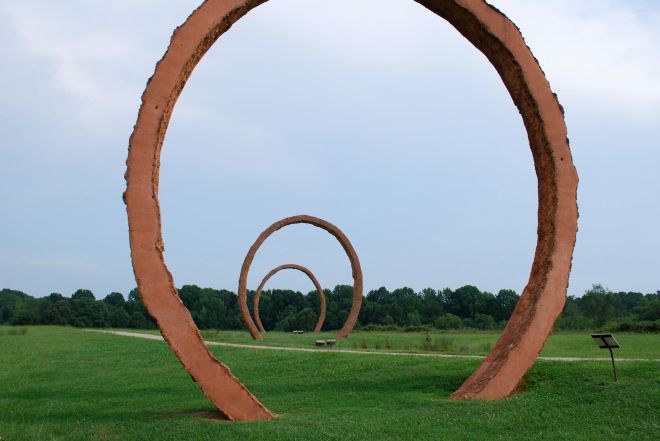
What they said: Anyone who has visited the Met or the Getty might scoff at the relatively succinct collection at the North Carolina Museum of Art (2110 Blue Ridge Road, Raleigh; 919-839-6262). But the lack of tour bus crowds means unfettered access to the Old Masters and contemporary heavyweights like Anselm Kiefer. The real treat is the adjacent Museum Park, more than 164 acres of open fields and woodlands punctuated by environmental art like Cloud Chamber, a stone hut that acts as a camera obscura, with a small hole in the roof projecting inverted, otherworldly images of slowly swaying trees on the floor and walls.

What we thought: Although not scheduled to close until September for a scheduled expansion, the museum currently looks like a construction site. The Museum Park had some interesting pieces — although the Carolina Heat didn’t allow us to enjoy it as much as we would have liked. The aforementioned Cloud Chamber was damp and spooky; not nearly as introspective as we had anticipated. Regardless, we would recommend a visit once the museum reopens next spring.

dsc_0937

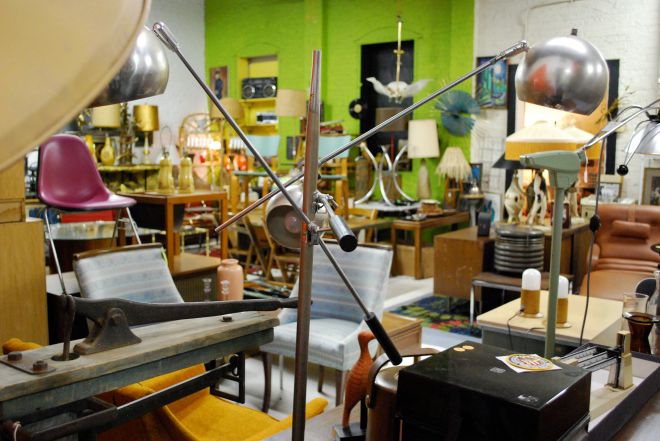
What they said: There’s no pigeonholing the eclectic wares in this four-story indie minimall collectively known as Father & Son Antiques (107 West Hargett Street, Raleigh; 919-832-3030), and including Southern Swank and 2nd Floor Vintage. The organizing principle, if there is one, might be high design meets kitschy Americana, as the intermingling of vintage disco dresses ($18), Mexican wrestling masks ($20) and Eames aluminum group chairs ($250 to $500) attests.

What we thought: Located in the downtown Raleigh wasteland, this store had a couple of interesting finds mixed in with heaps of junk. For every cool retro floor lamp, there were old typewriters and busted hair dryers. We didn’t go looking for anything in particular — nor did we walk out with anything. Might be worth checking out. But wouldn’t be a big deal if you didn’t.

poole3

What they said: Memorable meals are easy to come by in the Triangle owing to its high concentration of accomplished, produce-fondling chefs like Ashley Christensen. She left one of the area’s top kitchens to open Poole’s Downtown Diner (426 South McDowell Street, Raleigh; 919-832-4477) in a space that began as a 1940s pie shop. Diners sitting in the bright-red booths dig into Christensen’s low-pretense, high-flavor dishes, like a starter of lovably sloppy fried green tomatoes crowned with local pork smoked over cherry wood ($11), and the Royale ($13), an almost spherical hunk of ground-in-house chuck roll seared in duck fat, topped with cheese and perched on a slice of grilled brioche.

What we thought: The location, on a busy street near the Interstate and across from the prison, wasn’t great. But we escaped into this cool, converted space. The focus here is on made-to-order meals; the menu — up on a large chalkboard which we had to walk over to read — changes daily. Our roasted chicken was moist although the portions were a bit meager for the $18 price tag. Poole’s is an informal spot worth grabbing a meal at if you happen to be in Carolina’s capital city and are in search of something a little bit different.

poole3

What they said: For most bars, a popular politician’s visit would be a game-changing boon. But the Raleigh Times Bar (14 East Hargett Street, Raleigh; 919-833-0999) was packed well before Barack Obama showed up the day of the state’s Democratic primary. The owner, Greg Hatem, painstakingly restored the century-old building that once housed its namesake newspaper and decorated the walls with old newspaper clippings, paperboy bags and other artifacts from the defunct daily. Mr. Obama bought a $2 Pabst Blue Ribbon (and left an $18 tip), but anyone not campaigning might choose one of the more than 100 other beers ($1 to $68), including esoteric Belgians and local brews you won’t find elsewhere.

What we thought: This was a hopping spot on our visit — tables were bustling with activity and the crowd spilled over onto the sidewalk. As former journalists, we were suckers for the décor. The Big Boss Seasonal Ales were $6 bucks a piece and well worth it.

poole3

What they said: One of the Triangle’s charms is that its urban trappings are so easy to escape. A 10-mile drive from downtown Durham brings you to Eno River State Park (6101 Cole Mill Road, Durham; 919-383-1686). Its trails pass through swaying pines and follow the river past patches of delicate purple-and-yellow wildflowers and turtles sunning themselves on low branches in the water.

What we thought: Although we do a fair amount of hiking, we never would have heard about this park otherwise. It was largely empty when we arrived to summit Cox Mountain. The walk, about 4 miles round trip, crossed the Eno River on a suspension foot bridge and continued gradually up a hill that climbed 270 feet in elevation. No great views from the top but a great workout.

poole3

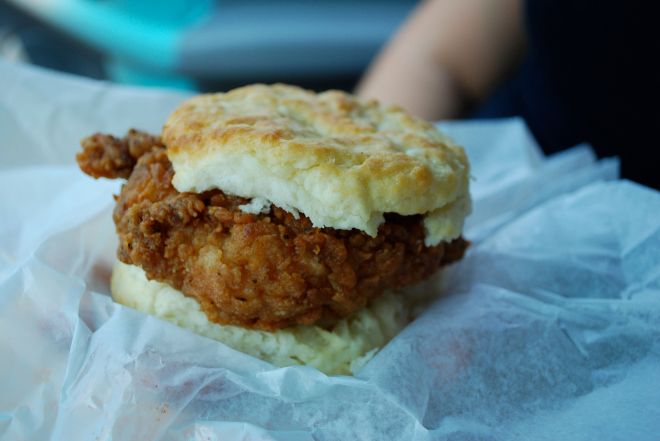
What they said: But for a morning meal on the go that’s equally unforgettable, roll up to the drive-through-only Sunrise Biscuit Kitchen (1305 East Franklin Street; 919-933-1324), where the iced tea is tooth-achingly sweet and the main course is fluffy, buttery and filled with salty country ham ($2.02) or crisp fried chicken ($3.40).

What we thought: We’ve driven by this place for the last year so were excited to finally have an excuse to stop there. Our crisp chicken biscuit was certainly tasty (how could it not be?) but we weren’t sure it competed with that offered at Time Out. And for just biscuits, we think the award goes to Weathervane, the café at Southern Season.

poole3

What they said: Anyone not on a hunt for serious Mexican food might drive past Taqueria La Vaquita (2700 Chapel Hill Road, Durham; 919-402-0209), an unassuming freestanding structure with a plastic cow on its roof, just five minutes from Duke’s campus. But if you did, you’d miss tacos ($2.19) made with house-made corn tortillas, uncommonly delicate discs topped with exceptional barbacoa de res (slow-cooked beef) or carnitas (braised-then-fried pork) that you eat at one of the picnic tables out front.

What we thought: Looks can be deceiving at this roadside food stand. But the tacos were absolutely perfect. Authentic Mexican food is difficult to come by in this area. There are just so many lousy places — Los Potrillos, La Hacienda, to name a few. It was so welcome to find this little gem with fresh and spicy flavors.

All in all, I’ve got to give the Times credit. Not all of its recommendations were the greatest. But many were. Which means that I’ll keep checking out “36 Hours” each Sunday morning for inspiration and travel advice. Whether that’s halfway around the globe or right outside my door.

Cooking up bibim bap

Chapel Hill, North Carolina

One of my favorite restaurants in D.C. is Mandu, a small Korean place on 18th Street. Their classic dish is dolsot bibim bap, a delicious combination of rice, stir-fry beef and traditional sauteed vegetables (bean sprouts, spinach, cucumbers, carrots) served in a hot stone bowl. Topped with a fried egg and spicy hot sauce, it’s damn near perfection.

On this summer’s trip through Botswana, my South Korean friend Sook brought along a container of gochujang, a traditional condiment. For several occasions, she broke out the hot sauce and we doused it on the meals cooked at our campsite. It was amazing.

Then, a couple weeks back, an international package arrived at my door. Sook had graciously sent along a box of sauces and rice, along with some pointers on how to make my favorite dish.

dsc_0937

So, with Sook’s guidance, we pieced together our own relatively simple bibim bap recipe.

Ingredients (for two servings):
1 pound skirt steak
1/2 cup rice vinegar
3/4 cup low-sodium soy sauce
4 tablespoons sesame oil
2 garlic cloves
1 teaspoon black pepper
1 tablespoon kosher salt
1/2 tablespoon sugar
2 cups white rice
2 eggs
1 cup spinach
1 cup English cucumber
1/2 cup carrots
1/2 cup bean sprouts

Beef marinade:
Combine 1/2 cup soy sauce, 1/4 cup rice vinegar, 2 tablespoons sesame oil, 1 teaspoon of black pepper and 1 chopped garlic clove

Vegetable marinade:
Combine 1/4 cup soy sauce, 1.5 tablespoons sesame oil, 1/2 tablespoon kosher salt and 1 teaspoon black pepper

Cucumber marinade:
Combine 1/4 cup rice vinegar, 1/2 tablespoon kosher salt, 1/2 tablespoon sugar, 1/2 tablespoon sesame oil, 1 chopped garlic clove

Cooking directions:

(1) Put steak in freezer for about an hour; remove and slice thinly, placing strips into a bowl, covering with marinade and refrigerating overnight
(2) Cook rice per instructions (or have Korean friend mail you authentic instant rice)
(3) Blanche been sprouts for thirty seconds and cool in ice water bath to stop cooking; do the same for spinach and carrots; lightly coat all three (separate bowls) with the vegetable marinade
(4) Thinly cut cucumber and cover in bowl with marinade
(5) Cook beef in large skillet with a tablespoon of oil on medium heat; fry until brown
(6) Fry egg in same skillet, sprinkle with dash of salt

Now it’s time for an important step: assembling the plate.

dsc_0937

On top of rice, place beef, bean sprouts, spinach and carrots; the fried egg and a squirt of sambal oelek, the spicy Korean hot sauce, complete it.

dsc_0937

dsc_0937

This could give Mandu a run for its money.

Driving the Blue Ridge Parkway

Asheville, North Carolina

We woke up early this morning and, after checking out of the Inn, made our way to the Blue Ridge Parkway. This 469-mile highway, which originates in Rockfish Gap, Virginia, is the most visited attraction in the United States National Park System. Much of the scenic road hugs the Blue Ridge Mountains, which are part of the Appalachian Mountains.

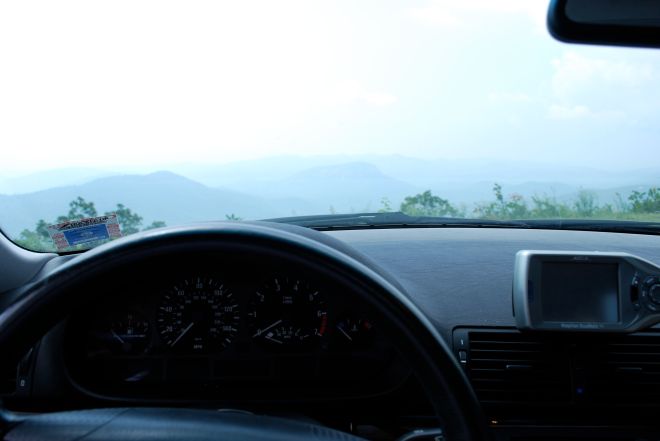
The weather was perfect so, with windows down and sunroof open, we entered around mile marker 388. Passing scenic overlooks along the narrow road, we made our way to Mt. Pisgah, named after the Biblical mount from which Moses first saw the Promised Land (according to a sign at the base). A steep 1.5 mile trail that gained about 700 feet took us to the summit from which there were panoramic views of western North Carolina.

DSC_1208

dsc_0937

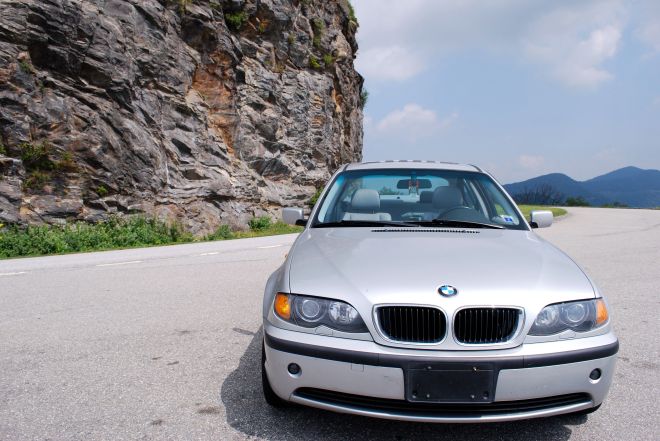
Thoroughly sweated up, we happily returned to the car and continued along the scenic parkway. Numerous tunnels brought us through the mountain side and provided appropriate photo opportunities for BMW’s next ad campaign.

dsc_0937

dsc_0937

dsc_0937

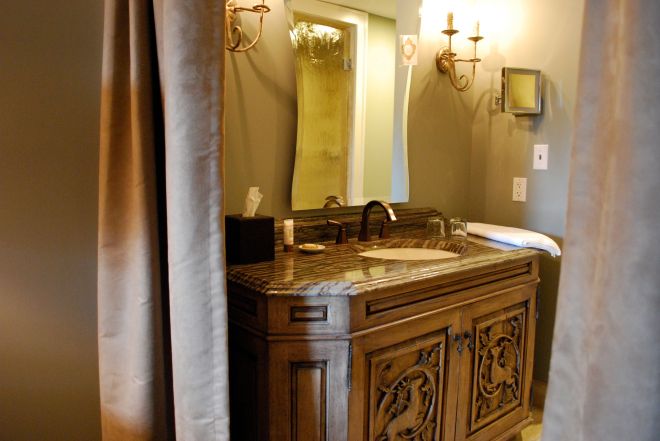
After a couple of hours, we exited and made our way back to Asheville, stopping for some lunch in nearby Biltmore Village. We checked into our hotel, the Bohemian Grand, which was located just outside the gate to the Biltmore Estate. It was furnished to resemble a trendy German hunter’s lodge, complete with stuffed animal heads lining the rustic wood-paneled walls.

dsc_0937

DSC_1240

Our king room was on the fourth floor, with the decor of the lobby continuing upstairs. Which is to say, lots of wood, leather and stone.

dsc_0937

dsc_0937

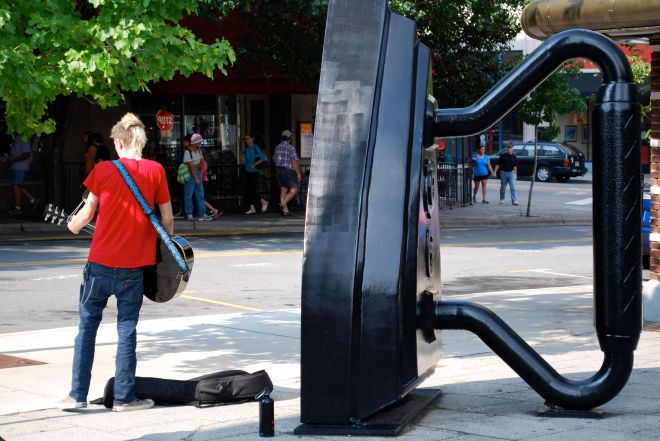
Showered up, we made our way into downtown Asheville, checking out the Grove Arcade and Woolworth Walk. Along the city’s restored Art Deco buildings, musicians played on street corners and strung out hippies parked their amazing hand-painted vehicles.

DSC_1244

DSC_1246

dsc_0937

We opted for dinner at the hotel’s Red Stag Grill, enjoying our steaks, brie mac & cheese and truffle french fries. Perhaps most impressive, however, were the back-lit menus — the first time either of us have seen such a thing.

dsc_0937

Finishing up a bottle of German pinot noir, we agreed. There’s a reason that this small city in western North Carolina has been ranked one of the best places to live in the U.S.

And it’s well deserved.

Night at the Biltmore

Asheville, North Carolina

This small funky city in western North Carolina — known for its burgeoning arts scene, outdoor activities, laid-back feel and acclaimed restaurants — has been ranked one of the best places to live in the United States. Rolling Stone has also proclaimed Asheville to be the “New Freak Capital of the U.S.” A freak city with a high quality of life? This we had to see for ourselves.

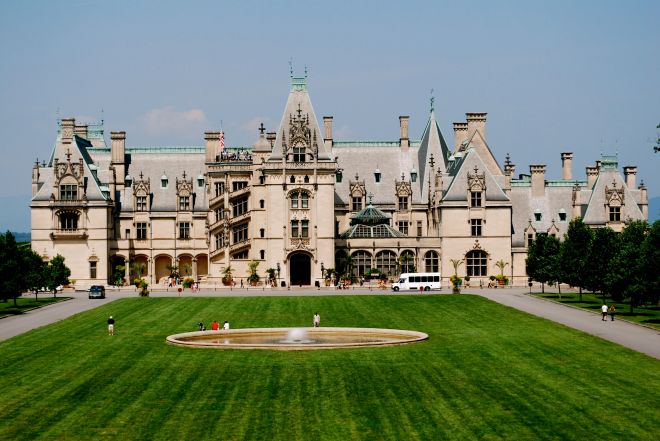
The landscape slowly became more mountainous along our 3-hour drive from Chapel Hill. We arrived a little after 9 a.m. and made our way directly to Asheville’s star attraction, the Biltmore Estate. This châteauesque style mansion was built by George Washington Vanderbilt II between 1888 and 1895. It was, and continues to be, the largest privately owned home in America.

Our tickets — which we booked in advance online for $47 each — allowed us entry with the first group of the day. After driving up the 3-mile long approach, we parked and took a shuttle bus to the entry. Passing through the gate, it appeared before us. This was one big house.

DSC_1173

DSC_1139

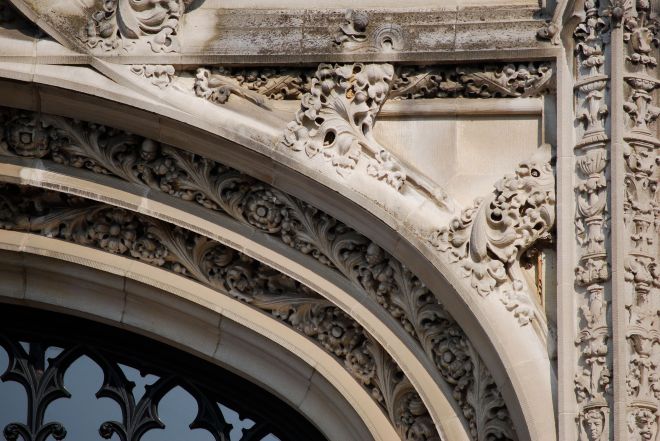
The exterior details were quite eclectic — with gargoyles perched from the roof and intricate stone carvings over doorways.

dsc_0937

dsc_0937

More than a million visitors tour the Biltmore Estate each year. Luckily, on this early Saturday morning, it was relatively quiet. No cameras were allowed inside the house but we were impressed by its sheer size as well as features, like the bowling alley, 70,000 gallon indoor swimming pool, two-story library and sleeping quarters for 50 servants.

Needless to say, this place made today’s McMansion communities look like Shanty Towns.

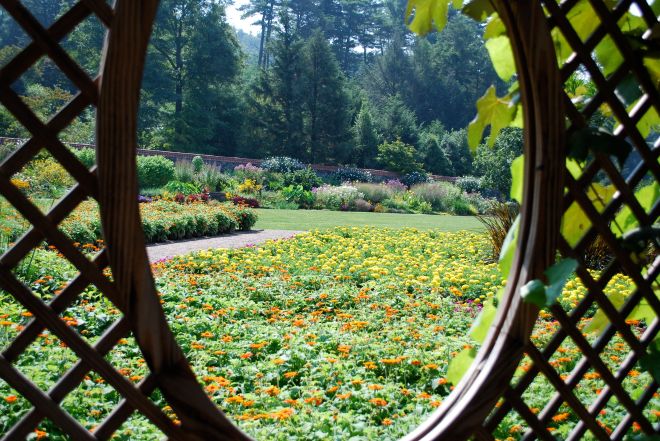
Afterward, we walked through the Walled Garden, with its meticulously-maintained plantings and fountains, before making our way to the Winery, apparently the most visited in the U.S.

dsc_0937

dsc_0937

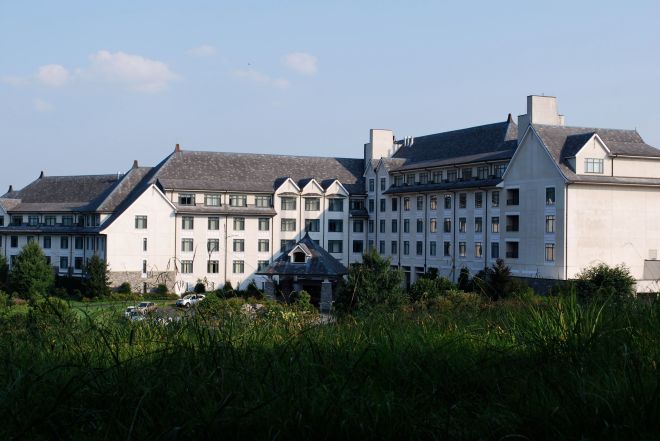
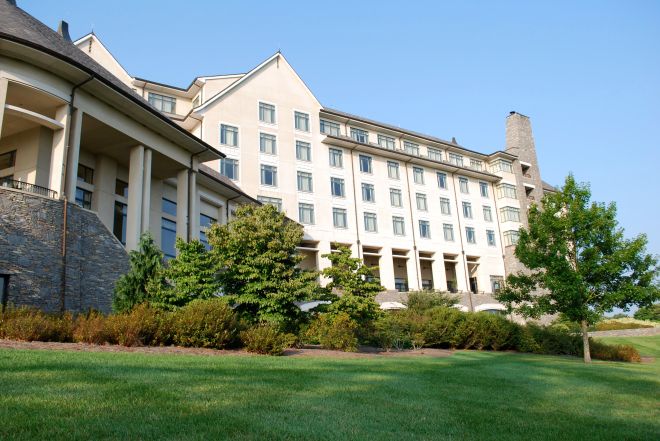
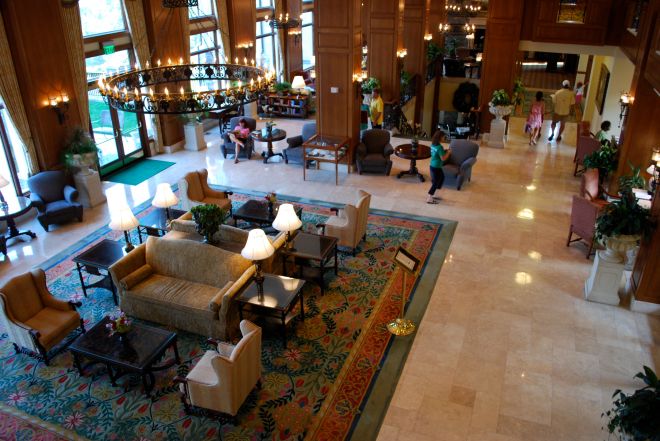
The midday heat was becoming oppressive so we opted for an early check-in at the Biltmore Inn, which is located on the property. Having just undergone extensive renovations, it’s a pretty spectacular place with views of the rolling hills and Blue Ridge Mountains in the distance.

dsc_0937

dsc_0937

dsc_0937

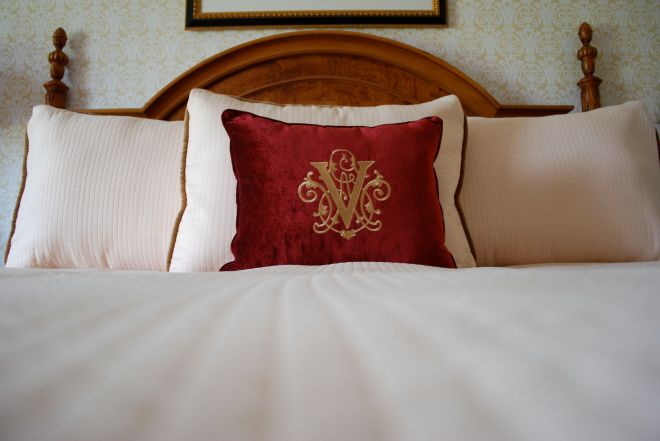
Our king room, on the top floor, was quite comfortable — it even had a pillow with Vanderbilt’s “V” insignia monogrammed on it. Baller!

dsc_1176

dsc_1177

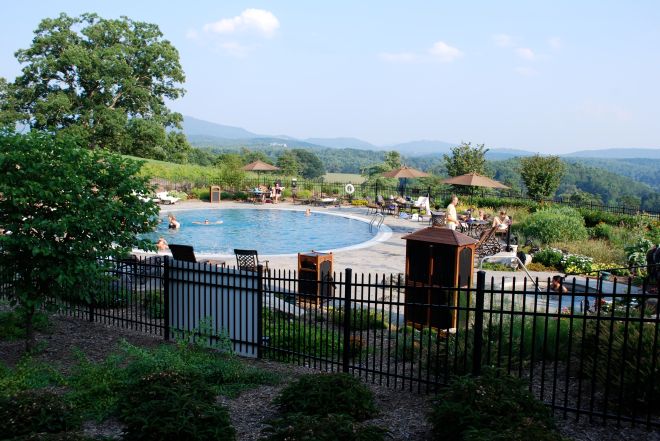
The rest of the day was spent at the Inn’s infinity pool, which had stunning views of the surrounding countryside. Around sunset, we went for a short hike through the Biltmore Forest.

DSC_1186

We made our way into downtown Asheville for dinner at Mela, a well-reviewed Indian restaurant. The lamb korma — in a rich almond and cashew sauce and topped with nuts and raisins — and chicken tikka masala were both delicious.

But my mouth is still on fire.

Front row seats to Coldplay

Raleigh, North Carolina

We’re big fans of Coldpay but neither of us have seen them in concert. So, we were pretty psyched to score lawn tickets to last night’s show at the Time Warner Cable Music Pavilion at Walnut Creek. With taxes, surcharges and facility fees, they ran $55 a pop.

We didn’t have much interest in the openers and Coldplay wasn’t scheduled to come on until 9 p.m., so we left at 7:15 p.m. thinking that should probably give us an hour or so to tailgate in the parking lot. Our plan was quickly foiled though when we spotted the never-ending line of cars backed up for several miles attempting to exit the highway. Some MacGyver-esque maneuvers on my part cut out some of the delay but it still wasn’t until 8:30 p.m. that we were able to park.

After a couple of beers, we squeezed our way onto the crowded lawn; our view was partially obstructed by the pavilion but it was about the best we could do as the band exploded onto stage with “Violet Hill.” The show itself would soon prove to be a spectacle — with huge yellow balloons floating over the crowd during “Yellow,” confetti cannons exploding with the chorus of “Lovers in Japan,” and Martin leading the crowd in a cell phone “wave.”

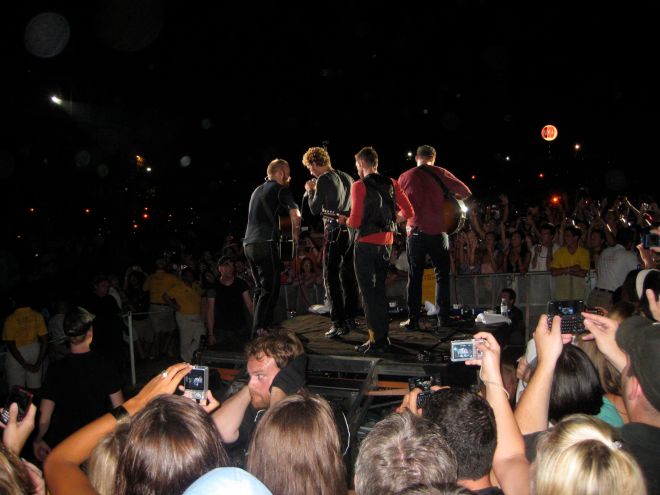
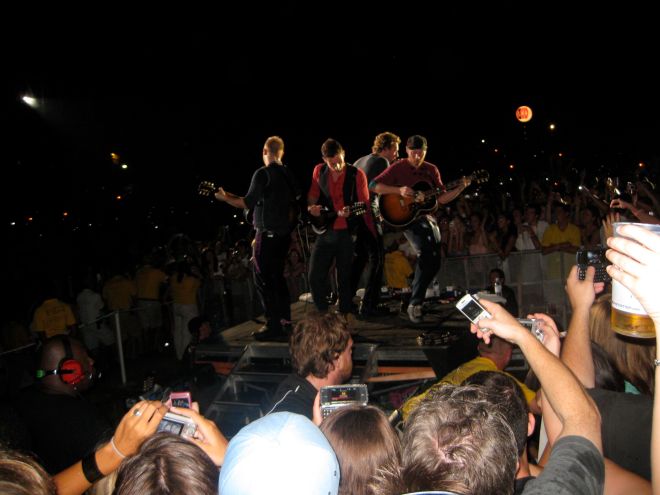
During “Lost,” a flurry of movement to our immediate right caught my attention. Five or six members of the crew were quickly building and setting up what looked like a platform. When a mic and guitar were placed on top of the makeshift stage, we quickly moved toward it as a crush of people followed behind us.

As the lights dimmed, Chris Martin and the band hopped off the main stage and made their way to the lawn platform. And suddenly, we had front row seats to a Coldplay concert.

dsc_0937

IMG_0637

Watching from just feet away, they jammed out an acoustic set of “Green Eyes” and “Death Will Never Conquer,” with drummer Will Champion taking the lead vocals. Amazingly, from where we stood, there was no need for amplification; we could actually hear them singing.

It wasn’t over yet though as the band covered Michael Jackson’s “Billie Jean” and encouraged the ecstatic crowd to sing along.

With that, Coldplay returned to the main stage and finished up their set. To be honest, the final three songs and encore were a bit anti-climactic. We left as the band closed with Martin promising to return to Raleigh in a couple of years.

But whether or not last night’s performance could ever be topped seems pretty unlikely.