Delay at Durbar

Kathmandu, Nepal

Except for the occasional burning garbage fire, the city was nearly pitch black when we set out for the airport this morning at 5:15 a.m. Some of that could be attributed to the early hour; but Kathmandu’s overloaded electrical grid necessitates frequent power cuts, often for up to 18 hours a day. Without generators, darkness sets in.

At the tiny domestic terminal, we settled into some stiff plastic seats while the smell of an overflowing lavatory drifted into the waiting area. We were originally scheduled to depart on a Tara Air flight at 6:15 a.m., which given low-hanging smog in Kathmandu and overcast conditions in the mountains, was quickly delayed.

7 a.m. became 8 a.m. which became 9 a.m. Soon, the city weather cleared but the weather in Lukla remained poor.

Safety has been — and continues to be — an issue when flying into the Himalayas. Most recently, there was a crash in Lukla just two years ago. The country’s aviation authorities have taken a very cautious approach to flying into the mountainous area, so while we grew frustrated as the hours ticked away, we also understood that little could be done.

At 1 p.m., the garbled announcement came over the loudspeaker: “All flights to mountain canceled.” Crushed, we grabbed our bags and navigated the chaotic streets back to our hotel.

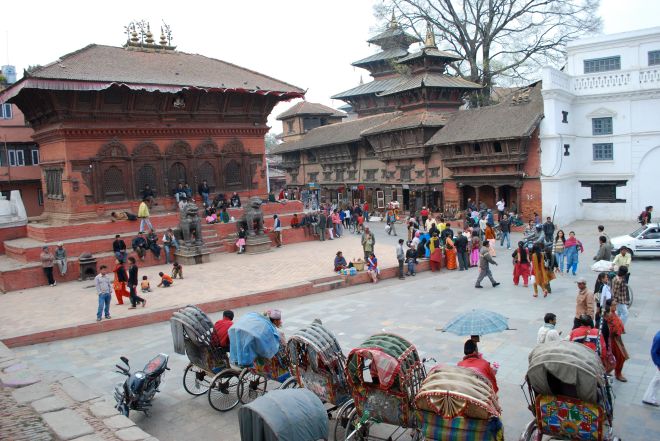
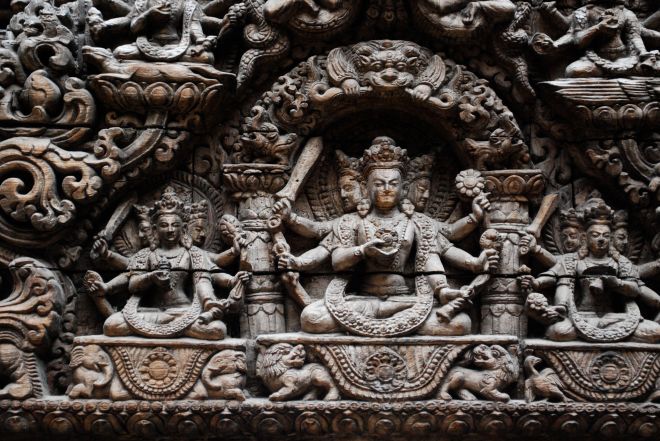
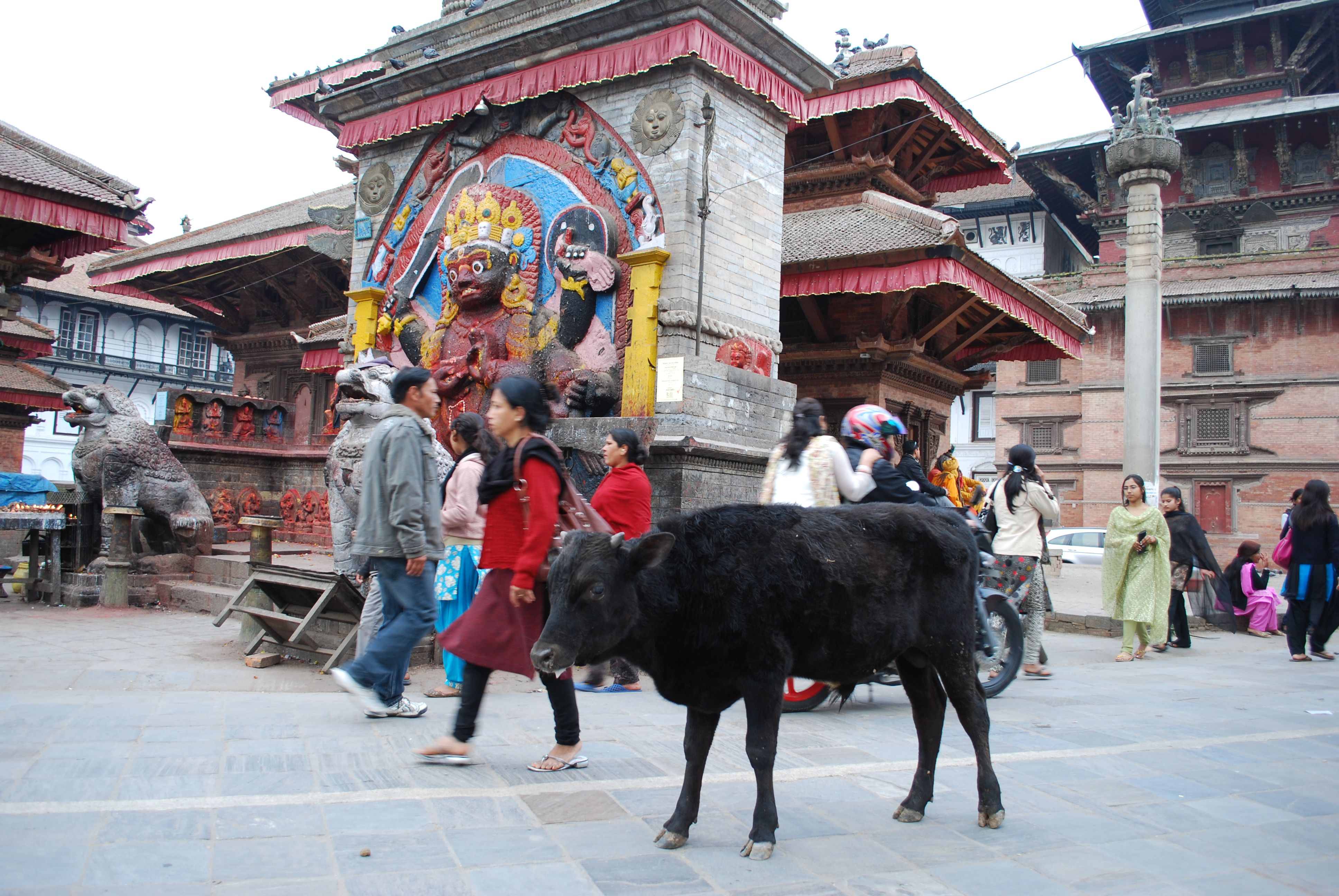
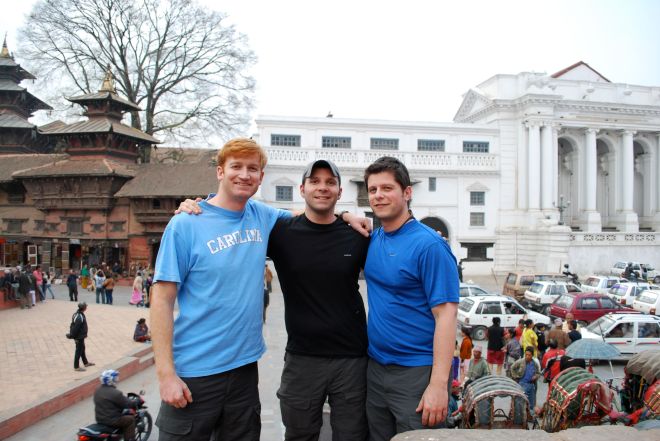
After some Thai food and a couple of Everest beers to commiserate, we walked to Durbar Square, the traditional heart of the old town that once served as the palace residence of the royal family. The entire area, a Unesco World Heritage site, is comprised of temples that date back to the 17th and 18th century.
DSC_0035

DSC_0035

DSC_0035

DSC_0035

DSC_0035

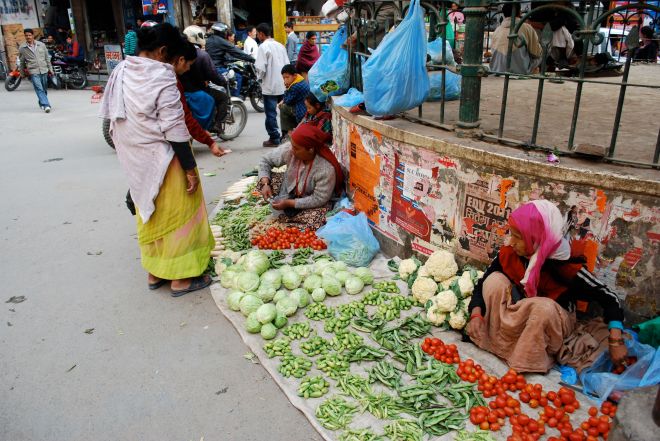
Surrounding streets were brimming with vendors selling smoked fish, banana leaves and marigolds. As the city’s biggest tourist attraction, we were actually pleasantly surprised by the lack of touts — certainly there were some begging children and the harassing guide offering his services, but for the most part, we were left alone to enjoy our time there.
DSC_0035

DSC_0035

DSC_0035

DSC_0035

Back at the Manang, we watched as the skies rapidly darkened and a monsoon with pelting hail and howling winds blew through the city.

We hoped that this would the last of our weather woes.

Holi good times

Kathmandu, Nepal

The nearly 12-hour time difference had all of us up at 6:30 a.m. this morning. Wanting to take advantage of the few days that we had in Kathmandu, we ventured into the quiet lobby and had a taxi take us to Swayambhunath, a Buddhist temple on the outskirts of town. Even at this early hour, the city was starting to awake: overflowing buses belching fumes; meat being butchered in the open air; uniformed children walking to school.

Outside my taxi window, Kathmandu appeared to be a melding of several of the cities that I’ve visited before. Its influence was in places like Fes, Morocco and Hanoi, Vietnam.

At the same time though, there was a terribly oppressing — and highly visible — poverty that I’d never before experienced. Burning heaps of garbage. Packs of feral dogs barking. Homeless women begging with malnourished infants on their laps.

In my travels, I’ve been to struggling Third World countries. But after only a few hours in Nepal, it was clear that this country was in a league of its own. Not wanting the experience to be overshadowed by this, we arrived at the temple’s steps as morning devotees began to gather.

DSC_0035

DSC_0035

DSC_0035

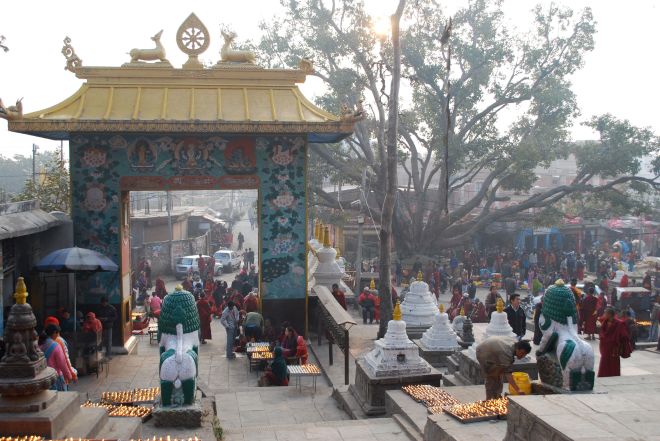
The temple sits atop a hill, accessible by a steep set of stairs that brought us past burning butter lamps as the strong smell of incense and chanting prayer led the way. Monkeys played in the trees while worshippers created an almost mystical atmosphere — as the sun lit the sky.

DSC_0035

DSC_0035

DSC_0035

We circled the stupa with its omnipresent third eye — representative of the insight of the Buddha. Prayer flags fluttered in the wind above. The base of the stupa was ringed by prayer wheels, spun counterclockwise and baring the sacred manta: om mani padme hum.

Hail to the jewel in the lotus.

DSC_0035

DSC_0035

We agreed that it was a fantastic start to the day as we stuffed ourselves at the Hyatt’s fantastic $9 buffet breakfast, with its made-to-order omelets, bacon and banana bread. A few hours later, with the rest of the day still in front of us, we set out again to follow a walking tour of the Thamel neighborhood that had been suggested by Lonely Planet.

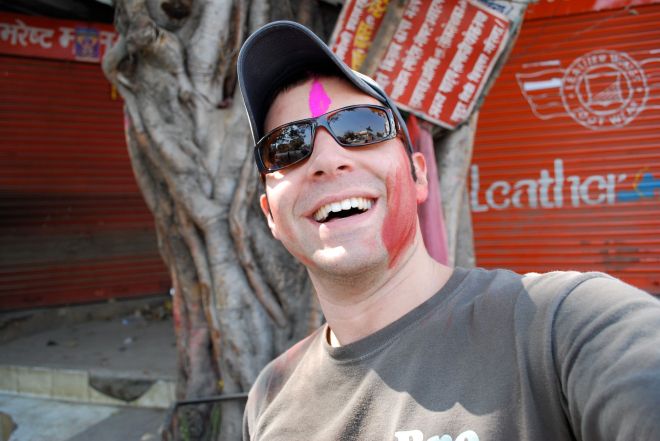
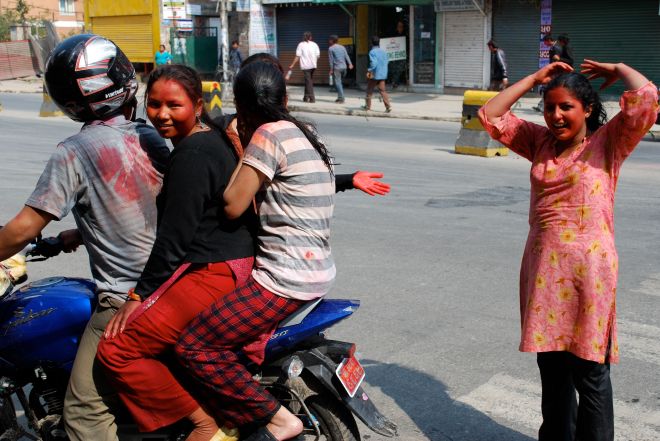
During breakfast, however, the streets of Kathmandu had changed. The first sign: our taxi was covered in colored powder and water. “Holi,” our driver explained. We soon learned that our visit had coincided with this popular annual holiday (the “Festival of Colors”) in which locals bombard cars, animals, one another — and especially tourists — with water and powder.

DSC_0035

Our driver dropped us off in a small square. It wasn’t more than 15 seconds before a group of roving teenagers came running over to us. “Happy Holi!” they yelled before completing drenching us and smearing powder on our faces.

DSC_0035

DSC_0035

DSC_0035

DSC_0035

John and Mike did not look happy.

Yet, with encouragement, we pressed on. Now that we had been hit once, we wouldn’t be such targets, right? Not the case we learned as water balloons came raining down on us from rooftops.

By this point, I’d just started telling all the kids to hit John. “He wants it! Get him” I’d yelled. Then a balloon covered in dirt barreled into his light blue Carolina shirt.

“Gross,” he said, dead serious. “I’m going back.”

Drenched and covered in paint, we started to enjoy the experience more. Laughter — both ours and that of our attackers — rang through the streets. Then, a bunch of kids nailed me in the crotch with two water balloons. “Okay, I’m done,” I said.

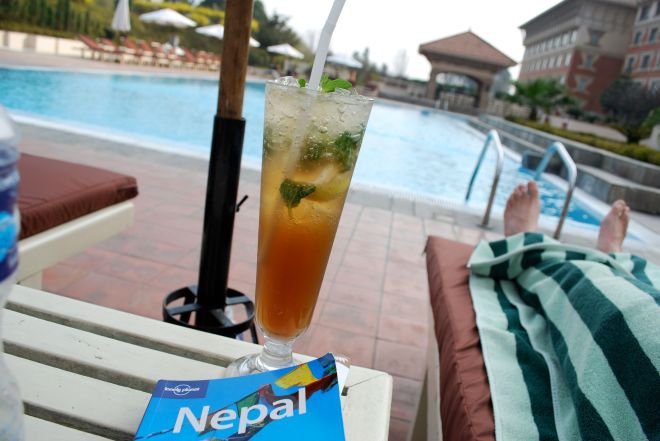
Back within the safe confines of the Hyatt, we cleaned ourselves up and lounged poolside. Our waiter, Roberto, plied us with gigantic chicken club sandwiches and mojitos as we recovered from the onslaught.

DSC_0035

DSC_0035

At 5 p.m., with Holi over and some order returned to the streets, we took a taxi to the Hotel Manang, where we met the group — from around the world — with whom we would be hiking to Everest Base Camp with.

In experienced hands, this would be the 80th time that our guide, Dawa, would be leading the trip to the base of the tallest mountain in the world. This, he said, would be an exhausting, demanding yet highly rewarding adventure. It would require communication, teamwork and trust — but he was confident that we would each make the 75-mile trek to nearly 19,000 feet.

We received our packs that would be hauled by the porters and returned to the our dingy rooms to gear up. When mine was so stuffed with gear that it could barely close, it was time for bed.

Our flight to Lukla, the origin of the trek to Base Camp at the foothills of the Himalayas, is scheduled for 6:15 a.m. tomorrow.

Namaste Shangri La

Kathmandu, Nepal

We awoke this morning to the sound of sand pelting our windows. Peering out into the vast desert — with cranes lining the skies — we saw that the winds were howling and a sandstorm was quickly approaching.

DSC_0035

DSC_0035

DSC_0035

Unfazed, we grabbed a cab back to the International Airport and after cups of coffee and some pastries, boarded our five-hour flight bound for Kathmandu. As we began descending into Nepal, the snow-capped Himalayas appeared outside of our windows — before being shrouded in a heavy cloud of smog and pollution that hangs over this capital city.

Wheels were down at Tribhuvan International Airport just before 4 p.m. local time. We set our watches ahead 1 hour, 45 minutes of Abu Dhabi and stepped into the thick, swampy air. The sound of car horns blared in the distance. Dilapidated, half-completed structures lined the runway. Just beyond the fence, two cows scavenged for food in a pile of garbage.

Nearly two days after leaving North Carolina, it was clear that we had arrived in Nepal.

Visas pasted into passports and bags collected, we negotiated to have a beat-up taxi take us to our hotel. Passing through the chaotic streets, with animals, bikes, pedestrians and various motorized vehicles competing for road space necessitated closed eyes and occasional gasps. Yet, it was difficult not to want to take in the sensory overload all around us.

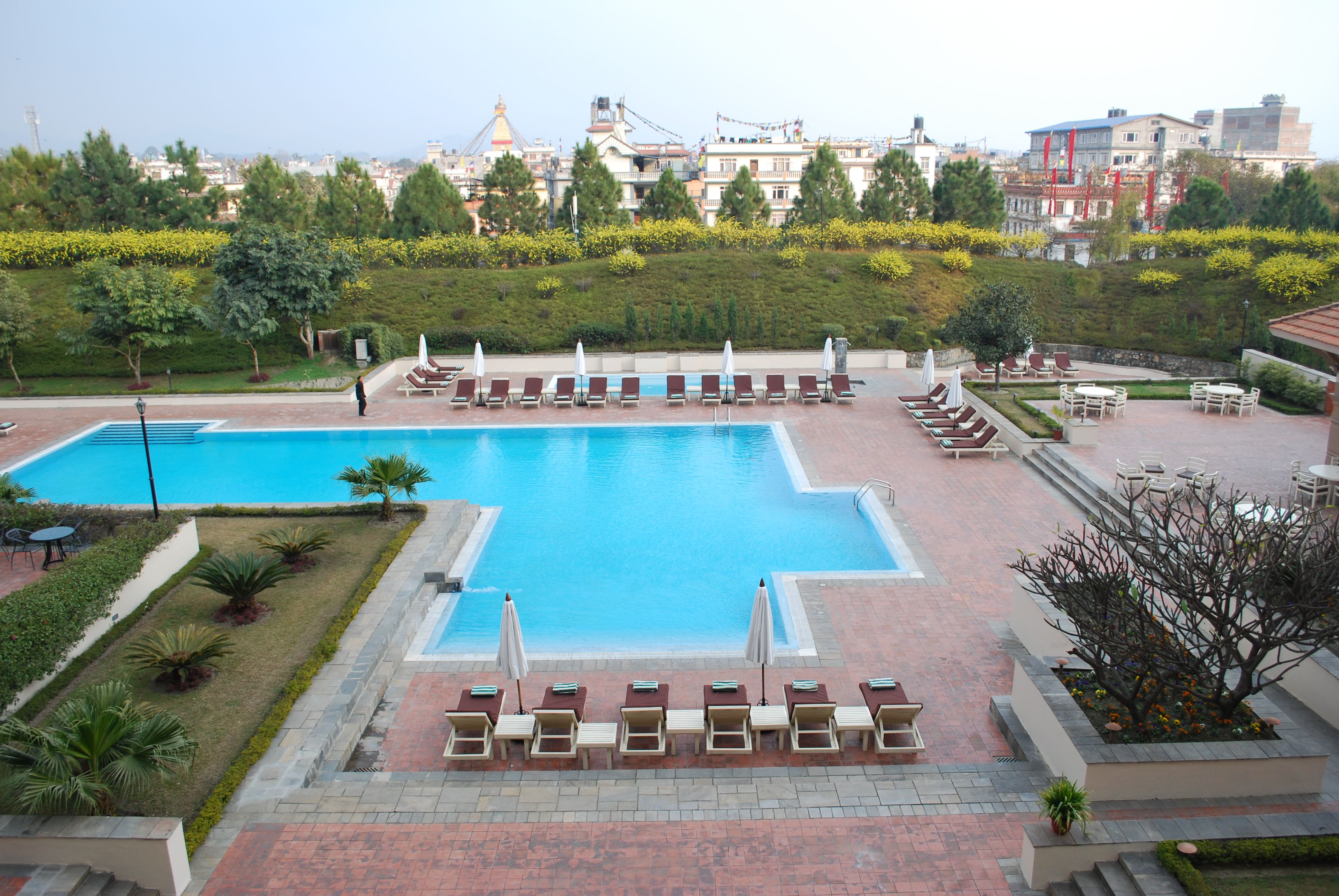
We found relief at the Hyatt Regency, situated in its own compound. Indeed, within the walls was essentially a sanctuary, a peaceful place for us to rest after an exhausting few days of travel. Newari water tanks led us into the stupa-lined foyer — all overlooking a beautiful outdoor pool.

DSC_0035

DSC_0035

DSC_0035

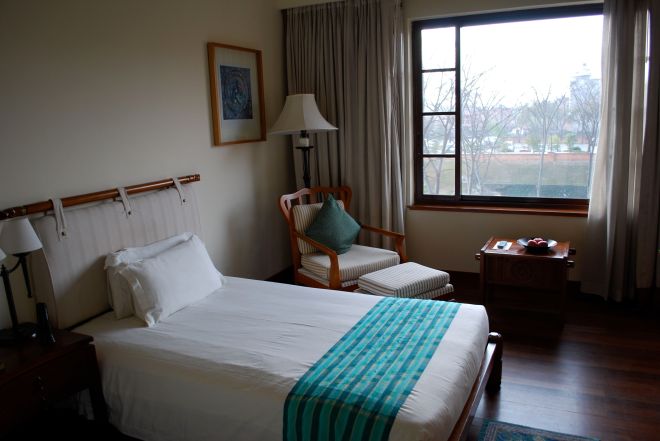
Up in the room, we collapsed into our beds, watched some BBC earthquake coverage and relished the rain shower.

DSC_0035

Wanting a taste of local culture, we headed into town for dinner at Thamel House, which served up traditional Nepali cuisine. We ordered a whole slew of dishes to sample, including momos (dumpling filled with meat), sekuwa (spicy meatballs), chiura (beaten rice), aloo tareko (fried potato with cumin, tumeric and chili) and choyla (roasted, spiced boar).

DSC_0035

DSC_0035

Washed down with Everest beers and a few glasses of rice wine, and accompanied by traditional Newari dancing, we celebrated our arrival in this country.

Then, jet lag hit and we realized that we should probably head back to the hotel for some rest. But not before first checking out the Hyatt’s bustling casino, packed with chain-smoking Indian tourists playing $1 hands of blackjack and sucking down bowls of soup at the table.

Feeling terribly out of place though, we decided to call it a night.

Battling snowstorms at JFK

Abu Dhabi, UAE

I’ve been pushing my weather luck while flying out of JFK recently.

Back in December, it was narrowly averting a massive snowstorm — and getting delayed about five hours in the process. Yesterday, the first leg of our trip to Nepal had originally been scheduled to leave Raleigh for New York at 4:15 p.m. Then came forecasts calling for blizzard-like conditions bearing down on the Northeast, prompting many regional flights into JFK to be proactively canceled.

Worried that our late afternoon flight would also fall victim, we pleaded with representatives at Vayama and Etihad before a sympathetic representative from American Airlines was able to make the switch. Our new flight time? 6 in the morning.

Arriving into New York at 7:30 a.m., we settled into a booth at Au Bon Pain for our 14-hour layover. Not an ideal start to an 8,500-mile journey. But if the weather held off and our flight bound for Abu Dhabi got out, we knew that we would be on board.

We burned hours with several epic Uno battles and then paid $45 for a 5-hour pass to the Oasis Lounge in Terminal 4, which served up complimentary drinks, food, Wi-Fi and couches overlooking the runway as a light snow began to fall.

At about 9 p.m., we boarded Etihad Airways flight 100 bound for the capital of the United Arab Emirates. Due to poor conditions on the runway and deicing, we were delayed about 2-hours — but grateful to get out of New York, especially since we later learned that 20 inches of snow fell.

Thirteen hours later, wheels were down in Abu Dhabi, the Middle Eastern city often overshadowed by neighboring Dubai, about 150 miles to the north. Our bags were checked through to Kathmandu so we quickly passed through immigration, negotiated a cab and were soon barreling down an empty highway at about 100 mph.

The speed warning beeps emanating from the car’s dash did not slow our Pakistani driver who was keen on showing us that, at least in another life, he could have driven a race car.

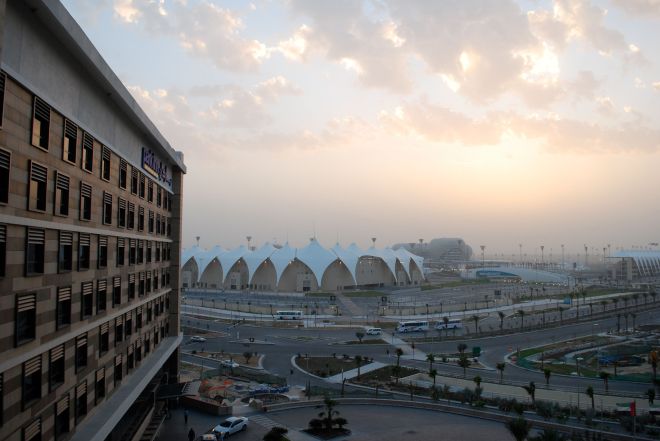
Our hotel for the 12-hour layover was the Radisson Blu, located on Yas Island, a $36 billion dollar development project (still in the works), that arises from the desert like a mirage, and, appropriately enough, is located directly across the street from the F1 Grand Prix Racetrack.

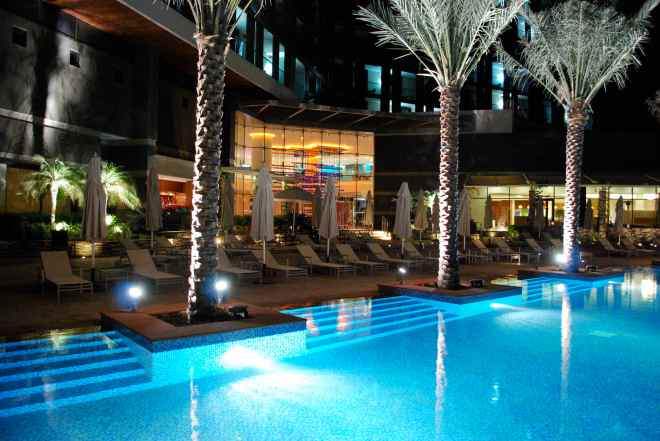
We had time for a few poolside drinks, taking in the warm evening, before heading upstairs to try and get a couple hours of rest before our next flight.

DSC_0035

DSC_0035

Tomorrow, our 40-hour journey to the other side of the world continues.

Escape to the oasis

Palm Springs, California

After only took a day or two of L.A. traffic, we started wanting to escape it. With a weekend under our belt, we were excited to take the white Pontiac out to Palm Springs, the desert oasis best known for old Hollywood, mobsters and Frank Sinatra, who also happens to be buried here.

We left the Palomar early this morning, and after grabbing to-go cups from Coffee Bean, hit Interstate 10 for our drive east. Google Maps said the 120-mile trip would take 2-hours; or up to 4 in traffic. The Traffic Gods were looking out for us though and we beat all expectations, pulling into the valet stand at the Colony Palms Hotel in just about 90 minutes.

Listed on Conde Nast Traveler’s Hot List for 2009, it was an obvious choice for us. Unlike the surrounding resorts, the Moroccan-themed hotel — which at one point was a brothel and speakeasy — is conveniently located just off North Indian Canyon Road in downtown.

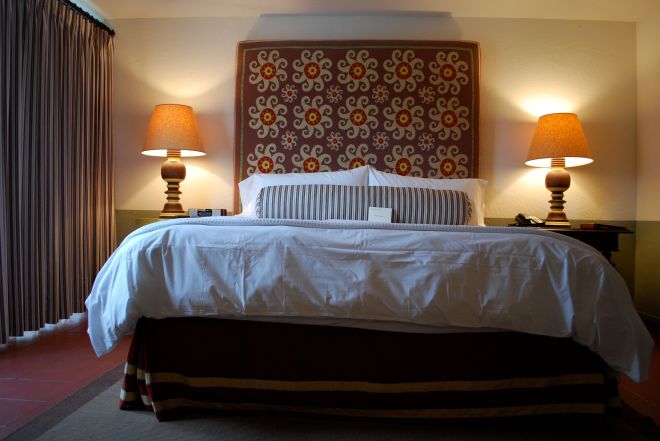
The room, ready at 10 a.m. and upgraded (bonus points), was spacious, with terracotta floors, smelly bath products and a fully stocked bar.

DSC_0035

DSC_0035

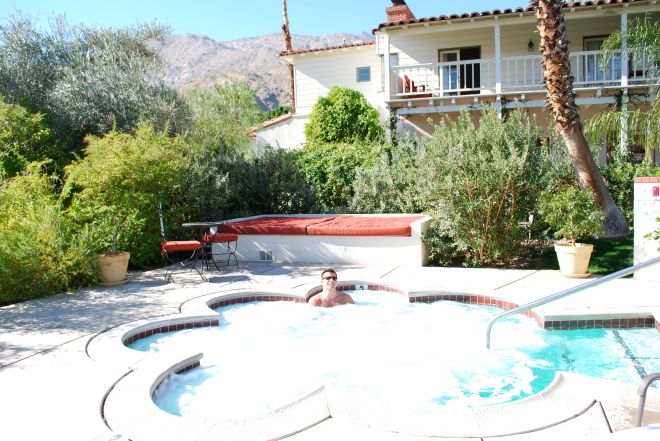
But the real draw of Palm Springs is the weather — specifically, the bright desert sun, which was just starting to peak out from behind the clouds. Desperate to reverse the effects of 2-weeks in the Russian winter, we grabbed two poolside chaises in a prime location and lounged away.

DSC_0035

DSC_0035

DSC_0035

The temperature quickly dropped as the afternoon sun disappeared behind the mountains so we decided to hit up Palm Canyon Drive, the area’s main shopping drag. For me, this was a mid-century modern mecca, with more Eames, Knoll and Kartell furniture than I’d thought even existed. There was even a cool “lawn chair” — a piece of public art — to rest on.

DSC_0035

DSC_0035

DSC_0035

Luckily, no purchases were made. We did pass a bustling restaurant called Las Casuelas, which Charlotte smartly suggested we make a reservation for later. Preemptively wanting to burn off those calories and strangely wanting to relive the burn of Runyon Canyon back in L.A., we drove a few minutes outside of town to Tahquitz Canyon. The $16 entry was kind of absurd but apparently it supports the local Indians (or their casino or something).

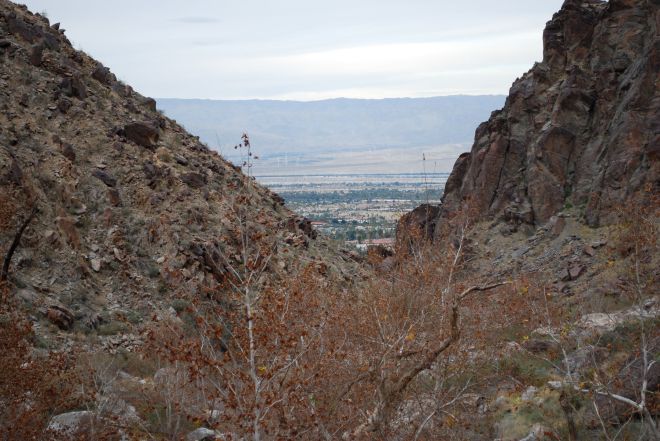
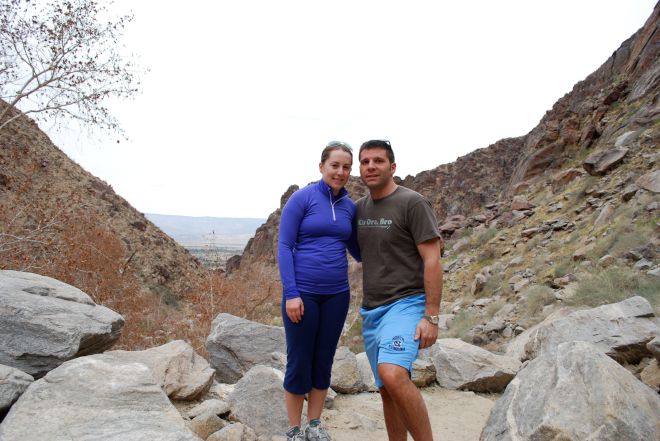
We hiked about an hour to a waterfall, with views of the surrounding Coachella Valley, lots of windmills and the lush oasis of Palm Springs off in the distance.

DSC_0035

DSC_0035

DSC_0035

Back at La Casuelas, we ordered up a freshly made serving of guac with chips and sipped our gigantic margs. By the time the carnitas and enchiladas showed up, we were about ready to wave the white flag. But why not indulge?

Tomorrow we wouldn’t be budging from those poolside chaises.

In search of celebrities

Los Angeles, California

Since both my and Charlotte’s brothers are now at USC, we had a great excuse to visit the West Coast this long weekend. Given the incomprehensible game that is Airfare Pricing, it was somehow cheaper for me to fly here from Raleigh than it typically is for me to fly an hour north to Boston. My round-trip ticket, easily connecting through Charlotte, was only $219.

Granted, U.S. Airways is a terrible airline. “Could I have a blanket?” the man across from me asked a flight attendant on our 5-hour haul. “Sir, they’re $7 dollars,” she replied. Still, for just $200 to fly across the country, you couldn’t really complain.

We had just a little over a day in the City of Angels and met Peter early at our hotel, the Palomar. It was a Kimpton property so had all the requisite perks: trendy rooms with weird leopard print robes, a lobby with a roaring gas fireplace and funky bright orange trees and a Wine Hour.

Most important for us was the location on Wilshire, minutes from Westwood, Hollywood and the parking lot that is the 405. In typical fashion, parking at the hotel — of course, not included — was about 25% of our room rate. Welcome to L.A.

DSC_0035

DSC_0035

DSC_0035

DSC_0035

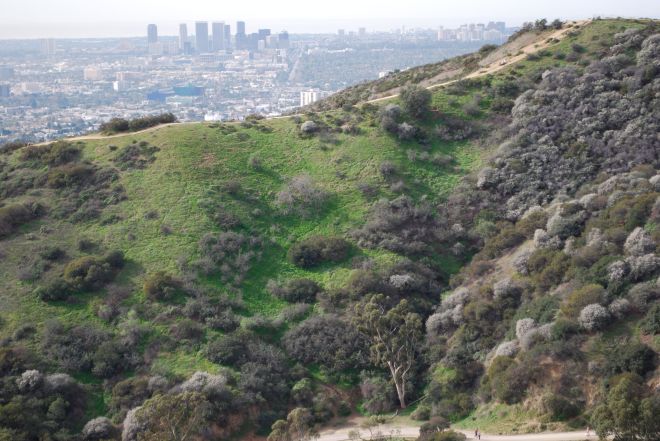
Today, we decided in the car, was about celebrity spotting. There was perhaps no better place to start then Runyon Canyon. This is where Justin and Jessica walk their dogs. Along with just about every other celeb. The canyon has some pretty rigorous trails which we tackled while taking in the views of the sprawling city below us. And with yesterday’s rain fall, the skies felt surprisingly smog-free.

DSC_0035

DSC_0035

DSC_0035

DSC_0035

On our way out, Peter claimed he saw some dude from 90210. Having never seen the show, it was difficult for me to confirm. Still, a close call! Someone alert Perez.

Famished, we made the short drove for brunch at Doughboys. This is where, gasp, Blake Lewis — you know, the American Idol runner-up from Season 6 — had brunch two years ago. Given that the restaurant had just re-opened, we were psyched for a gut-busting meal. The massive menu, with breakfast, lunch and dinner options, had us thinking all over the place though.

But ultimately, the scrapple with dirty eggs — pan-fried grits mixed with shredded braised pork, served with spicy eggs scrambled with caramelized onion and potato — with a gigantic hunk of freshly-baked cornbread, had me singing for Randy.

Alas, he was not there.

DSC_0035

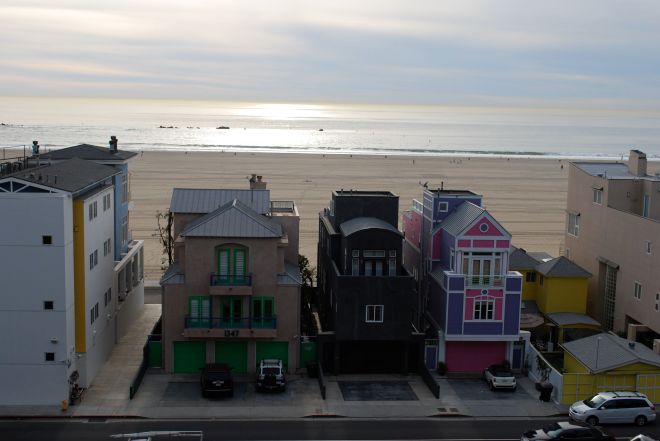
Wanting to escape the L.A. traffic, we made our way out to Santa Monica, where we walked the board walk and the Third Street Promenade. We didn’t spot Ben Affleck at the playground but some homeless man did tell Charlotte that she had nice toes.

DSC_0035

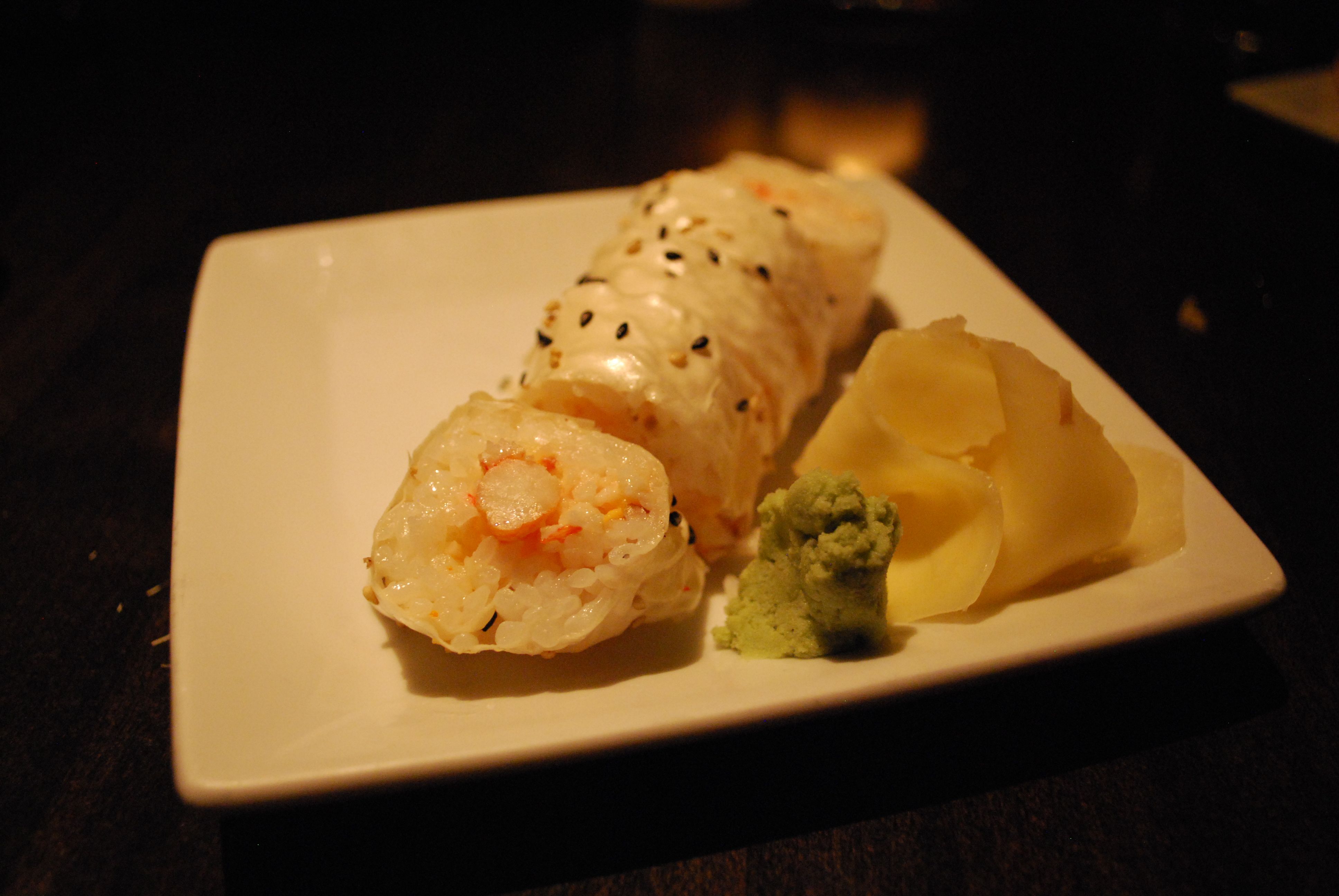
Hopes were high for dinner at Koi, where Miley Cyrus chows down, and for Chef Katsuya’s signature crispy rice. This amazing concoction is pan seared rice topped with ahi tuna and a slice of jalapeno. We’ve all ate a lot of sushi but agreed — this is just some of the best.

When our waiter brought out an equally amazing Baked Crab Roll, we washed down a glass of sake and nodded. With our without Miley, this place rocked.

DSC_0035

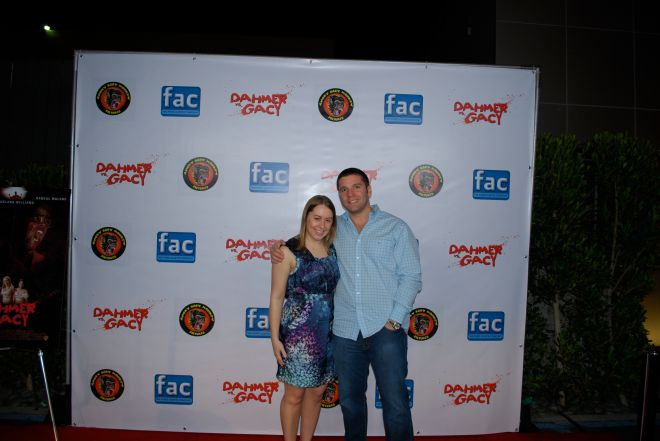
We wrapped the night at XIV, a Philippe Starck-designed dining club that takes trendiness up to the next level. This minimalist space exudes coolness — we couldn’t even figure out where the door was. Once inside, we realized we had stumbled upon a movie premier party for a slasher flick called Dahmer v. Gacy. There were lots of guys wearing make-up and some midgets, but no one we could recognize.

Finished with our Amstels, we headed outside and found ourselves on the red carpet. With a few parking valets milling around, we had our own impromptu photo shoot.

DSC_0035

DSC_0035

Celebrities or not, we could at least pretend.

Crashing Catherine’s summer pad

St. Petersburg, Russia

Having spent our entire time in Russia within its two largest cities, we were excited this morning to spend our last day on a trip to the surrounding countryside. Our destination was Catherine Palace, designed by Rastrelli, the home that gradually became the favorite country estate of the royal family. In fact, in 1837, Russia’s first railway line was built between St. Petersburg and the palace in order to shuttle the imperial family back and forth.

Only appropriately, we opted to take the far less luxurious subway, followed by a 20-minute ride in a marshrutky, essentially a small mini-van that follows a set route.

DSC_0035

DSC_0035

We arrived just before noon and, unsurprisingly, joined the massive line outside. Strangely enough, entering after an hour’s wait, we found the palace lobby nearly empty. While we appreciate the Face Control that limits the number of tourists inside at any given time, could the Russians at least spare us and allow us to wait inside?

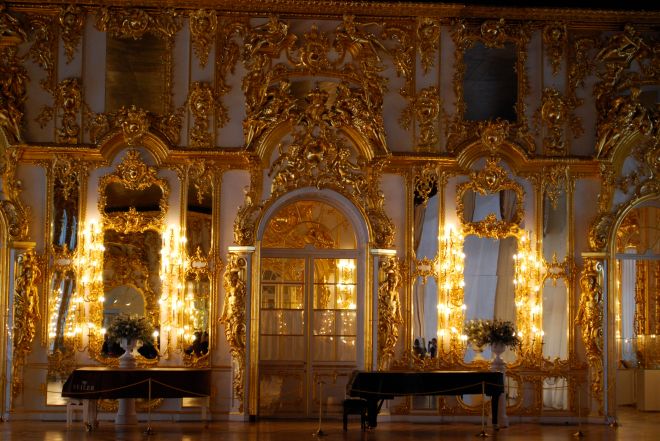
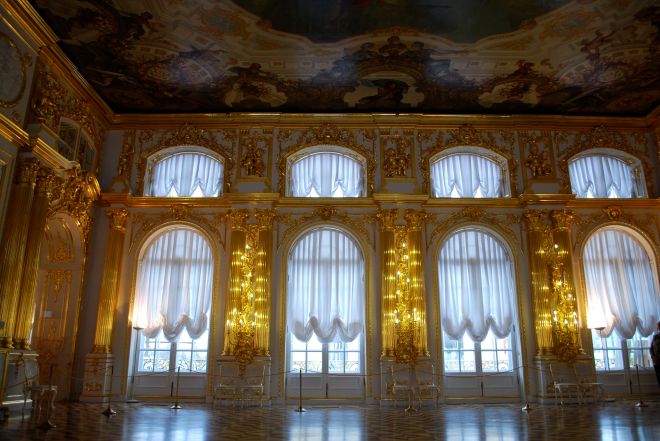
Our English-speaking tour guide explained that most of the exterior and 20-odd rooms of the palace were razed during World War II. Since then, they have been amazingly restored in the classical style in which they were originally built. We started in the huge, frescoed Great Hall, with its mirrors and fantastic gilded woodcarvings.

DSC_0035

DSC_0035

DSC_0035

DSC_0035

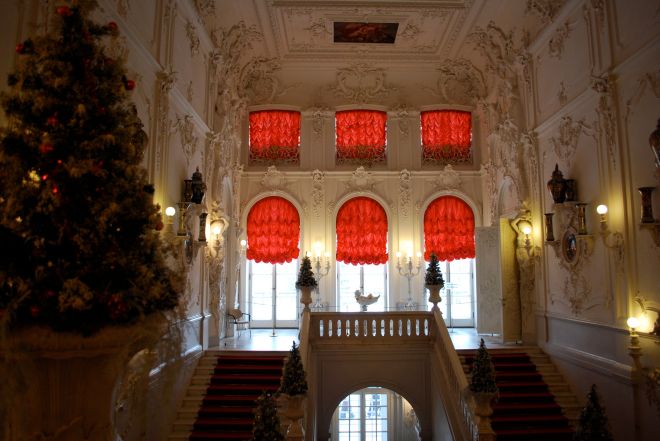
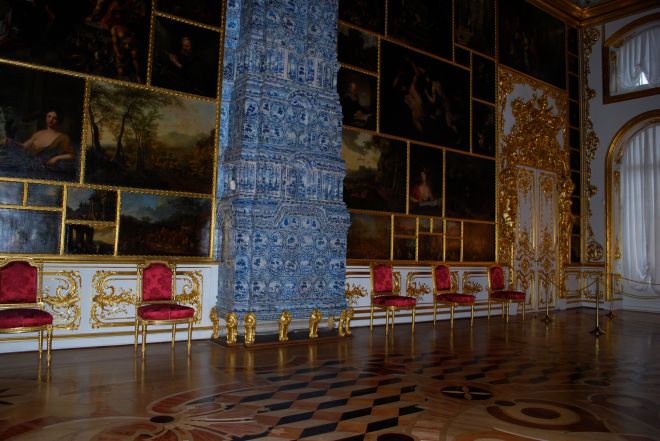
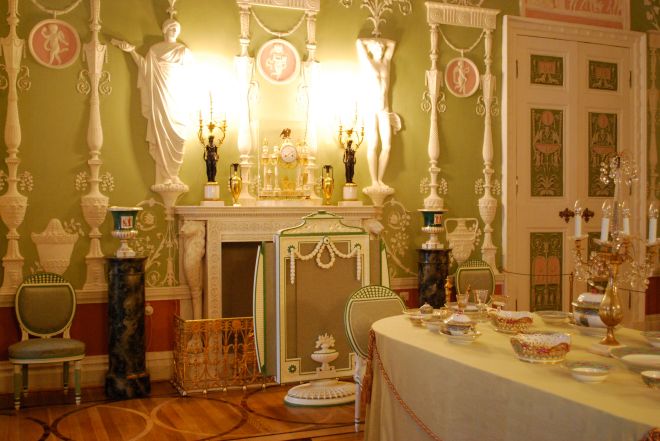
Next was the State Staircase, followed by the immense Picture Gallery. The Green Dining Room showcased a different classical style, with its many intricate wall carvings and inlaid floor.

DSC_0035

DSC_0035

DSC_0035

The highlight of the palace was the amazing Amber Room, completely covered with exquisitely engraved amber panels. The room, which was destroyed in the war, was rebuilt with support of the German government. It took 25 years to restore the room to its pre-war brilliance.

DSC_0035

We returned to the hotel and packed up. For our last meal, we decided to do what the Russians do now: get sushi. It has become all the rage here and we found a trendy spot down the street from our hotel on Nevsky Prospekt. Sitting down after midnight, we ordered about 15 rolls, and waited. And waited, and waited. An hour later, there was still nothing. We got up and walked out, only to be chased down the street by the waiter who then overcharged us for our drinks.

It was, we decided, a fitting end to the trip.

Derek and Burt fly back to the States tomorrow. I’ve got an 8-hour overnight train to Moscow, followed by an 11-hour flight to D.C. and connection to Raleigh. It should take just about 27 hours of travel to get me back to Carolina.

But after three weeks on the road, you can be sure that I’m looking forward to it.

The Hermitage and hockey

St. Petersburg, Russia

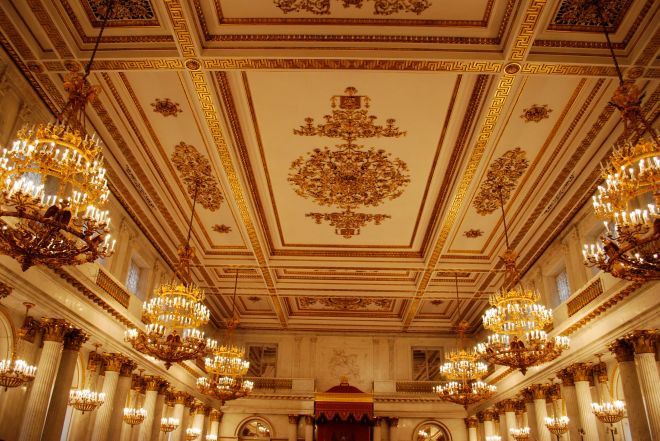
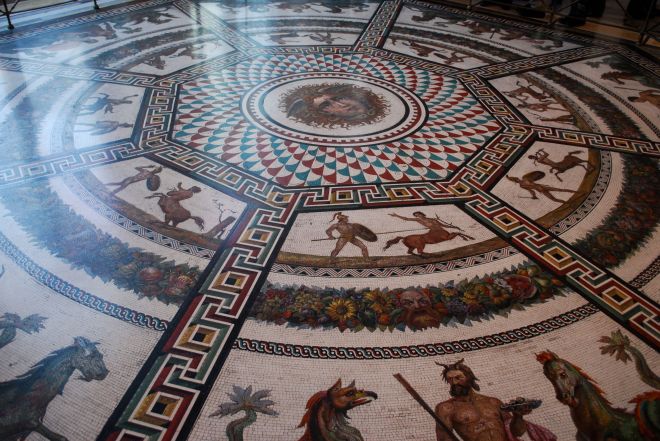
No trip to St. Petersburg is complete without a visit to the Hermitage, one of the world’s greatest art museums. Empress Catherine II started the collection back in 1764 when she purchased a few pieces from a private collection. Since then, it has ballooned, and today comprises over 3 million pieces of art, covering the entire spectrum, from Ancient Egypt to the 20th century.

DSC_0035

DSC_0035

DSC_0035

It is also one of the most popular attractions in Russia so — given our experiences here so far — we were unsurprised to see a massive line that we grudgingly joined. We waited with the masses for close to an hour, slowly freezing our faces off. While Derek held our spot, we walked around to warm up and saw a Tour Office.

We stepped inside to get out of the cold and talked with a guide, who told us that we could join a 2 p.m. English-speaking tour. And if we bought tickets to it, we could also buy entrance tickets now that would allow us to skip the queue. The price? About $8. We signed up immediately, cursed Lonely Planet for not instructing us to do this sooner, found a frozen Derek and made our way inside.

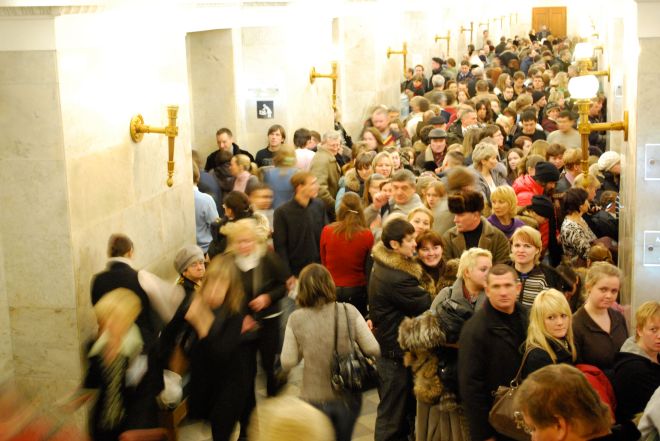
One of the strangest practices in Russia is the mandatory coat check. Every museum and restaurant has one. Some are free, some are paid. All are absolutely required. What doesn’t make sense, however, is that these coat checks, especially at busy spots like the Hermitage, fill up very quickly. The mandatory nature of the check is not then dropped though — which creates massive lines, like this, while everyone waits for spots to open.

DSC_0035

We joined the lines for 15-minutes before realizing that although the coat checks were full, the lockers for checked bags were not. We threw all of our jackets in my bag which the babushka checked for us. Why they simply were not checking jackets in those same spots is beyond us.

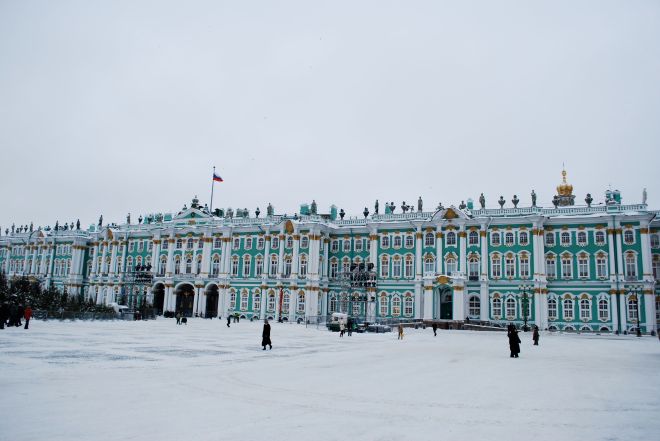
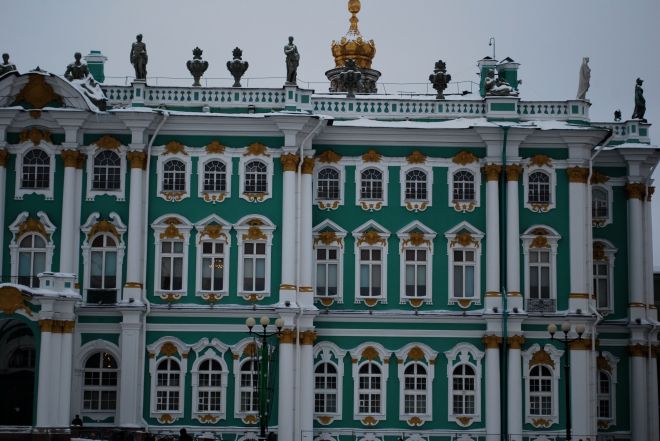
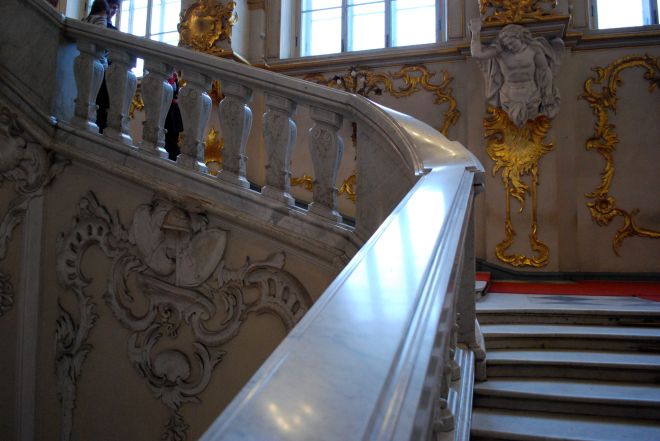
Alas, we had done it! Jumped the queue, bought tickets and checked our jackets, it was now time to explore this massive complex, which comprises of five buildings, including the Winter Palace. We started at the Jordan Staircase, a fantastic introduction to the palace’s opulence.

DSC_0035

DSC_0035

While making our way to the third floor, we peeked out the window and saw the massive line — this was probably half of it, with the other snaking far into the courtyard beyond.

DSC_0035

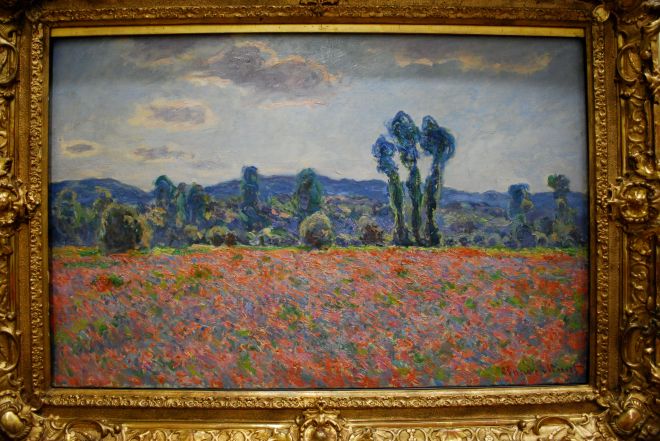
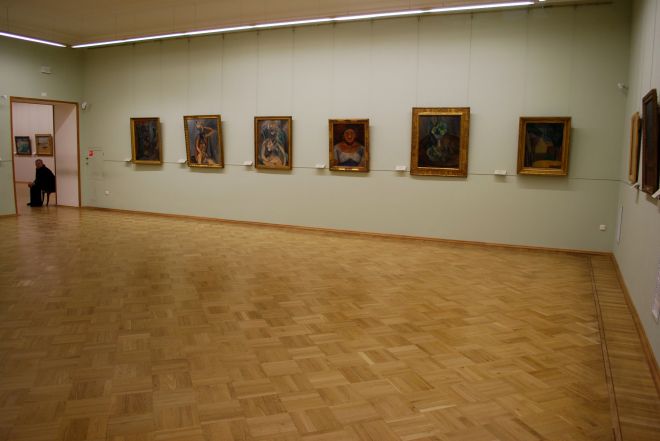
Upstairs, we found the impressionist and post-impressionist rooms, with colorful Monet’s and Renoir’s, strangely devoid of anyone else. Our good fortunes continued. No one except a babushka was there to bother us when checking out the many Picasso’s from his Blue Period.

DSC_0035

DSC_0035

We checked out the 37 paintings by Matisse, including The Dance. Some of my favorite paintings were the super-realistic works by Francois Flameng, a French painter I’d never heard of before.

DSC_0035

DSC_0035

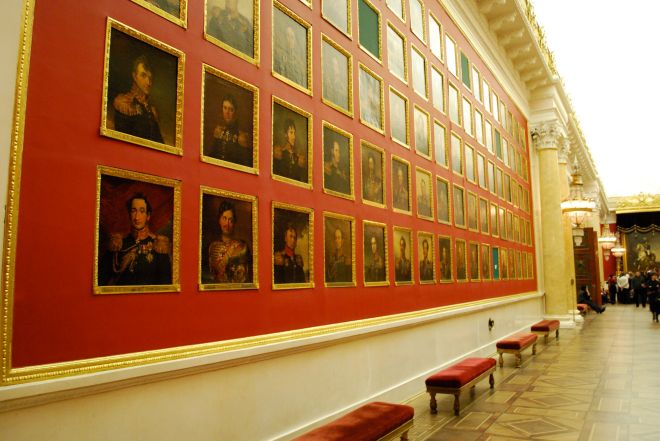
Our terribly unfriendly tour guide would later bring us to the museum’s real classics, including those by Leonardo, Michelangelo and Raphael. To her credit, she did a great job of explaining the 1812 War Gallery, with its many military portraits, as well as the Imperial Apartments and Pavillion Hall.

DSC_0035

DSC_0035

DSC_0035

DSC_0035

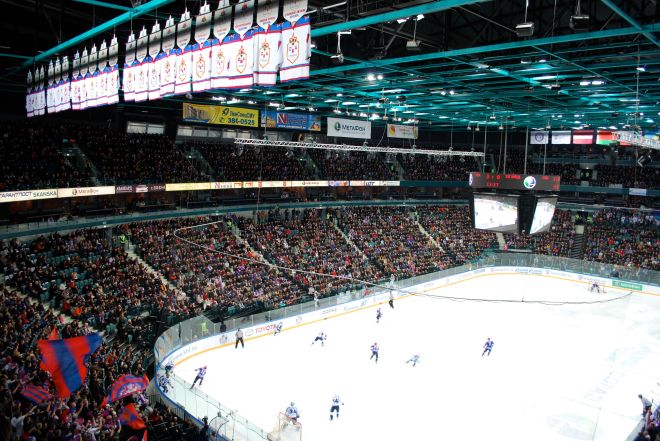
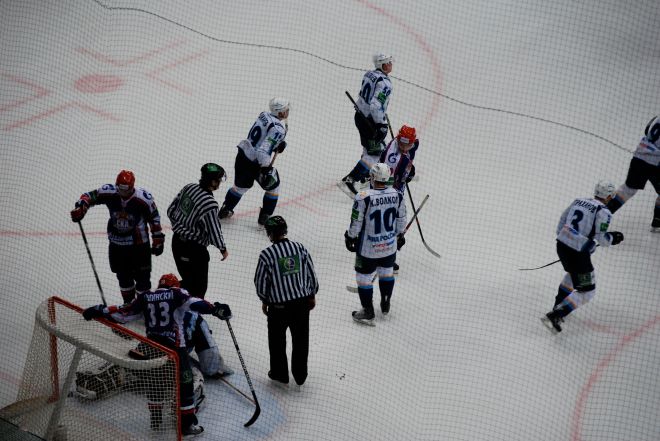
Exhausted from taking in the museum, we returned to the hotel and hopped on the Metro. Burt had found us tickets to a hockey game for the local team, SKA, and we thought that going would be part of a quintessential Russian experience. The $5 seats were decent and the crowd rambunctious, especially the gold-toothed man sitting to our left. We drank beers and ate corn on the cob.

DSC_0035

DSC_0035

DSC_0035

Thankfully, SKA won. Although we were confident that if they didn’t, the 100 riot police — in full gear, sporting various forms of guns and weapons — patrolling the stadium would have kept the crowd under control.

Except maybe the gold tooth man.

Russia’s “Window to the West”

St. Petersburg, Russia

St. Pete is called Russia’s “Window to the West” and it’s not difficult to see why. The city, with its boulevards, canals and Baroque buildings, feels like Europe. Street signs are in English and the woman behind the counter at the coffee shop this morning could actually explain what was in each pastry. We love it here.

With most of the country on a national holiday, and many sights holding erratic hours, we had an aggressive schedule. Our first stop, Kazan Cathedral, was literally across the street from our hotel. The neoclassical church is atypical of others in this city; surrounded by a colonnade, it looks more like a government building. Inside the dark interior, a service was in progress.

DSC_0035

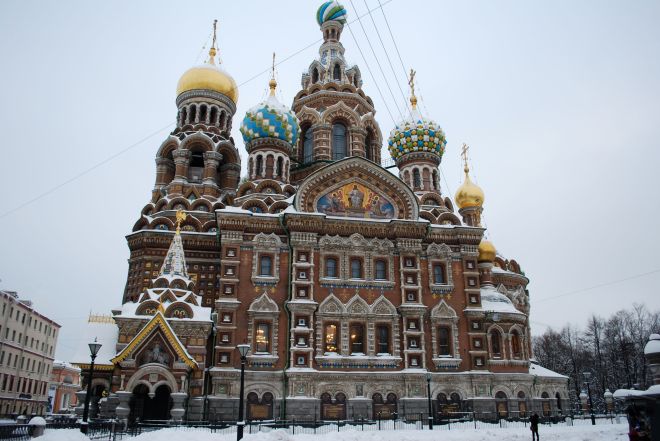
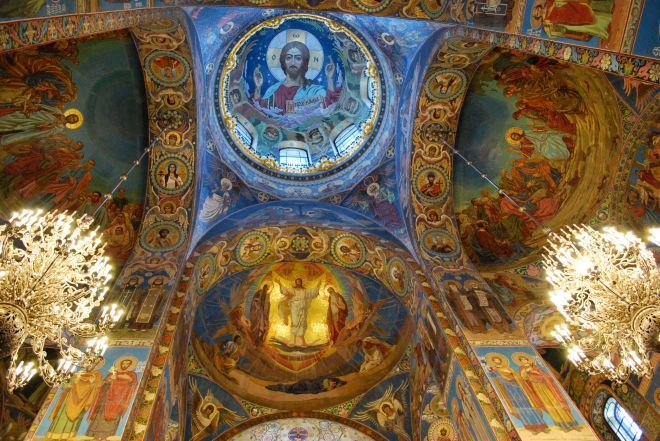
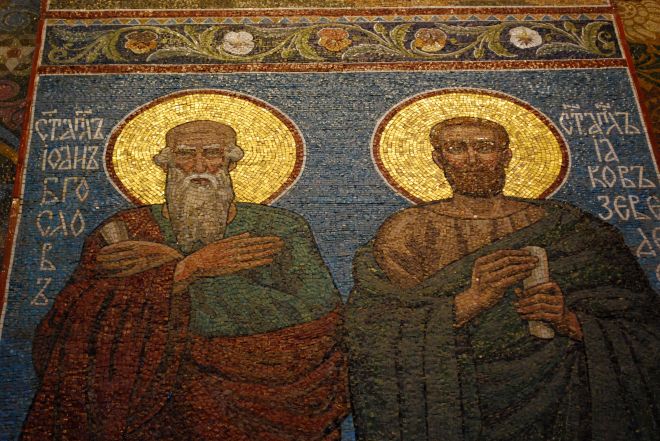
Modeled after St. Basil’s in Moscow, the strangely named Church of the Saviour on Spilled Blood was our next stop. Built over 24 years in the late 19th century, the church fell into disrepair during the Commie years when it was incredulously used to store potatoes and theater sets. After a 27-year restoration, the church reopened in 1997. The interior, with 7,000 square meters of Italian mosaics, is unreal.

DSC_0035

DSC_0035

DSC_0035

DSC_0035

DSC_0035

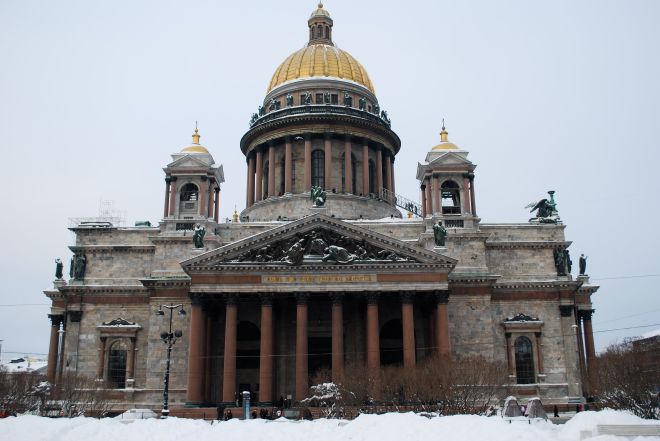
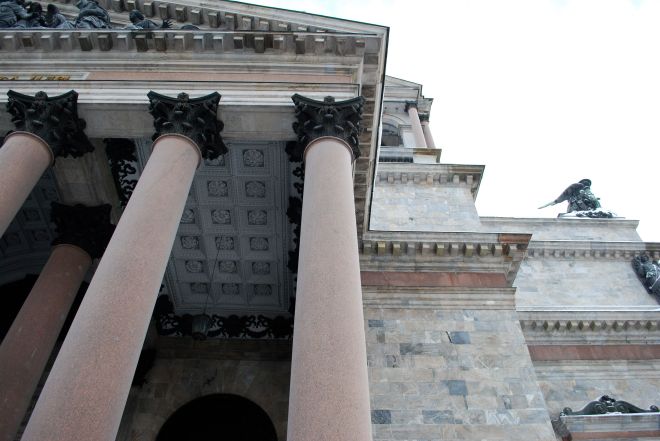
The third stop on our morning church tour was St. Isaac’s, one of the largest domed buildings in the world. More than 100 kilograms of gold leaf were used to cover 60-foot high dome alone. Construction, which was completed in 1858, required the use of special ships and a railway to transport 120-ton granite pillars from Finland.

DSC_0035

DSC_0035

Interior highlights included an 2,400-square foot painting on the ceiling by Karl Bryullov and intricately carved doors with various saints and other religious figures.

DSC_0035

DSC_0035

DSC_0035

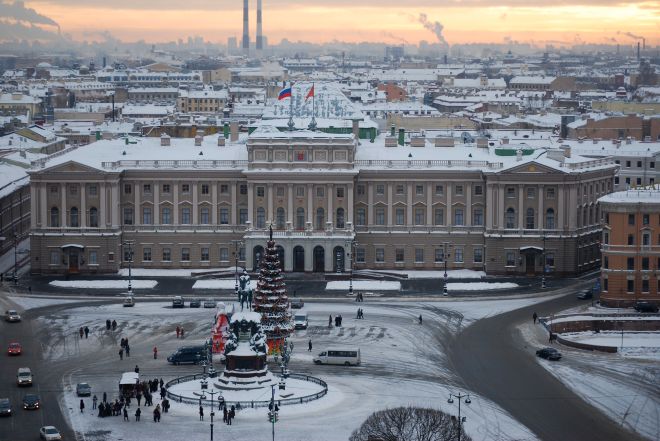
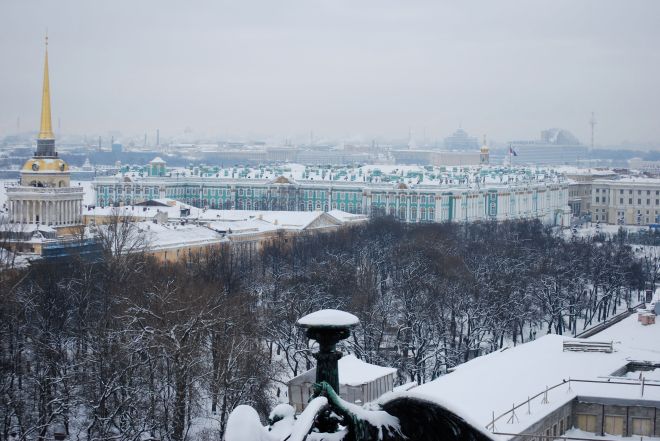
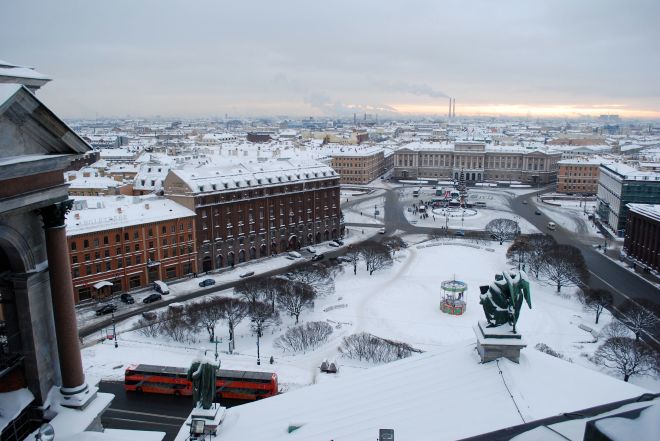
From the top of the bell tower, there were some great views of the surrounding city, including the Mariinsky Theater, Admiralty and Hermitage Museum. Meanwhile, less scenically, dozens of factory smokestacks sat off in the distance.

DSC_0035

DSC_0035

DSC_0035

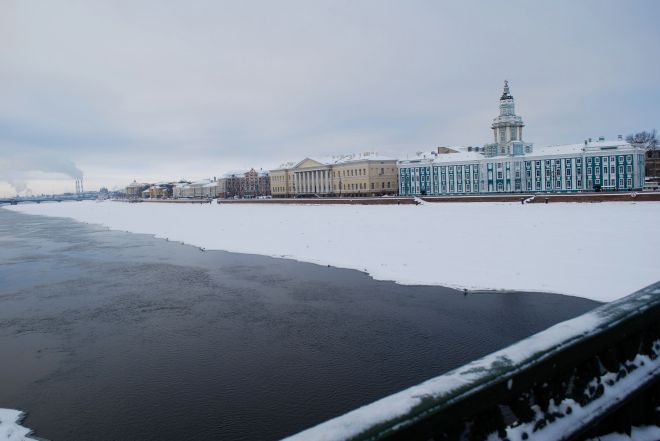
We walked over the Neva River to Vasilevsky Island, which Peter the Great originally intended to be the heart of his city. As such, it is one of the oldest neighborhoods in St. Petersburg, home to the Kunstkamera, the city’s and country’s first museum.

DSC_0035

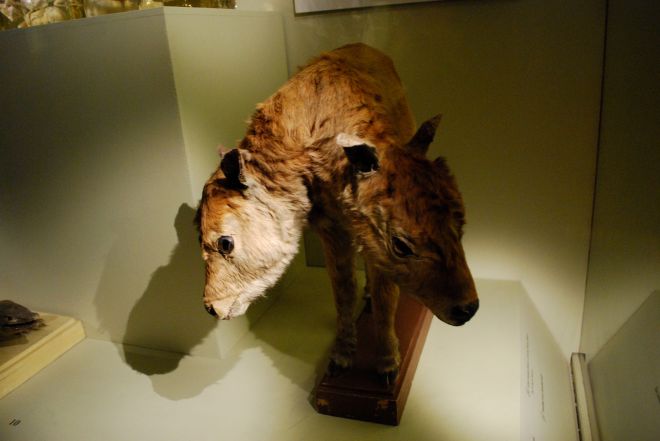
Founded in 1714 by Peter himself, the Museum of Anthropology & Ethnography is famous for its incredible ghoulish collection of deformed fetuses, odd body parts and mutant animals — all collected by Peter with the aim of educating the notoriously suspicious Russian people.

There were no photos allowed inside the exhibit and the babushkas were on serious patrol, but while they weren’t looking, we were able to snap one of this two headed calf. How bizarre.

DSC_0035

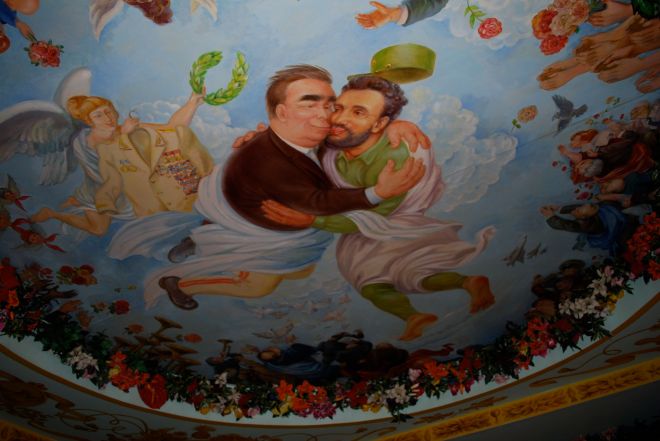
Down the street was an equally strange restaurant, Russky Kitsch, a completely over the top example of Soviet kitsch. With mismatched Victorian furniture and walls plastered with photo collages, the restaurant’s centerpiece was a ceiling fresco of Fidel Castro and Leonid Brezhnev entwined in a passionate embrace.

DSC_0035

DSC_0035

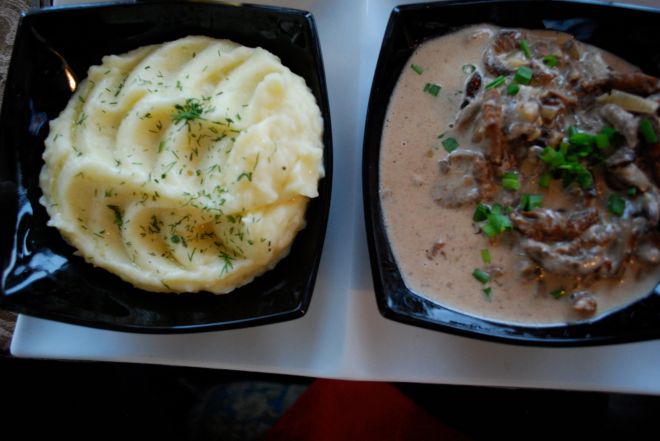
The khalia soup – a spicy beef stew served with a piece of flat bread — was quick to warm us up. It was followed by the best beef stroganoff that we’ve had, creamy, thick and delicious with a side of mashed potatoes.

DSC_0035

DSC_0035

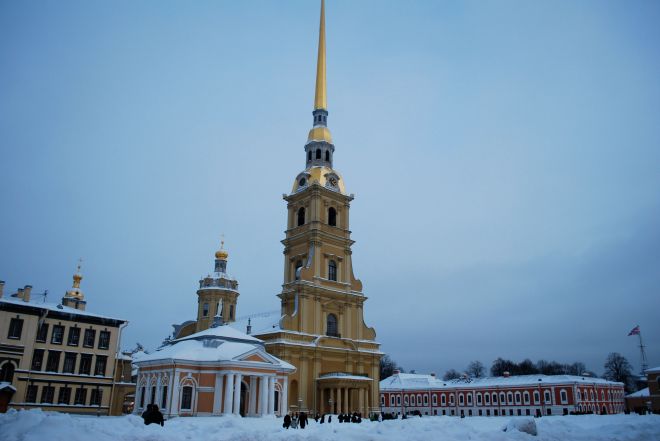
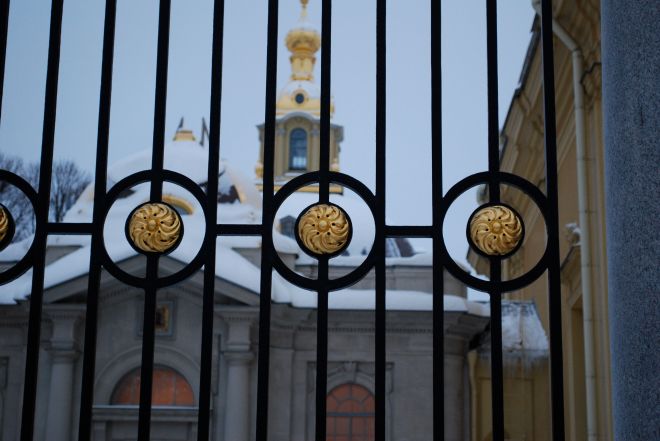
Properly fueled, we cabbed it to the last stop of the day, the Peter & Paul Fortress, which built in 1703, is the oldest major building in St. Pete. It was built as a defense against the Swedes but they were defeated before the fortress was finished. Since then, it’s served as a prison and is also home to the SS Peter & Paul Cathedral, where all of Russia’s pre-revolutionary rulers are buried, including Peter himself.
DSC_0035

DSC_0035

DSC_0035

DSC_0035

Exhausted from a big day, we returned to the Grand Hotel and hit the spa. Downstairs, while sitting in the sauna, a very serious looking Russian man joined me — wearing my Vineyard Vines bathing suit that I’d left outside. It can’t be, I thought. But sure enough, it was. Instead of even trying to communicate with him, I went out to talk to the attendant. She didn’t seem to understand – “He’s wearing your bathing suit?” she asked perplexed. “Um, yes,” I replied. “I don’t understand,” she said. Me neither.

She came into the sauna and talked with the man, who looked at me, looked at her, and then curtly took off the bathing suit, handing it back to me without a word. “Spasiba,” I said.

He didn’t reply.

Back at the hotel bar, we weren’t able to make sense of the incident. Several shots of chilled vodka didn’t help. Next we knew, the night was late and we hadn’t moved. And our dinner had consisted of some olives and the small pieces of smoked salmon on brown bread that are traditionally served with vodka.

All drink, no food. Now, this was the true Russian way.

Inside the Kremlin

Moscow, Russia

After all of the schedule shuffling, we woke up early, packed and got ready to demolish our final day in Moscow. On deck was the tour of the Kremlin that we had booked on our own yesterday. Even better, the skies were blue and the sun was out. Not like that would have any impact on the thermometer. “It’s cold today,” the front desk receptionist called out. “Even for us.”

With the mercury barely above -10 degrees, we nearly froze on the walk over to the tour office. This was an absolutely bone-chilling cold, with an occasional breeze that literally took your breath away. It was the first time that the three of us — guys who braved truly brutal winters in Ithaca — could not stay outside for more than a couple of minutes. It’s safe to say that it’s the coldest weather that I’ve ever experienced. And it made me long for those sweaty days in Egypt.
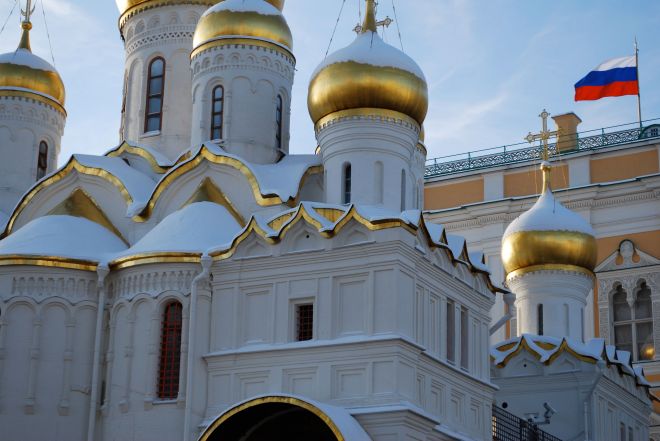
We moved quickly with our guide onto the Kremlin, the enduring symbol of the Russian state since its founding in 1147. This is where it has all gone down: from Ivan the Terrible’s wrath and Napoleon’s burning of Moscow to Lenin’s communism, Gorbachev’s perestroika and Yelstin’s New Russia.

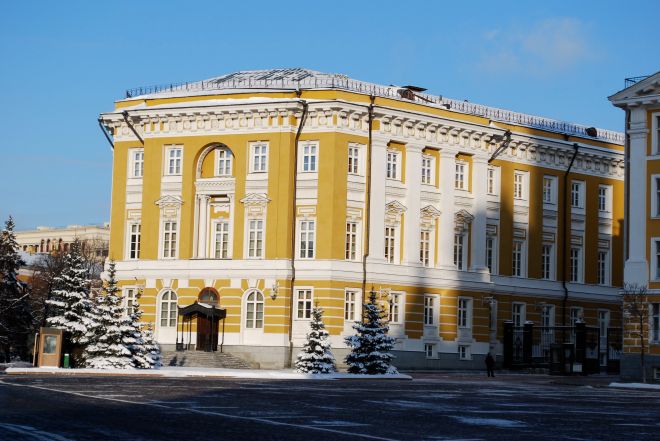
We past the tight security and the Kremlin’s official government buildings; fully-armed military police quickly yelled at tourists straying off the appointed path while fleets of Mercedez Benz and BMWs with tinted windows floored by the streets.
DSC_0035

DSC_0035

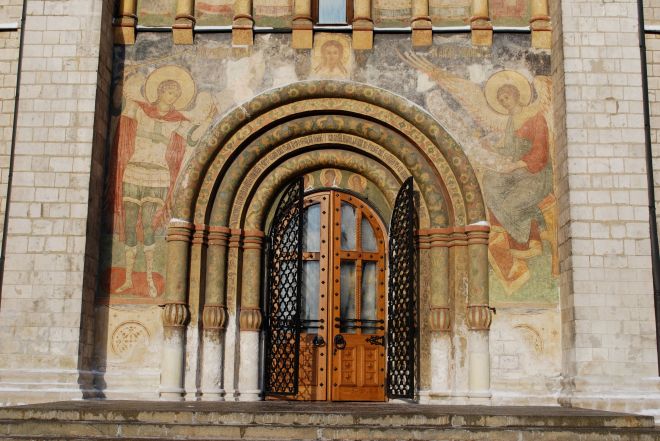
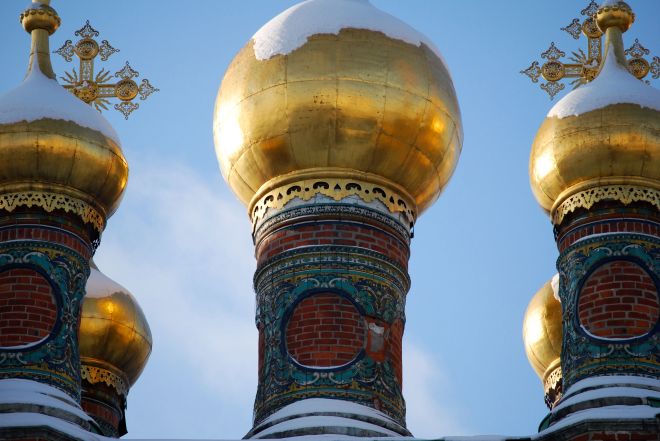
The government buildings are closed to tourists, so a visit to the Kremlin largely consists of Cathedral Square, where the Patriarch’s Palace, Assumption Cathedral, Archangel Cathedral and Annunciation Cathedral are all located. These impressive places of worship were built by various tsars as private worship areas. Individually, each is unique and different. Taken as a whole, the entire area is almost difficult to digest in its grandeur.

DSC_0035

DSC_0035

DSC_0035

DSC_0035

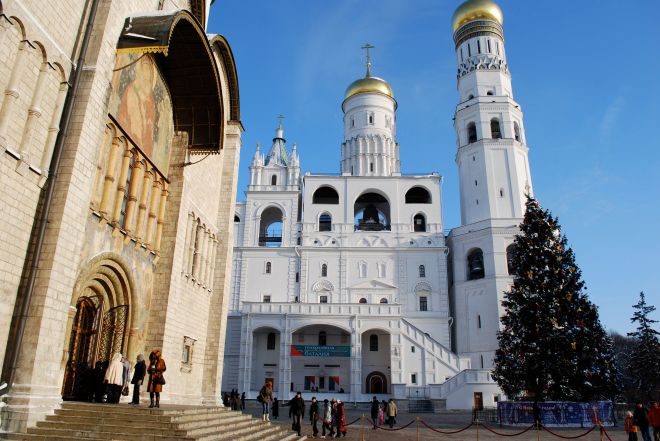
On the square’s eastern side, the Ivan the Great Bell Tower soars above all else. It is the Kremlin’s tallest structure; before the 20th century, it was forbidden to build any structure higher than this in Moscow.

DSC_0035

DSC_0035

Lastly, we saw the Tsar Cannon & Bell, which aptly describe the largest cannon ever cast in Russia and the largest bell in the world. The 40-ton cannon dates back to 1856, it was never fired; the monstrous 202-ton bell dates to 1737, it has never been rung.

DSC_0035

Given the extensive Soviet history lesson, it was only appropriate for us to have lunch at the McDonald’s just outside of the Kremlin walls in Pushkin Square. This was the first to open in Russia and today is the busiest McDonald’s in the world.

We hustled back to the hotel and caught a taxi to one of Moscow’s five train stations for our 6-hour journey northwest to St. Petersburg. It was relatively uneventful and we were able to catch a cab through the crowded streets to our accommodation, the Grand Hotel Europe.

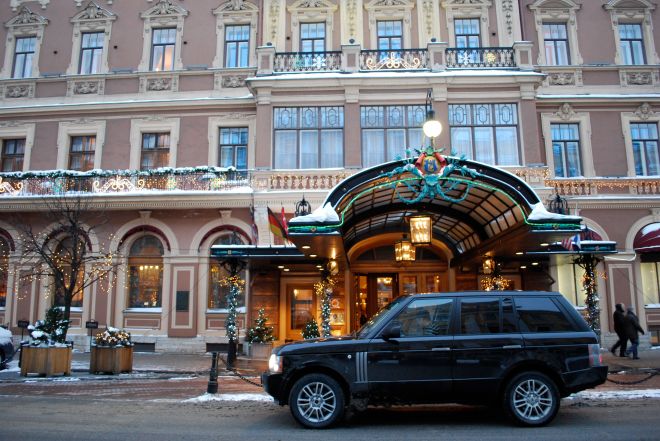
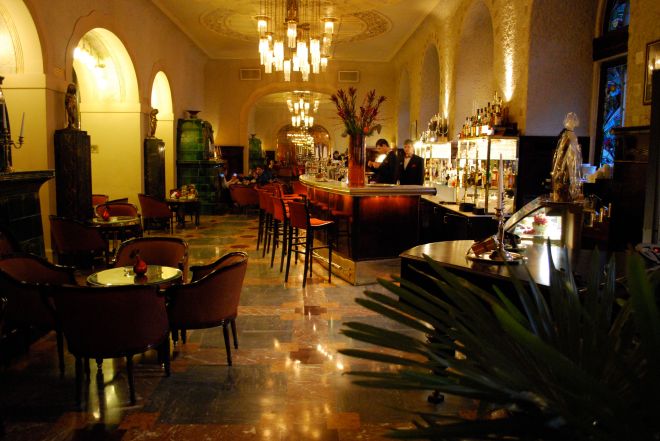
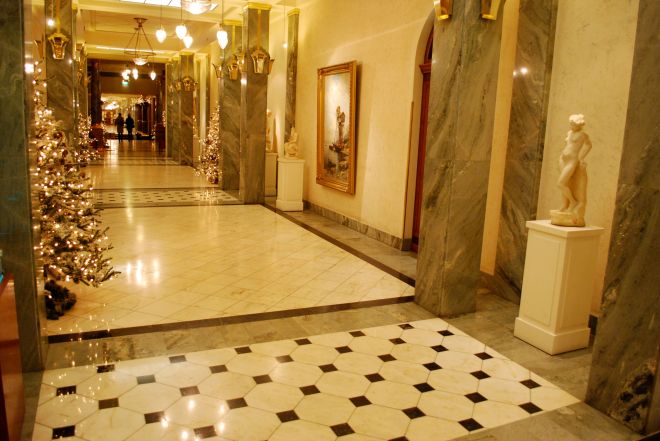
This is one the world’s great hotels — and has been in operation since 1875. Tchaikovsky spent his honeymoon here. It’s also played host to a laundry list of politicians and celebrities, from former French president Jacques Chirac to Elton John. The rates fall considerably in the off-season, which is how we found ourselves entering the lobby of this absolutely stunning place.

DSC_0035

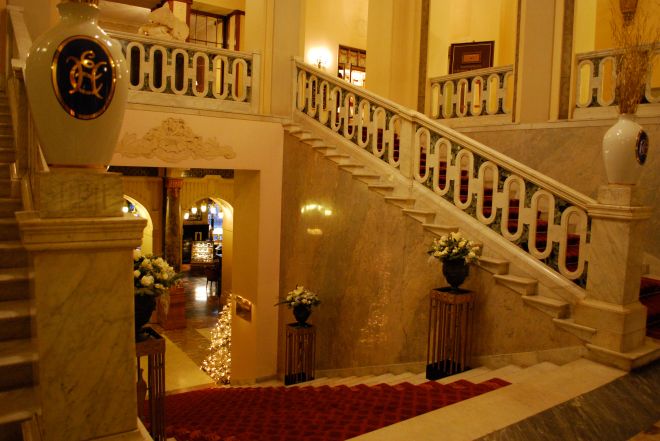
“Would you like the long tour?” the concierge asked as she led us to our room. “Sure,” we replied, passing the elegant lobby bar, an open mezzanine café, breakfast room with original stained glass and black-tie vodka and caviar bar. The interiors were a beautiful combination of marble and gilt, with sweeping staircases and elegant antique furniture.

DSC_0035

DSC_0035

DSC_0035

DSC_0035

DSC_0035

DSC_0035

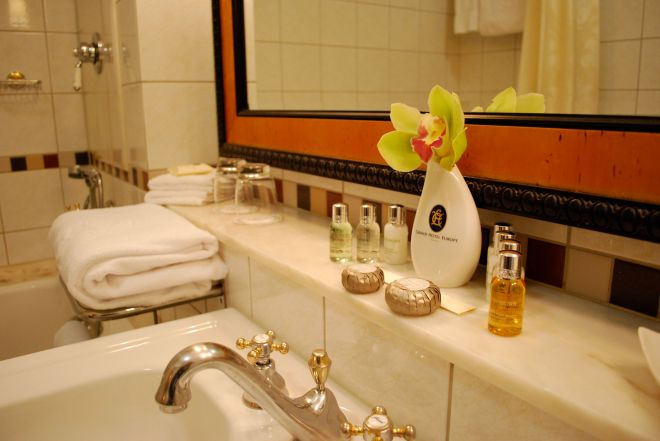
Our room on the second floor overlooked the Russian Museum. It felt a bit tight after having had the living room in Moscow but was still very comfortable, with heated marble bathroom floors, super soft beds and a world newspaper menu — the first I’ve ever seen at a hotel.

Meanwhile, the service was practically tripping over itself. After our tour of the hotel, the concierge told us that she was available for whatever we needed. And, unlike Hotel Savoy, she truly wasn’t kidding.

DSC_0035

DSC_0035

DSC_0035

DSC_0035

Settling into the lobby bar a few minutes later, oligarchs to our left and cigar-smoking politicos to our right, we agreed.

Our luck had officially changed.