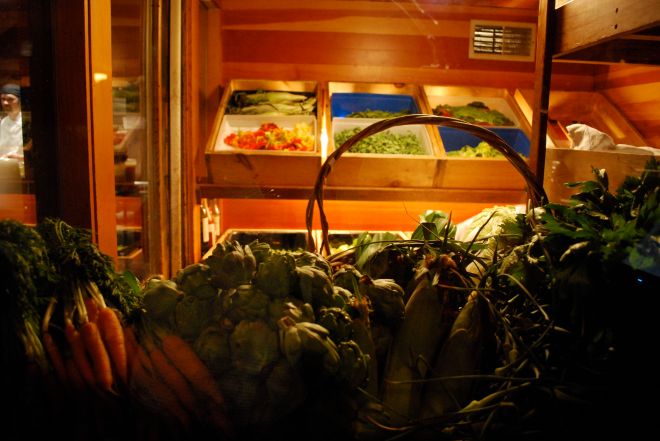
Gales on Waiheke Island

Auckland, New Zealand

Exhausted from our travels and still adjusting to the time difference, we were in bed last night at 9 p.m. and didn’t wake until nearly 12 hours later. Feeling refreshed, we hit up the DeBrett’s continental breakfast, which included freshly baked cranberry muffins, fruit, yogurt, granola and Flat Whites — or, in American English, coffees with milk.

The weather outside looked ominous, with dark rain clouds on the horizon, but we didn’t let it deter us from our day’s plan: a trip to Waiheke Island, out in the Hauraki Gulf. A 35-minute Fullers ferry ride dropped us at the small island’s port of Matiatia Bay where we rented a car from Pauline at Waiheke Rental Cars and set out on our way.

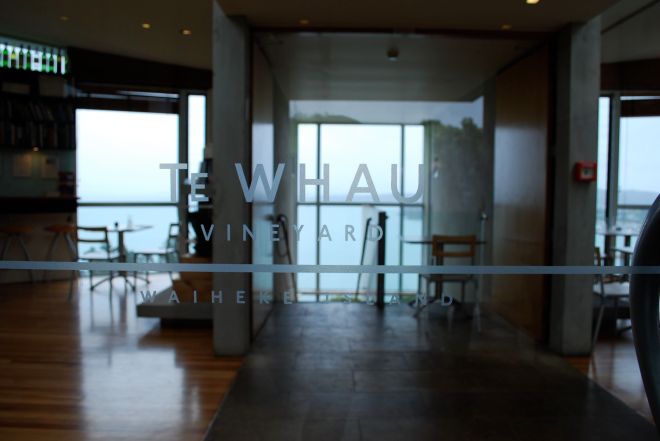
After five weeks in Africa, driving on the left side of the road almost felt naturally as we arrived in the town of Oneroa. As a light rain fell, we stopped to walk along the small shops scattered amongst cafés and real estate agencies. There wasn’t much to see and the weather was crummy so we made our way for an early lunch at Te Whau, an award-winning vineyard.
DSC_0035

DSC_0035

The fire inside warmed us up as we sipped a 2007 merlot and took in the spectacular views. Mom went with the John Dory with julienne vegetables, olive tapanade and a bouillabaisse sauce. My za’atar spiced loin of lamb was served over parsnip and goat’s cheese skordalia, with red pepper coulis and green beans.

DSC_0080

DSC_0035

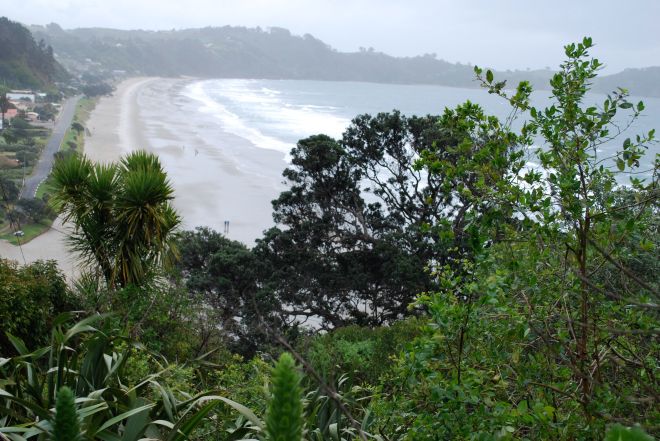
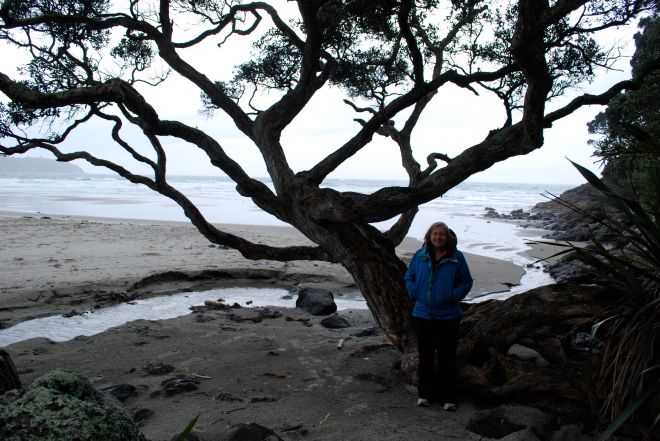
By the time we were back outside, the rain had largely stopped but the wind was roaring. “It’s a gale!” a Kiwi woman cried out on our way to the parking lot. Back in the Toyota, we drove to Onetangi, a quiet seaside village. Walking the largely deserted beach, we followed a set of stairs that meandered up past modest sized homes with stunning views of the Bay and rocky shoreline. Occasionally, signs of spring — like vivid purple flowers — emerged among the lush landscape.
DSC_0035

DSC_0115

DSC_0035

DSC_0035

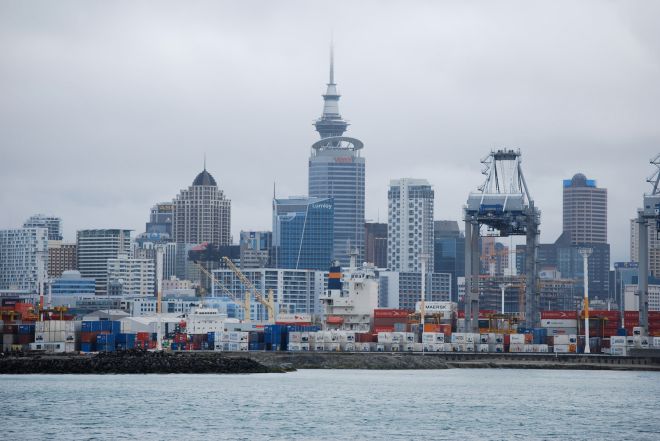
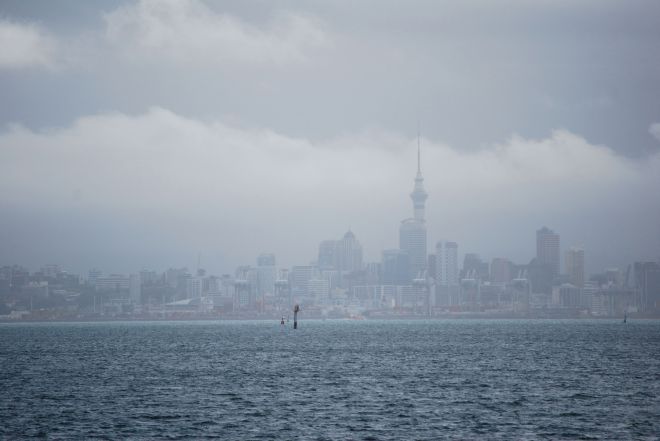
Returning to Auckland on the 5 p.m. ferry, the weather finally started to clear and the sun emerged, providing both a fitting welcome and an early farewell from this country’s largest city.
DSC_0035

DSC_0035

DSC_0035

Back at the DeBrett, we showered and, without dinner, promptly fell asleep.
Sailing into the City of Sails

Auckland, New Zealand

“The local time is 8:28 a.m.,” the flight attendant announced over the loud speaker. To be honest, I’d not have known otherwise.

My journey to New Zealand started Thursday morning. Tar Heel Taxi was 30 minutes late causing me to nearly miss my 7:15 a.m. flight to Dallas. Thunderstorms there delayed my connection to Los Angeles, where wheels eventually came down around 3 p.m. EST. After dinner with my brother at the Philippe Starck designed Katsuya, it was back to LAX for my 13 hour Qantas flight to Auckland, which departed a little before midnight. Crossing the international date line, and losing 17 hours in the process, essentially caused October 2 to vanish.

And it left my scratching my head, attempting to figure out what day and time it was here when we landed this morning.

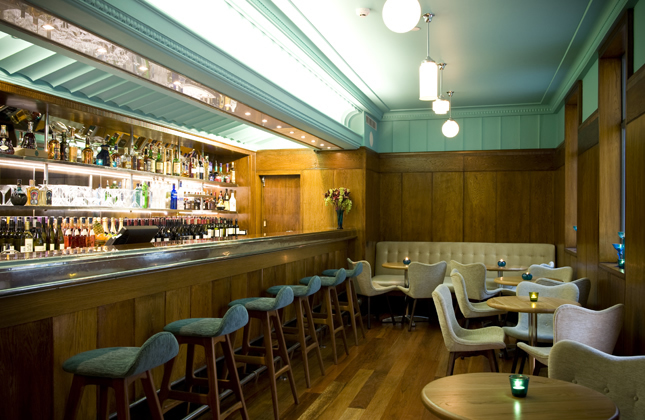
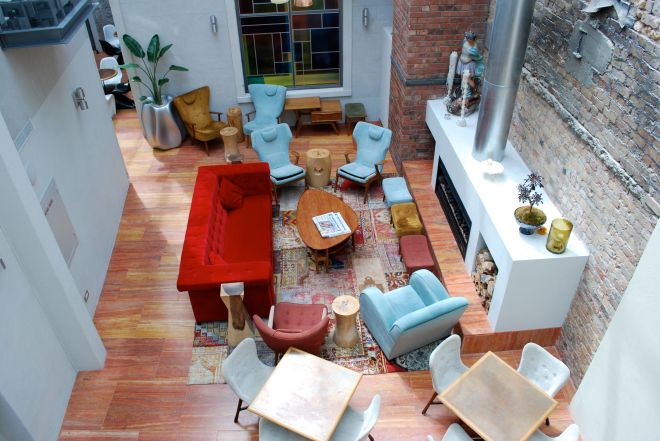
A half hour taxi ride brought me into the center of Auckland, which subtly reminded me of cities that I’ve visited in the Pacific Northwest, like Seattle and Vancouver. We’re staying at the Hotel DeBrett, a small boutique hotel that has recently opened on fashionable High Street. The public spaces inside, like the atrium, bar and drawing room, are all hip yet inviting. Just my style.

DSC_0035

DSC_0035

DSC_0035

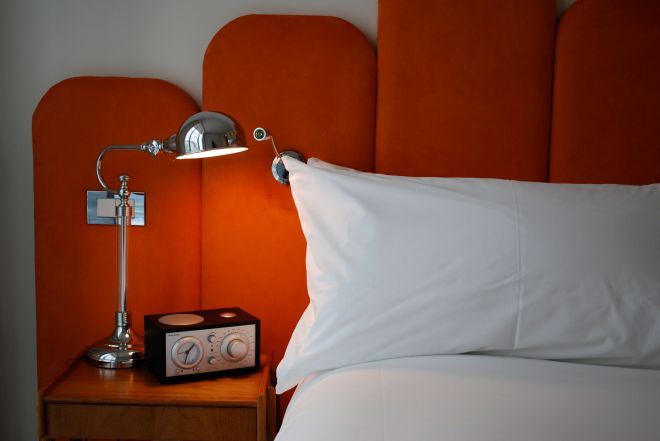
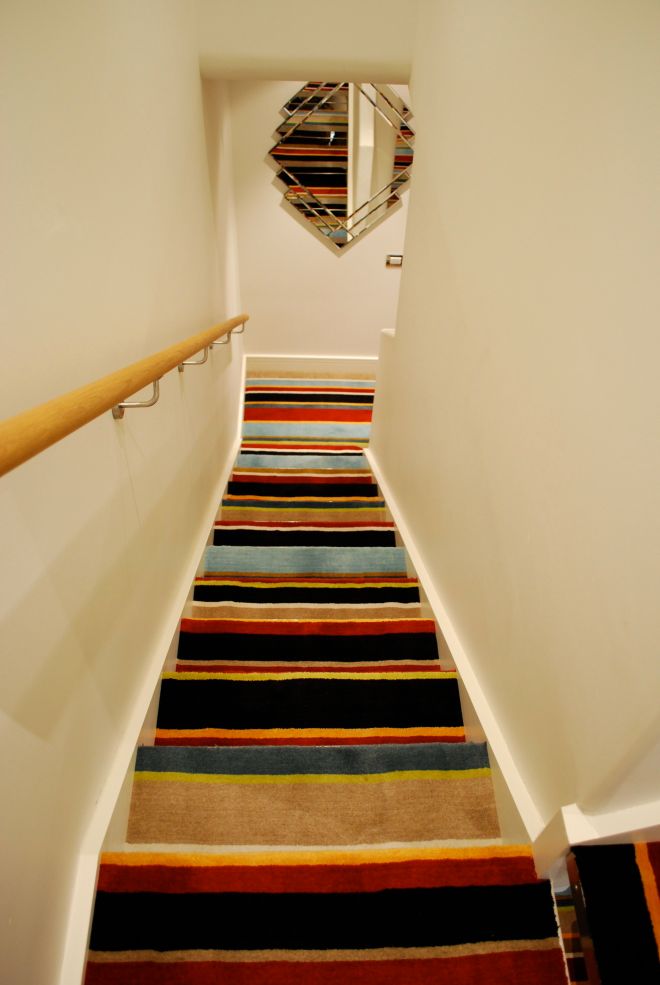
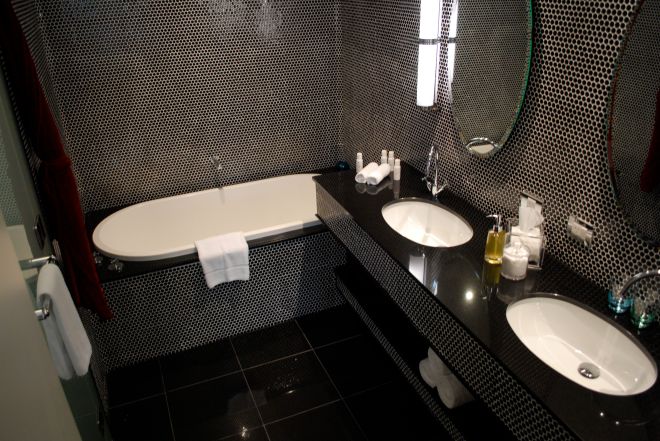
Perhaps sensing our exhaustion, the friendly woman working the front desk upgraded us to a spacious duplex room. It was colorful and comfortable, with sunlight streaming through the double-story window. The black and white subway tile bathroom was dizzying.

DSC_0028

DSC_0033

DSC_0034

DSC_0032

After showering, we walked around the quiet streets of downtown and found a small cafe serving frothy and delicious cups of freshly brewed coffee.

DSC_0032

DSC_0032

A couple of cups later, we made our way to the Auckland Art Gallery, which was having a special exhibition on Rita Angus, said to be one of this country’s most famous painters. Her vibrant and disciplined landscape water colors offered an introduction to what we’ll be seeing and experiencing firsthand over the next two weeks.

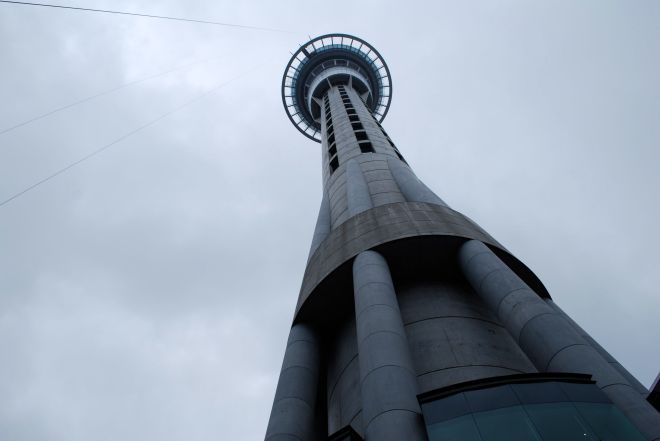
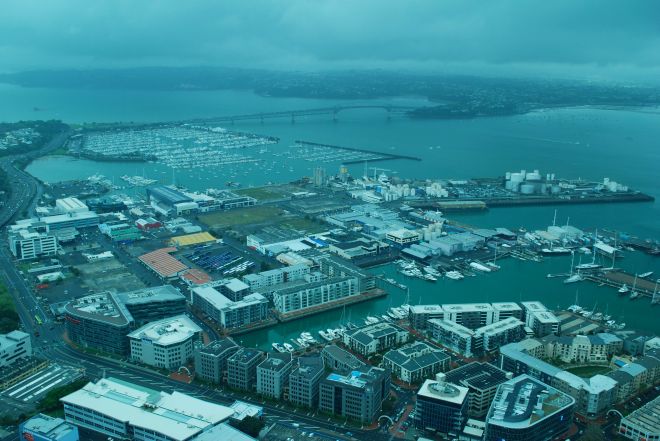
Perhaps Auckland’s most recognizable building is the Sky Tower, which at 1,076 feet, is the tallest free-standing structure in the Southern Hemisphere. Although the skies looked overcast, we made our way to the top in the hope that it would provide us with an panorama of the surrounding area. We were not disappointed.

DSC_0032

DSC_0032

DSC_0032

DSC_0032

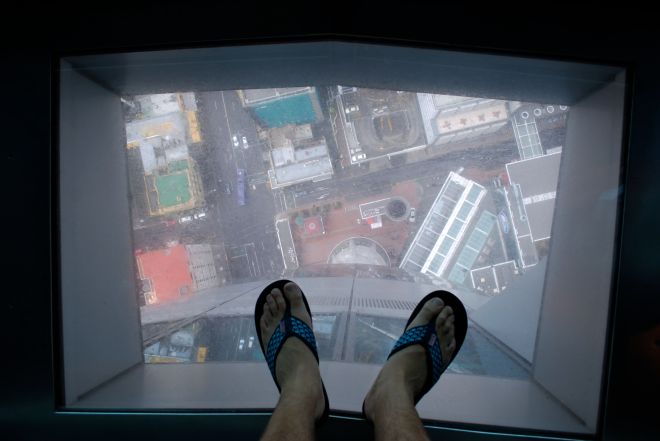
Walking around the perimeter, it was hard not to feel a bit of trepidation staring at the ground through the glass floor.

DSC_0027

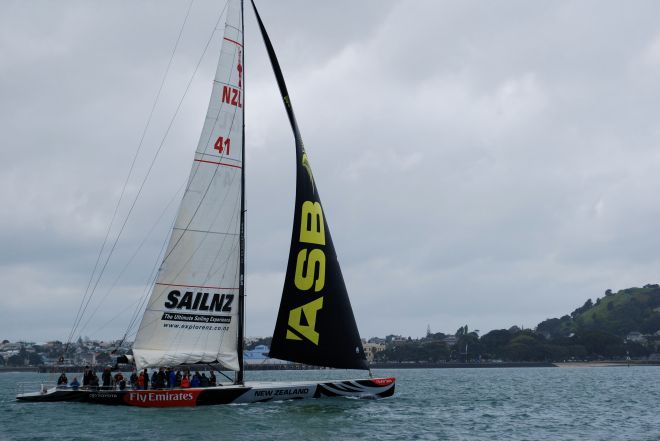
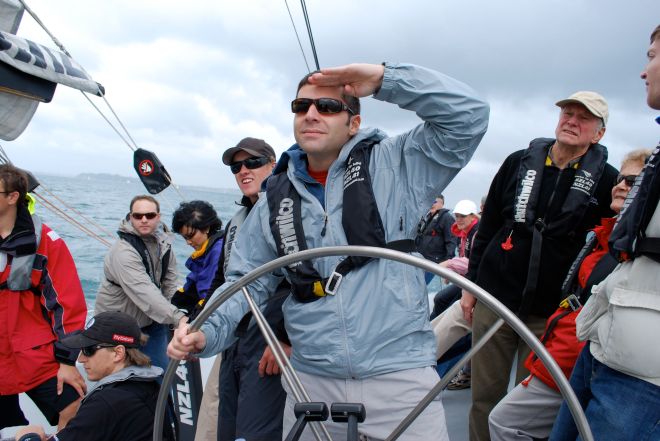
It would be hard to visit this city without heading out onto the water. Sail NZ offers an opportunity to do so aboard a retired America’s Cup yacht. This was not a leisurely trip out on the harbor; we were asked to help rig the sails and steer the vessel as it aggressively tacked into the wind. Coincidentally, a group of MAC students from Kenan-Flagler on a GIE were also on the boat — what a small world.

DSC_0050

DSC_0048

DSC_0056

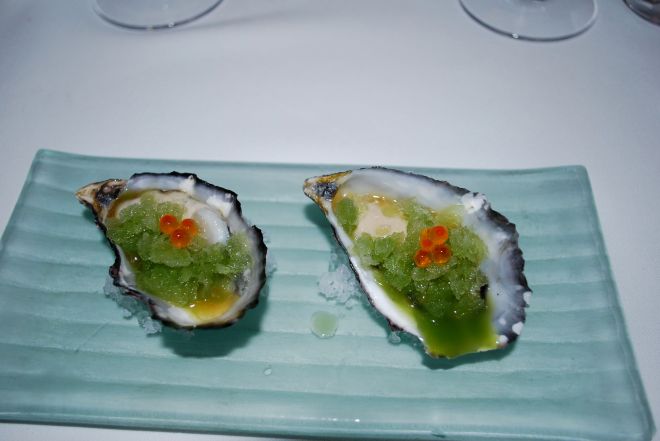
For dinner, we made a reservation at the French Café, consistently named the best restaurant in Auckland. We started with two fresh local oysters, sitting on a bed of sea salt, and topped with a cucumber granita, ginger dressing and caviar. They may very well have been the best I’ve ever tasted.

DSC_0065

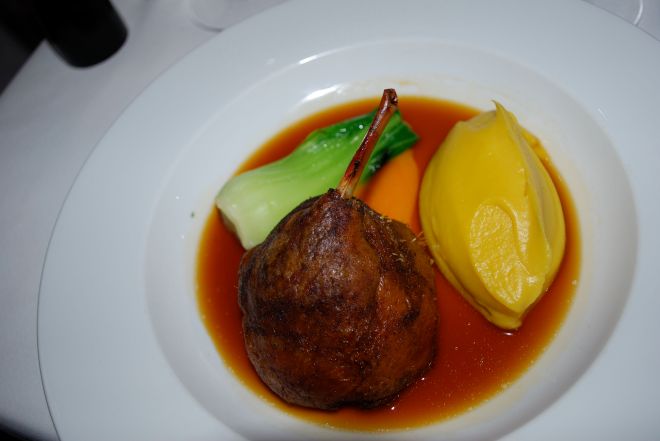
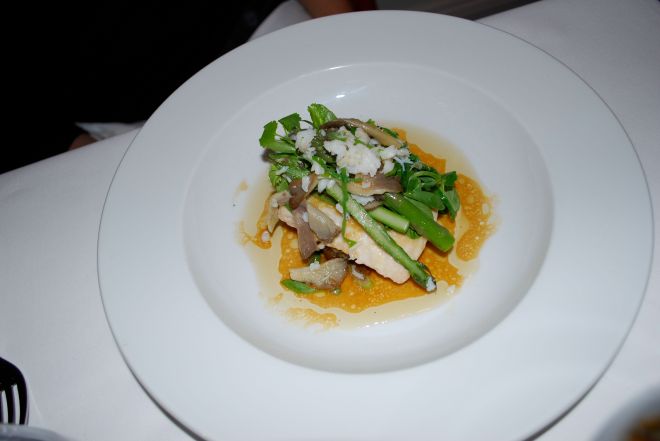
My entree was equally tasty — a sweet spiced roast duck with stir-fried Asian greens, mandarin puree, kumara mash and orange jus. Mom ordered the fish special, a light and flaky white fish served with fresh asparagus and micro-greens.

DSC_0065

DSC_0065

If today was indicative of what’s in store for the remainder of this trip, New Zealand is going to knock it out of the park.

A walk on the High Line

New York, New York

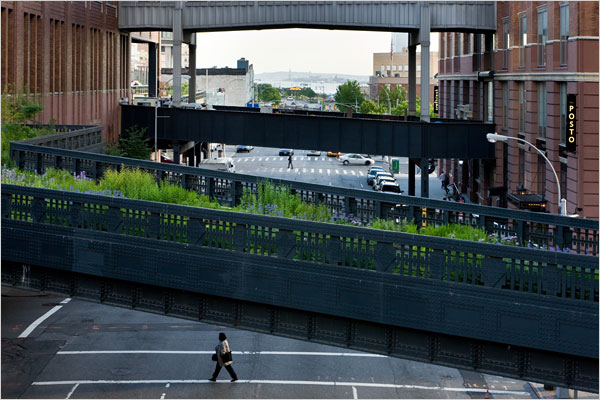
I’m always fascinated by how innovative designers and planners are able to redevelop aging buildings and urban structures into livable spaces. For example, rundown warehouses smartly converted into modern lofts. Perhaps the most recent and well-publicized development — at least in the Big Apple — has been the High Line, which opened a few months ago.

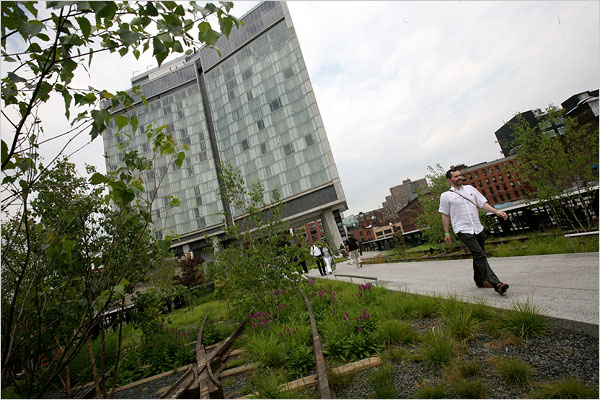
A former elevated freight railroad on the West Side built in the 1930s, the 1.5 mile section of tracks stood abandoned and unused for years. Then, in 2004, with $50 million of government support, the High Line was reclaimed. For five years, tracks were removed, pebble-dash concrete walkways were built and native trees, grasses and shrubs were planted. And then in June, the first section was revealed.

high1

high10

lineslide13

Benches with views of the Hudson River and the urban landscape have been installed. And Andre Balazs straddled the chic Standard Hotel over the High Line at West 14th Street.

lineslide5

high6

Suddenly, a space neglected for years was transformed into a hub of outdoor activity.

Only in New York.

Inside the Harpoon Brewery

Boston, Massachusetts

It sounds like every MBA’s dream.

After a boozy summer tour through Europe, spend the second year of business school not sitting with recruiters but writing a business plan to launch a brewery. Obtain a liquor license, hire a couple of friends and start what will become the single largest craft brewery in New England.

Dream? Make that a reality for the founders of Harpoon. Twenty years later, their brewery continues to operate full-tilt at the same waterfront location in downtown Boston. A big fan of their beers, including the flagship IPA, we stopped by today for a tour and $5 tasting.

An energetic guide — your typical bearded, kind of hippie beer enthusiast — explained the brewing process which wasn’t nearly as complicated as one would think. In fact, there are only four ingredients in beer: water, barley, hops and yeast. But it’s the recipe (that is, how the ingredients are mixed) that gives beer its unique flavor.

Harpoon doesn’t typically brew on the weekends but a flood earlier in the week had set back production. So, we were able to watch beer go through the whole process, from boiling water in huge aluminum vats to the final step of bottling into kegs.

dsc_0937

dsc_0937

dsc_0937

dsc_0937

At the tour’s conclusion, we got to the matter at hand: the tasting.

A bell rang and the taps opened as we sampled the IPA, seasonal, ciders, UFOs and premium 100 Barrel and Leviathan brands. The UFO White was one of my favorites — it’s brewed with orange peels and had this crisp spiced wheat beer flavor.

dsc_0937

dsc_0937

After thirty minutes, the bell rang again and the taps closed off.

Walking back to the parking lot, it was hard not to start thinking of a business plan.

Mike’s vs Modern: A cannoli rivalry decided

Boston, Massachusetts

When most people think of Bean Town rivalries, they think Yankees-Red Sox. But, believe it or not, there’s a far greater struggle in Boston, one that has polarized residents, stirred hatred and spawned a seemingly interminable debate. I’m talking, of course, about cannolis.

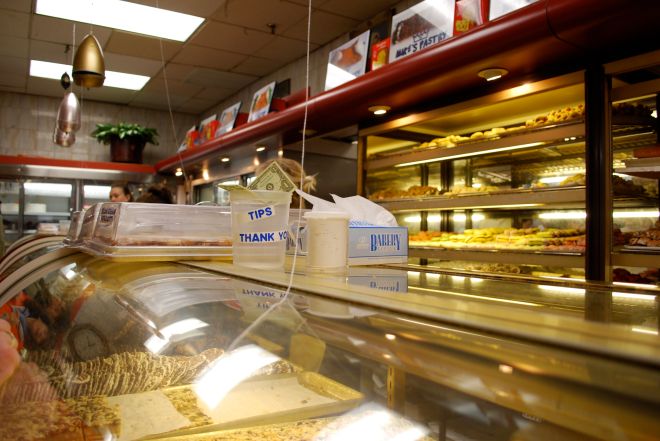
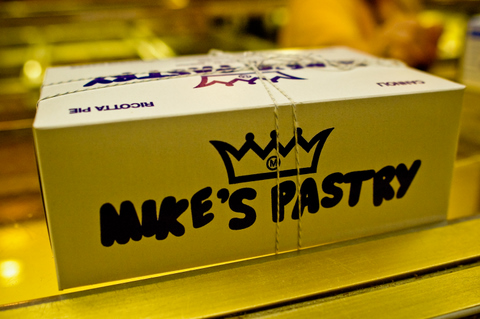
On Hanover Street in Boston’s North End, two historic Italian bakeries — Modern and Mike’s — have battled for decades, claiming that their custard filled puff-pastries are simply The Best. And while just about every newspaper, foodie Web site and blogger has gotten in on the debate, on my trip up here this weekend, it seemed only fair to give them both a try.

First up: Modern, named Best Neighborhood Sweets last year by Boston. This small shop was bustling with activity as locals and tourists alike salivated over the refrigerated cases brimming with delectable pastries. The smell of freshly baked sweets filed the air while the whir of a coffee grinder signaled a fresh batch was brewing.

dsc_0937

Because all of the cannolis are made to order at Modern, the shell was fresh, crunchy and a little flaky. The overflowing filling had a sweet — but not too sweet — taste and a wonderful pudding-like consistency. Consensus: it would be hard to get much better.

dsc_0937

Or would it?

Not more than a hundred yards down the street sat Mike’s. Packed with throngs of tourists wearing bright yellow Cheers ponchos, the welcome was a bit overwhelming. Where did the line end? Was there even a line?

We got distracted and wandered over to the display cases — which showcased the countless cannoli flavors. There was mousse. And honey nut. Choosing could be difficult.

DSC_1259

But to keep it simple (and fair) we got a chocolate chip with a dash of powdered sugar (why not, right?). It wasn’t made to order but it didn’t seem to make much of a difference. The shell was thicker and the filling tasted sweeter than Modern. But still, absolutely delicious.

dsc_0937

dsc_0937

So, Modern or Mike’s? For me, a perfect cannoli would have the freshness and personalization of Modern but the shell and filling of Mike’s.

But I’m a native New Yorker. Which means Bostonians could care less about my opinion.

36 Hours in the Research Triangle

Chapel Hill, North Carolina

In planning my frequent travels, I’ve come to rely on a variety of resources.

Most importantly, are people — either those who have visited the places that I’m heading, or better yet, live there. After speaking with them, there are the more traditional targets: TripAdvisor for hotel reviews; Kayak for airfares; Lonely Planet for destinations and sights. One of my most frequently referenced guides though is the New York Times, which I’d argue has the best daily paper travel section in the country.

Every week, the Times puts out a recurring feature, “36 Hours” in which it offers up a weekend-long itinerary of a destination around the globe. You can imagine my excitement then when earlier this summer, it focused it sights right here in the Research Triangle. Would its reporter be able to dig up neighborhood Raleigh-Durham-Chapel Hill spots and point visitors in the right direction?

Over a 36 hour period, appropriately enough, we set out to investigate.

dsc_0937

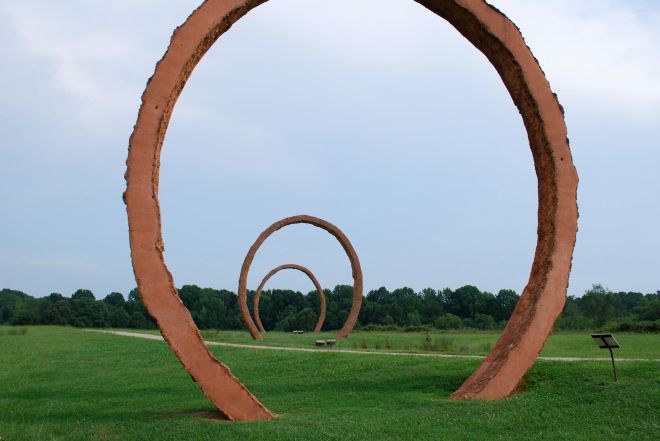
What they said: Anyone who has visited the Met or the Getty might scoff at the relatively succinct collection at the North Carolina Museum of Art (2110 Blue Ridge Road, Raleigh; 919-839-6262). But the lack of tour bus crowds means unfettered access to the Old Masters and contemporary heavyweights like Anselm Kiefer. The real treat is the adjacent Museum Park, more than 164 acres of open fields and woodlands punctuated by environmental art like Cloud Chamber, a stone hut that acts as a camera obscura, with a small hole in the roof projecting inverted, otherworldly images of slowly swaying trees on the floor and walls.

What we thought: Although not scheduled to close until September for a scheduled expansion, the museum currently looks like a construction site. The Museum Park had some interesting pieces — although the Carolina Heat didn’t allow us to enjoy it as much as we would have liked. The aforementioned Cloud Chamber was damp and spooky; not nearly as introspective as we had anticipated. Regardless, we would recommend a visit once the museum reopens next spring.

dsc_0937

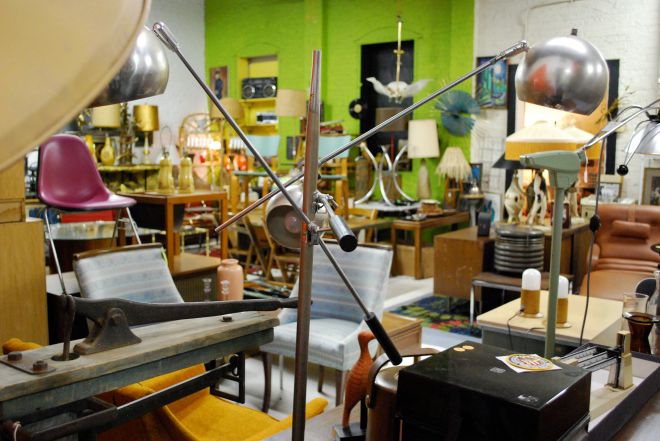
What they said: There’s no pigeonholing the eclectic wares in this four-story indie minimall collectively known as Father & Son Antiques (107 West Hargett Street, Raleigh; 919-832-3030), and including Southern Swank and 2nd Floor Vintage. The organizing principle, if there is one, might be high design meets kitschy Americana, as the intermingling of vintage disco dresses ($18), Mexican wrestling masks ($20) and Eames aluminum group chairs ($250 to $500) attests.

What we thought: Located in the downtown Raleigh wasteland, this store had a couple of interesting finds mixed in with heaps of junk. For every cool retro floor lamp, there were old typewriters and busted hair dryers. We didn’t go looking for anything in particular — nor did we walk out with anything. Might be worth checking out. But wouldn’t be a big deal if you didn’t.

poole3

What they said: Memorable meals are easy to come by in the Triangle owing to its high concentration of accomplished, produce-fondling chefs like Ashley Christensen. She left one of the area’s top kitchens to open Poole’s Downtown Diner (426 South McDowell Street, Raleigh; 919-832-4477) in a space that began as a 1940s pie shop. Diners sitting in the bright-red booths dig into Christensen’s low-pretense, high-flavor dishes, like a starter of lovably sloppy fried green tomatoes crowned with local pork smoked over cherry wood ($11), and the Royale ($13), an almost spherical hunk of ground-in-house chuck roll seared in duck fat, topped with cheese and perched on a slice of grilled brioche.
What we thought: The location, on a busy street near the Interstate and across from the prison, wasn’t great. But we escaped into this cool, converted space. The focus here is on made-to-order meals; the menu — up on a large chalkboard which we had to walk over to read — changes daily. Our roasted chicken was moist although the portions were a bit meager for the $18 price tag. Poole’s is an informal spot worth grabbing a meal at if you happen to be in Carolina’s capital city and are in search of something a little bit different.
poole3

What they said: For most bars, a popular politician’s visit would be a game-changing boon. But the Raleigh Times Bar (14 East Hargett Street, Raleigh; 919-833-0999) was packed well before Barack Obama showed up the day of the state’s Democratic primary. The owner, Greg Hatem, painstakingly restored the century-old building that once housed its namesake newspaper and decorated the walls with old newspaper clippings, paperboy bags and other artifacts from the defunct daily. Mr. Obama bought a $2 Pabst Blue Ribbon (and left an $18 tip), but anyone not campaigning might choose one of the more than 100 other beers ($1 to $68), including esoteric Belgians and local brews you won’t find elsewhere.

What we thought: This was a hopping spot on our visit — tables were bustling with activity and the crowd spilled over onto the sidewalk. As former journalists, we were suckers for the décor. The Big Boss Seasonal Ales were $6 bucks a piece and well worth it.

poole3

What they said: One of the Triangle’s charms is that its urban trappings are so easy to escape. A 10-mile drive from downtown Durham brings you to Eno River State Park (6101 Cole Mill Road, Durham; 919-383-1686). Its trails pass through swaying pines and follow the river past patches of delicate purple-and-yellow wildflowers and turtles sunning themselves on low branches in the water.

What we thought: Although we do a fair amount of hiking, we never would have heard about this park otherwise. It was largely empty when we arrived to summit Cox Mountain. The walk, about 4 miles round trip, crossed the Eno River on a suspension foot bridge and continued gradually up a hill that climbed 270 feet in elevation. No great views from the top but a great workout.

poole3

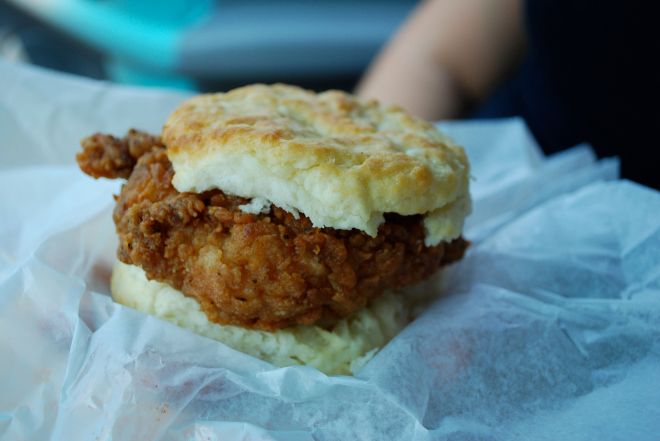
What they said: But for a morning meal on the go that’s equally unforgettable, roll up to the drive-through-only Sunrise Biscuit Kitchen (1305 East Franklin Street; 919-933-1324), where the iced tea is tooth-achingly sweet and the main course is fluffy, buttery and filled with salty country ham ($2.02) or crisp fried chicken ($3.40).

What we thought: We’ve driven by this place for the last year so were excited to finally have an excuse to stop there. Our crisp chicken biscuit was certainly tasty (how could it not be?) but we weren’t sure it competed with that offered at Time Out. And for just biscuits, we think the award goes to Weathervane, the café at Southern Season.

poole3

What they said: Anyone not on a hunt for serious Mexican food might drive past Taqueria La Vaquita (2700 Chapel Hill Road, Durham; 919-402-0209), an unassuming freestanding structure with a plastic cow on its roof, just five minutes from Duke’s campus. But if you did, you’d miss tacos ($2.19) made with house-made corn tortillas, uncommonly delicate discs topped with exceptional barbacoa de res (slow-cooked beef) or carnitas (braised-then-fried pork) that you eat at one of the picnic tables out front.

What we thought: Looks can be deceiving at this roadside food stand. But the tacos were absolutely perfect. Authentic Mexican food is difficult to come by in this area. There are just so many lousy places — Los Potrillos, La Hacienda, to name a few. It was so welcome to find this little gem with fresh and spicy flavors.

All in all, I’ve got to give the Times credit. Not all of its recommendations were the greatest. But many were. Which means that I’ll keep checking out “36 Hours” each Sunday morning for inspiration and travel advice. Whether that’s halfway around the globe or right outside my door.

Driving the Blue Ridge Parkway

Asheville, North Carolina

We woke up early this morning and, after checking out of the Inn, made our way to the Blue Ridge Parkway. This 469-mile highway, which originates in Rockfish Gap, Virginia, is the most visited attraction in the United States National Park System. Much of the scenic road hugs the Blue Ridge Mountains, which are part of the Appalachian Mountains.

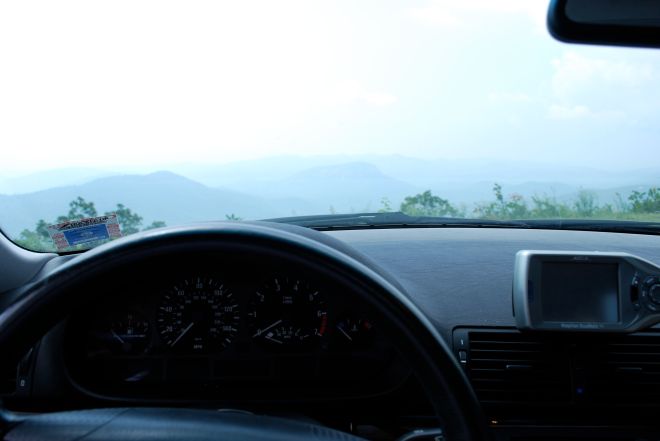
The weather was perfect so, with windows down and sunroof open, we entered around mile marker 388. Passing scenic overlooks along the narrow road, we made our way to Mt. Pisgah, named after the Biblical mount from which Moses first saw the Promised Land (according to a sign at the base). A steep 1.5 mile trail that gained about 700 feet took us to the summit from which there were panoramic views of western North Carolina.

DSC_1208

dsc_0937

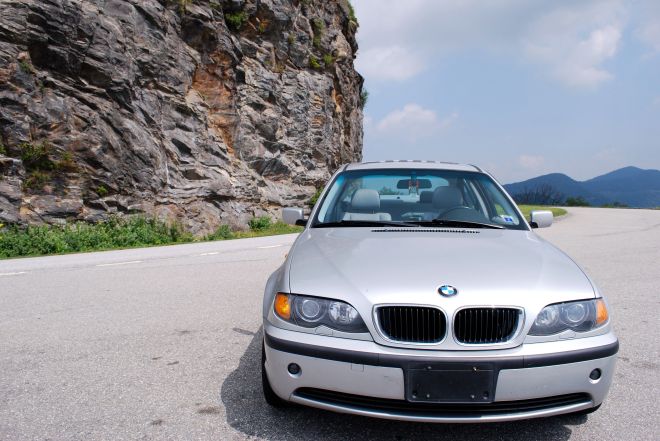
Thoroughly sweated up, we happily returned to the car and continued along the scenic parkway. Numerous tunnels brought us through the mountain side and provided appropriate photo opportunities for BMW’s next ad campaign.

dsc_0937

dsc_0937

dsc_0937

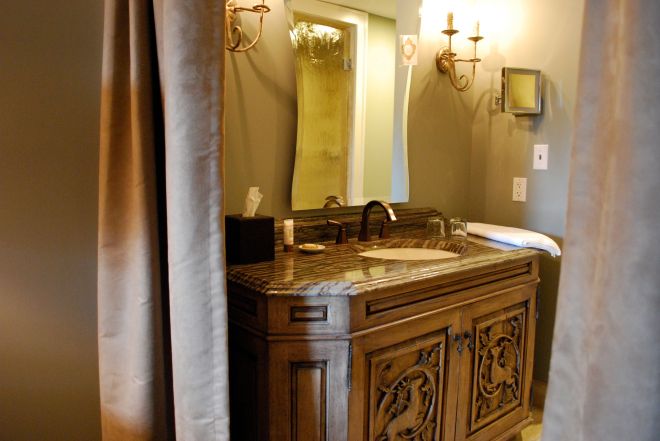
After a couple of hours, we exited and made our way back to Asheville, stopping for some lunch in nearby Biltmore Village. We checked into our hotel, the Bohemian Grand, which was located just outside the gate to the Biltmore Estate. It was furnished to resemble a trendy German hunter’s lodge, complete with stuffed animal heads lining the rustic wood-paneled walls.

dsc_0937

DSC_1240

Our king room was on the fourth floor, with the decor of the lobby continuing upstairs. Which is to say, lots of wood, leather and stone.

dsc_0937

dsc_0937

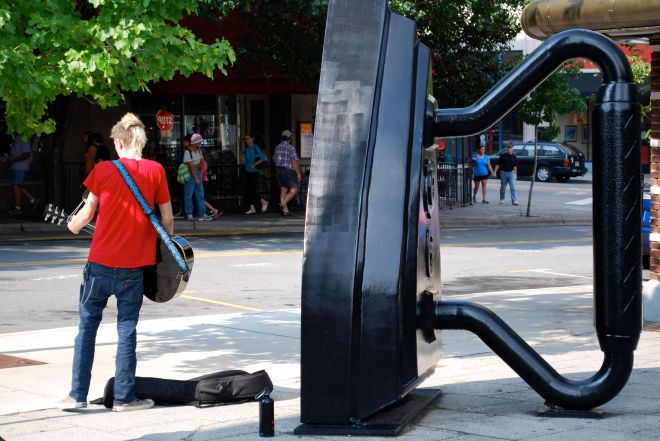
Showered up, we made our way into downtown Asheville, checking out the Grove Arcade and Woolworth Walk. Along the city’s restored Art Deco buildings, musicians played on street corners and strung out hippies parked their amazing hand-painted vehicles.

DSC_1244

DSC_1246

dsc_0937

We opted for dinner at the hotel’s Red Stag Grill, enjoying our steaks, brie mac & cheese and truffle french fries. Perhaps most impressive, however, were the back-lit menus — the first time either of us have seen such a thing.

dsc_0937

Finishing up a bottle of German pinot noir, we agreed. There’s a reason that this small city in western North Carolina has been ranked one of the best places to live in the U.S.

And it’s well deserved.

Night at the Biltmore

Asheville, North Carolina

This small funky city in western North Carolina — known for its burgeoning arts scene, outdoor activities, laid-back feel and acclaimed restaurants — has been ranked one of the best places to live in the United States. Rolling Stone has also proclaimed Asheville to be the “New Freak Capital of the U.S.” A freak city with a high quality of life? This we had to see for ourselves.

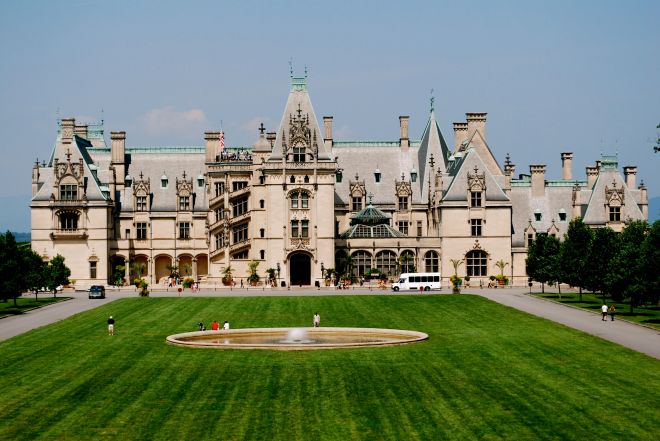
The landscape slowly became more mountainous along our 3-hour drive from Chapel Hill. We arrived a little after 9 a.m. and made our way directly to Asheville’s star attraction, the Biltmore Estate. This châteauesque style mansion was built by George Washington Vanderbilt II between 1888 and 1895. It was, and continues to be, the largest privately owned home in America.

Our tickets — which we booked in advance online for $47 each — allowed us entry with the first group of the day. After driving up the 3-mile long approach, we parked and took a shuttle bus to the entry. Passing through the gate, it appeared before us. This was one big house.

DSC_1173

DSC_1139

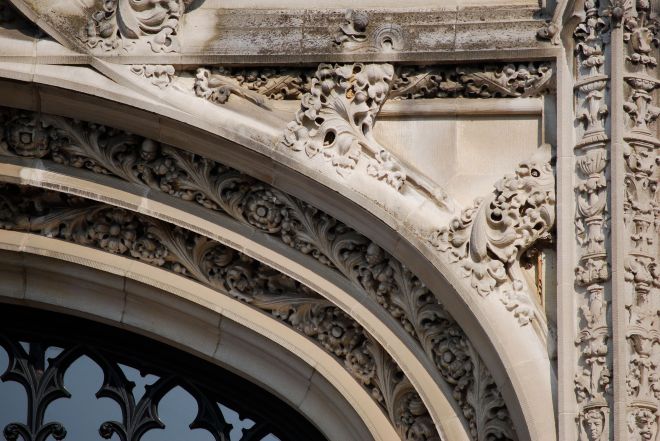
The exterior details were quite eclectic — with gargoyles perched from the roof and intricate stone carvings over doorways.

dsc_0937

dsc_0937

More than a million visitors tour the Biltmore Estate each year. Luckily, on this early Saturday morning, it was relatively quiet. No cameras were allowed inside the house but we were impressed by its sheer size as well as features, like the bowling alley, 70,000 gallon indoor swimming pool, two-story library and sleeping quarters for 50 servants.

Needless to say, this place made today’s McMansion communities look like Shanty Towns.

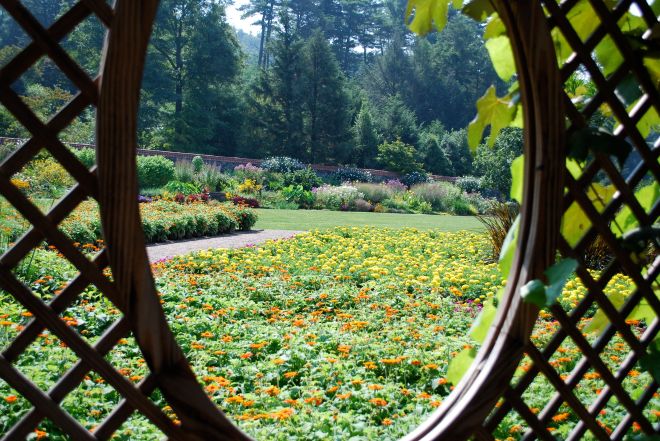
Afterward, we walked through the Walled Garden, with its meticulously-maintained plantings and fountains, before making our way to the Winery, apparently the most visited in the U.S.

dsc_0937

dsc_0937

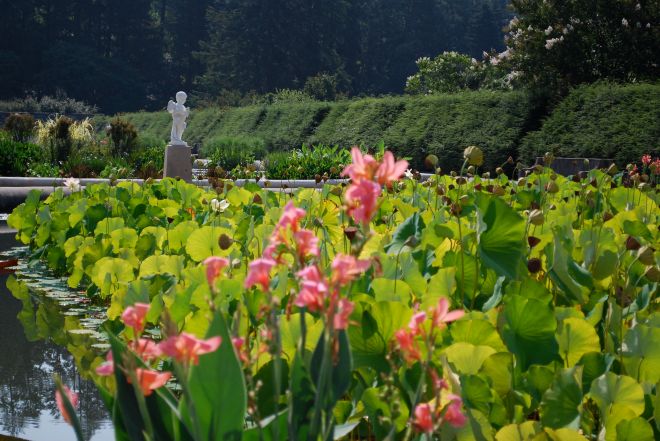
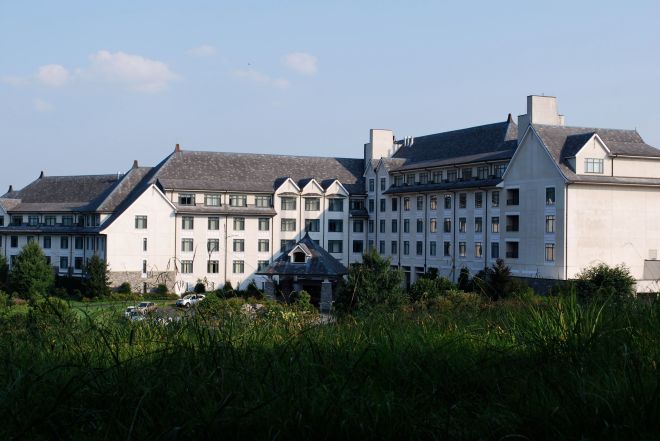
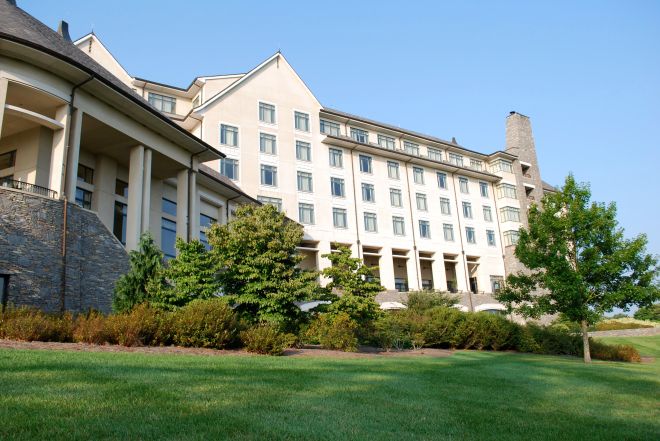
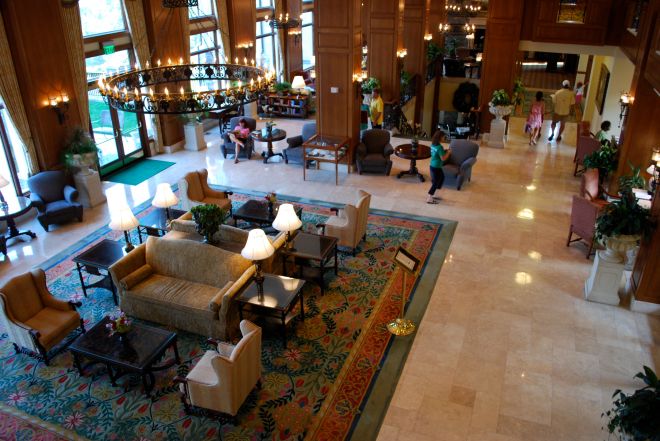
The midday heat was becoming oppressive so we opted for an early check-in at the Biltmore Inn, which is located on the property. Having just undergone extensive renovations, it’s a pretty spectacular place with views of the rolling hills and Blue Ridge Mountains in the distance.

dsc_0937

dsc_0937

dsc_0937

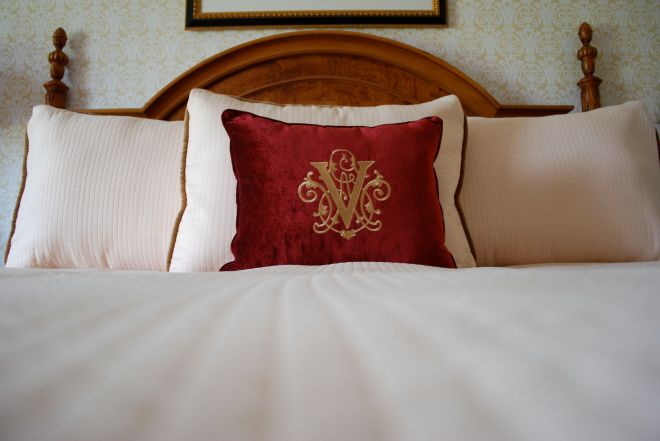
Our king room, on the top floor, was quite comfortable — it even had a pillow with Vanderbilt’s “V” insignia monogrammed on it. Baller!

dsc_1176

dsc_1177

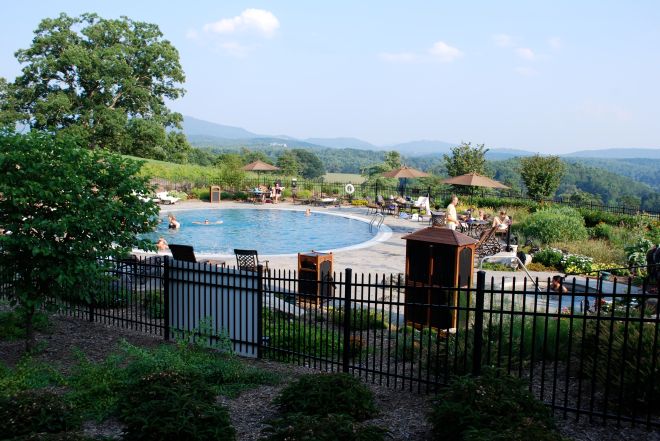
The rest of the day was spent at the Inn’s infinity pool, which had stunning views of the surrounding countryside. Around sunset, we went for a short hike through the Biltmore Forest.

DSC_1186

We made our way into downtown Asheville for dinner at Mela, a well-reviewed Indian restaurant. The lamb korma — in a rich almond and cashew sauce and topped with nuts and raisins — and chicken tikka masala were both delicious.

But my mouth is still on fire.

Weekend in Wellfleet

Wellfleet, Massachusetts

A last minute cancellation brought us to Cape Cod this weekend. We were able to find a home in the heart of Wellfleet whose owner was desperate to fill it — and after negotiating down the price, we hopped in the car for the 4-hour drive from New York.

dsc_0937

dsc_0934

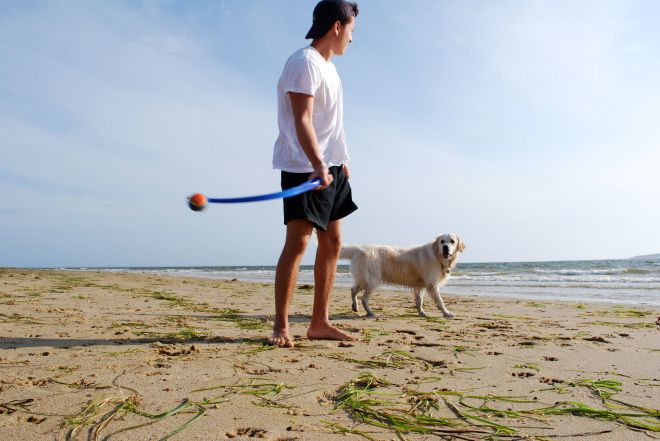
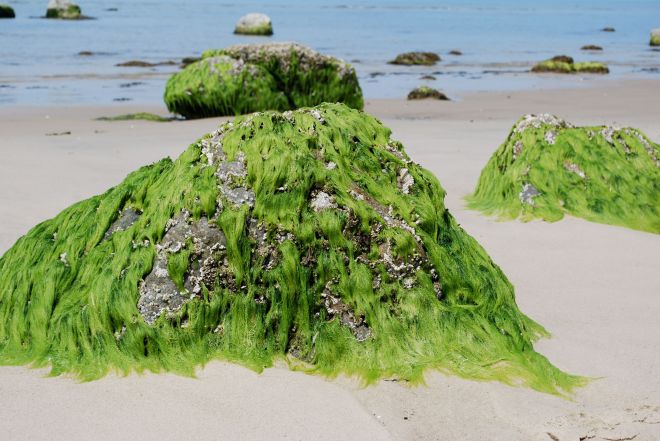
We’ve visited this quiet town — located between the tip and elbow of the outer Cape and famous for its oysters — for several summers. This time, we sunned at Cahoon Hollow Beach on the National Seashore, went for freshwater swims at Great Pond, jogged along the active harbor and hiked through the salt marshes and sand dunes of Great Island.

dsc_0937

dsc_0937

dsc_0937

dsc_0937

dsc_0937

dsc_0937

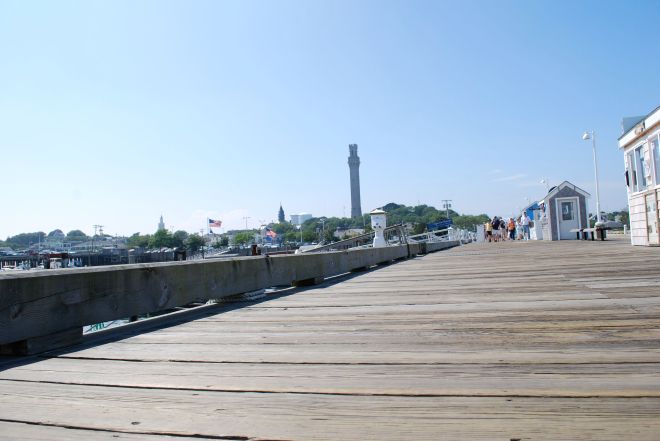
It wasn’t all about outdoor activities though. On our second day, we window shopped in quiet Chatham and grabbed lunch in bustling Provincetown.

dsc_0937

dsc_0937

dsc_0937

dsc_0937

dsc_0937

dsc_0937

dsc_0937

Driving home, we realized that a weekend on the Cape wasn’t nearly long enough.

But we enjoyed it no less.

Staying active at Acadia

Bar Harbor, Maine

It was a typical Maine morning, meaning cool temperatures and some light fog. Regardless, we couldn’t let weather derail our ambitious plans to take on Acadia National Park.

Acadia is the only national park in New England and the first nationally declared park east of the Mississippi. In all of my camp summers in Maine, I’ve never made it up here. The prospect of hiking just never really appealed to me (indeed, beyond playing basketball and drinking Dr. Pepper’s, little did). Guess I’ve matured a little bit since then.

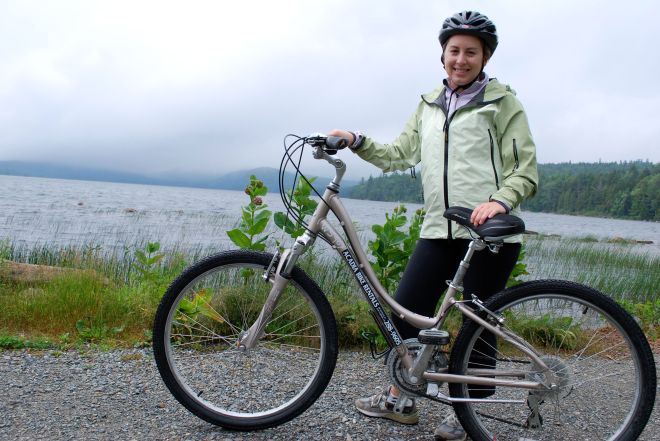
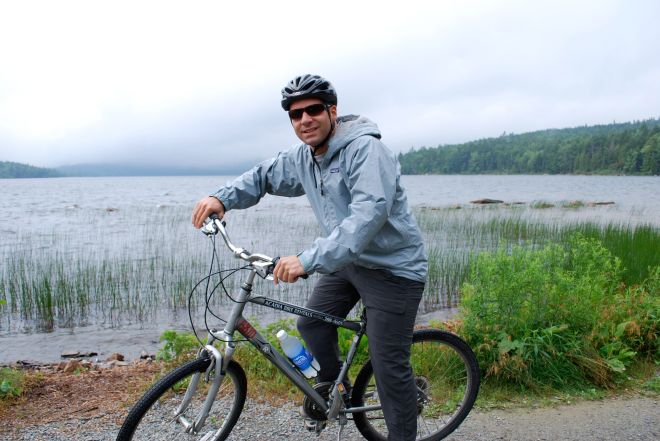
We stopped by Acadia Bike in Bar Harbor to pick up our mountain bikes before hopping onto a L.L. Bean sponsored, propane-powered shuttle bus. It dropped us off just inside the park, on the north side of Eagle Lake. From this point, there were 45-miles of carriage roads — basically, well maintained gravel roads — to explore. The roads were the gift of John D. Rockefeller, who back in the day rode around here like a baller in a horse-drawn carriage.

DSC_0708

DSC_0708

DSC_0708

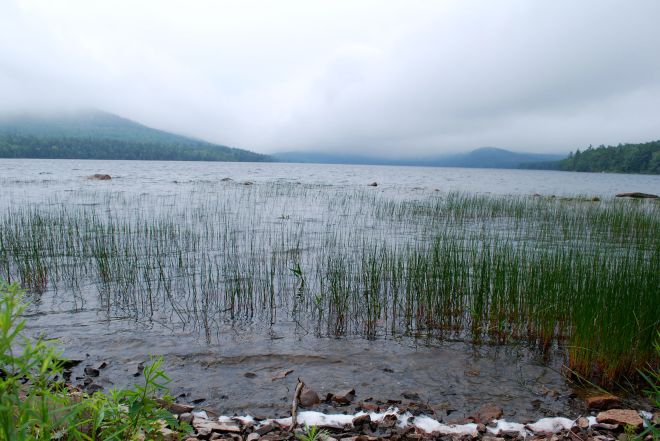
The roads were largely empty and offered sweeping views of the lake and the densely forested surrounding.

DSC_0814

DSC_0827

DSC_0708

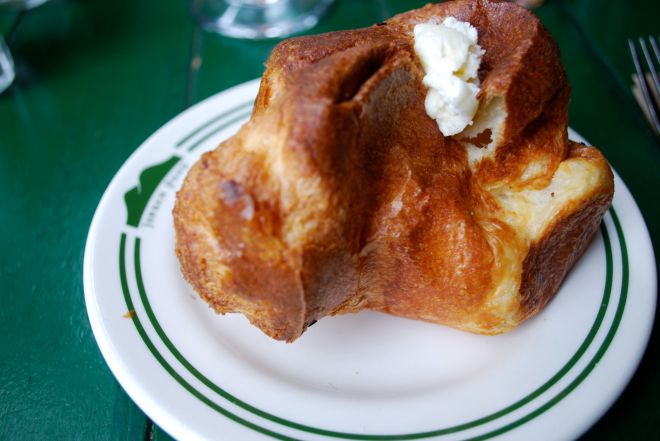
After about 12 miles, we were met with some showers and found our way to the Jordan Pond House for a snack of freshly baked popovers (not as good as BLT but still good) and lobster quiche.

DSC_0708

DSC_0708

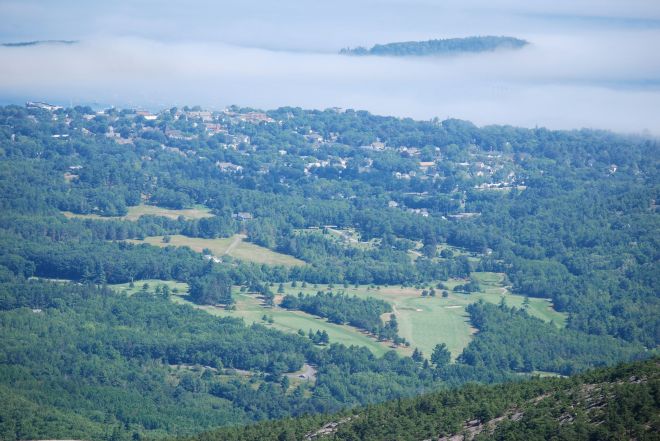
We biked back to Bar Harbor, getting somewhat lost in the process, and returned the bikes as the sky cleared and sun appeared. Hopping in the car, we drove back to the park and reached the summit of Cadillac Mountain — at 1,528 feet, it’s the highest peak on the Atlantic between Canada and Brazil. It is also the first place on U.S. soil to see the morning sun. The parking lot was kind of a madhouse but we got away from the crowds and took in the views.

DSC_0708

DSC_0708

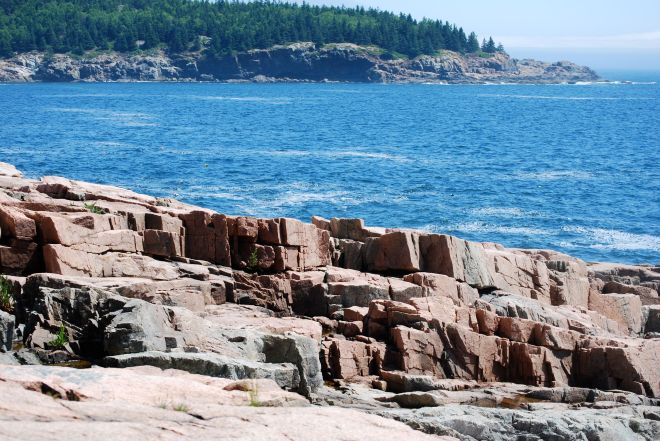
Next, we joined the masses on Park Loop Road, which is said to be the premier attraction. This 20-mile stretch of pavement closely follows the rocky shoreline. Spruce and fir trees sit on dark granite ledges above the crashing white surf below. During the summer, the right lane of the one way road is closed for parking. After finding some shade, we set out on a hike, passing white sandy beaches, quiet coves, smooth and plentiful rocks and lonely ponds.

DSC_0708

DSC_0708

DSC_0708

DSC_0708

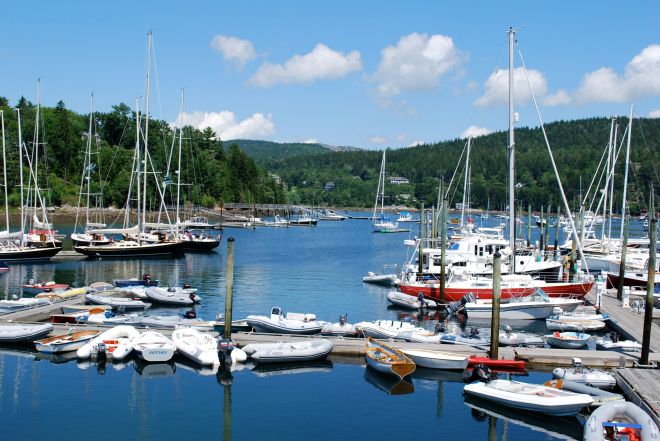
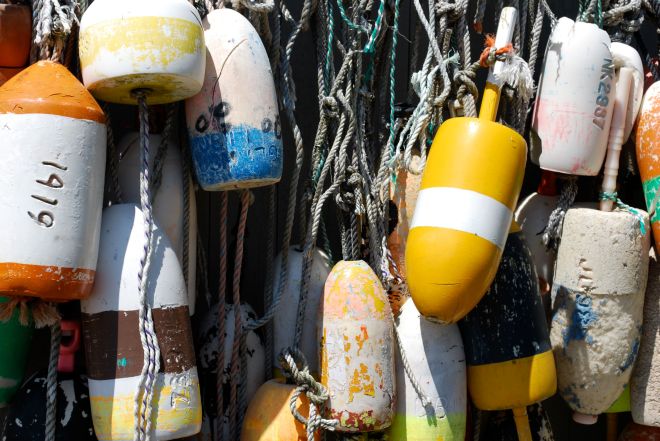
At the end of Park Loop, we exited Acadia and stopped in quiet Northeast Harbor, with its sailboats and colorful fishing buoys.

DSC_0708

DSC_0708

Dinner was at Fore Street, which we agreed is one of our favorite restaurants in the country. The food is all obscenely fresh and in-season; the open-kitchen in the middle of the restaurant is a spectacle; and there’s a vegetable closet. A closet! For vegetables. What.

DSC_0708

DSC_0708

But perhaps the night’s highlight was dessert: a molten bittersweet chocolate torte with a vanilla bean milkshake.

DSC_0708

What a way to end a weekend.