Salty air, foghorns and seagulls

Portland, Maine

Walking down the cobblestone streets of Portland, Maine — salty air in your lungs, foghorns blaring in the distance and seagulls circling overhead — it becomes immediately clear that you’ve stumbled upon the quintessential New England coastal city.

A couple years back, we decided to take a trip up here in January and were met with sub-Arctic temperatures and freezing winds; the salty air was not pleasant to breathe nor did we have much interest in the foghorns or seagulls, or really anything that involved being outside.

Regardless, we had a blast. My assignment for Playboy at Gritty McDuff’s went well; we had a truly locavore dinner at Fore Street and stopped at the 24-hour L.L. Bean Mother Ship in Freeport on the way home.

It’s amazing what a change of seasons can bring.

We drove up from Boston this morning and had a couple of hours in the Old Port. The weather was about as perfect as Maine weather can get as we sat down for lunch at J’s Oyster, an unpretentious place that serves up fresh seafood on the waterfront to a largely local clientele.

DSC_0708

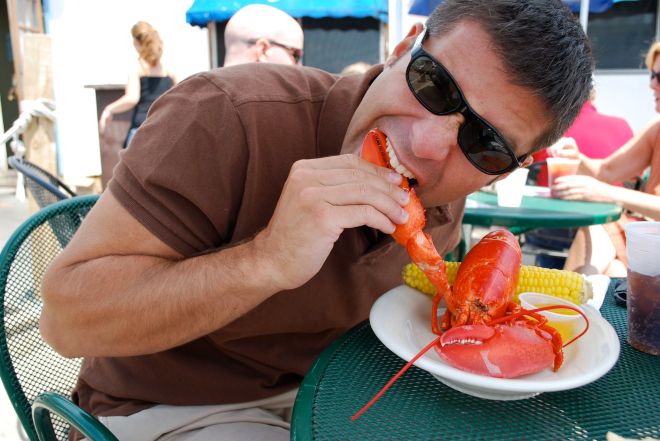
We started with a plate of oysters before moving onto the Maine Event. My 1.5 pound lobster, sweet corn on the cob and cup of butter ($17) was just perfect; Charlotte, preferring not to smell like fish for the remainder of the day, stuck with the lobster roll ($11), which had huge chunks of meat and no gross mayo.
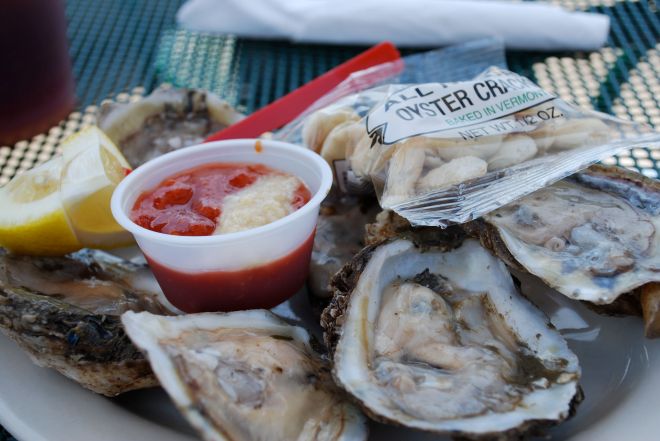
DSC_0708

DSC_0708

DSC_0708

Afterward, we walked around town, passing converted warehouses and eclectic boutiques and shops. Portland has a grungy yet trendy feel to it; the working port is filled with fishing boats returning from sea but a block away are yuppie specialty stores like Stonewall Kitchen.

DSC_0708

DSC_0708

DSC_0708

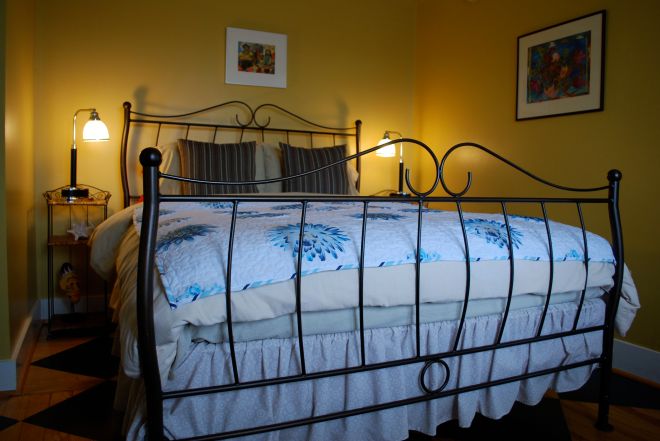
We didn’t have much time and were soon back in the car for a 3-hour drive north to Bar Harbor. Lindenwood Inn, a small b&b in Southwest Harbor, was the perfect place to stay. Friendly owners, a view overlooking the harbor and, most importantly, no floral wallpaper, carpets or curtains that typically make me want to throw up.

DSC_0708

DSC_0708

DSC_0708

Charlotte had booked us tickets for a sunset cruise aboard the Downeast Windjammer. Unfortunately, late afternoon fog prevented much of a sunset, but there was still complimentary wine and cheese, glimpses of the rocky coastal shoreline — and plenty of opportunity to judge all those on the boat with us.
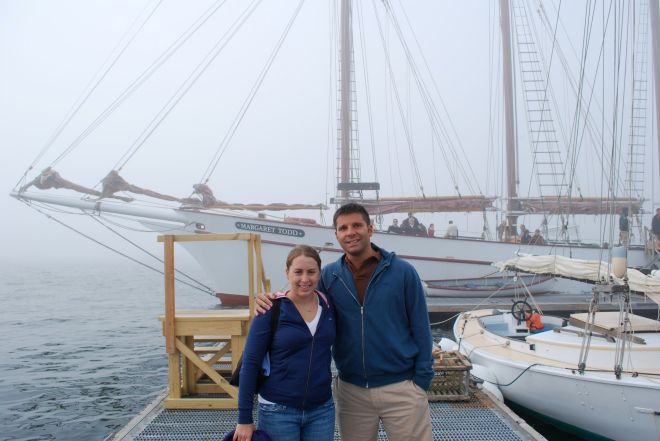
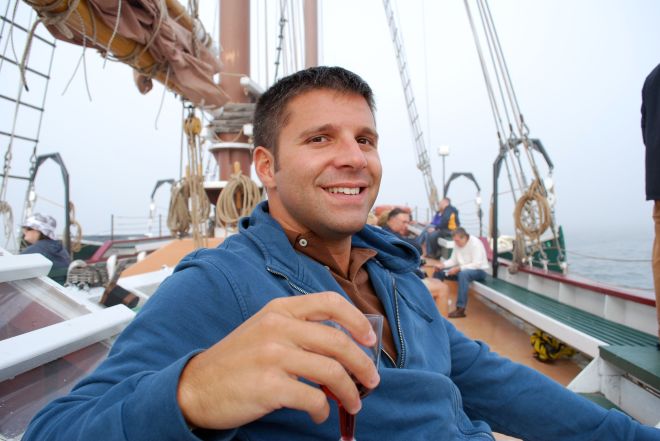
DSC_0708

DSC_0708

DSC_0708

After some hearty clam chowder and pints of Allagash White, we headed back to Lindenwood.
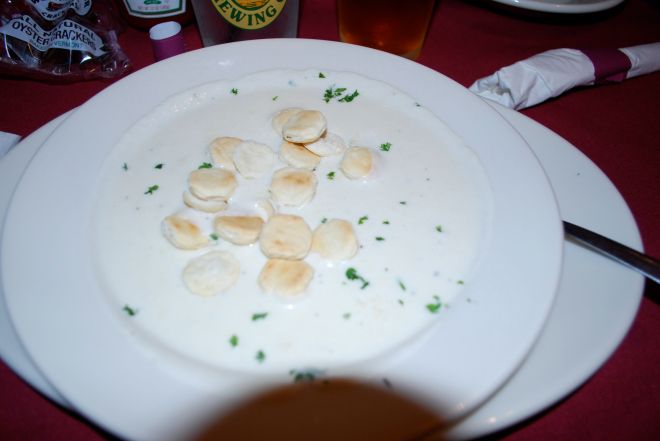
DSC_0708

We’ve got a big day planned at Acadia National Park tomorrow.

A night at the Aloft

Charleston, South Carolina

In my travels, I’ve stayed at five-star hotels in the Czech Republic and no star hotels in Malaysia. I’ve spent nights at geothermal domes in Patagonia, Bushmen huts in Botswana, aboard trains in China and 600-year-old homes in Morocco.

Wherever I’m heading, accommodation is always important to me. It can turn a great destination into a terrible experience and a terrible destination into a great experience. It can help to provide a better understanding of a foreign culture; when alone, it can also foster the meeting of other solo travelers.

The point is, I’m always up for staying somewhere new and somewhere different. Which is what brought us to the Aloft Charleston this evening.

Aloft is the new brand by Starwood Hotels and Resorts. Their hotels are located in less than prime locations — this one was out by the airport, about a 15 minute drive to the French Quarter — and have been positioned to compete with Hilton Garden Inns and Marriott Courtyards. Rates are quite reasonable; our room, with an AAA discount, was $109 bucks.

So, why stay there?

Because Alofts are actually really cool places to stay. The hotel interiors have been designed by David Rockwell, who has also designed Nobu and the JetBlue terminal at JFK. Starwood has marketed the brand as an affordable W targeted at “the person who likes Dwell, fashion and music but doesn’t need to spend $500 a night at a hotel,” according to a senior vice president.

Check-in was quick and easy. There were automated kiosks for those averse to interacting with a human. We had no problem talking to the front desk clerk and were given a room on the first floor. We strolled through the lobby, which had a nice bar, some seating areas and a pool table.

DSC_0708

DSC_0708

DSC_0708

Our room was spacious; a comfortable king bed, a gigantic flat screen on the wall and a nice sized bathroom. There were other less traditional touches — Bliss products, a selection of “intelligent” magazines like the New Yorker and the aforementioned Dwell as well as an ergonomic desk chair and free Wi-Fi.

DSC_0708

DSC_0708

There was also an outdoor fireplace in the courtyard, which was adjacent to the swimming pool and some mid-century modern lounge chairs.

DSC_0708

The view from our room certainly wasn’t the most scenic — the parking lot and neighboring strip mall. But for a night, the price, design and comfort that Aloft offered would be hard to beat.

UPDATE: I’ve just learned that there’s an Aloft Chapel Hill set to open its doors next May.

Eight pictures from the Holy City

Charleston, South Carolina

Charleston is one of those places that draws you back even before you’ve left. Ever since my last visit there in 2007, I’ve wanted to return. There was something about the quaint Southern city — with its historic cobblestone downtown, beautifully restored waterfront, sandy beaches and renowned cuisine (including, SNOB, COAST and Hominy Grill) that kept calling my name.

Then this weekend, the opportunity presented itself. And, unsurprisingly, it was filled with much of the same.

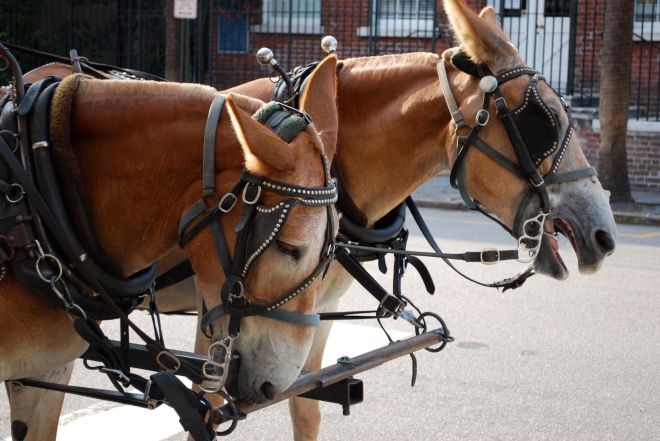
We lounged on Folly Beach and took a day trip to the Isle of Palms; walked past the homes of the shady Battery while horse-drawn carriages overflowing with tourists meandered by; got drinks on the roof of the Market Pavilion; and had some simply delicious meals — gigantic blueberry pancakes at Joseph’s, fresh crab cakes at Fleet Landing and pancetta wrapped grouper at Fig, whose chef, Mike Lata, won this year’s Southeast James Beard award.

All the while, the Weather Gods graced us with temperatures in the mid-80s and next to none humidity. We couldn’t believe it either.

DSC_0708

DSC_0717

DSC_0719

DSC_0708

DSC_0708

DSC_0708

DSC_0708

IMG_0608

It’s safe to say this trip to the Holy City won’t be my last.

Sweet tea, sushi & shirtless karaoke

Ocean Beach, New York

Fire Island, a thin barrier island just south of Long Island, has a permanent population of just 491 people. Each summer, that number swells as tens of thousands of visitors arrive here — primarily by a 25-minute ferry from Bay Shore. This holiday weekend was no exception.

Several buddies of mine rented a house in the largest town, Ocean Beach, this month. Since I’d already planned on returning to New York for the 4th, it was hard to turn down an invite for a long weekend of relaxing on the beach, grilling meat and drinking beers. According to no less an authority than my Mom, this was my second trip to Fire Island. We took a family visit here back in the day. I’ve got a feeling that this weekend was a tad bit different though.

Ocean Beach is a tiny community with one commercial drag of restaurants and bars. No cars are allowed on the island, giving it a relaxed feel, at least until night falls. As would be expected, prices of everything — from Gatorade to toilet paper (essentials) — are astronomical. Houses sit on small lots; our neighbor, who was less than thrilled upon our arrival, quickly let us know that he could hear everything from his living room, about 15 feet from ours.

IMG_0486

Far too much transpired over the next several days to be relayed here. But we certainly had more than our fair share of sushi, sweet tea, shirtless karaoke, encounters with politicians, mermaids and multiple games of Dirty Harry pinball — even a couple of noise complaints.

IMG_0490

IMG_0490

IMG_0535

Which is to say, it was a completely normal weekend.

Spike goes to Rehab

Washington, D.C.

In my several trips to Sin City, I’ve never made it to Rehab, the much-hyped Sunday afternoon pool party at the Hard Rock. Tickets run around $100 bucks a pop but most say it’s worth it.

Perhaps taking its cue from Vegas, the Capitol Skyline Hotel started offering its own scaled-down version of Rehab a few weeks ago. Partnering with Spike Mendelsohn, Top Chef extraordinaire and owner of Good Stuff Eatery on the Hill, the Skyline throws Sunday afternoon pool parties. Doors open at 12 p.m. and admission is $10 bucks, which includes a Spike Cheeseburger. When we got there a little after noon today, the music was pumping and deck quickly filling up. We snagged some of the last chairs and lazed on the bright orange towels.

DSC_0685

This place doesn’t even come close to the atmosphere at Hard Rock but what would you expect? This is D.C. But still, drinks were $5 bucks and there were all these dope rafts to play with.

DSC_0685

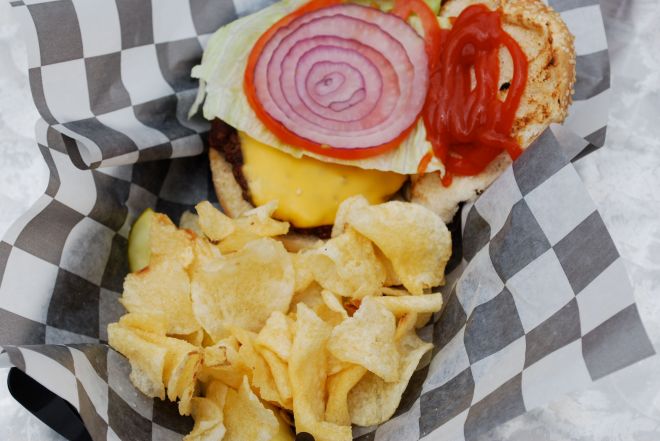
We made our way over to the grill, which was churning out some thick and juicy burgers and crispy chips. Washed down with a Firefly Sweet Tea Vodka, it hit the spot.

DSC_0690

Spike was around most of the afternoon — splitting his time between the grill, talking to overzealous Top Chef fans and lounging on this gigantic floating swan.

DSC_0691

Tough life that he’s got.

Marjorie Merriweather Post was a baller

Washington, D.C.

Charlotte’s time in D.C. is winding down — which means so are opportunities to “play tourist.”

The nation’s capital is rich with free museums, parks and cultural exhibits. Living here for several years, however, it was easy for me to fall into a routine and not take advantage of it all. There was always an excuse: too crowded, too hot, too hungover. Not to say this stopped us from getting out and visiting some of my favorite spots, including the National Arboretum, the Newsuem and the National Archives. (And an insider tour of the Pentagon.)

Add to that list the Hillwood Estate, the former home of Marjorie Merriweather Post, the heiress to the Post Cereals empire. At one point, she was the wealthiest woman in America, splitting her time between Mar-A-Lago, the fantastic Palm Beach property now owned by Donald Trump, and her equally impressive estate in Northwest D.C.

DSC_0674

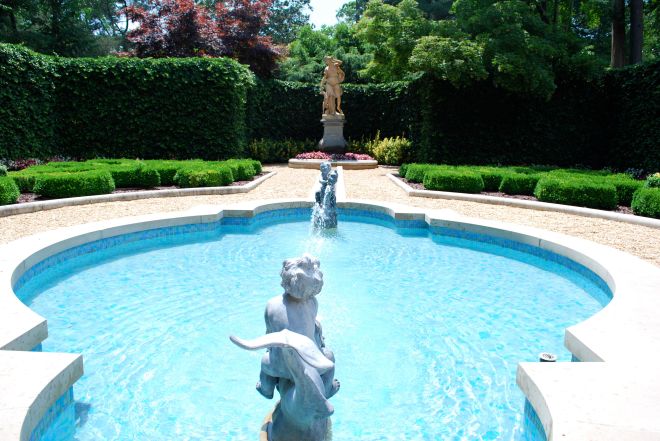
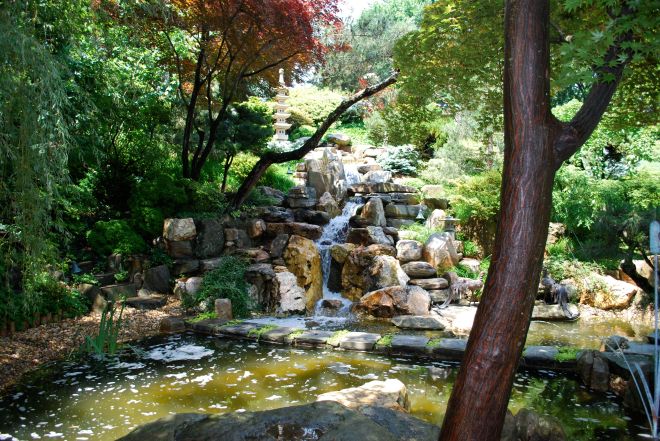
Charlotte’s friend, Laura, works there, so she gave us a private tour of the mansion and beautiful, manicured surrounding formal gardens — ranging from a French Parterre to a Japanese-style with a koi pond and waterfall.

DSC_0674

DSC_0674

DSC_0674

Hillwood has been preserved since Post’s death in 1973. These retro lawn chairs and umbrella from the seventies were especially cool.

DSC_0674

As impressive as the grounds are, Hillwood’s real treasures are inside. It turns out that Post was quite the little art collector. She had her own curator who essentially turned her house into a museum — and, in doing so, helped her amass the most comprehensive collection of Russian imperial art outside of Russia as well as a world-renowned collection of eighteenth-century French decorative art and furnishings.

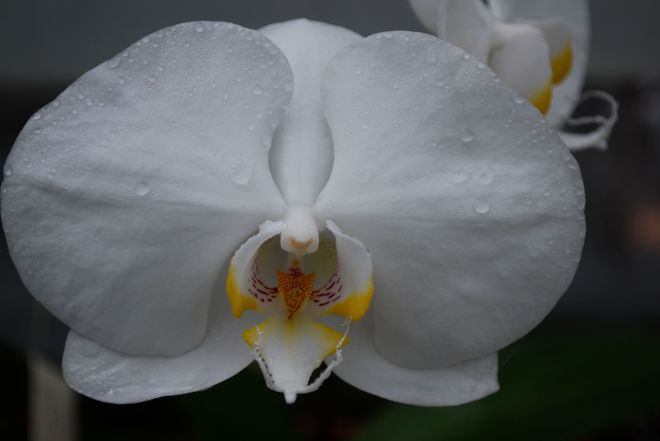
Unfortunately, cameras weren’t allowed inside. But, on our way out, we did snap some photos at Post’s greenhouse devoted exclusively to orchids.

DSC_0674

DSC_0674

Needless to say, this woman did not mess around.

Lounging away a final day

Vilanculos, Mozambique

My final day on the African continent certainly wasn’t my most exciting although it might very well have been the most relaxing.

After breakfast, I grabbed my iPod and book and lounged at the pool for a couple of hours. There wasn’t anyone else there; occasionally, the big bearded owner of Pescador would yell over to me in a heavily accented voice: “Are you good?” Thumbs up.

dsc_0252a

Down the sand road was another small hotel, Casa Rex, that I’d debated staying at. If given the choice again, I’d probably have picked it; the views were even better from the pool and the crab salad for lunch was solid.

dsc_0252a

dsc_0252a

Back at the guesthouse, it was time for me to pack for the final time. Reflecting on the trip, it’s safe to say that this month in Africa has far exceeded my expectations — it’s also been full of surprises. What we hear about this continent from the western media doesn’t tell the whole story. It isn’t just disease, war and starvation. Africa is a remarkable place with remarkable people. And I’m already looking forward to my return.

My 32-hour, 10,000 mile journey back to Carolina, via Johannesburg, Dakar and New York, departs tomorrow at 2 p.m.

There are other tourists in Mozambique!

Magaruque Island, Mozambique

After 48 hours of not coming across a single other tourist in the Bazaruto, you could imagine my surprise upon seeing several other dhows moored at the island of Magaruque this morning. Others knew of this tropical paradise? Gasp!

dsc_0252a

This was the most popular day-trip destination, Dumas, my guide explained, as Magaruque is the island closest to Vilanculos. Magaruque was small but gave everyone visiting plenty of room to swim, snorkel and walk its quiet shores.

dsc_0252a

dsc_0252a

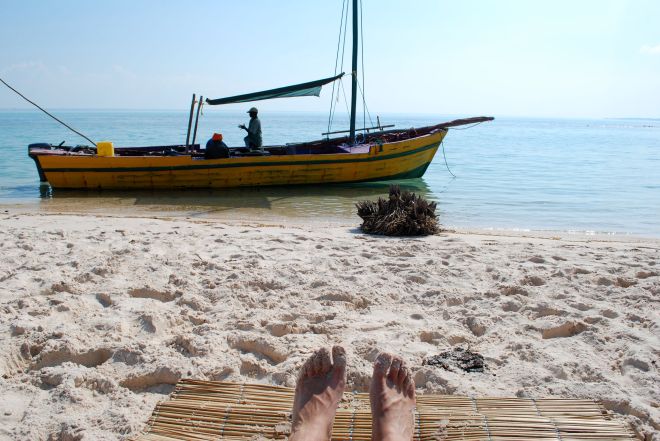
Much of my time though was spent snoozing away in the sun while my crew did the same.

dsc_0252a

Manuel cooked up a wicked good lunch, a calamari pasta and crab salad. It was a fitting final meal on the boat.

dsc_0252a

A little after 2 p.m., we set sail for the return to Vilanculos, arriving about 90 minutes later. We unloaded the boat and said goodbye. Back at the office, SailAway’s owner, David, asked me how the trip was. “Amazing,” I said. “The crew treated me like I was the only one there.” He laughed.

Back at Pescador Guesthouse, a big surprise — another guest had arrived, a solo traveler from London. At dinner, we shared a glance. Like we had both managed to stumble upon a tropical paradise that few had yet to discover.

Solitude in the archipelago

Benguera Island, Mozambique

Talking with the crew last night helped give me a better understanding of Mozambique and its past. The country was completely ravaged by a civil war that ended only 15 years ago; those who were raised during this time — like my captain, Manuel — were not able to go to school and, as a result, now speak only fleeting English. Perhaps the war’s only saving grace (if it could be called one) is that the fishing industry came to a standstill, resulting today in some of the world’s best marine wildlife. It is hoped that this will attract tourists like me and drive Mozambique forward.

It’s interesting and a bit unexpected to be in an African country where not everyone speaks English. Mozambique is one of the few in Southern Africa that wasn’t a British colony; instead, it was under the rule of Portugal. The language, coupled with a multiethnic, spicier cuisine, gives this place an exotic feel.

But Mozambique is also one of the poorest countries in Africa, and consequently, the world. The war demolished entire industries and the country has been slow to rebuild them. Unemployment is high and for those who do work, monthly salaries average 2000 meticais, or about $80USD. The country is now banking largely on tourism to aid in growth.

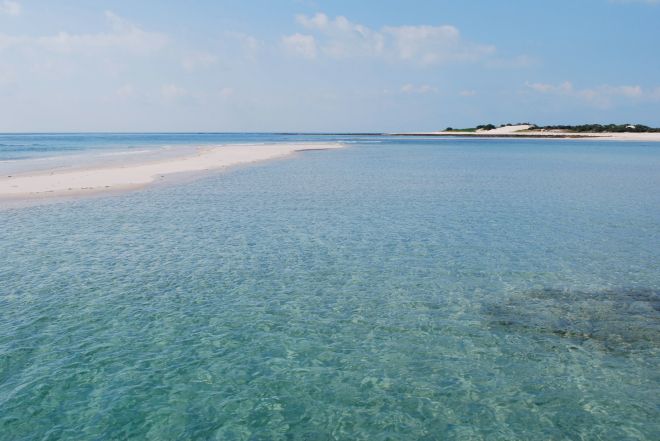
After an omelet, fresh fruit and some coffee on the boat, it was off to our second island destination, Benguera. En route, we discovered a pristine white sand barge. “We’ve never been,” my guide, Dumas, said. “Do you want to go?” Of course, I replied.

dsc_0252a

Walking through this deserted island, with its small inland sea; sitting on a piece of driftwood, staring out at sea; this was relaxation at its finest.

dsc_0252a

dsc_0252a

dsc_0252a

Suddenly, a small boat of fishermen came ashore, hauling in a huge net and solid catch. Besides my crew, they would be the only other people seen today.

dsc_0252a

dsc_0252a

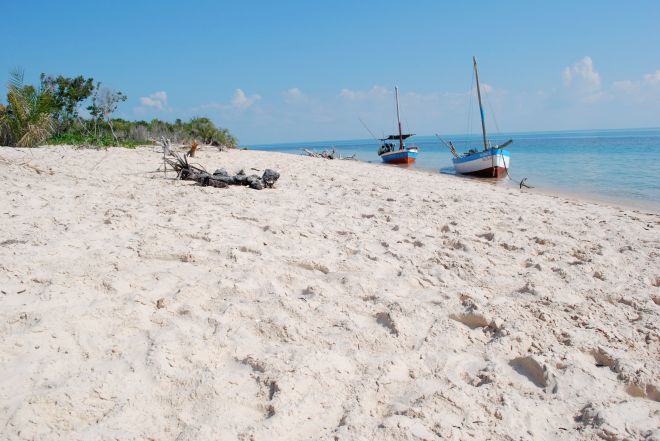
After some time on the sand barge, we sailed to Benguera Island, which was apparently inhabited, although we didn’t see anyone there. The boat dropped me off, allowing me to walk the beach at my leisure and snorkel some reefs.

dsc_0252a

dsc_0252a

Back on board, we set sail for camp. Along the way, Manuel, our cook, bought some crabs and calamari from local fishermen for dinner.

dsc_0252a

dsc_0252a

The rustling of palm trees and light crashing of waves rocked me to sleep.

Chartering a private sailboat

Bazaruto Island, Mozambique

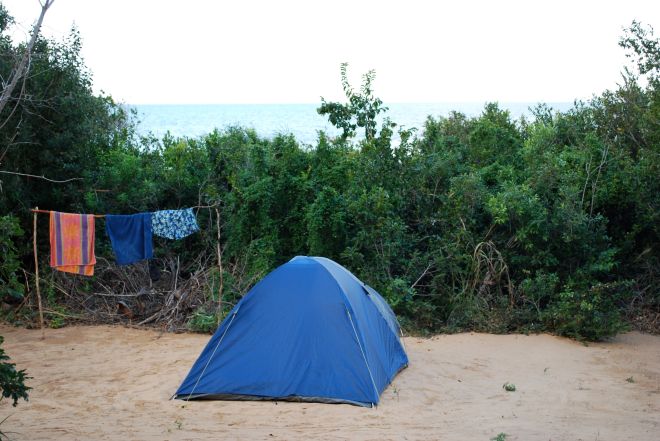
My plan today had been to join a 3-day dhow safari with SailAway which would take me to the offshore Bazaruto Archipelago, a chain of five nationally protected islands off of the coast. Because of a high income-low impact development approach to tourism, the accommodation options on the islands are limited and quite expensive. SailAway provided an alternative — an opportunity to visit them aboard a dhow, a traditional sailboat, while camping out.

This morning, David, who runs SailAway told me that the group of three other guests that were to join the trip had their passports stolen and would now be unable to go. “I’m not going to cancel the trip,” he said. “The boat is yours.” The bad luck of others had become my good fortune; I’d have the dhow at my disposal, along with the three-man crew.

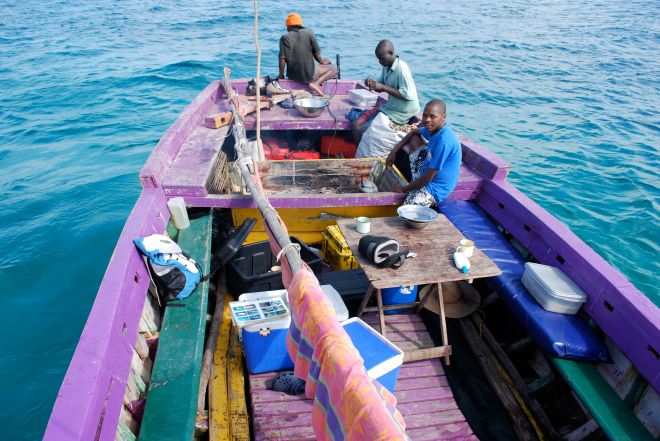
The captain, Manuel, led me down to the vessel — and while it certainly wasn’t luxurious, it was comfortable. There was a place to store my bags in the front, benches running along the sides, coolers for the food and water and a firebox for cooking in the back.

dsc_0252a

The cook, also named Manuel, used some charcoal to get a fire started and put a kettle on while my guide, Dumas, talked me through our itinerary.

dsc_0252a

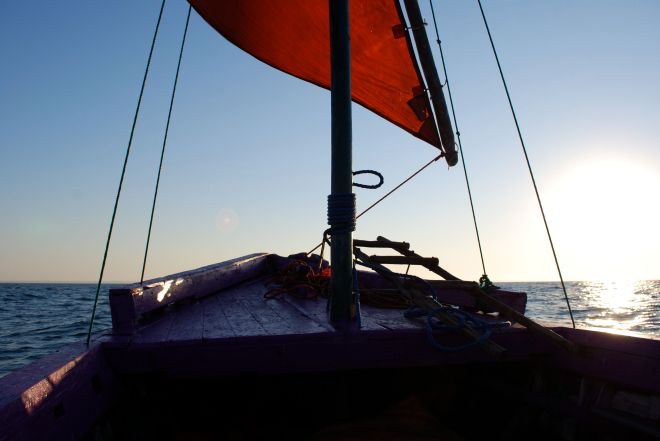
With the sails up, we headed north for our first stop, Bazaruto Island. It was a scenic trip out there with dolphins following alongside the boat. We even spotted a dugong, this cool sea mammal unique to the area. The island itself felt completely deserted; on our beach, there was no other sign of life except some sand crabs.

dsc_0252a

dsc_0252a

There was a tremendous dune further down the beach. From the top were views out to sea as well as the lush inland.

dsc_0252a

After lunch back on the boat, we made our way to Two Mile Reef, which has the best snorkeling and diving in the area. Somehow, there wasn’t a single other boat or person there. Below water, colorful schools of fish darted among the coral, eels lurked in crevices and a gigantic sea turtle searched for food. My camera didn’t come down, so here’s a boring photo of the reef from the boat.

dsc_0252a

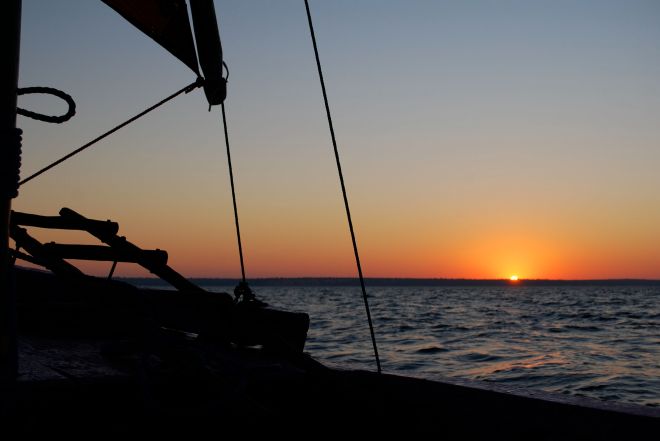
With the sun starting to lower in the sky and our first day coming to an end, the sails were raised and we made our way to camp.

dsc_0252a

dsc_0252a

Manuel grilled some freshly caught paragosan fish for dinner. We had a couple of beers around the campfire before heading to bed.