A Croatian paradise

Day 21
Hvar, Croatia

We got up before dawn this morning — likely while many back home were just hitting the sack — for our high-speed Krilo ferry. About an hour later, after some initial fog had burned off, we arrived in Hvar, which fulfilled its sunny skies promise. As cafes set up outdoor seating and fishermen prepared their boats, we walked around this 13th century town that recently has been transformed into a swanky destination for international jetsetters.

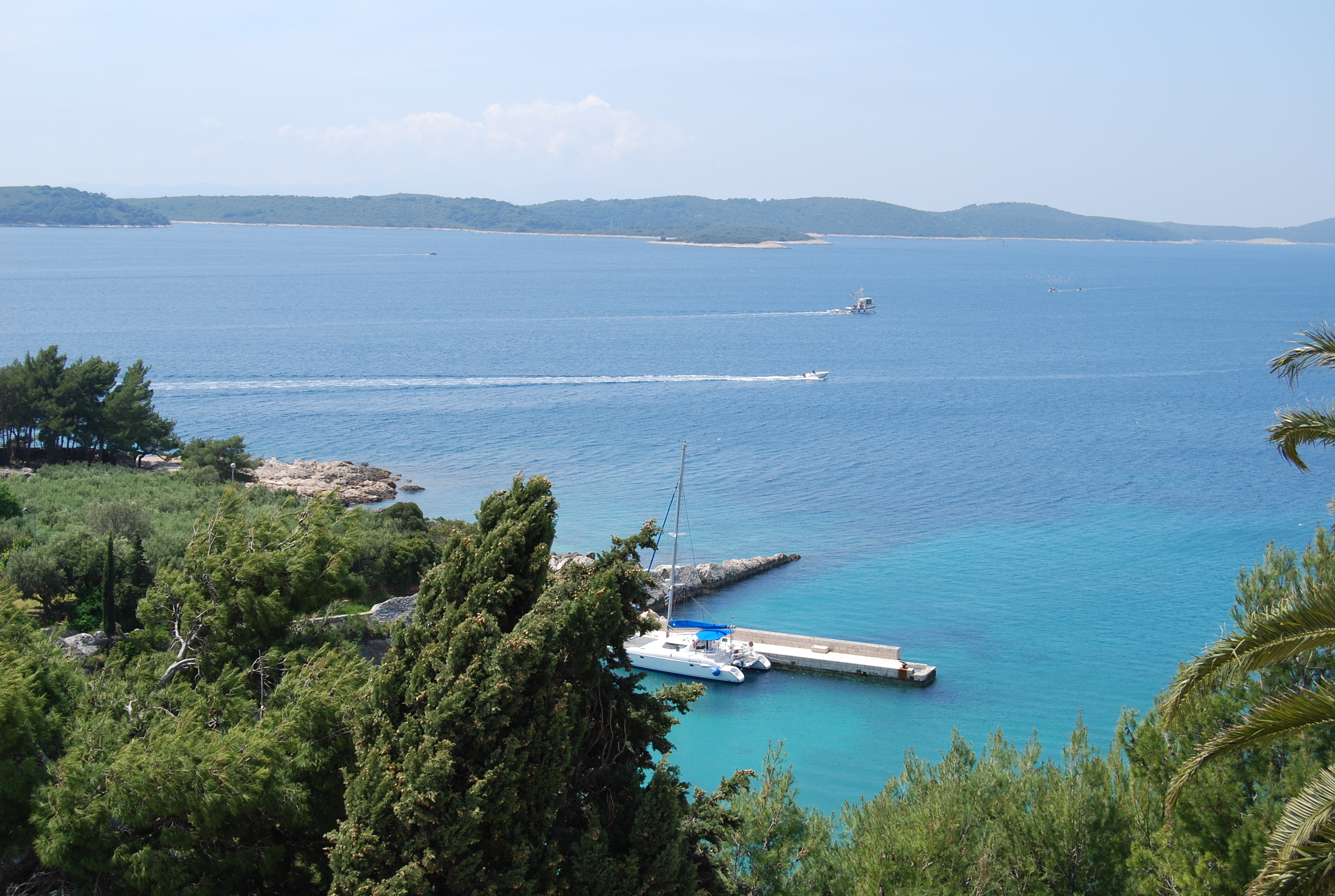
We’re staying in a spacious top-floor two-bedroom at Apartments Milicic, about a 10-minute walk from town along a seaside promenade. Its patio offered a great spot to lounge, take in the lush scenery of a nearby cove and recover from the early start.

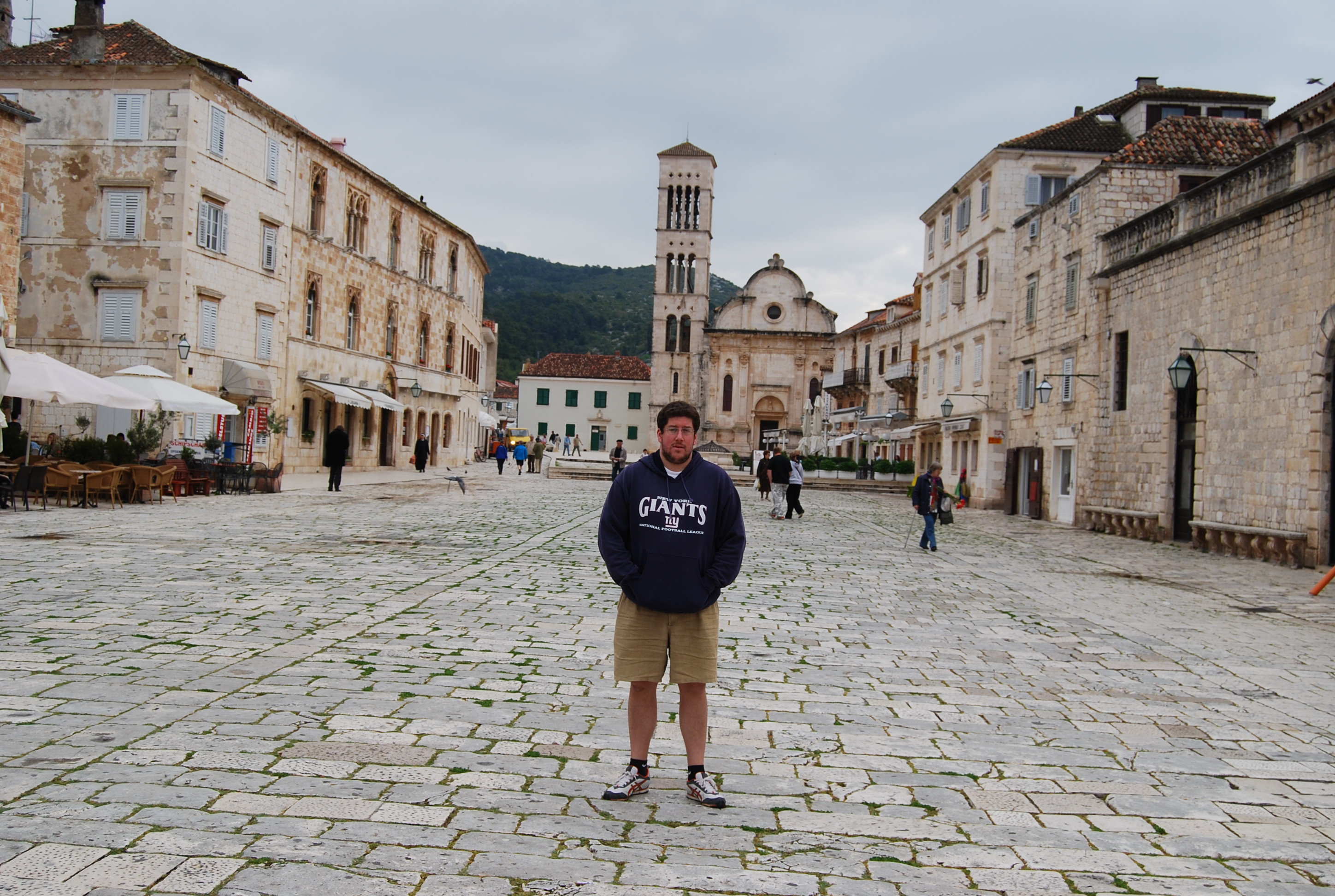
Afterwards, we headed into town, which is so small that its streets don’t even have names. We had a cup of coffee and a pastry at a café on the marble-paved main square, the Trg Sveti Stjepana, which, at 4,500 sq meters, is one of the largest old squares in Dalmatia. More remarkably, we learned, it was formed by filling in an inlet that once stretched into the bay.
Feeling particularly motivated, we next hiked to the top of the Fortress Spanjol citadel, built to defend Hvar from the Turks. It offered a great panorama of the harbor far below.

Back in town, and with temperatures creeping up, the crowds of yachts and sailboats began to fill the small harbor.

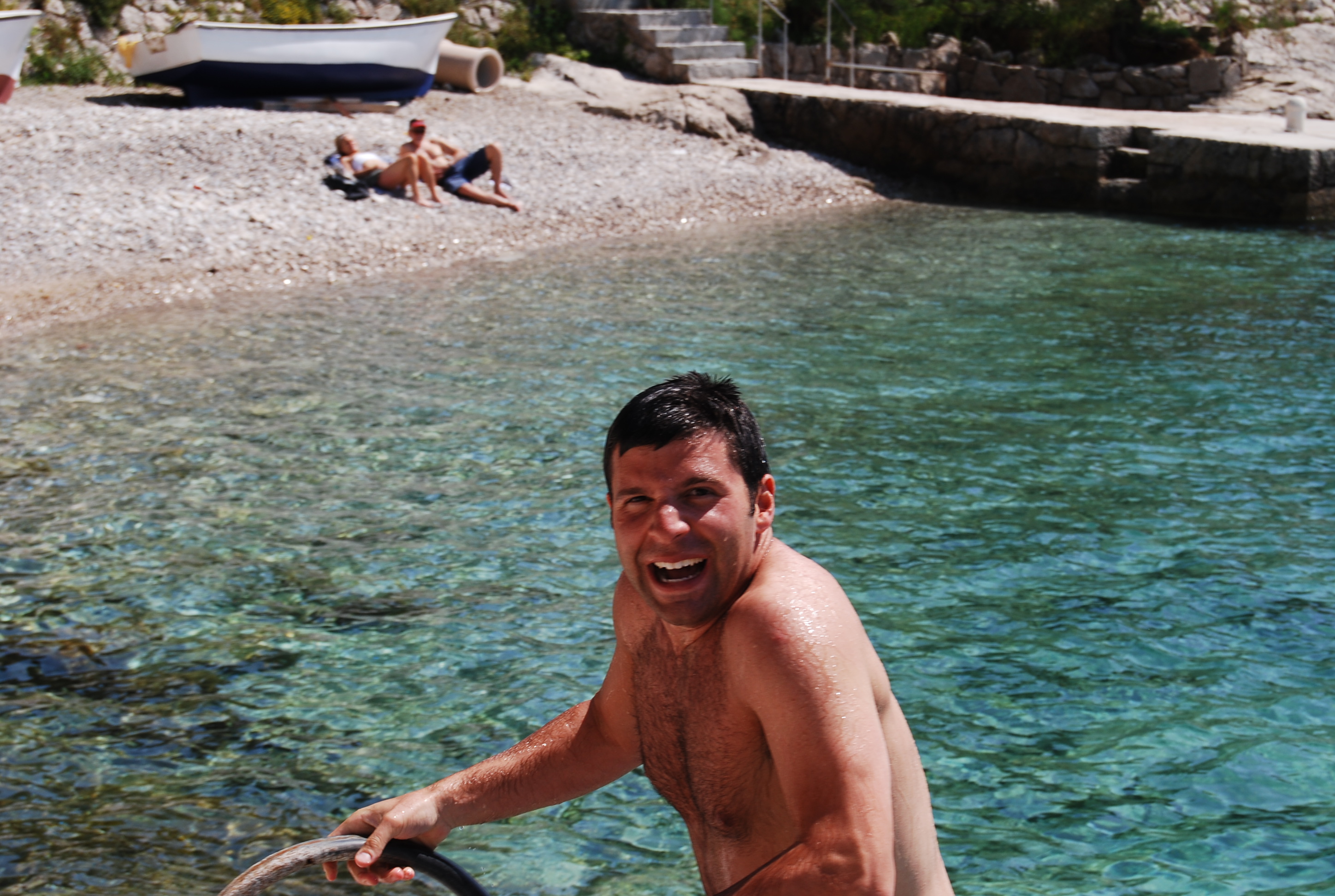
We spent the rest of the afternoon lounging down at the rock and pebble beach below our apartment. Soon enough, the chilly Adriatic was calling our names and we took a dip.

At a refreshing 16 degrees celsius, we didn’t last very long though.
Tonight, we don the trendy gear and hit the town. It’s likely we’ll have a late start tomorrow morning.
Modern day Marco Polos

Day 20
Korcula, Croatia

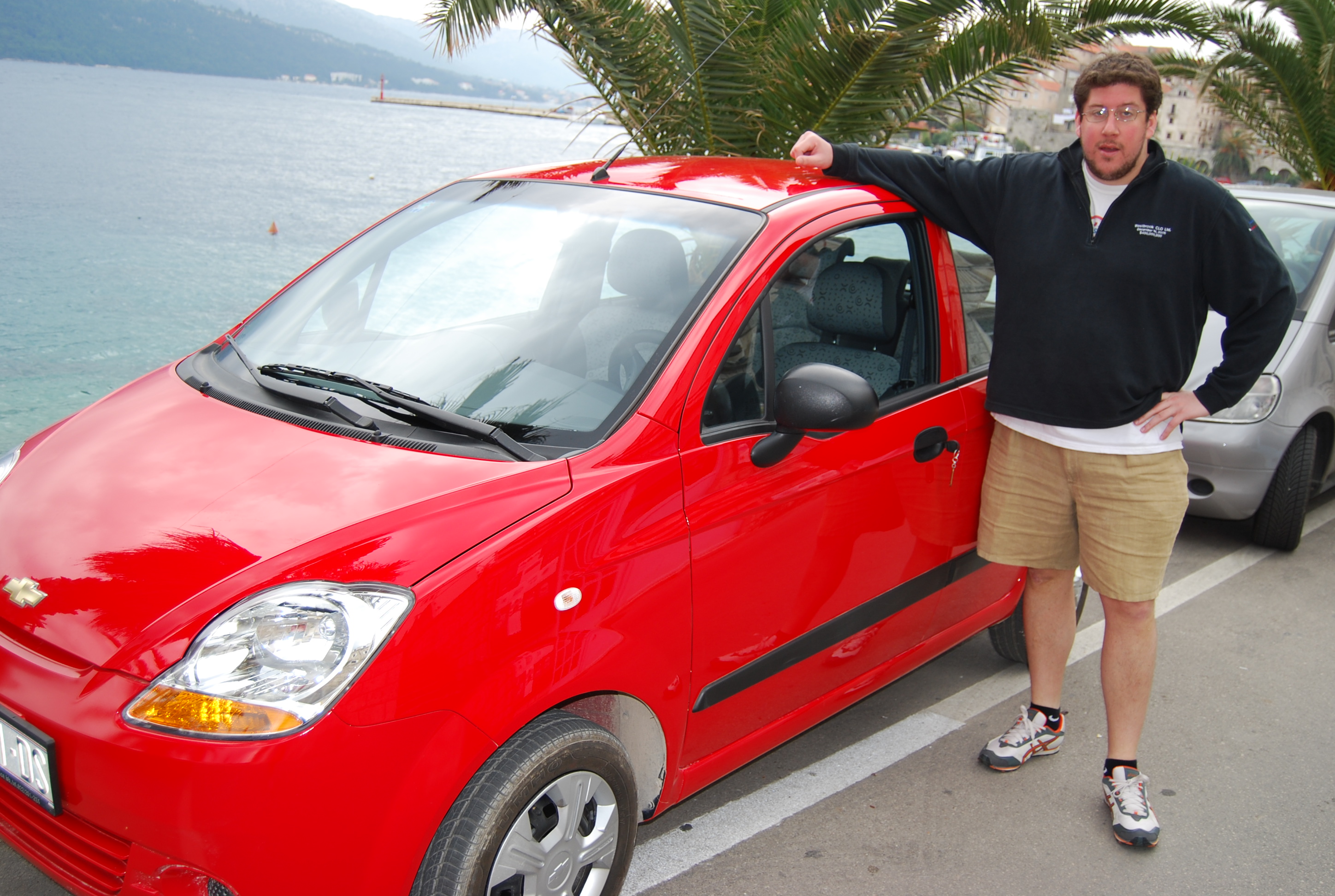
Local legend is that Marco Polo was born in this town in 1254. Because of this, it seemed appropriate enough that today we set out to do our own exploring of an unfamiliar land. Our mode of transportation was a bit different than Polo’s grand vessels — instead, we secured an amazing, American-made, Chevrolet Spark. With Burt at the wheel, and me as his first-mate (helping to direct us through the island’s maze of six streets and about as many FM radio stations) we set out to see Korcula with no real plan.

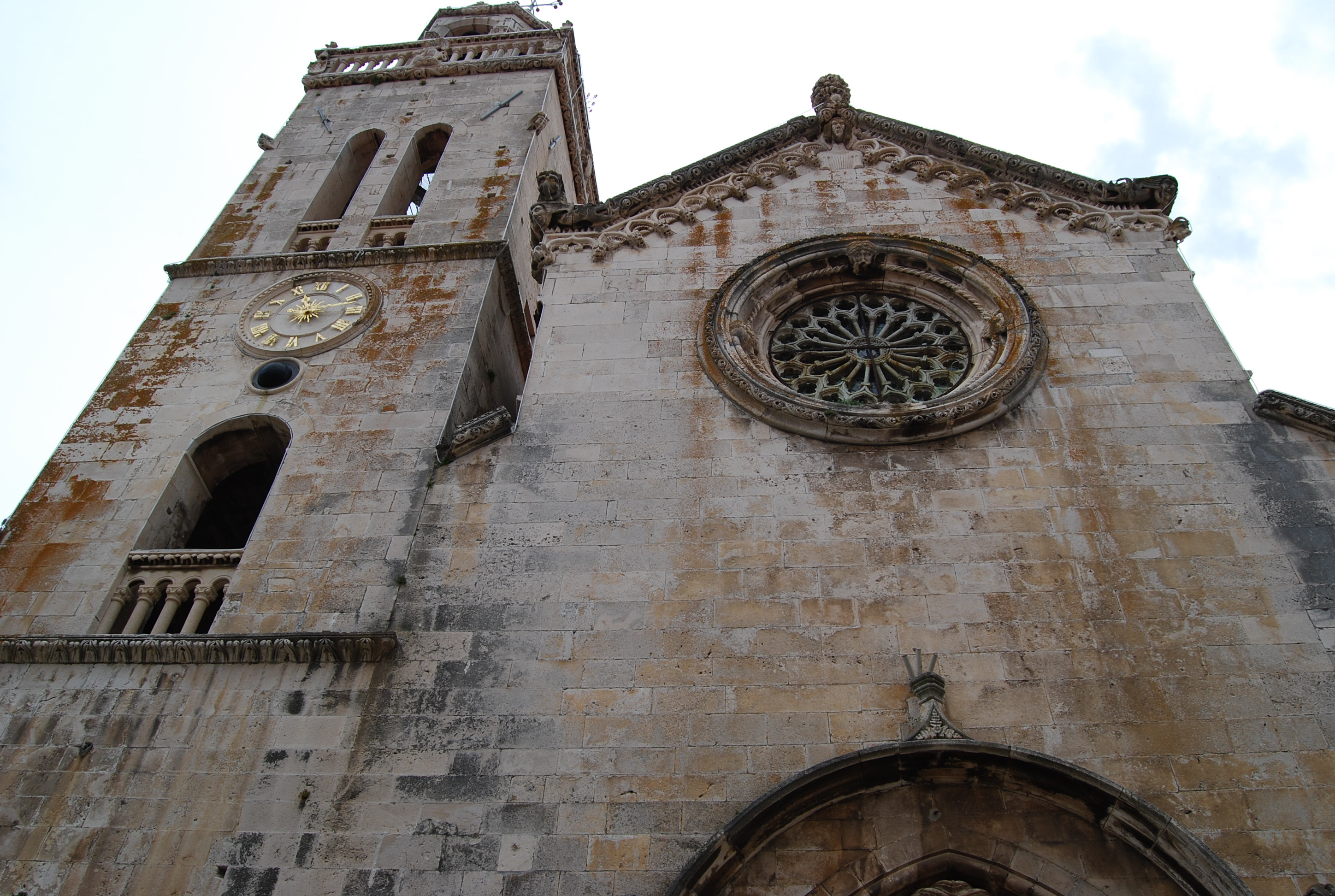
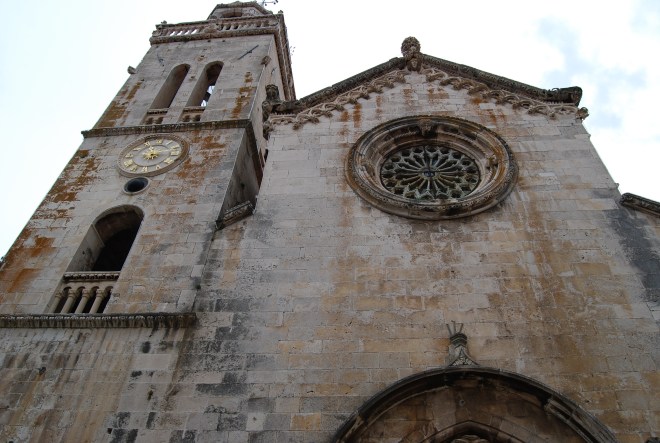
Under partly cloudy skies, we first visited Korcula Town, the most populous city with about 3,000 residents. It’s a peaceful medieval Dalmatian town, with grey-stone houses nestled along the crystal clear waters of the Adriatic Sea. The highlight is St. Mark’s Cathedral, built of Korcula limestone in the 15th century by Italian and local artisans.

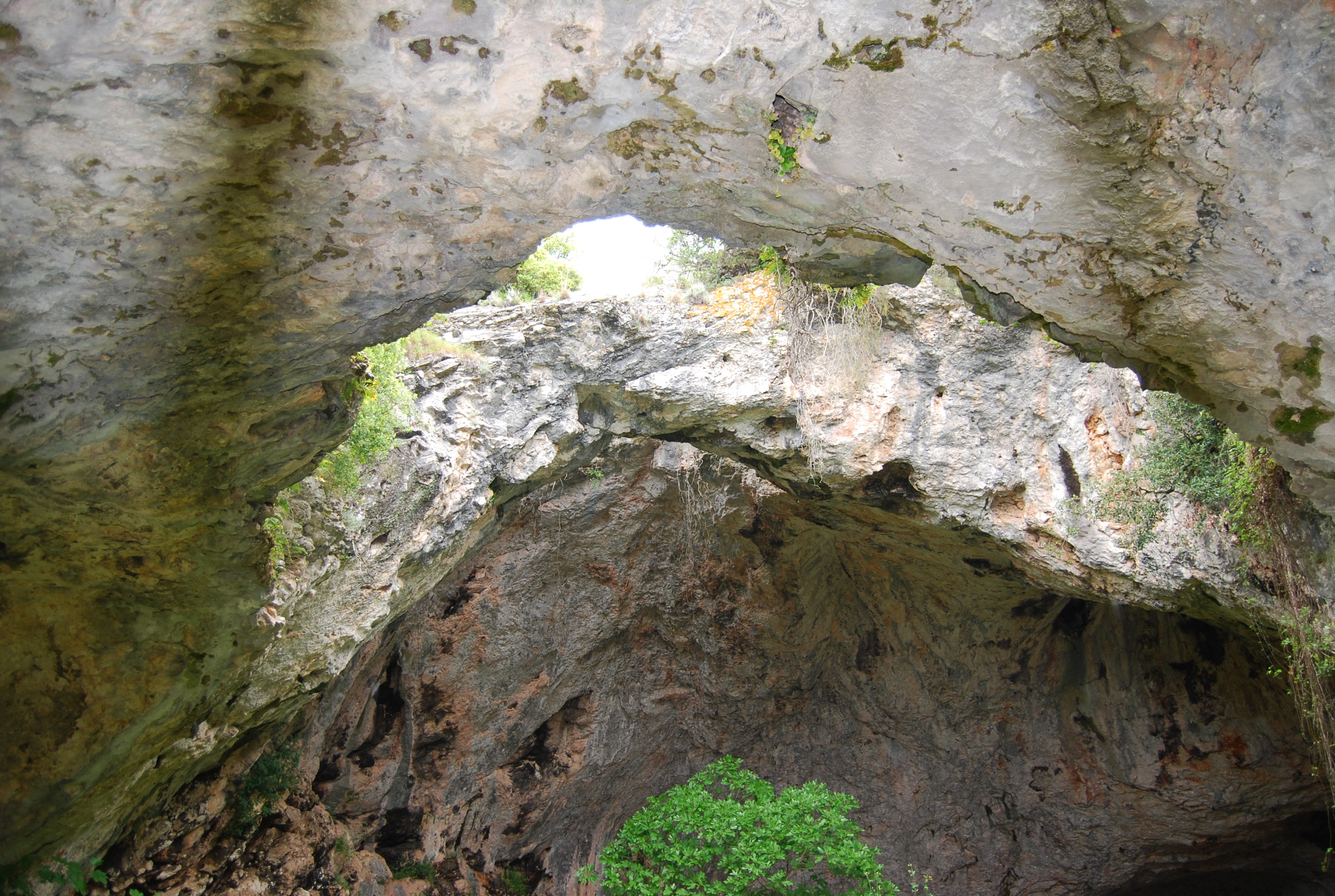
Afterwards, we hopped in the Spark and hit the road. Korcula Island is only about 47 kilometers wide, so our first destination was Vela Luka, on the other coast. Well known for its olive oil, we stopped at an Italian restaurant for some lunch, and then headed for Vela Spilije — or, as the signs correctly described, the “Big Cave.”

The windy roads along the coast brought us back east, through Blato, Prizba, Brna and Smokvica. These are small towns, tucked into hillsides and built in the traditional Dalmatia style, with stone walls and orange tile roofs. We pulled over in Cara, best known for Croatian wine. The friendly proprietor at Bona – Kapjica invited us into his home to try some of the wine and grappa that his family has been producing for generations.

Tired from the day’s driving and with the skies opening to rain, we made our way back to Korcula Town, where we learned first-hand how expensive gas in Europe really is. We leave at 6 a.m. tomorrow for Hvar — the sunniest city in all of Croatia with 2,724 hours of sunshine each year. Let’s hope that includes our next 48 hours there.

The winds of Korcula

Day 19
Korcula, Croatia

We arrived here after a 3-hour bus and 20-minute ride aboard the Sveti Krsevan Rijeka ferry. Our accommodation for the next two nights is at Apartments Depolo, in the residential neighborhood close to the Old Town of Sveti Nikola. It’s a really nice place (Japan’s ambassador to Croatia is in the room next door), and, as in Dubrovnik, the patio offers some great sunset views.

Our initial impression of Korcula: it’s windy. In fact, this town’s streets were cleverly designed — those that run west are straight in order to open the city to the maestral (a strong, refreshing wind) while those that run east are partly curved to minimize the force of the bura (a cold wind from the northeast).

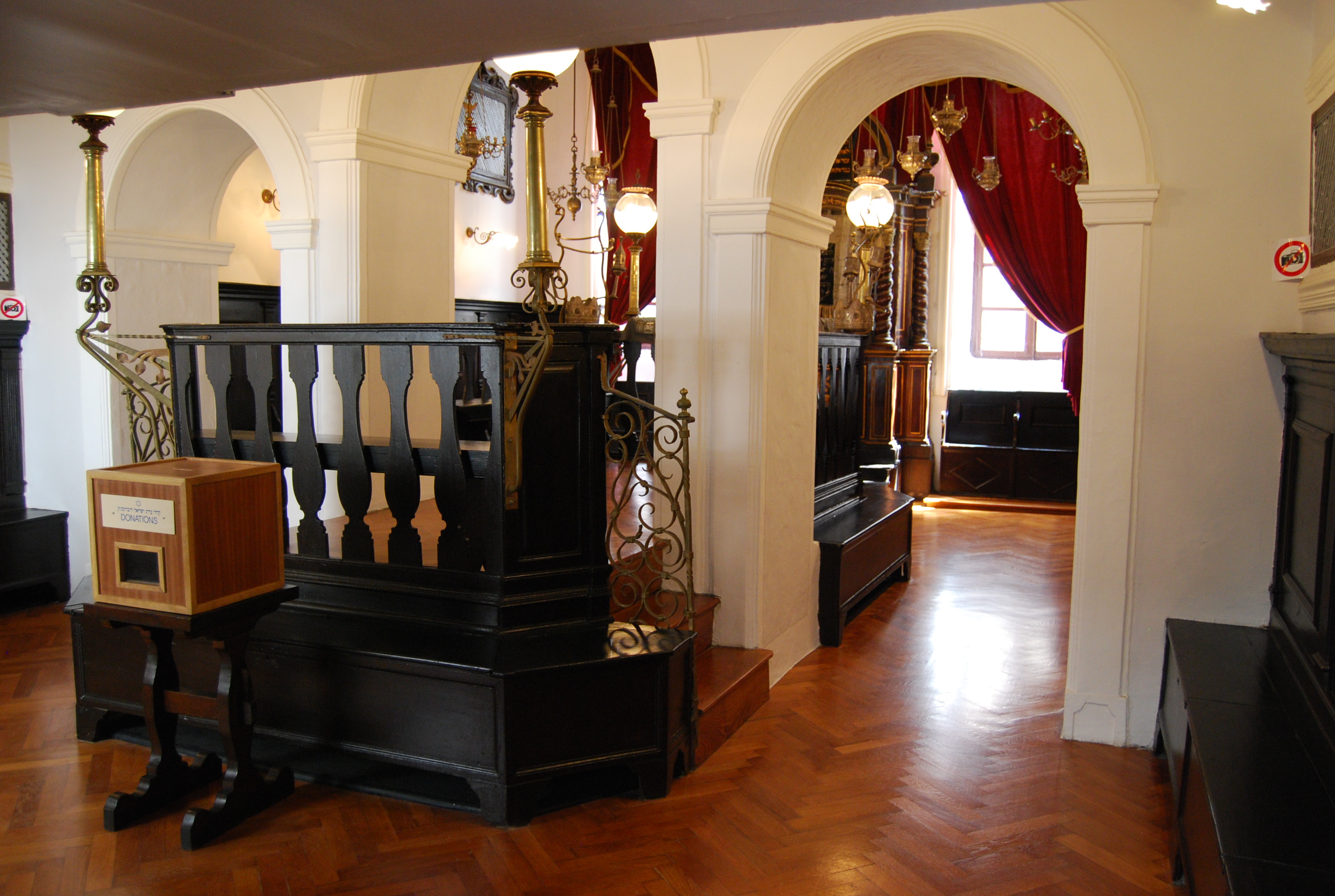
Earlier today, we visited two last sights in Dubrovnik. Our first stop was the city’s 15th century synagogue, which is the oldest Sephardic and second-oldest synagogue in all of Europe.


Afterwards, we walked to the top of the Lovrjernac Fort, which protected the western end of the city and offered some last views of the walls.

We’re off to get dinner at a local restaurant that specializes in Croatian food. Tomorrow, we rent a car to explore the island of Korcula.

Spotting Dr. Z in Dubrovnik

Day 18
Dubrovnik, Croatia

It was a beautiful day to hit the water, with partly sunny skies and temperatures hovering around 20 degrees celsius. We boarded our boat, the Gospe Od Karmena, at around 11 a.m. and set out for the Elafiti Islands.

First, we were treated to some spectacular views of the Dubrovnik walls from the sea.

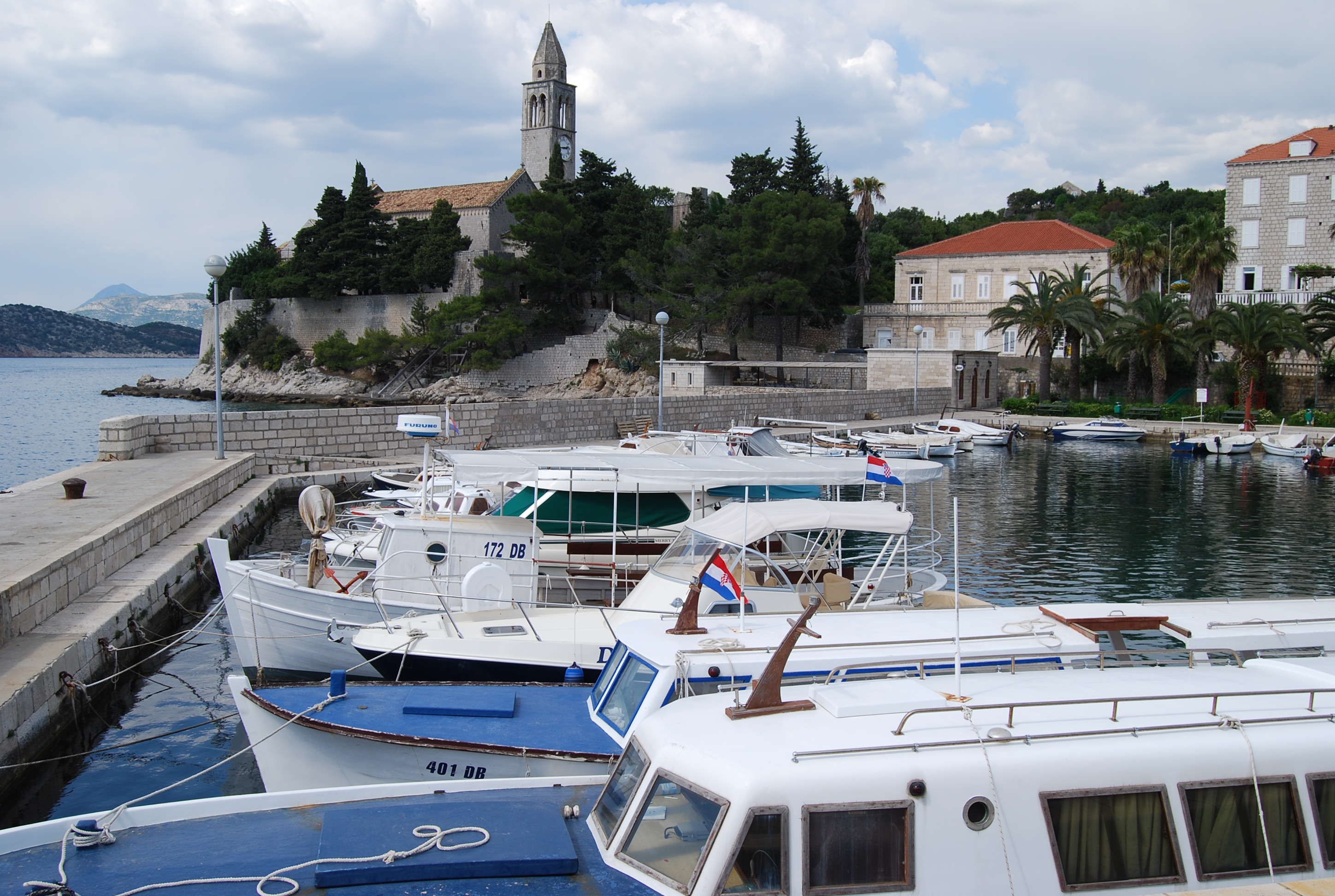
After a grilled fish lunch (prepared deliciously with olive oil, salt, garlic and rosemary), we visited Kolocep, Lopud and Sipan, none of which could have had a permanent population of more than a couple hundred. The islands are mostly quaint fishing villages, with sand-and-pebble beaches, olive groves, lemon and orange orchards and forests of old pine trees. As you can imagine, there were plenty of sights to see, like …

Monasteries and churches dating back to the 15th century:

Ancient (yet still amazing) Soviet-era cars:

And, apparently, some Italian tourist who looked exactly like my Dad:

We’re heading out for Italian food tonight. Tomorrow, we travel from Dubrovnik by bus and ferry to the island of Korcula.

Walking the walls

Day 17
Dubrovnik, Croatia

After Burt arrived this morning (with Rangers playoff beard and no ATM card) via Dublin, we set out to see and experience this small but beautiful coastal city. Everyone say hi to Burt!

Luckily, there was only one cruise ship in port today (once June rolls around, that number can jump to 4-5) so there weren’t too many tourist hordes to get trampled by. We started at the Old Town’s Pile Gate, built in 1537. Originally, we learned, the gate’s drawbridge was closed every night — and the only key handed to the prince.

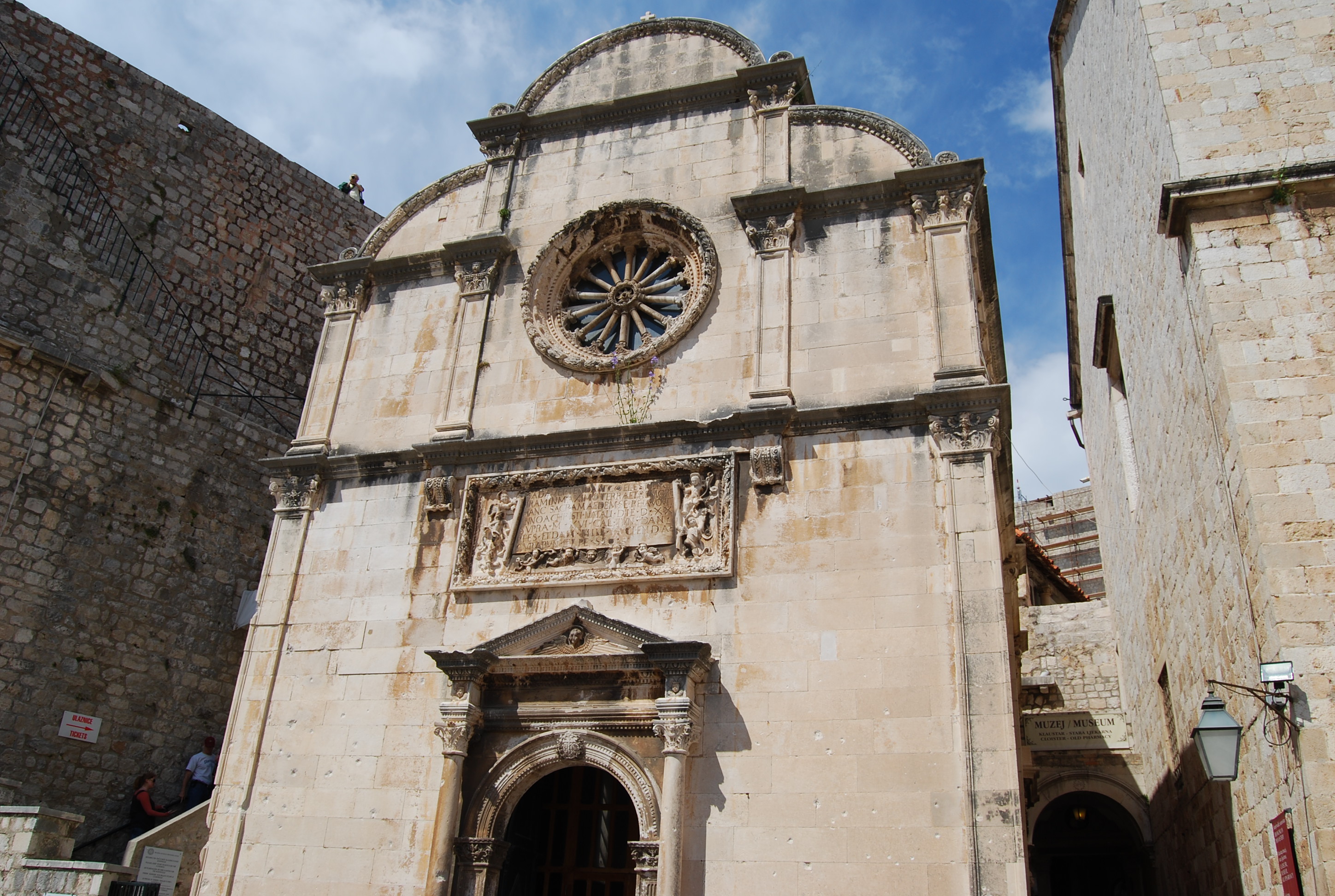
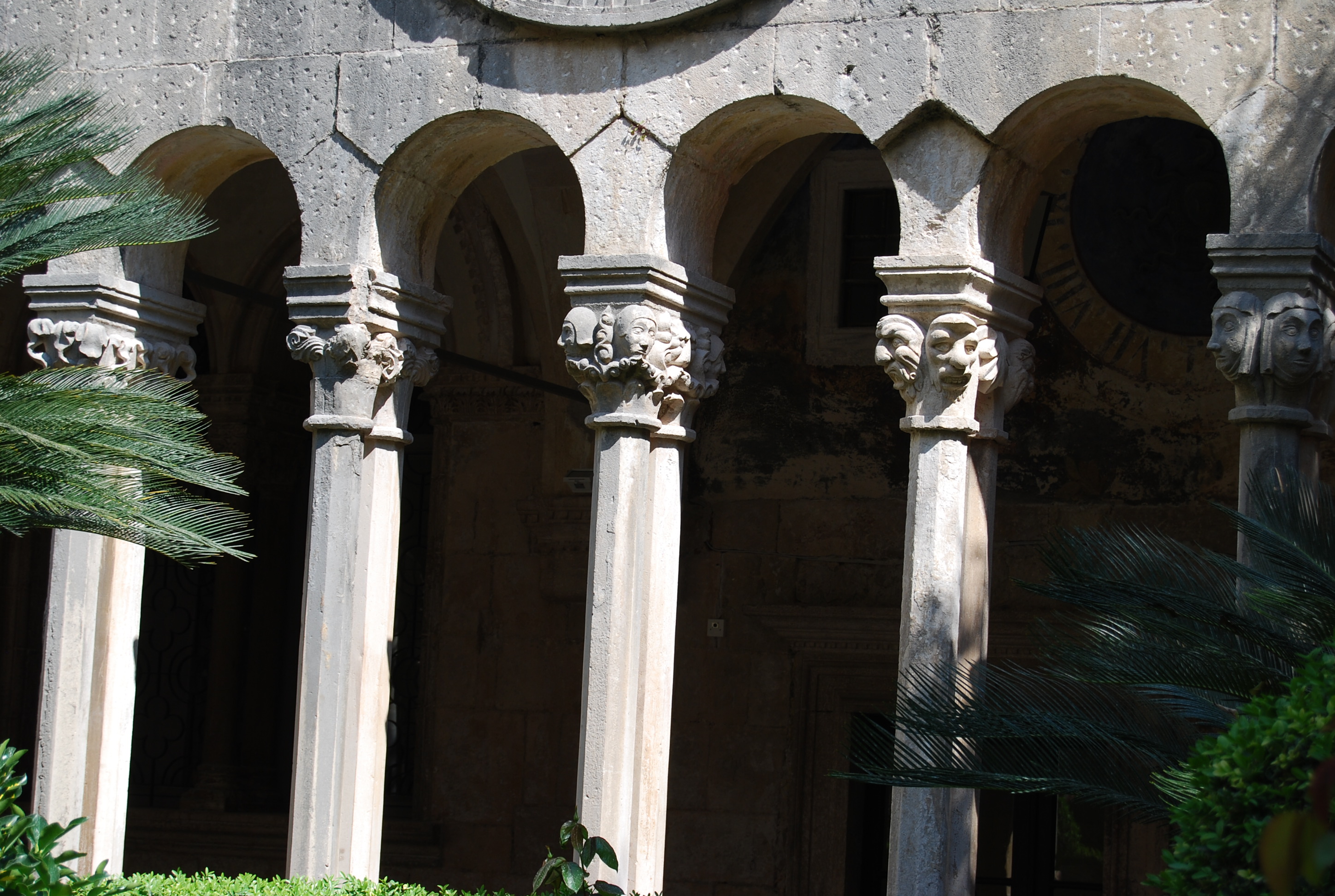
Our next stop was the Franciscan Monastery — inside is the mid-14th-century cloister with what are said to be some of the most beautiful Romanesque structures in Dalmatia.

We again walked the main drag (Placa), stopping for some gelato and people watching. Afterwards, we visited the Sponza Palace (which now houses one-thousand years of archives) and the Rector’s Palace, which was home to Dubrovnik’s elected governor — who was not permitted to leave the residence during his one-month term.

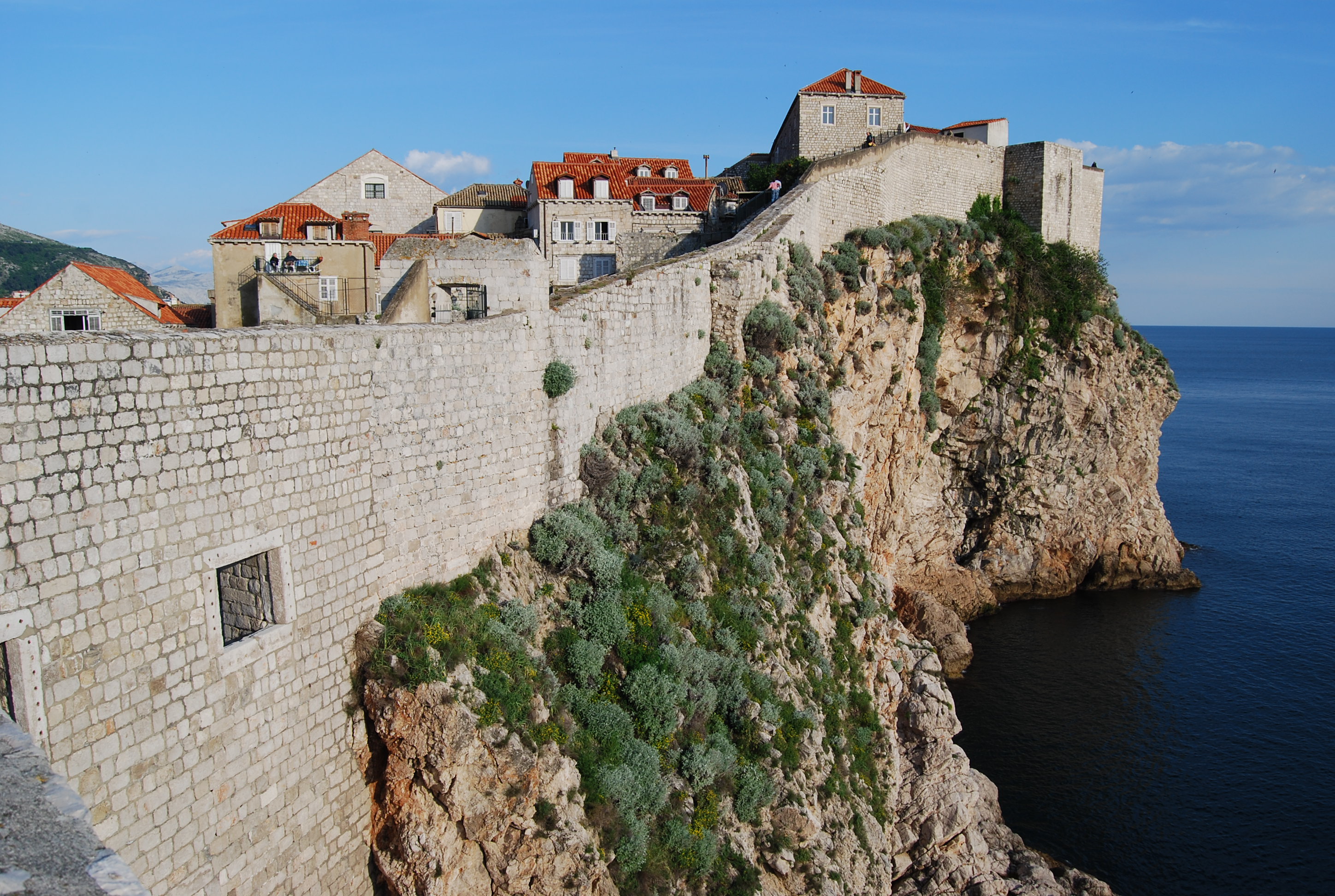
As the sun set on the horizon, we walked the famous city walls, built between the 13th and 16th centuries. The threat of attack from the Turks was very real during this time – so much so that the walls are up to 6 meters thick and 25 meters high. They were protected by 15 square forts, like the Minceta Tower and Lovrjenac Fort, that offered commanding views up the mountains and out to sea.

Tomorrow, we board the Adriana Cavtat to explore the Elafiti Islands of Kolocep, Lopud and Sipan.

The Pearl of the Adriatic

Day 16
Dubrovnik, Croatia

My third flight this morning brought me to my third country on my trip around the world. Wheels were up from Barcelona on Iberia flight 1312 at 12:26 p.m. and we touched down in Dubrovnik about 2 hours later. Dubrovnik is a town of about 50,000 on the southern Dalmatian Coast that has a history dating back to the 7th century.

My short transfer from the airport brought me to the wonderfully located apartment that I’ll be staying at for the next three nights. The owner, Ivan Kalas, showed me around the orange groves and gardens of his home before explaining that the roof top patio of my apartment was completely demolished by a mortar during the shelling of this city in 1991. It has since been entirely rebuilt and, today, might offer one of the best views of the walled Old Town.

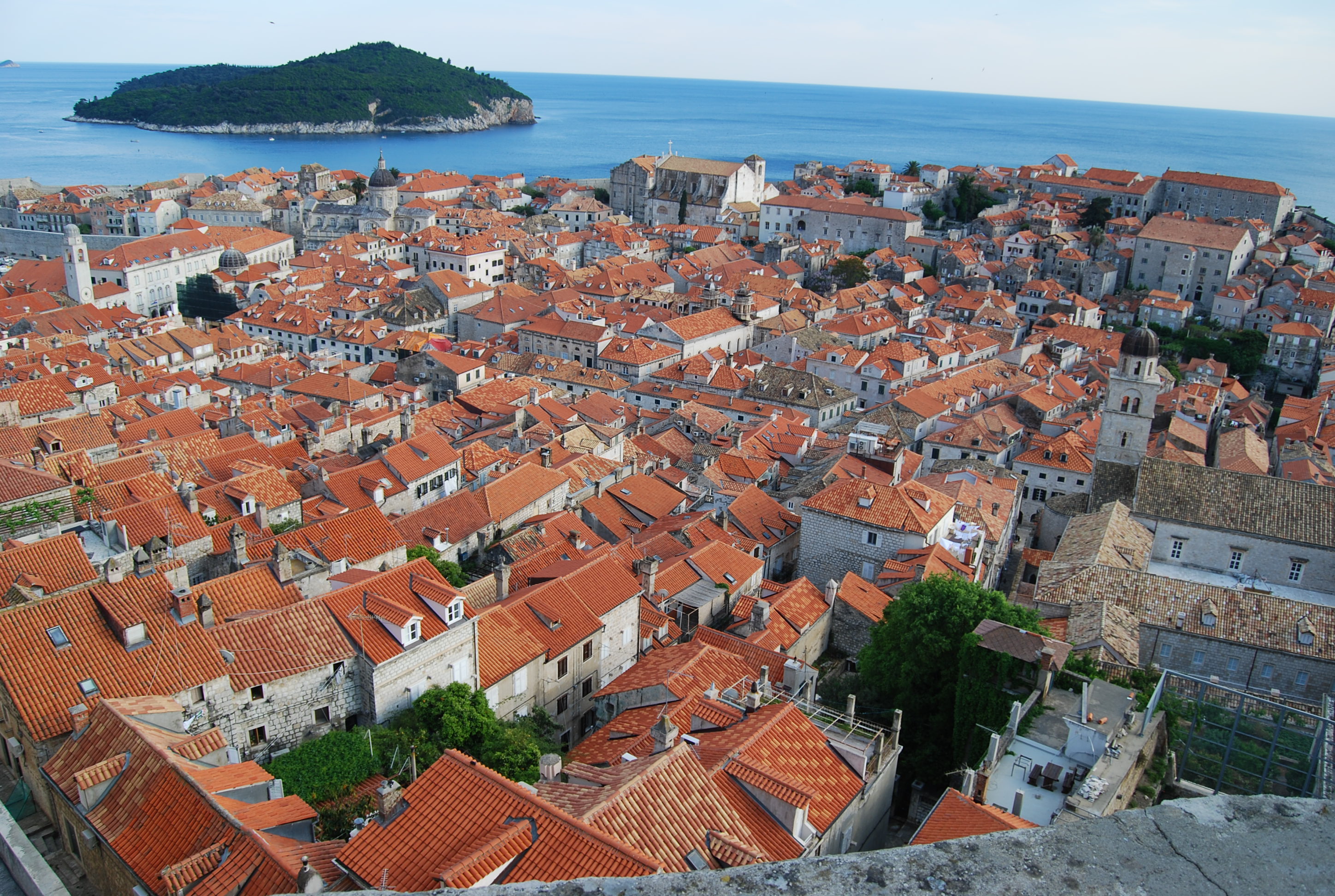
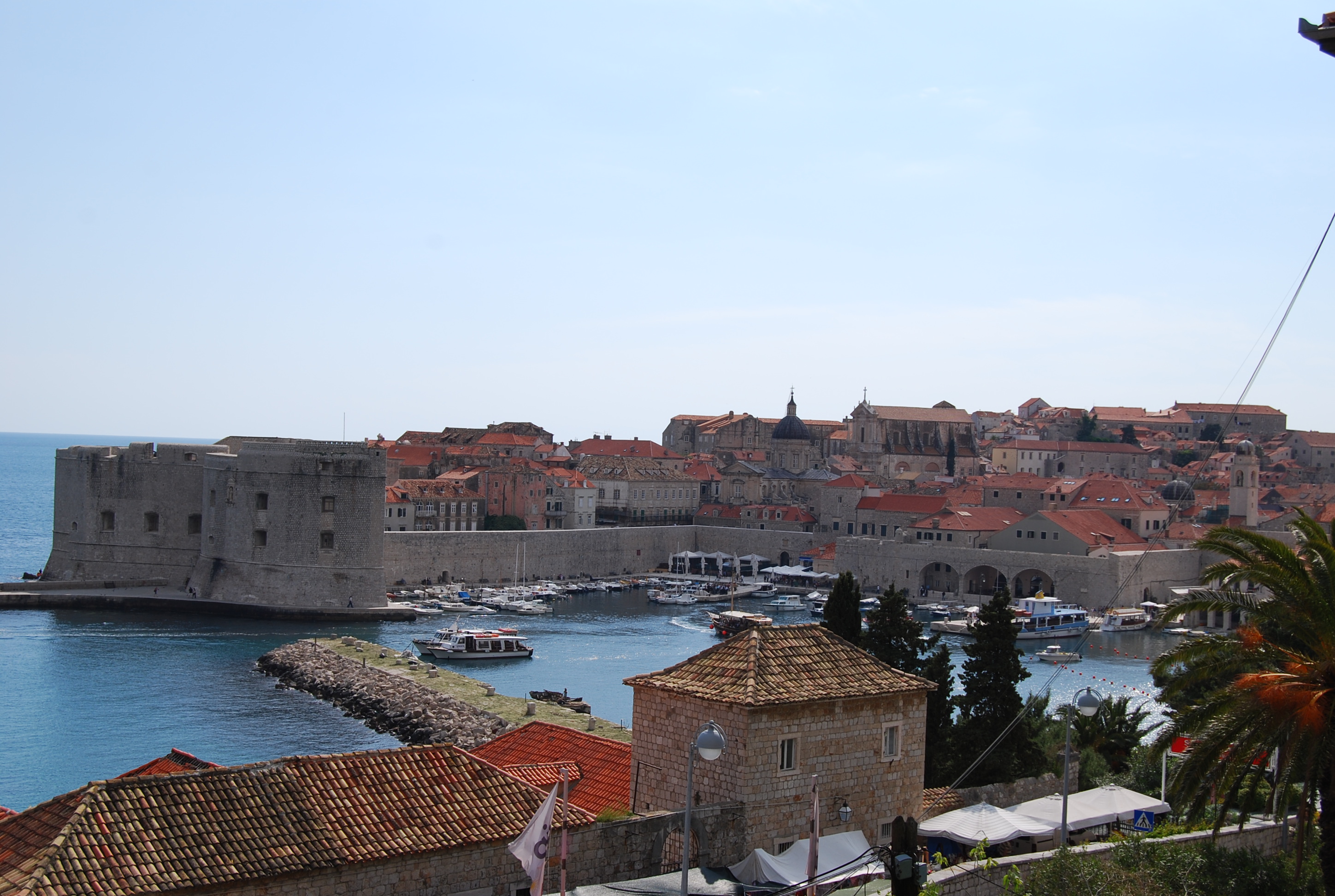
A quick walk through the port and narrow streets gave me a sense of Dubrovnik’s amazing topography and helped to explain why Lord Byron called this city the “Pearl of the Adriatic.”

But, even in a place as special as this, it’s assuring to know you’re never more than a couple of steps from your favorite designer’s boutique — here, Lacoste on the main marble-paved drag called the Strada.

The beaches of Dubrovnik have made it the summer destination for Europe’s jet-setters. Somewhat pebbly, they’re typical of the Mediterranean, although the views make them all the more spectacular.

It’s been a long day of traveling. Burt arrives here tomorrow and then we’ll spend the afternoon exploring all that Dubrovnik has to offer.

Spanish siestas and toilets

Barcelona, Spain
Day 15

It was a sad morning as Charlotte left to return to D.C. After seeing her off, it felt like a good day to relax and recharge the batteries before flying to Croatia tomorrow morning.

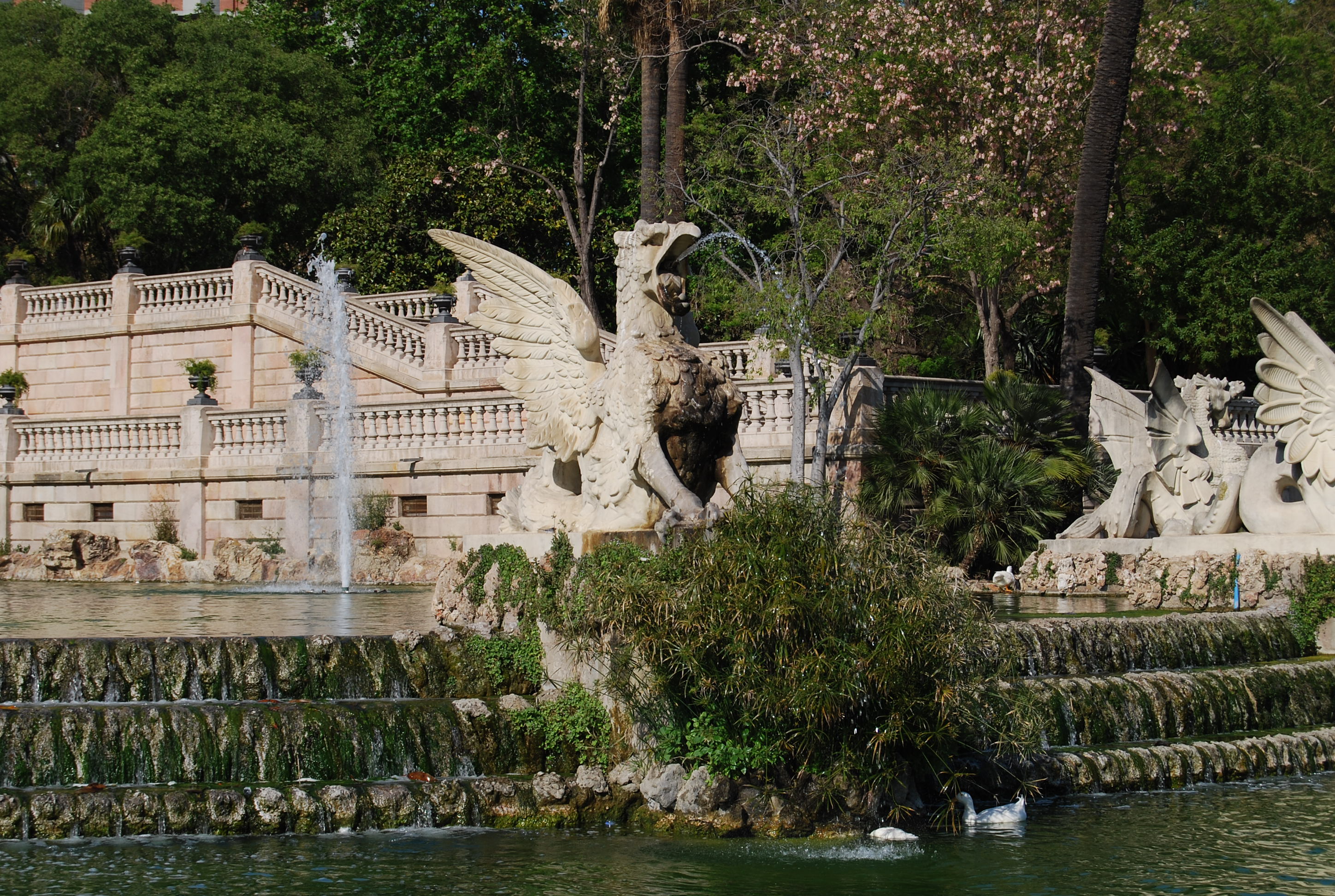
My first stop was Parc de la Ciutadella, a fortress commissioned by Felipe V after taking Barcelona at the end of the War of Spanish Succession in 1714. Rebuilt as a park in 1869 for an upcoming Universal Exhibition, it is today a traditional European green space with plenty of ponds, grassy knolls and fountains (including one built by, you guessed it, Gaudi). In other words, the perfect spot for an afternoon siesta.

With sunny skies and temperatures in the mid-70s, the man-made beaches of Port Olimpic were next calling my name. They were just right for catching up on some reading and relaxing — although the Mediterranean in April was still too cold for a dip.

Taking in Barcelona slowly like this today, and seeing all of the city’s green space, got me thinking about energy conservation and the environmental movement in Spain. While Europe is notorious for its small cars and hotel room lights that require a key card to turn on, Barcelona really seems to be taking it to the next level. First, there´s a bike-sharing service widely available throughout the city — that’s free.

And, even my hostel has gotten in on the action with toilets that have two flush buttons (you figure it out).

The U.S. could certainly learn a thing or two (or three) from here.

Gaudi´s favorite dish: jamon

Day 14
Barcelona, Spain

The streets were filled with book vendors and florists here this morning — today is Dia de St. Jordi, what could most easily be described as Valentine’s Day in Barcelona. Men buy women roses; women, in turn, buy books for men. It has become a much-loved national holiday, which meant the streets, plazas and monuments were even more crowded than yesterday.

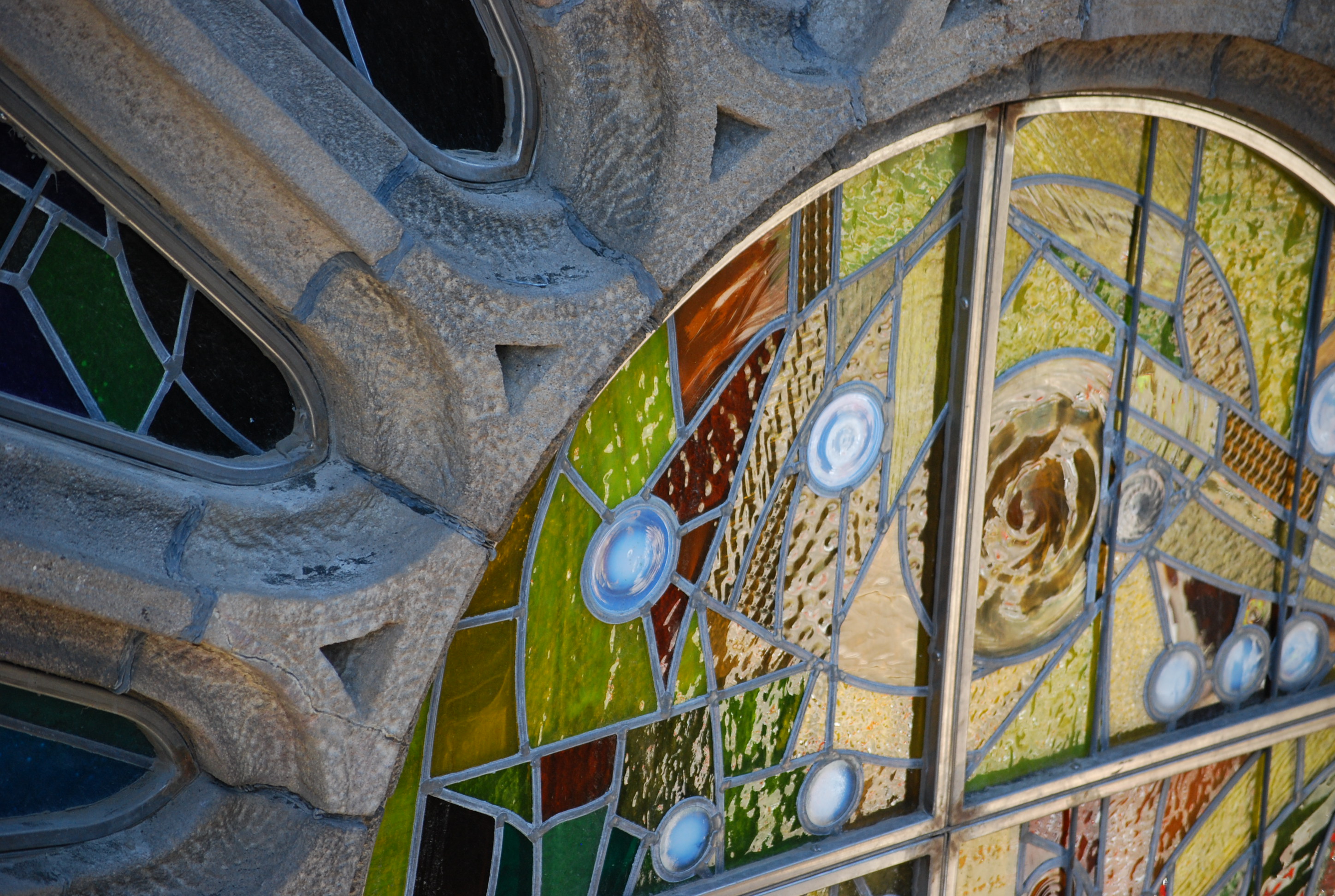
If one man represents Barcelona’s Modernist movement, it is Antoni Gaudi. His architecture, art and legacy are ingrained throughout this city and we spent a good part of today seeing his work. The Casa Batllo was our first stop — this renovated apartment building has a façade whose blue, green and mauve tiles and wave-shaped window frames give the impression that it’ll wash away with the next tide. Inside is much of the same: the main salon swirls onto the main drag outside, Passeig de Gracia, while the internal courtyard is filled with undulating deep sea-blue tiles.

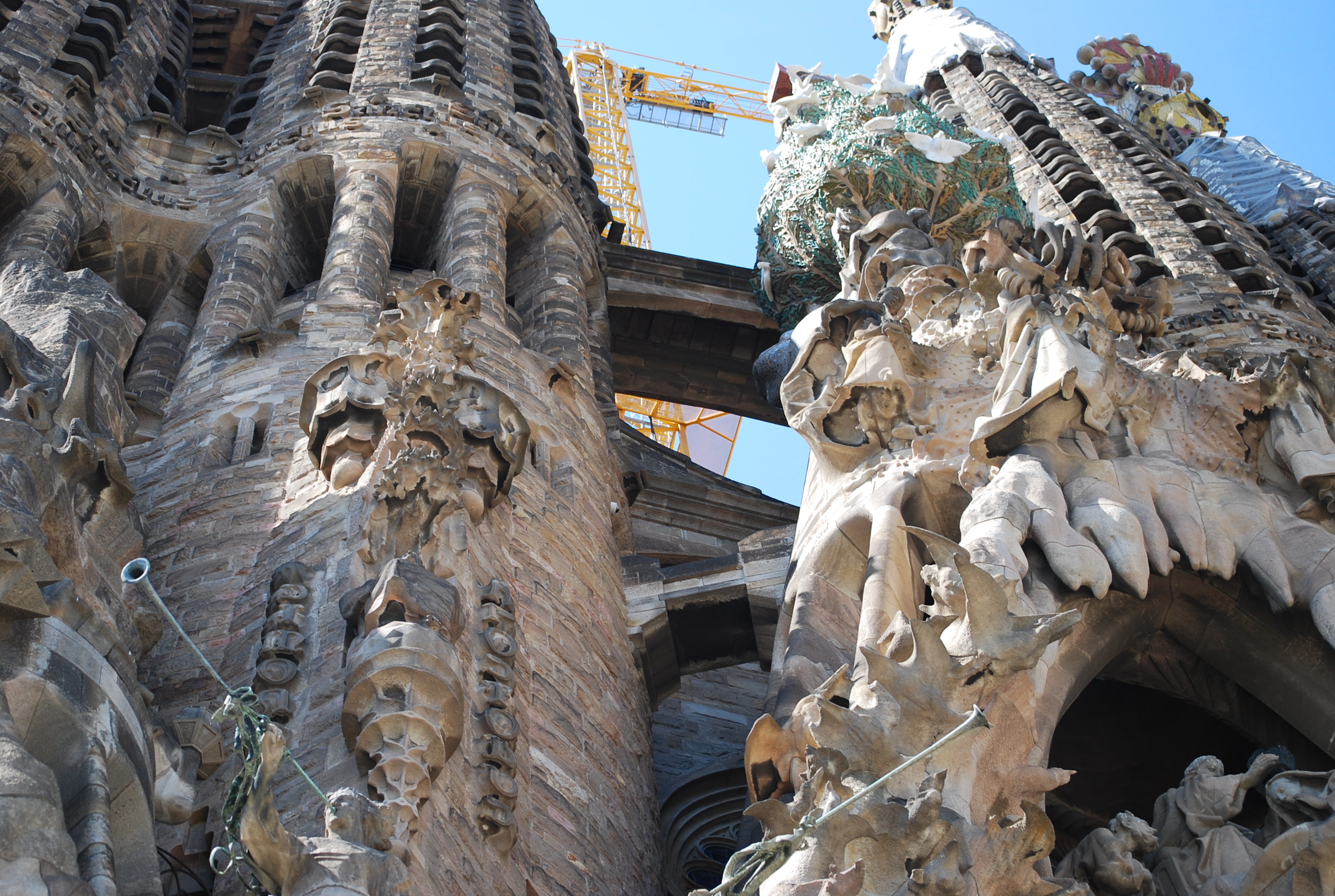
Next was La Sagrada Familia, perhaps Barcelona’s most defining and recognizable landmark. Gaudi became the chief architect of this unfinished temple in 1884 and spent the next 43 years of his life working feverishly to complete it, while obsessing over every detail (when asked why he fussed so much over embellishments at the very top of the towers which no visitors would see, Gaudi replied: “The angels will see them”). Today, over 125 years after construction began, La Sagrada is said to be still only half complete.

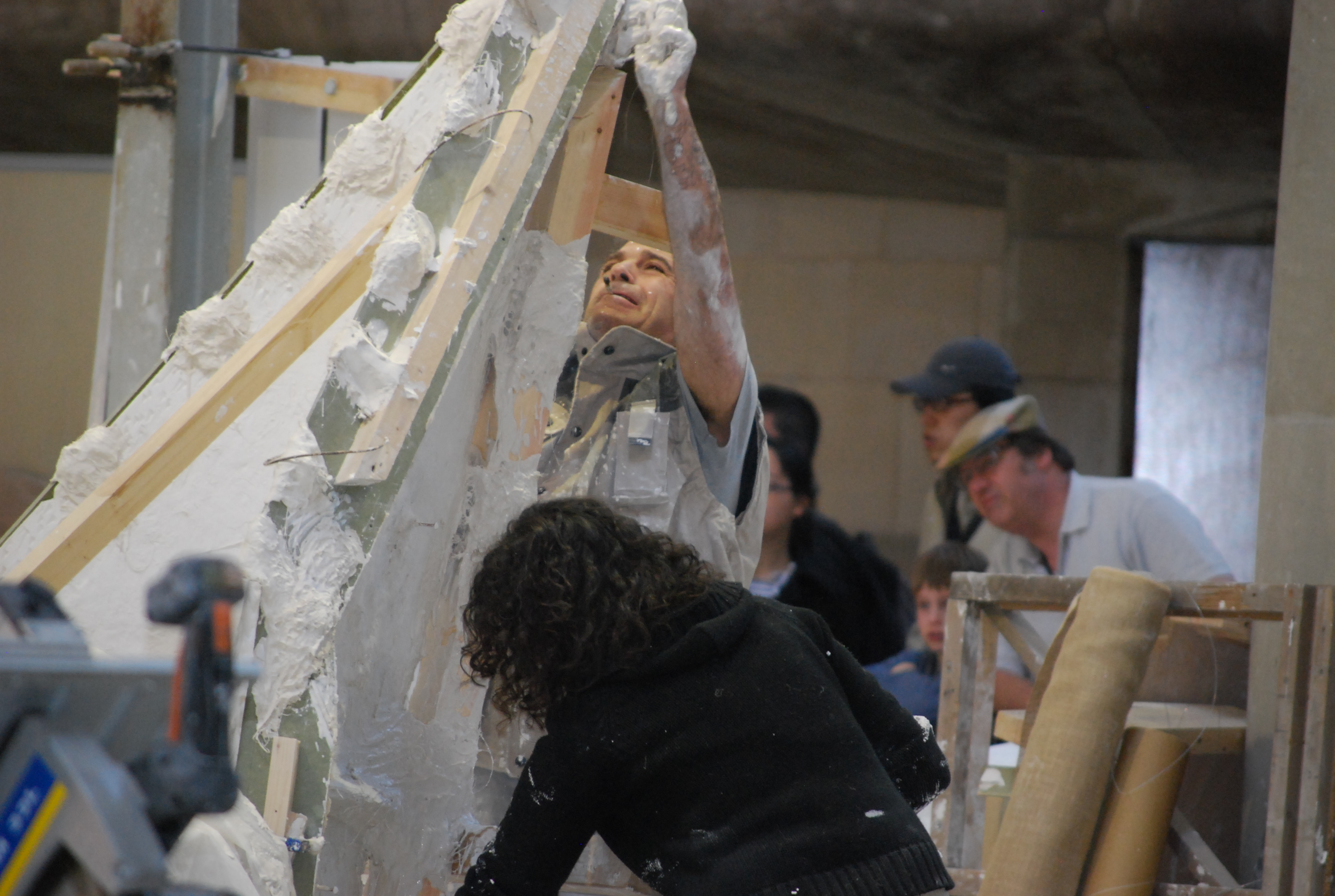
Rarely do you get to see the construction of a religious structure of this magnitude — more often, you can only experience them years after their completion. While the portions of La Sagrada that have been finalized are no doubt magnificent, part of its appeal, at least for me, was watching the artisans, craftsmen and construction crew continue to build it.

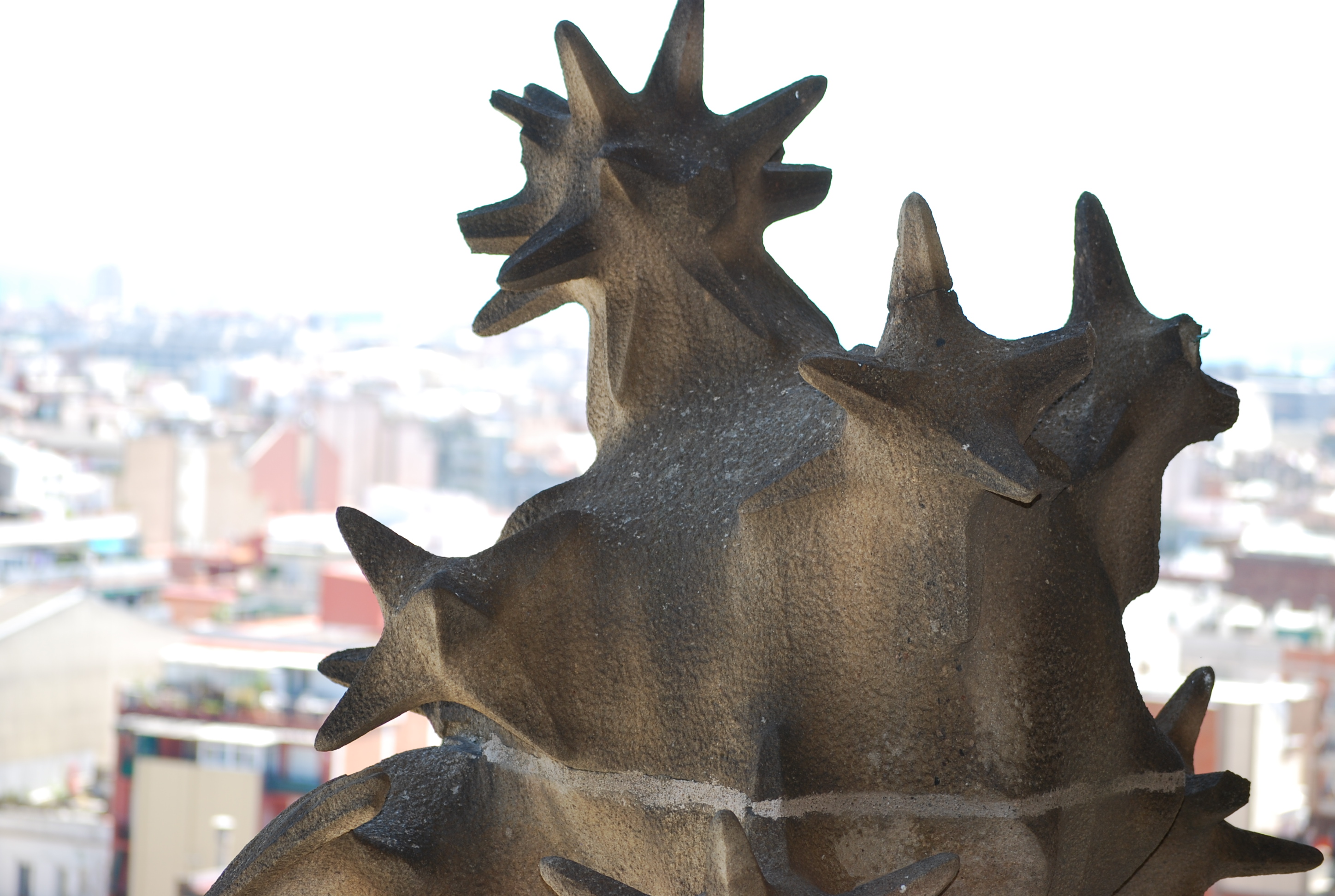
An elevator to the top of a tower offers another perspective of Gaudi’s work, as well as distant vistas of Barcelona and a vertigo-inducing walk down to the ground.

Needing an escape from the tourist onslaught, we walked back to Las Ramblas and bought a baguette, some Manchego queso and a couple varieties of Serrano jamon, packed it up with fruit and a bottle of Spanish red wine and jumped on the bus to Parc Guell for a picnic. It was a delicious desayuno.

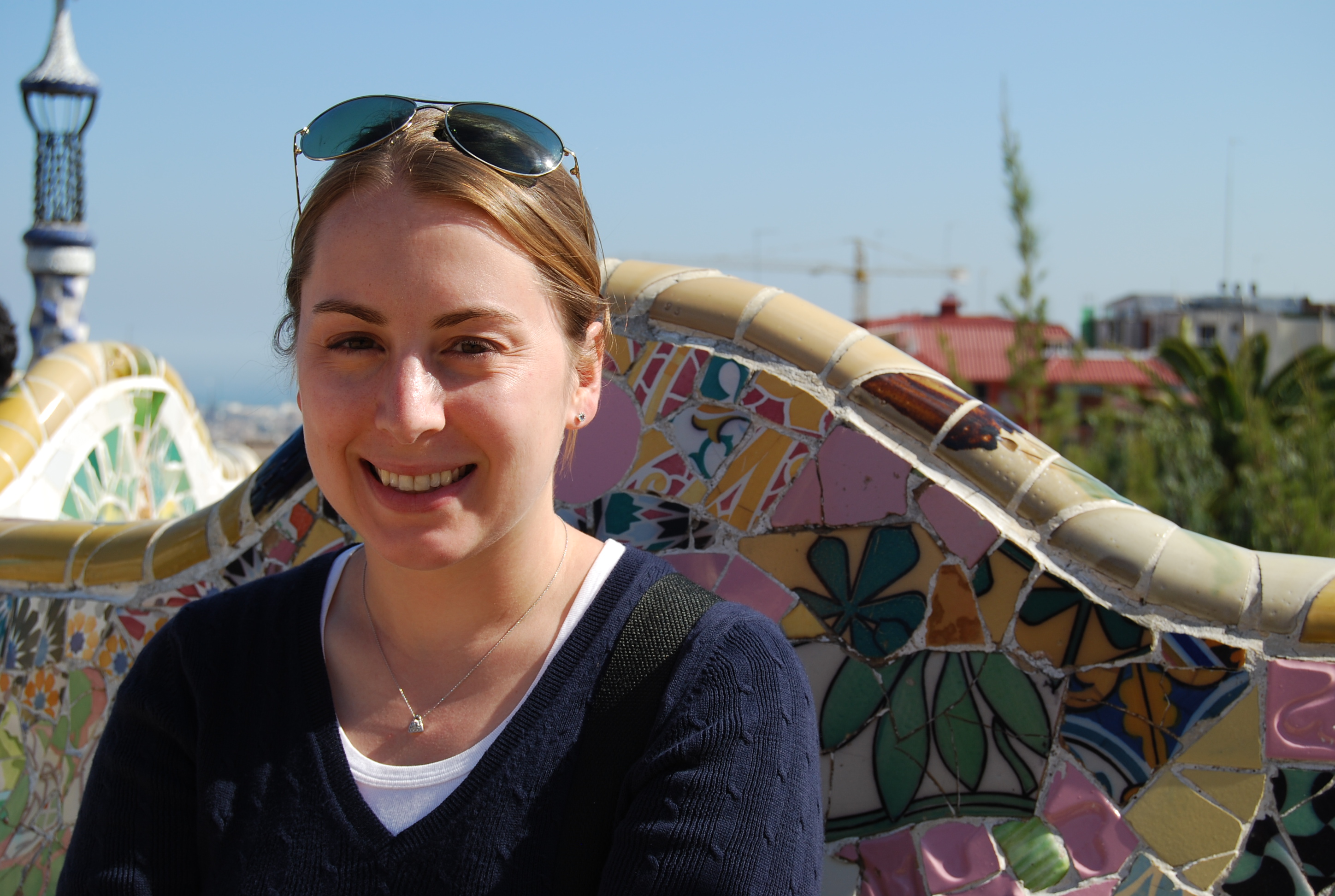
After lunch, we walked around the park, which Gaudi was commissioned to create in 1900. There are fairy-tale style gingerbread houses, candy-colored mosaic tiles and sweeping views of the mar.

Tonight is Charlotte’s last night. So, we’re off to do something special — I’ve got a feeling it might involve jamon y queso.

Rambling down Las Ramblas

Day 13
Barcelona, Spain

After a train, plane and automobile, we arrived here this morning and made our way to the Somnio, a new, centrally located hostel that was opened a couple of months ago by two sisters from the States. We dropped our bags off and walked to Origenes — a delicious nearby restaurant that offers traditional Catalonian cuisine made with all locally-sourced ingredients.

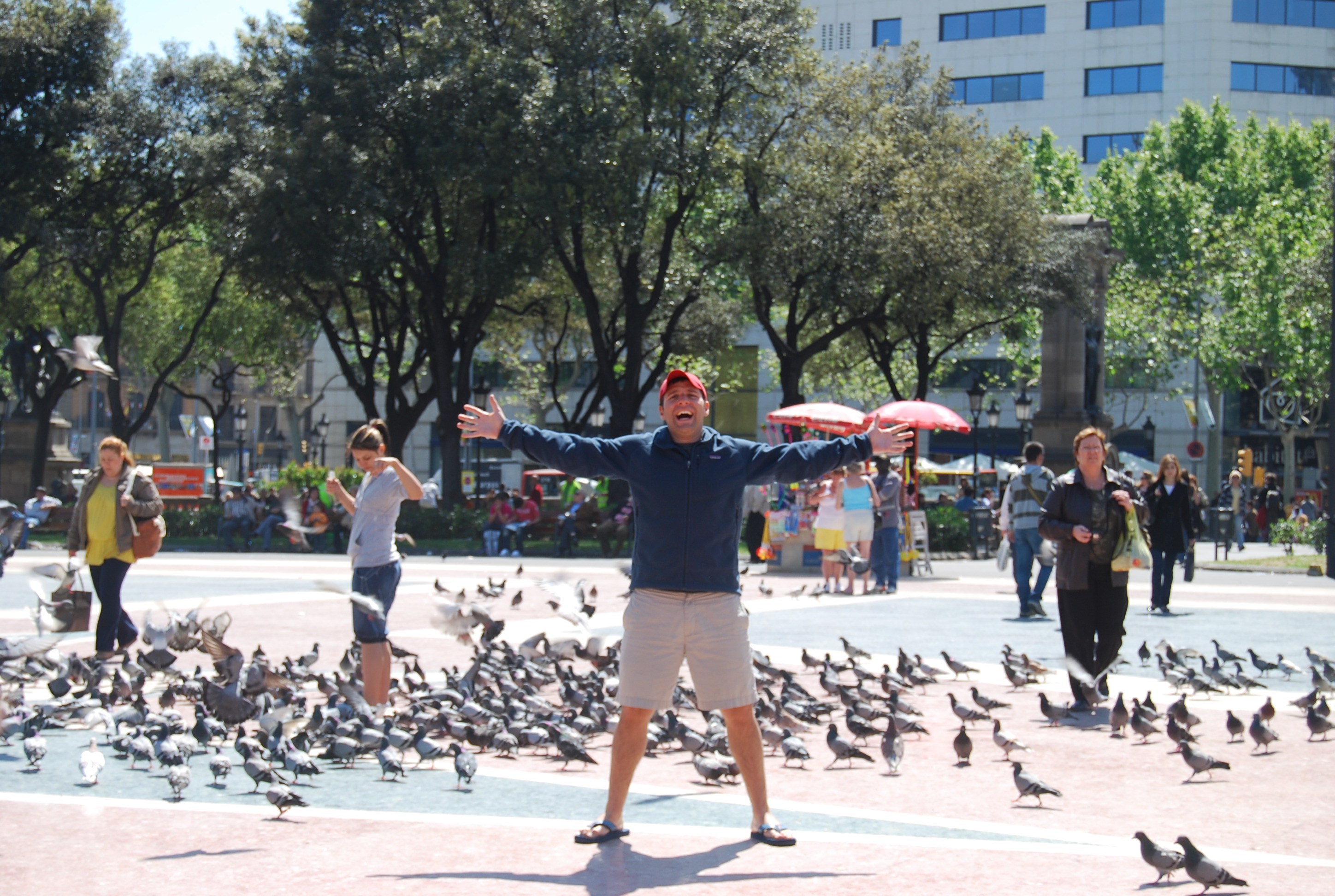
Our next stop was Plaza de Catalunya, home to perhaps Europe’s largest population of pigeons (after Venice). Dodging tour groups and backpackers, we took a moment to take in what is said to be the heart of Barcelona.

Feeling particularly like tourists, we then headed to Las Ramblas, a clogged pedestrian thoroughfare filled with football jersey-wearing Brits, mimes, outdoor pet stores, a Hard Rock Cafe and an overabundance of tourist schwag and Serrano jamon.

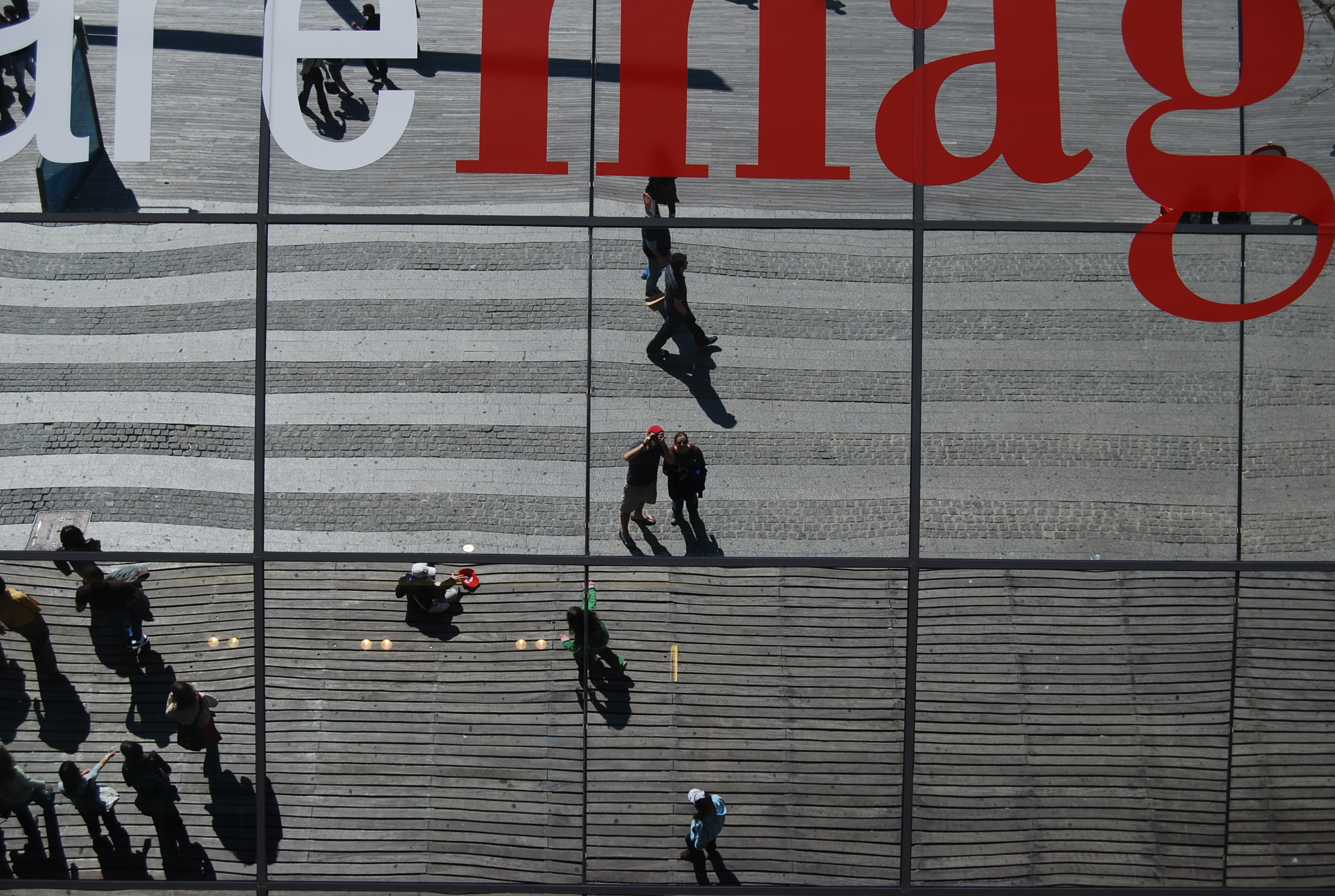
Las Ramblas ends at Barcelona’s waterfront, which on a beautiful and sunny afternoon was packed with boaters, sunbathers and yes, more tourists. The marina is a modernist building with a mirrored-roof that reflects the foot traffic below. Can you spot us?

This city feels alive — but not in the Marrakech, Morocco sense. There are tourists nearly everywhere you look. We’ll try our best to walk the line between seeing the sights and not making a dinner reservation at Planet Hollywood. Wish us luck.

El puente to Ronda

Day 12
Ronda, Spain

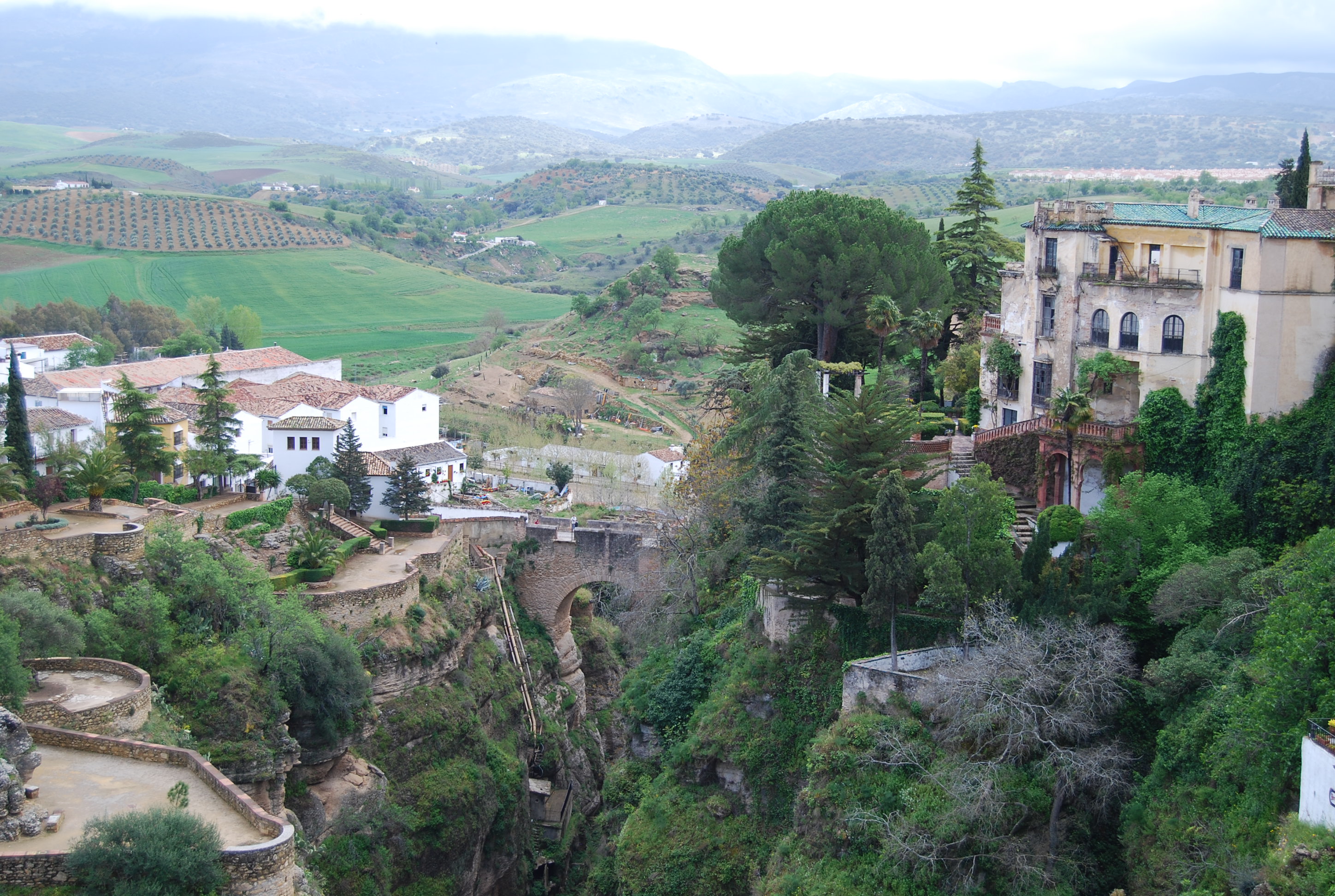
Perched atop a limestone cleft sits this small town about 100 kilometers north west of Malaga. We took a bus here this morning and soon learned why Ronda was one of the last Moorish bastions in southern Spain (it fell to the Christians in 1485). Its mountainous location 700 meters above sea levels affords it a fantastic vantage point to the surrounding valleys below.


Still, it has retained its Moorish influences and charm, with cobblestone alleys, whitewashed buildings and window grilles.

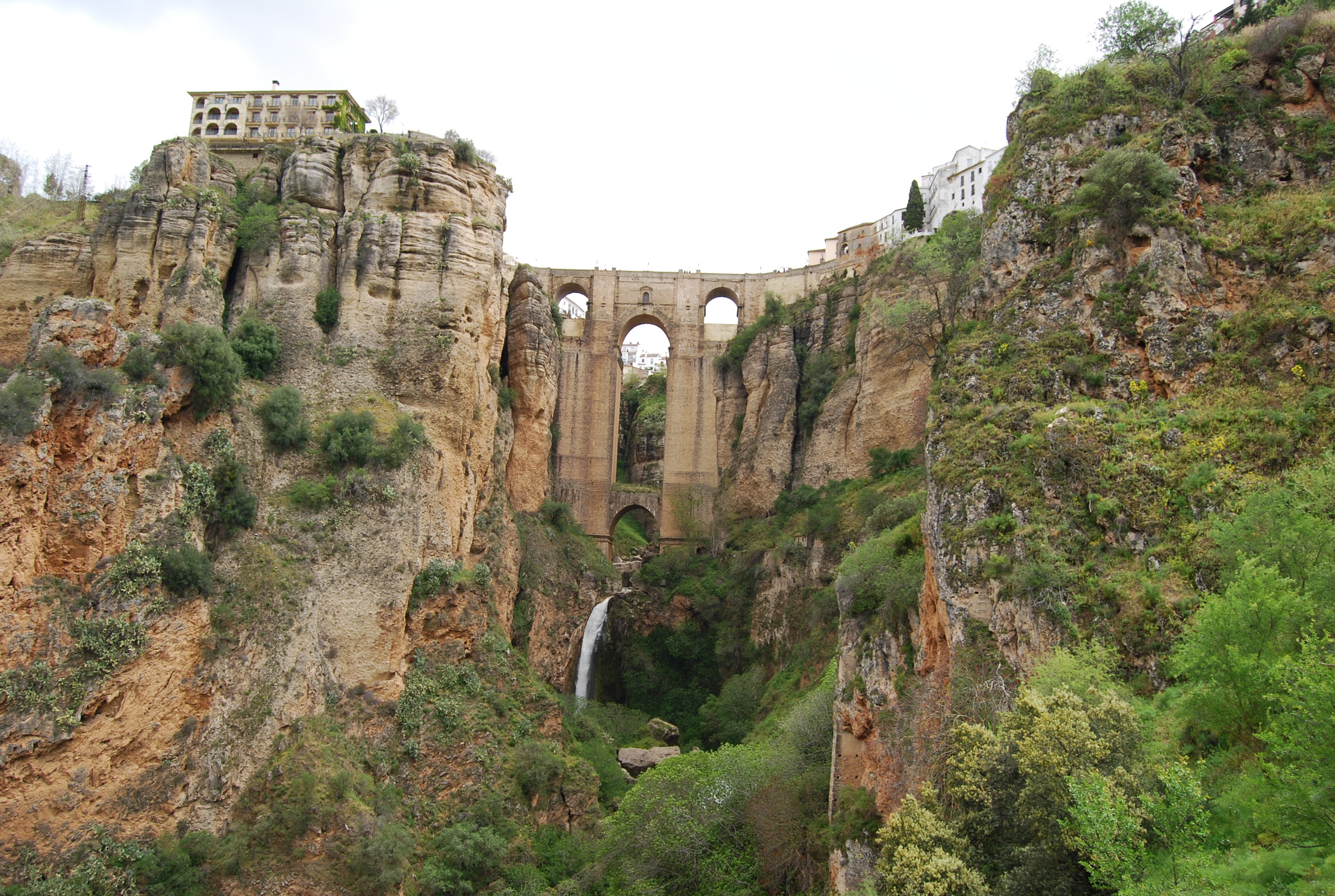
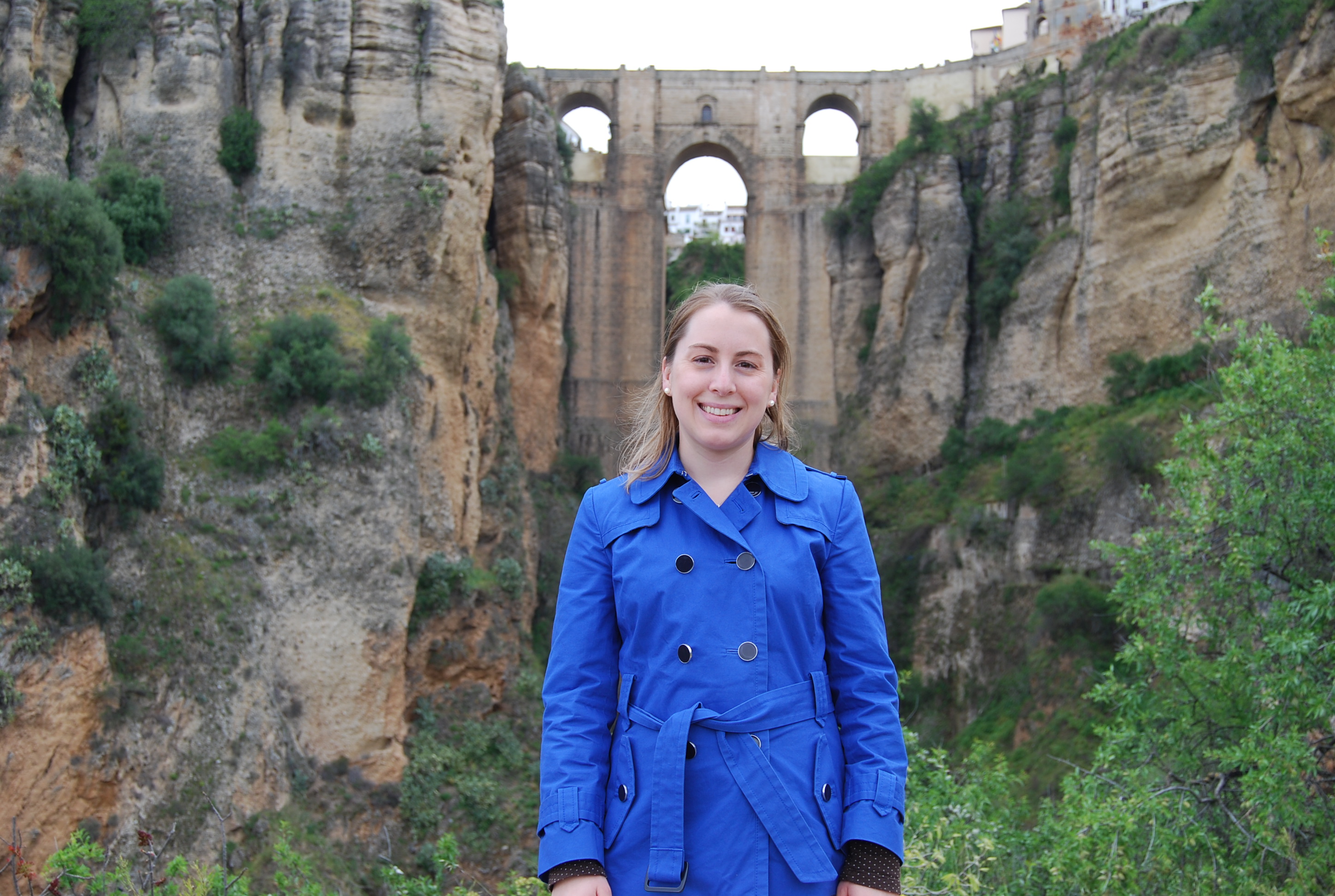
Ronda’s most defining feature is the Puente Nuevo (New Bridge), which spans the Tajo Gorge. It was considered a tremendous feat of civil engineering when completed in 1793.

After returning to Malaga, we hit up El Corte Ingles, possibly the best department store in the world, before finishing the night with some tapas. Our flight to Barcelona leaves tomorrow morning.